Navigating the World of Alcohol Licenses in Florida
Running a restaurant, bar, hotel, or retail store in Florida can be a profitable venture, but obtaining the correct permits and licenses is essential before selling alcoholic beverages. One of the most important regulatory requirements for many hospitality businesses is securing an alcohol license in Florida. Without the proper license, businesses cannot legally sell or serve beer, wine, or liquor.
Florida’s hospitality industry is one of the largest in the United States. According to tourism data, the state welcomes more than 130 million visitors annually, making it a prime location for restaurants and entertainment venues. Because alcohol sales often represent a significant percentage of revenue for restaurants and bars, obtaining the right alcohol license can play a crucial role in business profitability.
However, navigating Florida’s alcohol licensing system can be complex. The process involves choosing the correct license category, meeting zoning requirements, passing background checks, and complying with state regulations managed by the Florida Division of Alcoholic Beverages and Tobacco (ABT). Understanding these steps in advance can help business owners avoid costly delays.
This guide explains the different types of alcohol licenses available in Florida, the application process, common challenges, and how selling alcohol can positively impact your business.
Understanding the Importance of an Alcohol License
For many restaurants and hospitality businesses, alcohol sales are a major revenue driver. Industry studies indicate that alcoholic beverages can account for 20% to 35% of total restaurant revenue, depending on the concept and customer base.
In addition to increasing revenue, offering alcohol can enhance the customer experience. Many diners expect a full beverage menu that includes wine, beer, or cocktails. Retail stores, hotels, and entertainment venues can also benefit from alcohol sales by offering customers more options during their visit.
Operating without a proper alcohol license can result in severe penalties, including fines, suspension of business operations, or permanent loss of the ability to apply for a license in the future. For this reason, understanding Florida’s licensing structure is critical before launching a business that plans to sell alcohol.
Types of Alcohol Licenses in Florida
Florida offers several categories of alcohol licenses designed to accommodate different types of businesses. Choosing the correct license is essential because each one determines what type of alcohol you can sell and where it can be consumed.
- Series 1 – Quota License: One of the most valuable licenses in Florida, the quota license allows businesses to sell beer, wine, and liquor for on-premise consumption or packaged sales. These licenses are limited by county population, making them highly competitive and often expensive.
- Series 2 – Special Hotel or Motel License: This license allows hotels and motels to sell alcoholic beverages to registered guests. It is designed specifically for hospitality properties serving travelers.
- Series 3A – Food Service Establishment License: Restaurants whose primary business is serving food may apply for this license, which permits the sale of beer and wine for consumption on the premises.
- Series 4 – Special Food Service (SFS) License: Restaurants that meet certain food sales requirements may apply for this license, allowing them to serve beer, wine, and liquor on-site.
Each license type has different eligibility requirements and costs. In some counties, quota licenses can cost tens or even hundreds of thousands of dollars due to limited availability.
The Application Process
Obtaining an alcohol license in Florida involves multiple steps and regulatory checks. Business owners must prepare documentation and meet state and local requirements before approval is granted.
- Determine Eligibility: Confirm that your business location meets zoning requirements and distance restrictions from schools, churches, or residential areas.
- Choose the Right License: Select the license category that matches your business model. Restaurants typically apply for food service licenses, while bars may require quota licenses.
- Complete the Application: Submit the official application through the Florida Division of Alcoholic Beverages and Tobacco.
- Background Checks: The state conducts background checks on owners, partners, and investors involved in the business.
- Pay Application Fees: License fees vary depending on the license type and location.
- Attend Hearings if Required: Some license applications require public hearings or local government approval.
- Receive Approval and Permit: After the application is reviewed and approved, the business receives its official alcohol license.
The entire process can take several weeks or months depending on the license type and local approval requirements.
Common Challenges
Many businesses encounter challenges when applying for alcohol licenses in Florida. One of the biggest obstacles is the limited availability of quota licenses, which are distributed through an annual lottery system.
Other challenges include zoning restrictions, neighborhood opposition, and complex documentation requirements. Some applicants hire legal professionals or licensing consultants to help navigate the process more efficiently.
Planning ahead and understanding licensing requirements before opening a business can significantly reduce delays.
Benefits of Having an Alcohol License
While the licensing process can be demanding, the benefits of serving alcohol can be substantial for restaurants and hospitality businesses.
- Increased Revenue: Alcohol often has higher profit margins than food, making it a valuable revenue source.
- Enhanced Customer Experience: Guests often expect wine, cocktails, or craft beer options with their meals.
- Competitive Advantage: Restaurants that offer full beverage menus can compete more effectively with other dining establishments.
- Expanded Menu Opportunities: Beverage programs allow restaurants to create signature cocktails, wine pairings, and seasonal drink specials.
In many restaurants, beverage sales generate up to 60% gross profit margins, making alcohol licensing an important strategic decision for business owners.
Compliance and Responsibility
Holding an alcohol license also comes with significant responsibility. Businesses must follow strict state regulations regarding alcohol sales, including:
- Verifying customer age
- Preventing over-service
- Maintaining accurate records
- Complying with operating hour restrictions
Failure to comply with these regulations can result in fines, suspension of the license, or permanent revocation.
How Biyo POS Can Help Your Business
Managing alcohol sales and maintaining compliance can be complicated, especially for restaurants and bars with high transaction volumes. Biyo POS provides modern tools designed to simplify operations and help businesses stay compliant with alcohol regulations.
- Compliance Made Easy: Biyo POS includes real-time age verification features and compliance tracking tools that help ensure alcohol is only sold to customers of legal drinking age.
- Efficient Staff Training: The system can help managers monitor staff training and ensure employees follow responsible alcohol service practices.
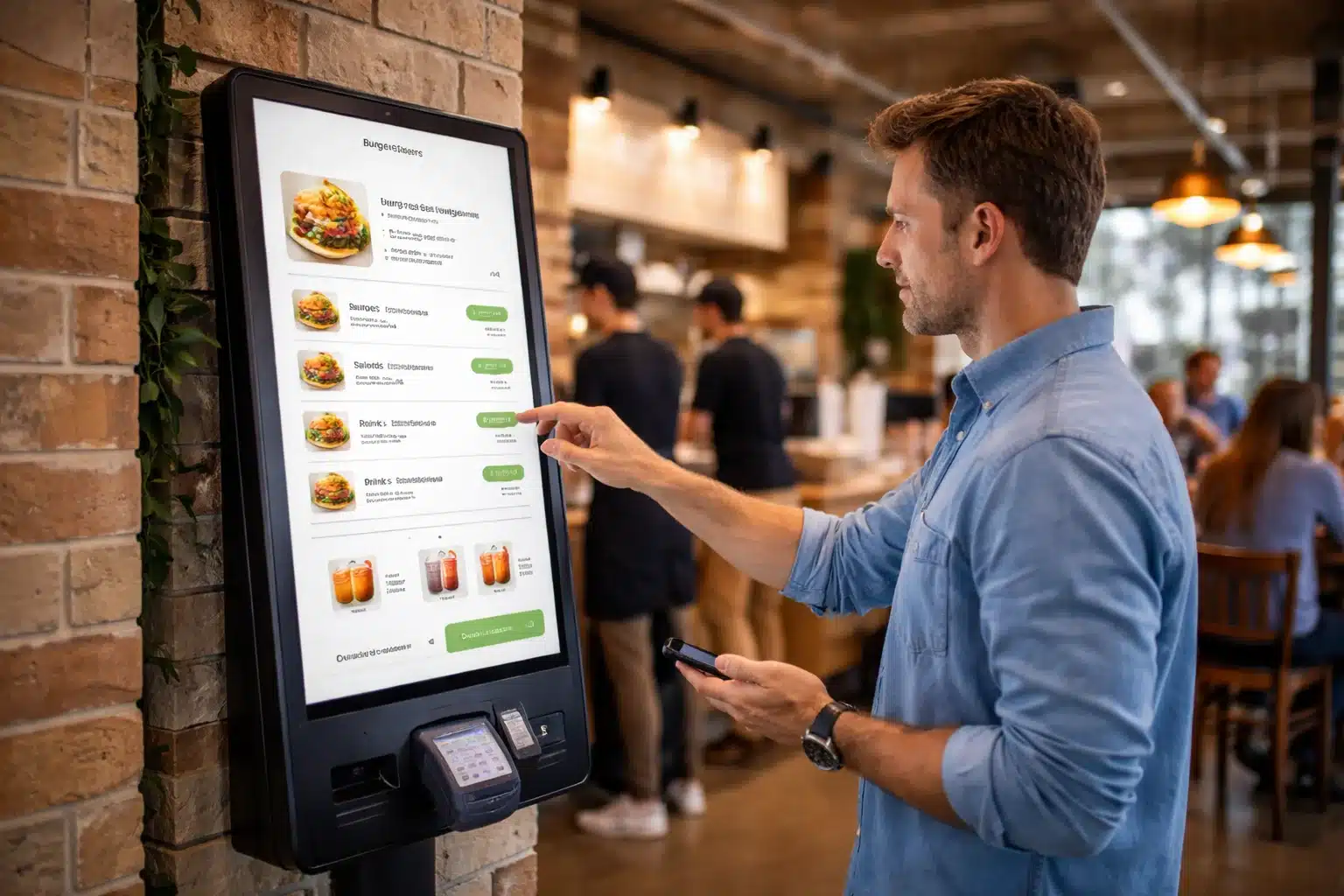
- Enhanced Customer Experience: With Biyo POS, businesses can manage beverage menus, run promotions, and process alcohol orders efficiently through a modern POS interface.
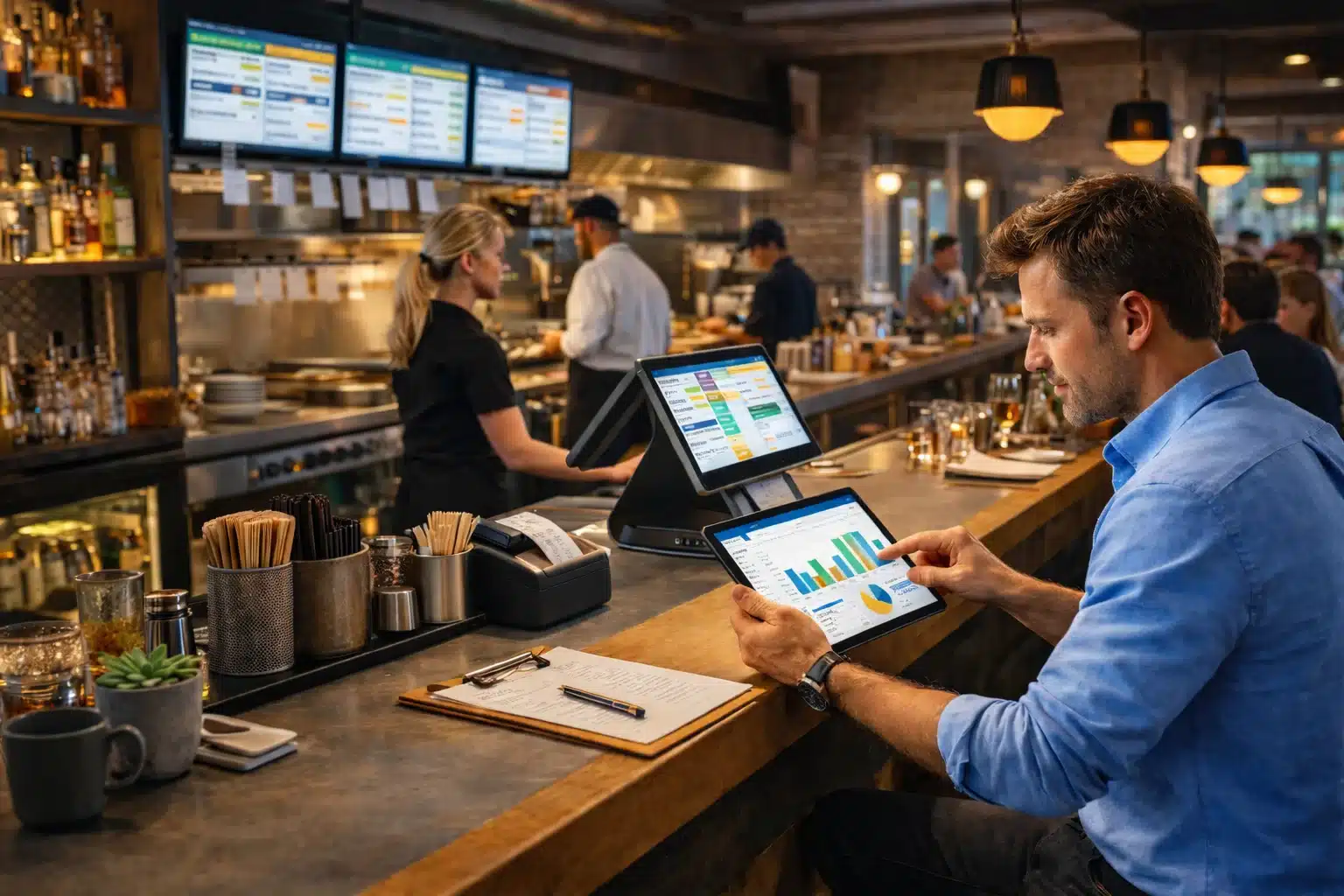
- Data-Driven Insights: Built-in reporting tools allow business owners to analyze alcohol sales trends, track inventory, and optimize beverage pricing strategies.
- 24/7 Support: Biyo POS provides ongoing technical support to ensure your system operates smoothly during busy service hours.
Many restaurants rely on integrated POS systems to manage alcohol sales, inventory, and compliance reporting efficiently.
Conclusion
Obtaining an alcohol license in Florida can significantly enhance the profitability and customer experience of your business. Whether you run a restaurant, hotel, retail store, or entertainment venue, selling alcoholic beverages can open new revenue streams and help attract more customers.
However, the licensing process requires careful planning, regulatory compliance, and attention to detail. Understanding Florida’s licensing structure and choosing the right permit for your business model will make the process much smoother.
Once licensed, maintaining responsible alcohol service practices and using efficient management tools like Biyo POS can help your business operate successfully while staying compliant with state regulations. With the right preparation and systems in place, your Florida business can fully benefit from offering alcoholic beverages to customers.
FAQ
How much does an alcohol license cost in Florida?
The cost varies depending on the license type. Quota licenses can cost tens of thousands of dollars due to limited availability, while restaurant beer and wine licenses are typically more affordable.
How long does it take to get an alcohol license in Florida?
The approval process usually takes several weeks to a few months depending on the license type, background checks, and local approvals.
What is a quota license in Florida?
A quota license allows the sale of beer, wine, and liquor and is limited based on county population. These licenses are often distributed through a lottery system.
Can restaurants sell alcohol without a quota license?
Yes. Restaurants that meet food sales requirements can apply for food service licenses that allow them to serve alcohol on-site.
Who regulates alcohol licenses in Florida?
The Florida Division of Alcoholic Beverages and Tobacco (ABT) is responsible for issuing and regulating alcohol licenses in the state.