Running a restaurant requires constant coordination between staff, kitchen operations, customer service, inventory management, and payment processing. During busy shifts, even small inefficiencies can quickly create larger operational problems. Delayed orders, payment bottlenecks, communication mistakes, and complicated workflows all affect customer experience directly.
That is why easy-to-use restaurant POS software has become one of the most important operational tools in modern hospitality.
A restaurant point-of-sale system is no longer just a digital cash register. Modern POS platforms help restaurants manage orders, coordinate tables, process payments, monitor sales, track inventory, and improve communication between front-of-house and kitchen teams.
However, not all POS systems improve efficiency equally.
Some platforms introduce unnecessary complexity that slows employees down instead of helping them work faster. Others require extensive training, confusing workflows, or outdated interfaces that create frustration during high-pressure service periods.
The best restaurant POS systems simplify operations instead of complicating them.
Ease of use matters because restaurant environments move extremely quickly. Servers need to process orders efficiently, managers need real-time visibility, and kitchen staff need clear communication without delays or confusion.
When a POS system feels intuitive, restaurants benefit in several ways:
- Faster service speed
- Improved order accuracy
- Shorter staff training time
- Better customer experiences
- Smoother kitchen coordination
- Stronger operational efficiency
As customer expectations continue increasing, restaurants that rely on outdated systems often struggle to maintain consistent service quality during busy periods.
This guide explores how easy-to-use restaurant POS software improves restaurant operations, what features matter most, how modern systems increase efficiency, and what restaurant owners should consider before choosing a POS platform.
Table of Contents
- Why Restaurants Need Easy-to-Use POS Software
- Core Features That Make Restaurant POS Systems Easier to Use
- How Restaurant POS Software Improves Efficiency
- How to Choose the Right Restaurant POS System
- The Future of Restaurant POS Technology
- How Biyo POS Helps Restaurants Operate More Efficiently
- Frequently Asked Questions
Why Restaurants Need Easy-to-Use POS Software
Restaurants operate in high-pressure environments where speed and communication directly affect customer satisfaction. During lunch rushes, dinner service, weekends, and special events, staff members must coordinate orders, seating, kitchen timing, payments, and customer requests simultaneously.
Technology should simplify these workflows rather than creating additional friction.
Complicated POS systems often slow employees down because staff members spend too much time navigating menus, correcting mistakes, or searching through confusing interfaces. In fast-moving hospitality environments, even a few extra seconds per transaction can create noticeable delays during peak hours.
An intuitive restaurant POS system helps reduce those problems by making daily tasks faster and easier to complete.
Servers can process orders quickly, modify menu items accurately, split bills without confusion, and communicate directly with kitchen staff through digital systems instead of handwritten tickets.
Order accuracy improves significantly as well.
Complicated systems increase the likelihood of missing modifiers, incorrect table assignments, or incomplete customer requests. These mistakes create wasted food, delayed service, and customer frustration.
Modern POS software reduces those risks through clearer workflows and more organized digital communication.
Ease of use also matters heavily for staff training.
The restaurant industry experiences high employee turnover compared to many other industries. Systems requiring extensive onboarding increase labor costs and create operational inconsistency whenever new staff members join the team.
Intuitive platforms shorten the learning curve considerably, allowing employees to become productive much faster.
For restaurant operators, that simplicity translates into smoother service and lower operational stress across the business.
Core Features That Make Restaurant POS Systems Easier to Use
Not every POS platform delivers the same user experience. Some systems overload employees with unnecessary complexity, while others focus heavily on usability and workflow efficiency.
The most effective restaurant POS systems balance functionality with simplicity.
An intuitive interface is one of the most important features.
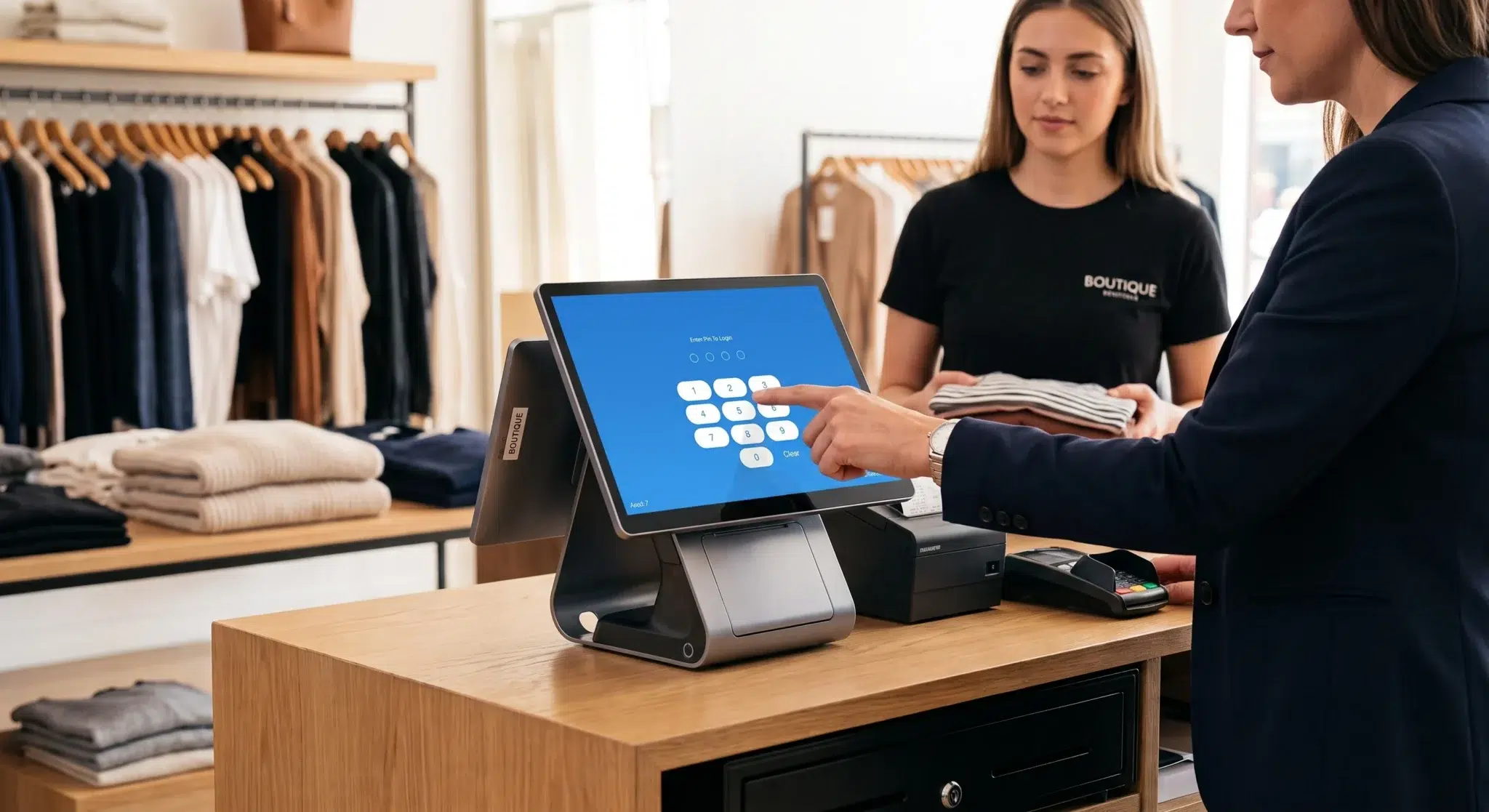
Clear navigation, responsive touchscreen controls, logical menu layouts, and organized workflows allow employees to complete tasks quickly even during busy service periods. Servers should not need to search through multiple screens simply to modify an order or split a check.
Mobile compatibility has also become increasingly important.
Tablet-based ordering systems allow servers to enter orders directly at the table and send them immediately to the kitchen. This reduces unnecessary movement between dining areas and fixed terminals while improving communication speed.
Restaurants with outdoor seating, patios, rooftop dining areas, or large floor layouts often benefit heavily from mobile POS devices because staff can work more flexibly throughout the restaurant.
Order management features also play a major role in usability.
Staff members should be able to:
- Add modifiers easily
- Adjust menu items quickly
- Split bills efficiently
- Track active orders clearly
- View table status in real time
Kitchen display system integration improves communication further by replacing handwritten tickets with organized digital workflows. Orders appear instantly on kitchen screens, helping reduce delays and minimizing communication mistakes between front-of-house and kitchen teams.
Payment flexibility matters as well.
Modern restaurant customers expect support for:
- Credit cards
- Debit cards
- Contactless payments
- Digital wallets
- Mobile payment systems
Fast and secure payment processing improves customer experience while helping restaurants increase table turnover during busy periods.

How Restaurant POS Software Improves Efficiency
Operational efficiency directly affects profitability in the restaurant industry.
Restaurants that reduce delays, improve communication, and streamline workflows usually provide better customer experiences while controlling labor costs more effectively.
Easy-to-use restaurant POS software supports these improvements in several important ways.
One major advantage is automation.
Instead of relying on manual calculations or handwritten coordination, restaurants can automate repetitive tasks involving order routing, payment processing, inventory tracking, and sales reporting.
This reduces human error while improving consistency across daily operations.
Staff management becomes easier as well.
Modern POS systems often include scheduling tools, employee clock-in systems, payroll tracking, and performance reporting. Managers gain better visibility into labor costs while improving shift organization.
Tip tracking also becomes more transparent and accurate when integrated directly into the POS system.
Real-time analytics provide another major operational advantage.
Managers can monitor:
- Sales performance
- Peak business hours
- Popular menu items
- Inventory movement
- Revenue trends
- Employee productivity
Instead of waiting until the end of the week to understand business performance, restaurant owners gain immediate operational visibility that supports faster decision-making.
Inventory management improves significantly through POS integration as well.
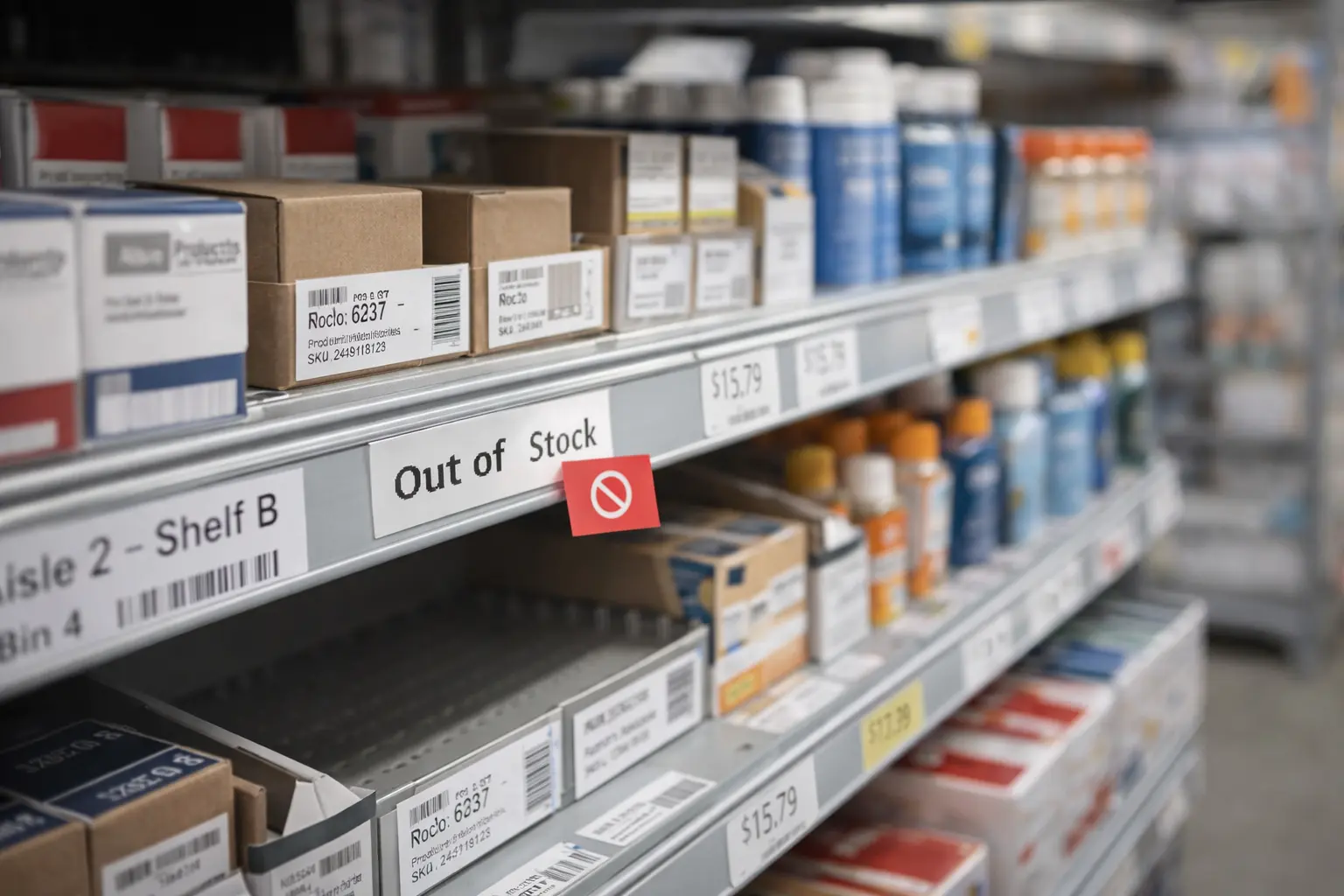
Restaurants often lose money because of overordering, spoilage, or ingredient shortages. Integrated inventory tracking helps businesses monitor stock levels automatically as menu items are sold.
This improves purchasing accuracy while helping reduce unnecessary waste.
Customer loyalty programs also become easier to manage.
POS systems can track customer purchases automatically and support rewards programs involving points, discounts, personalized promotions, and repeat-visit incentives.
When loyalty systems operate smoothly, restaurants strengthen customer retention while collecting valuable information about purchasing behavior.
How to Choose the Right Restaurant POS System
Selecting the right POS system requires more than comparing prices or hardware.
Restaurant owners should evaluate how well the system supports actual daily workflows inside the business.
Ease of use should remain the top priority.
If staff members struggle to navigate the interface during busy periods, service quality declines quickly. Restaurant environments move too fast for overly complicated systems.
Testing platforms through demos or free trials can help owners evaluate whether the system feels intuitive for servers, hosts, managers, and kitchen staff.
Scalability matters heavily as well.
Many restaurants eventually expand into:
- Multiple locations
- Delivery operations
- Online ordering
- Catering services
- Mobile food operations
Cloud-based POS systems generally provide greater flexibility for businesses planning long-term growth because managers can access operational data remotely across multiple devices and locations.
Hardware flexibility is another important consideration.
Some restaurants operate efficiently using fixed terminals, while others rely heavily on tablets or handheld devices depending on floor layout and service style.
Restaurant owners should also consider long-term operational value rather than focusing only on upfront cost.
A POS system that improves service speed, reduces errors, and increases operational efficiency often produces strong long-term returns even if initial pricing appears higher.
The Future of Restaurant POS Technology
Restaurant technology continues evolving rapidly as customer expectations and operational demands change.
Future POS systems will likely focus heavily on automation, artificial intelligence, mobile flexibility, and personalized customer experiences.
AI-driven analytics are already becoming more common.
Modern systems can analyze sales trends, forecast demand, identify operational inefficiencies, and recommend inventory or staffing adjustments based on historical data.
Automation will continue expanding into areas such as:
- Reservation management
- Inventory forecasting
- Customer communication
- Marketing personalization
- Labor scheduling
Cloud technology will remain increasingly important as well.
Restaurant operators now expect the ability to monitor sales, staffing, inventory, and operational performance remotely from smartphones, tablets, or laptops.
Customer personalization is another growing trend.
POS systems capable of analyzing purchasing history can help restaurants create more targeted promotions, customized loyalty rewards, and personalized dining experiences that strengthen long-term customer relationships.
As hospitality becomes more competitive, restaurants using flexible and intelligent POS systems will likely maintain stronger operational advantages.

How Biyo POS Helps Restaurants Operate More Efficiently
Biyo POS helps restaurants streamline daily operations through integrated cloud-based restaurant management technology.
The platform combines order management, secure payment processing, kitchen display integration, inventory tracking, reporting analytics, customer loyalty tools, and employee management within one centralized system.
Biyo POS is designed to reduce operational friction while improving communication between front-of-house staff, kitchen teams, and management.
Restaurants can manage tables more efficiently, process payments faster, monitor inventory in real time, and gain stronger visibility into business performance.
Whether operating a café, quick-service restaurant, fine-dining location, or multi-location hospitality business, restaurants can use Biyo POS to simplify workflows while improving service quality and operational efficiency.
If you want to explore how Biyo POS can support your restaurant operations, you can schedule a demo or create an account to get started.
Frequently Asked Questions
What makes restaurant POS software easy to use?
Easy-to-use restaurant POS software includes intuitive interfaces, organized navigation, touchscreen functionality, and workflows that allow staff to complete tasks quickly with minimal training.
How does restaurant POS software improve customer service?
POS systems improve customer service by speeding up order entry, reducing mistakes, supporting flexible payment methods, and improving communication between servers and kitchen staff.
Why are cloud-based POS systems popular?
Cloud-based systems provide remote access, easier updates, flexible scalability, and centralized management across multiple devices or restaurant locations.
Can small restaurants afford modern POS systems?
Yes. Many POS providers offer subscription-based pricing models that make advanced restaurant technology more accessible for smaller businesses.
How do mobile POS devices help restaurants?
Mobile POS devices allow servers to take orders and process payments directly at the table, reducing delays and improving service speed.
How does Biyo POS help restaurants?
Biyo POS helps restaurants manage orders, payments, inventory, reporting, loyalty programs, and kitchen communication through integrated cloud-based restaurant technology.