Running a fast food business can be rewarding, but success depends on understanding your numbers. One of the most critical financial metrics is profit margin. Knowing how to calculate fast food profit margin gives you insight into your restaurant’s financial health and helps you make better decisions about pricing, costs, and operations. This guide breaks down the process step by step so you can evaluate your performance with confidence.
Table of Contents
- Understanding Profit Margins in Fast Food
- Key Components of Fast Food Profit Margin
- Step-by-Step Process to Calculate Profit Margin
- Strategies to Improve Your Profit Margin
- Using Financial Tools and Reporting for Better Insights
- How Biyo Helps Restaurants Track Profit Margins
- Frequently Asked Questions
Understanding Profit Margins in Fast Food
Before diving into formulas, you need a clear understanding of what profit margins represent in the fast food industry. Profit margin is the percentage of sales revenue that remains after subtracting all costs. This simple measure tells you how much of each dollar earned is actual profit.
Gross Profit Margin Explained
Gross profit margin measures the difference between sales revenue and the direct costs of making food, often referred to as the cost of goods sold (COGS). For fast food restaurants, this includes ingredients, packaging, and other direct food-related expenses. A higher gross profit margin means you’re generating more income from each sale before considering other expenses.
To calculate gross profit margin, subtract COGS from sales revenue, then divide by sales revenue. For instance, if your restaurant earns $50,000 in sales and spends $20,000 on food supplies, your gross profit is $30,000. Divide this by $50,000 to get a gross margin of 60%. That’s a healthy margin for many quick service restaurants.
This margin is vital because it shows how efficiently you’re turning ingredients into revenue. If it’s too low, you may need to adjust your menu pricing, negotiate with suppliers, or reduce waste to improve profitability.
Net Profit Margin Defined
Net profit margin goes beyond food costs to include operating expenses like labor, rent, utilities, marketing, and payroll management. It represents your actual take-home profit after all costs have been deducted.
For example, if your gross profit is $30,000 but you spend $25,000 on wages, rent, and other overhead costs, your net profit is $5,000. Divide that by total sales of $50,000, and your net margin is 10%.
Fast food businesses often operate on slim net margins, usually between 5% and 10%. Understanding these numbers helps owners identify whether costs are eating away profits or if revenue strategies are working effectively.
Why Margin Analysis Matters
Margin analysis gives you the clarity needed to run a profitable business. It highlights whether food costs are under control, if labor is being managed efficiently, and whether your pricing strategy aligns with expenses.
Owners who regularly analyze margins can quickly spot trends, make timely adjustments, and stay ahead of financial challenges. In fast food operations where competition is fierce and customer expectations are high, maintaining strong margins is the difference between thriving and just surviving.

Key Components of Fast Food Profit Margin
Cost of Goods Sold (COGS)
COGS includes the cost of ingredients, beverages, packaging, and supplies used to produce menu items. Fast food businesses often struggle with food waste and price fluctuations, which can increase COGS if not monitored closely.
Tracking your COGS regularly helps ensure that food cost percentages remain within an acceptable range, usually around 25% to 35% for fast food operations. Many operators use expense tracking software to monitor COGS in real time.
Operating Expenses
Operating expenses include rent, utilities, payroll, insurance, and equipment maintenance. Unlike food costs, these expenses often remain relatively fixed, but they still weigh heavily on profitability.
Fast food owners should track operating expenses monthly through financial reporting systems. Monitoring these costs helps identify opportunities to reduce overhead and improve margins.
Labor Costs
Labor costs are one of the largest expenses for fast food businesses, often representing 25% to 35% of sales revenue. This includes wages, benefits, training, and payroll taxes.
Efficient scheduling and integrated POS systems help align staffing levels with peak sales periods, preventing unnecessary labor expenses while maintaining service quality.
Step-by-Step Process to Calculate Profit Margin
Step 1: Calculate Sales Revenue
Sales revenue is the total amount of money your restaurant generates from food and beverage sales before subtracting any costs.
Step 2: Subtract Cost of Goods Sold
Subtract your COGS from total sales to determine gross profit. This shows how much money remains after covering direct food costs.
Step 3: Subtract Operating Expenses
After calculating gross profit, subtract operating expenses such as labor, rent, utilities, and marketing. The remaining amount represents your net profit.
Strategies to Improve Your Profit Margin
Control Food Costs
Food cost control is one of the most effective ways to boost margins. Strategies include negotiating with suppliers, monitoring portion sizes, and reducing waste.
Optimize Labor Efficiency
Optimizing labor efficiency reduces one of the biggest operational costs. Smart scheduling and cross-training employees help balance staffing levels with demand.
Manage Overhead Expenses
Overhead expenses such as rent, utilities, and marketing also influence profitability. Regular reviews help identify areas where unnecessary costs can be reduced.
Using Financial Tools and Reporting for Better Insights
Expense Tracking and Payroll Management
Expense tracking software helps monitor daily spending on food, supplies, and labor. Integrating these tools with payroll management systems provides real-time visibility into financial performance.
Revenue Forecasting and Break-Even Analysis
Revenue forecasting uses historical data to predict future earnings. Combined with break-even analysis, it helps determine the sales volume required to cover expenses.
Financial Reporting and Profit Calculation Formula
The standard formula for calculating profit margin is:
(Net Profit ÷ Sales Revenue) × 100
Applying this formula regularly helps restaurant owners monitor performance and identify financial trends.

How Biyo Helps Restaurants Track Profit Margins
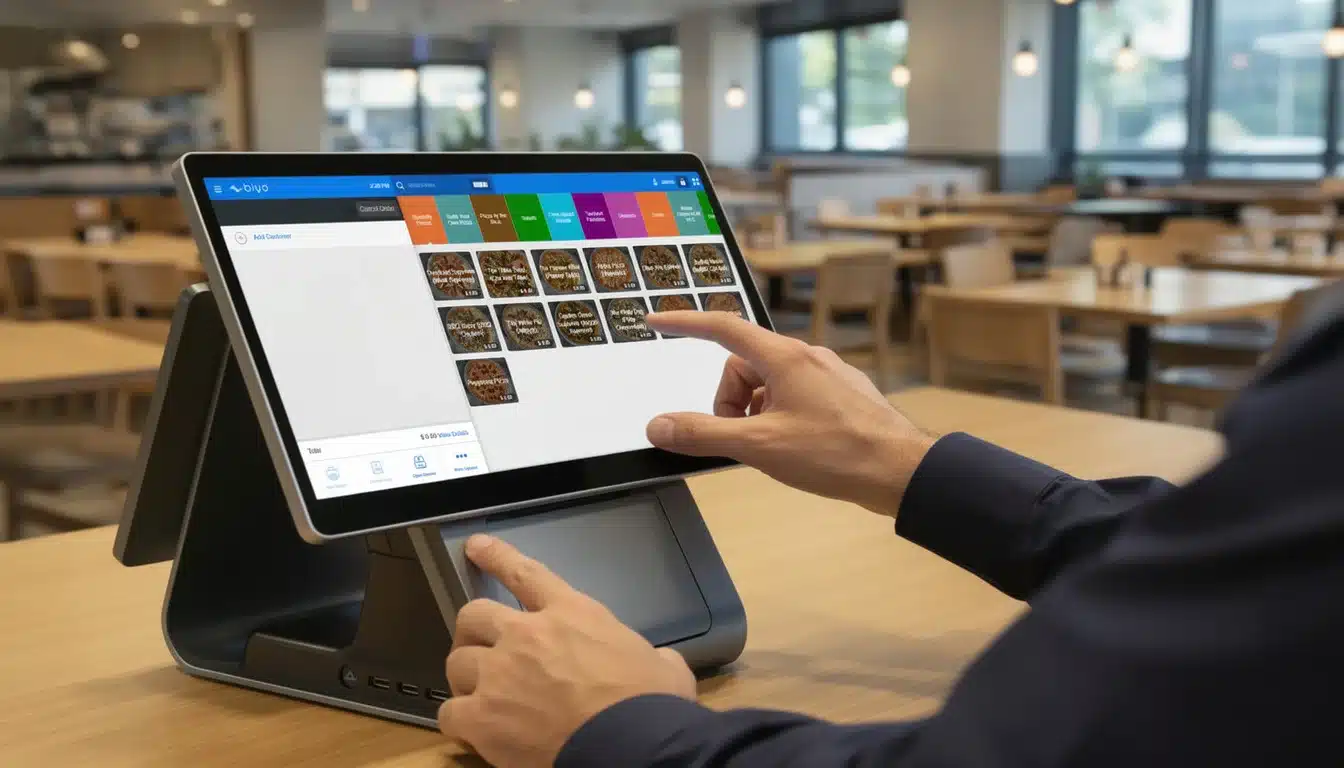
Managing profit margins becomes easier when restaurant owners have access to accurate financial data. Biyo POS provides powerful tools that help fast food businesses track sales, monitor food costs, manage payroll, and analyze profitability in real time.
By using Biyo POS, operators can generate detailed financial reports, identify cost trends, and make smarter decisions about pricing and operations. These insights help restaurants improve margins, reduce waste, and build a more sustainable business.
Frequently Asked Questions
What is a good profit margin for fast food restaurants?
A good net profit margin typically ranges from 5% to 10%, while gross profit margins often fall between 60% and 70%.
How can fast food businesses reduce food costs?
Food costs can be reduced by negotiating supplier pricing, improving portion control, and using inventory management systems to minimize waste.
Why is break-even analysis important?
Break-even analysis helps determine the minimum sales revenue needed to cover operating costs, allowing restaurant owners to set realistic financial targets.
What tools help calculate restaurant profit margins?
POS systems with financial reporting, payroll management software, and expense tracking tools help provide accurate data for margin calculations.
Can increasing menu prices improve margins?
Yes. Strategic price adjustments can improve margins, but changes should be monitored carefully to ensure they do not negatively affect sales volume.