Starting a mobile bubble tea truck is one of the most accessible ways to enter the growing boba industry. Compared to opening a traditional storefront, a mobile operation requires lower startup costs, offers greater flexibility, and allows entrepreneurs to bring their products directly to customers. From college campuses and food truck parks to festivals and private events, a bubble tea truck can reach customers wherever demand exists.
The popularity of bubble tea continues to expand globally as consumers seek customizable beverages, unique flavors, and social-media-friendly experiences. Mobile food businesses are also benefiting from changing consumer preferences, with many customers appreciating the convenience of grabbing specialty drinks while on the move.
However, success requires more than simply serving great drinks. Entrepreneurs must carefully plan their concept, secure permits, select equipment, develop a profitable menu, establish strong branding, and implement systems that support efficient operations.
This guide explains how to start a mobile bubble tea truck, from business planning and equipment selection to menu design, marketing, and day-to-day management.
Table of Contents
- Planning Your Mobile Bubble Tea Business
- Essential Equipment for a Boba Truck
- Designing a Winning Bubble Tea Menu
- Branding and Marketing Your Truck
- Managing Operations and Payments
- How Biyo POS Helps Mobile Boba Entrepreneurs
- Frequently Asked Questions
Planning Your Mobile Bubble Tea Business
Every successful mobile bubble tea truck starts with a solid business plan. Careful preparation helps reduce risk, improve operational efficiency, and create a stronger foundation for long-term growth.
Understanding Market Demand
Before investing in a truck or equipment, it is important to evaluate local demand. Research areas with consistent foot traffic such as university campuses, business districts, shopping centers, community events, and food truck gatherings. These locations often provide strong opportunities for mobile beverage businesses.
Studying competitors can also provide valuable insight into customer preferences. Understanding which drinks sell well, what price points customers accept, and which menu gaps exist can help differentiate your concept.
Consumer trends show that younger customers often enjoy customization, seasonal flavors, and visually appealing drinks. Building your menu around these preferences can help attract repeat business and strengthen brand loyalty.
Securing Permits and Licenses
Operating a mobile food business requires compliance with local regulations. Permit requirements vary by city and region, but most mobile operators need business licenses, food service permits, health department approvals, and vehicle-related documentation.
Many municipalities also regulate where food trucks may park and operate. Understanding local restrictions early helps avoid costly delays or compliance issues later.
Insurance is another critical consideration. Liability coverage, vehicle insurance, and equipment protection help safeguard the business against unexpected events and may be required for participation in certain festivals or private events.
Choosing the Right Truck
The vehicle itself serves as both a production facility and a marketing tool. Entrepreneurs may choose to purchase a new truck, buy a used vehicle, or convert a van depending on budget and operational needs.
Interior layout plays a major role in efficiency. Staff should be able to prepare drinks, access ingredients, and process orders without unnecessary movement. A well-designed workspace helps improve speed and customer service during busy periods.
The truck exterior also functions as a moving advertisement. Strong branding, eye-catching graphics, and clear messaging help create recognition and attract customers wherever the vehicle operates.

Essential Equipment for a Boba Truck
Reliable equipment helps ensure consistent product quality, efficient operations, and a positive customer experience. Choosing the right tools from the beginning can reduce downtime and support future growth.
Refrigeration and Storage Solutions
Bubble tea ingredients such as milk, fruit, toppings, and syrups often require refrigeration. Commercial refrigerators and freezers designed specifically for mobile operations help maintain food safety while maximizing limited space.
Organized storage systems are equally important. Dry ingredients, cups, lids, straws, and packaging materials should be easily accessible during service while remaining secure during transport.
Efficient storage design improves workflow and helps reduce preparation times during peak periods.
Tea Brewing and Drink Preparation Equipment
High-quality tea forms the foundation of most bubble tea beverages. Commercial tea brewers help maintain consistency while reducing preparation time.
Blenders are essential for smoothies, fruit-based drinks, and specialty beverages. Equipment should be durable enough to handle continuous use during busy service hours.
Many operators also invest in specialized tools that support consistent drink preparation and improve overall product quality.
Cup Sealers and Service Tools
Cup sealers are one of the most recognizable elements of the bubble tea experience. Sealed cups improve portability, reduce spills, and create the familiar experience customers expect.
Additional tools such as measuring scoops, shakers, topping dispensers, and preparation stations help maintain consistency across every order.
Using standardized equipment helps protect profit margins while ensuring customers receive the same quality every time they visit.
Designing a Winning Bubble Tea Menu
A successful menu balances customer preferences, operational simplicity, and profitability. While variety is important, overly complex menus can create inefficiencies and slow service.
Building a Strong Core Menu
Classic milk teas, fruit teas, and traditional tapioca pearl beverages typically form the foundation of a bubble tea menu. These drinks appeal to a broad customer base and provide reliable sales volume.
Core menu items should be easy to prepare, consistently profitable, and representative of the brand’s identity.
Establishing strong signature drinks can also help differentiate the business from competitors.
Customization and Toppings
Customization is one of the main reasons customers enjoy bubble tea. Offering a selection of toppings such as tapioca pearls, popping boba, fruit jellies, pudding, aloe vera, and cheese foam creates a more engaging experience.
Customers also appreciate the ability to adjust sweetness levels, ice levels, and milk alternatives to match their preferences.
Providing customization options helps increase customer satisfaction while encouraging repeat visits.
Seasonal Specials and Event Menus
Seasonal beverages help keep the menu fresh and encourage customers to return regularly. Limited-time offerings can create excitement while generating additional marketing opportunities.
Popular examples include tropical fruit drinks during summer, holiday-inspired beverages during winter, or event-exclusive menu items for festivals and private functions.
Strategic menu innovation helps maintain customer interest without dramatically increasing operational complexity.
Branding and Marketing Your Truck
Strong branding helps transform a mobile bubble tea truck from a simple beverage stand into a memorable customer experience.
Creating a Distinct Visual Identity
Visual branding should reflect the personality of the business. Bright colors, memorable logos, playful graphics, and professional truck wraps help attract attention and create brand recognition.
The truck’s design should remain consistent with online branding, packaging, uniforms, and marketing materials.
Consistency strengthens customer recall and supports long-term brand development.
Building a Social Media Presence
Mobile businesses rely heavily on social media because customers need to know where the truck will be operating. Platforms such as Instagram, TikTok, Facebook, and Google Business Profiles can help communicate schedules, menu updates, and special promotions.
Visual content performs particularly well for bubble tea businesses because colorful drinks naturally encourage sharing and engagement.
Regular posting helps build community engagement and keeps customers informed about upcoming locations and events.
Promotions and Customer Loyalty
Customer loyalty programs encourage repeat business and help increase lifetime customer value. Simple rewards such as free drinks after a certain number of purchases often generate strong participation.
Promotions tied to holidays, community events, or seasonal launches can also drive additional traffic.
Word-of-mouth marketing remains one of the most effective growth channels for mobile food businesses, making customer satisfaction a key priority.
Managing Operations and Payments
Efficient operations allow mobile bubble tea businesses to serve customers quickly while maintaining profitability and consistency.
Modern Payment Processing
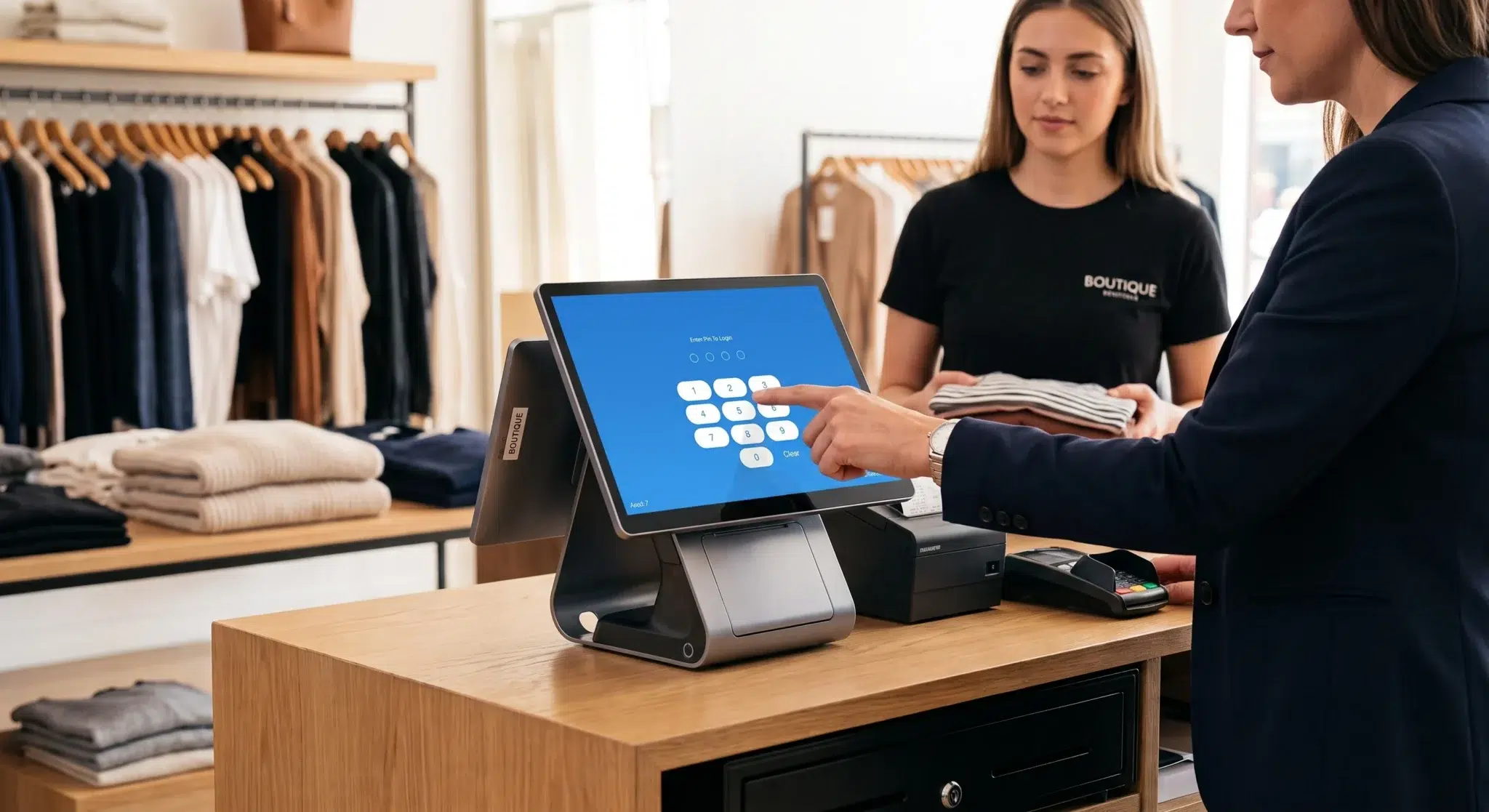
Today’s customers expect flexible payment options. Mobile businesses should accept credit cards, debit cards, contactless payments, digital wallets, and QR code payments whenever possible.
Fast checkout experiences improve customer satisfaction and help reduce lines during busy periods.
Reliable payment systems also improve reporting accuracy and simplify financial management.
Inventory Management and Supply Planning
Inventory control is essential for maintaining product availability while minimizing waste. Running out of popular toppings or tea bases can result in lost sales and disappointed customers.
Regular inventory tracking helps operators understand usage patterns, forecast demand, and reorder supplies more effectively.
Strong supplier relationships also contribute to smoother operations and more reliable inventory management.
Staff Training and Workflow Optimization
Even small mobile operations benefit from clear training programs and efficient workflows. Employees should understand drink preparation procedures, customer service standards, food safety requirements, and payment processing systems.
Assigning specific responsibilities during busy periods helps reduce confusion and improve service speed.
Well-trained teams create more consistent customer experiences while supporting operational efficiency.

How Biyo POS Helps Mobile Boba Entrepreneurs
Running a mobile bubble tea truck requires technology that can keep up with the flexibility of a business on the move. Biyo helps entrepreneurs manage sales, inventory, customer engagement, and reporting from a single platform designed for modern food service operations.
With mobile-friendly payment processing, real-time sales tracking, inventory visibility, and customer loyalty tools, Biyo POS helps mobile beverage businesses operate more efficiently while providing a better customer experience.
Whether serving customers at festivals, campuses, food truck parks, or private events, operators can access valuable business insights that support smarter decision-making and long-term growth.
If you’d like to see how Biyo can support your mobile bubble tea business, you can schedule a consultation and explore the platform’s capabilities.
Frequently Asked Questions
How much does it cost to start a mobile bubble tea truck?
Startup costs vary depending on the truck, equipment, location, permits, and branding. Many operators invest between $40,000 and $80,000 to launch a fully equipped mobile bubble tea business.
Do I need special permits to operate a bubble tea truck?
Yes. Most locations require business licenses, food service permits, health department approvals, and mobile vending permissions. Requirements vary by jurisdiction.
What are the most popular drinks for a bubble tea truck?
Classic milk teas, fruit teas, brown sugar beverages, smoothie-based drinks, and customizable boba drinks remain among the most popular menu categories.
Can a bubble tea truck cater private events?
Yes. Many mobile bubble tea businesses generate significant revenue through weddings, corporate events, festivals, parties, and community gatherings.
How important is social media for a mobile bubble tea business?
Social media is extremely important because it helps customers locate the truck, learn about promotions, view menu updates, and engage with the brand.
What equipment is essential for a bubble tea truck?
Most operators require refrigeration units, tea brewers, blenders, cup sealers, storage systems, preparation stations, and payment processing equipment.
Can a mobile bubble tea truck be profitable?
Yes. With strong locations, effective branding, efficient operations, and consistent product quality, many mobile bubble tea businesses can achieve healthy profit margins and long-term growth.