Opening a restaurant in West Virginia can be an exciting and rewarding venture, but it requires careful planning and attention to many important details. From understanding local regulations and obtaining the necessary business licensing to crafting a solid marketing strategy and engaging with the community, every step plays a vital role in building a successful food business. Whether you’re inspired by the rich West Virginia hospitality industry or looking to contribute to the state’s growing culinary scene, this guide offers a detailed roadmap for launching your restaurant startup in WV.
Table of Contents
- Planning and Research for Your WV Restaurant
- Legal Requirements and Permits in West Virginia
- Location Scouting and Restaurant Design
- Operations, Supplier Connections, and Equipment Purchasing
- Marketing Strategy and Community Engagement
- Frequently Asked Questions
Planning and Research for Your WV Restaurant
Before diving into the exciting world of opening a restaurant in West Virginia, the foundation of your success will be laid during thorough planning and research. Understanding your customer base, analyzing the competition, and choosing the right concept are essential early steps.
Market Research and Customer Demographics
Understanding the local customer demographics in West Virginia is key to tailoring your restaurant concept. The state offers a diverse mix of urban and rural populations, with significant differences in age, income, and lifestyle between areas like Charleston, Morgantown, and smaller towns such as Beckley or Lewisburg. For instance, a restaurant near West Virginia University in Morgantown will likely cater to younger customers who prefer fast-casual dining and budget-friendly options. Conversely, restaurants in more suburban or rural areas may attract families and older patrons seeking traditional, home-style cooking.
Conducting detailed market research involves collecting data through surveys, focus groups, or even informal conversations with locals. Analyzing census data and studying purchasing habits can uncover important trends. For example, a high concentration of retirees in a community might signal demand for lighter, health-conscious menu items, while a community with many working professionals could favor quick lunch options and evening fine dining.
Furthermore, understanding customer preferences can shape your menu development, staffing choices, and marketing efforts. By customizing your concept to meet local expectations, you build stronger connections with your audience and increase your chance of long-term success. Imagine launching a Southern-style barbecue joint in a region where comfort food is beloved, or a vegan café where health trends are on the rise. These insights come only from comprehensive market research tailored to West Virginia’s unique customer demographics.
Competitive Analysis in the West Virginia Hospitality Industry
Analyzing your competition is crucial before opening a restaurant in West Virginia. The local hospitality industry features a mix of longstanding establishments and innovative newcomers. Knowing who your competitors are and what they offer helps you position your restaurant effectively. For example, if a downtown Charleston area already has several Italian eateries, introducing a Mediterranean fusion restaurant might fill an untapped niche.
Visiting competitor restaurants to observe their ambiance, service style, and menu pricing provides valuable firsthand insight. Reading online reviews can highlight what customers appreciate or dislike about these businesses. You might discover that a popular local diner excels in customer service but has a limited vegetarian menu, indicating an opportunity for your restaurant to stand out by catering to vegetarian or vegan diners.
Competitive analysis also helps in financial planning. Understanding competitors’ pricing structures guides your own menu pricing to balance profitability and appeal. It also informs your marketing strategy—if competitors use social media heavily, you may want to adopt or enhance your online presence to keep pace. In the competitive West Virginia restaurant market, being well-informed helps you avoid pitfalls and highlights opportunities to innovate or specialize.
Menu Development and Conceptualization
Developing a menu is more than deciding what dishes to serve; it defines your restaurant’s identity and directly impacts your financial health. For opening a restaurant in West Virginia, incorporating regional flavors and seasonal ingredients can resonate deeply with locals. For example, including Appalachian specialties such as ramps, trout, or pepperoni rolls can create an authentic experience that attracts both residents and tourists.
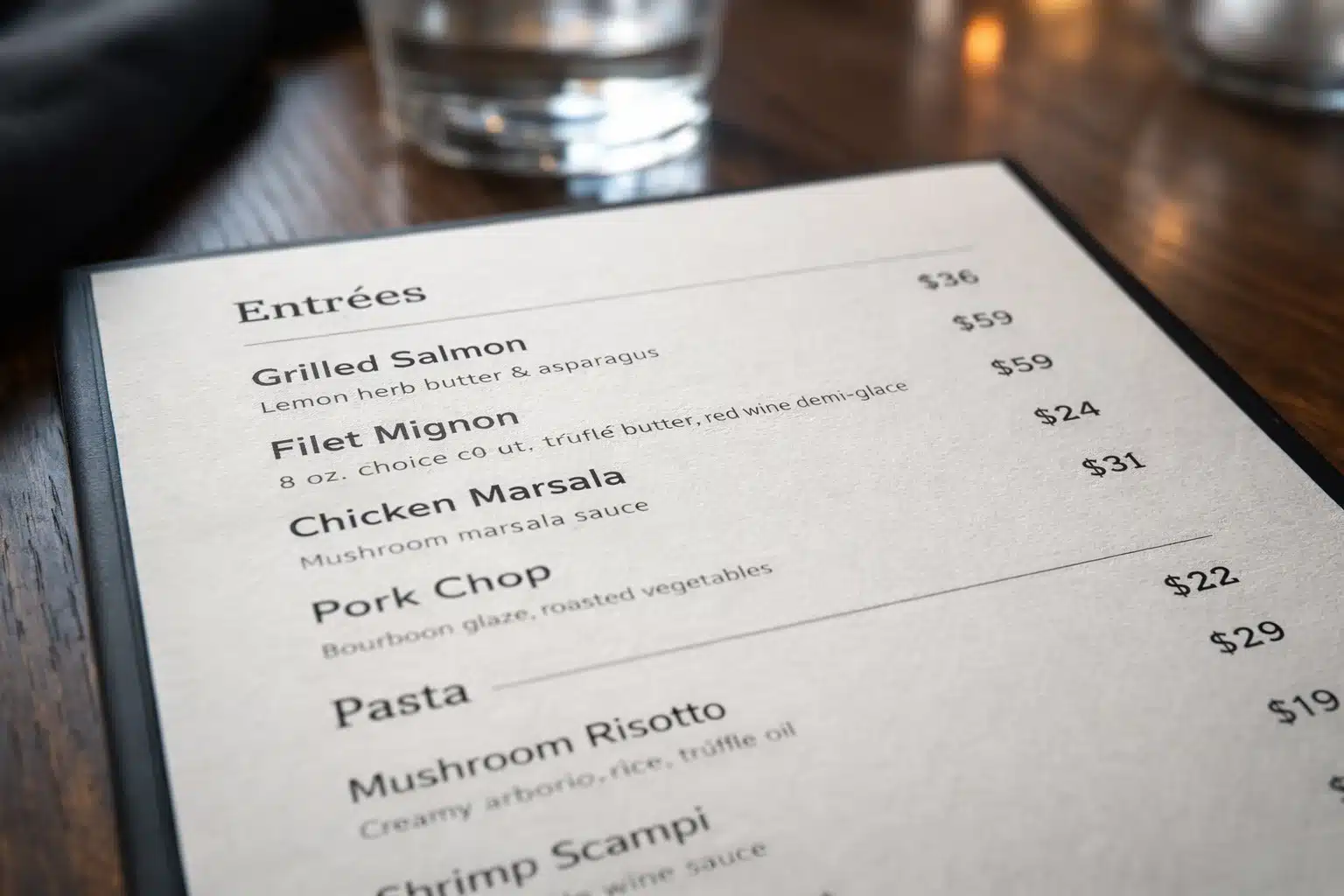
Pricing your menu items requires a careful balance between ingredient costs, preparation time, and what your target customers are willing to pay. A good rule of thumb is to calculate food cost percentages and factor in overhead to ensure profitability. For instance, if your cost for a signature dish is $5, pricing it at around $15–$18 allows room for profit while remaining competitive. Testing recipes for portion sizes and taste ensures consistency and helps control waste, a key factor in managing costs.
Menu variety should consider dietary preferences and trends without overwhelming the kitchen. Offering gluten-free, vegetarian, or vegan options widens your appeal and reflects current dining habits. Seasonal menu changes not only keep offerings fresh but also allow you to take advantage of local harvests, reducing costs and boosting quality. For example, a spring menu might feature more fresh salads and lighter fare, while fall could highlight hearty stews and root vegetables.
Legal Requirements and Permits in West Virginia
Opening a restaurant in West Virginia requires navigating a maze of legal requirements, licenses, and permits. Ensuring compliance from the outset protects your business and helps you avoid costly delays or fines.
Business Licensing and Registration
Starting with business licensing, you need to register your restaurant with the West Virginia Secretary of State. Choosing the right business structure—such as an LLC, corporation, or sole proprietorship—affects your taxes, liability, and operational flexibility. Many restaurant owners opt for an LLC due to its liability protection and tax advantages. For instance, forming an LLC separates your personal assets from business risks, providing peace of mind in case of legal issues.
You must also register your trade name if it differs from your legal business name. This Doing Business As (DBA) registration helps customers recognize your brand and is often required for opening business bank accounts or processing payments. Securing an Employer Identification Number (EIN) from the IRS is another essential step, especially if you plan to hire employees or file taxes separately from your personal income.
Failure to complete these registrations can result in penalties or difficulties opening business accounts and obtaining loans. Local chambers of commerce or small business development centers in West Virginia offer resources and workshops to assist entrepreneurs with this process, ensuring your new restaurant starts on the right legal footing.
Health Permits and Food Safety Training
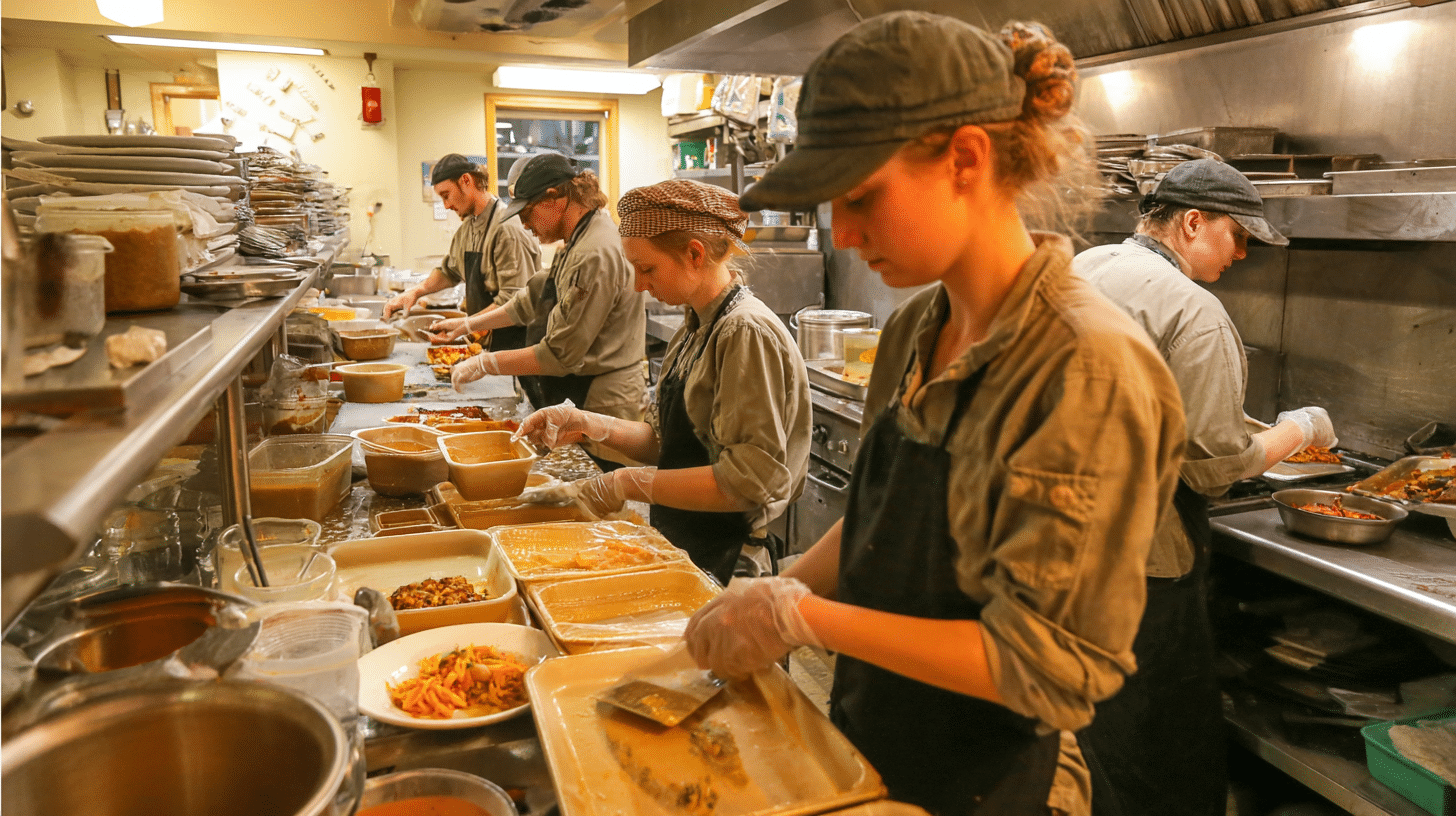
Health permits are critical to legally operate a restaurant in West Virginia. The state Department of Health and Human Resources inspects your premises to ensure compliance with sanitation and food safety standards. These inspections cover everything from proper food storage temperatures to pest control and employee hygiene practices. For example, your walk-in refrigerator must maintain a temperature below 41°F to prevent bacterial growth.
To maintain high health standards, all staff handling food must complete certified food safety training. This training educates employees on preventing cross-contamination, proper handwashing techniques, and safe food preparation methods. Many training programs culminate in a food handler’s card or certification required by the state. For example, a chef trained in safe thawing and cooking techniques reduces the risk of foodborne illness outbreaks.
Restaurants that fail health inspections face fines or closure until issues are resolved. Therefore, investing in ongoing staff education and routine self-inspections helps maintain compliance and builds customer confidence in your establishment’s safety and professionalism.
Zoning Laws and Tax Requirements
Zoning laws govern where restaurants can operate within West Virginia. Local zoning boards define commercial, residential, and mixed-use areas, often with specific restrictions for food businesses. Before signing a lease, verify with your city or county zoning office that your intended location is approved for restaurant use. For example, some residential zones prohibit commercial cooking operations or require special permits for grease traps and waste disposal.
Tax obligations include collecting and remitting state sales tax on meals and beverages. West Virginia’s sales tax rate is 6%, but additional local taxes may apply. Registering with the West Virginia State Tax Department ensures you meet these requirements. Additionally, payroll taxes for employees, including unemployment and workers’ compensation, must be filed regularly.
Understanding and budgeting for these tax and regulatory costs upfront helps avoid surprises. Consulting with a local accountant familiar with West Virginia’s restaurant tax laws is advisable to ensure compliance and optimize financial planning.
Location Scouting and Restaurant Design
The physical location and interior design of your restaurant greatly influence its success. West Virginia’s diverse communities offer a range of opportunities, but choosing the right spot and creating an appealing environment require thoughtful consideration.
Location Scouting and Supplier Connections
Scouting the right location is a multi-faceted process. Beyond rent cost and foot traffic, consider parking availability, visibility from main roads, and proximity to complementary businesses like theaters or shopping centers. For example, a restaurant near a busy university campus might thrive on student traffic but require extended hours to meet demand.
Supplier connections also influence location choice. Being close to reliable local suppliers reduces delivery times and ensures freshness, which is particularly important for perishable goods like produce and seafood. West Virginia’s agricultural base offers abundant local suppliers, from dairy farms to vegetable growers, who can provide high-quality ingredients directly to your kitchen.
Building relationships with these suppliers fosters collaboration and often results in favorable pricing or exclusive seasonal products. For example, a farm-to-table restaurant might partner with a local orchard to feature fresh apple desserts during fall, enhancing your menu’s appeal and authenticity.
Restaurant Design and Equipment Purchasing
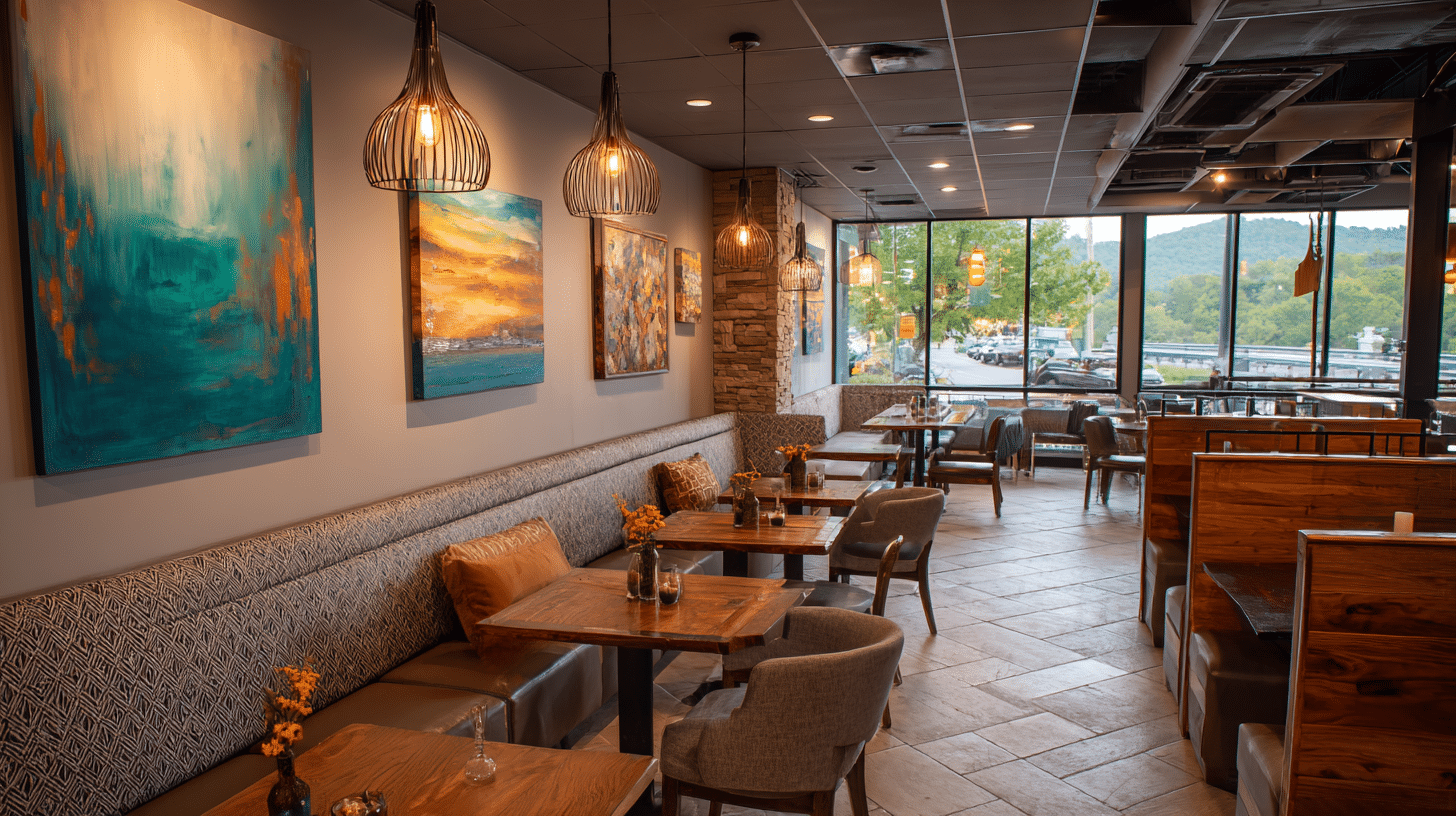
The design of your restaurant sets the tone for your customer experience and affects operational efficiency. Choosing a style that complements your concept—such as rustic Appalachian charm or sleek modern minimalism—creates an inviting atmosphere. For instance, incorporating reclaimed wood and local artwork can enhance a West Virginia-themed eatery’s authenticity.
Functionality is just as important as aesthetics. The kitchen layout should facilitate smooth workflow, from food prep to plating, reducing staff movement and speeding service. Selecting durable, easy-to-clean surfaces improves sanitation and longevity. Similarly, the dining area layout must balance table spacing for comfort with maximizing seating capacity.
Investing in quality kitchen equipment tailored to your menu is essential. From ovens and fryers to refrigeration units and dishwashers, each piece affects food quality and operational speed. Modern POS systems, like Biyo POS, integrate with kitchen printers and inventory controls, streamlining orders and minimizing errors. Well-chosen equipment and thoughtful design combine to create a professional, efficient restaurant environment.
Waste Management and Environmental Considerations
Effective waste management is both an operational necessity and a way to demonstrate environmental responsibility. Restaurants produce organic waste, packaging materials, and sometimes hazardous waste like cooking oil. Establishing a clear waste disposal plan ensures compliance with local West Virginia regulations and prevents environmental harm.
Implementing recycling programs for glass, paper, and plastics reduces landfill impact and can lower disposal fees. Some West Virginia counties offer commercial recycling support or partnerships with waste haulers who specialize in food service waste. For example, separating compostable waste for pickup by local farms or community gardens supports sustainability efforts.
Beyond regulations, customers increasingly expect eco-friendly practices. Using biodegradable packaging, reducing food waste through careful inventory management, and energy-efficient appliances all contribute to a greener restaurant. Highlighting these initiatives in your marketing can attract environmentally conscious diners and strengthen your restaurant’s brand.
Operations, Supplier Connections, and Equipment Purchasing
Efficient operations keep your restaurant running smoothly from day one. Hiring the right team, establishing supplier relationships, and investing in modern technology will set your business up for success in West Virginia’s dynamic market.
Staffing and Food Safety Training
Recruiting qualified staff is vital to delivering excellent service. When opening a restaurant in West Virginia, focus on candidates with experience in your concept’s cuisine and service style. For instance, a fine-dining establishment requires servers skilled in wine pairings and formal etiquette, while a casual diner benefits from friendly, fast-paced staff.
Food safety training goes beyond basic certifications. Regular, hands-on training sessions ensure employees understand critical issues like avoiding cross-contamination and maintaining proper hygiene. This is especially important when handling allergens or preparing raw ingredients. For example, training kitchen staff on preventing gluten cross-contact protects customers with celiac disease.
Strong staff retention comes from fostering a positive workplace culture with clear communication and recognition. Cross-training employees in multiple roles increases operational flexibility during busy shifts or unexpected absences. Well-trained, motivated teams improve customer satisfaction and reduce turnover costs, crucial for a new restaurant’s success.
Supplier Connections and Inventory Management
Building strong supplier relationships ensures you receive consistent, quality ingredients vital for your menu. Regular communication with suppliers allows you to anticipate price changes, seasonal availability, and delivery schedules. For example, establishing a weekly delivery of fresh greens from a local farm guarantees freshness and supports your commitment to local sourcing.
Inventory management software integrated with Biyo POS can track ingredient usage and alert you when stock is low. This prevents over-ordering and spoilage, saving money and reducing waste. Setting par levels for each item based on sales history helps maintain optimal inventory without tying up cash in excess supplies.
Diversifying suppliers can mitigate risks from disruptions such as weather or transport delays. Keeping backup vendors ensures you maintain menu consistency. Furthermore, negotiating contracts with key suppliers may provide cost savings or priority during peak seasons, vital for smooth restaurant operations.
Restaurant Financing and Use of Technology
Obtaining financing to open a restaurant in West Virginia can involve multiple sources, including traditional bank loans, SBA-backed loans, private investors, or crowdfunding. Preparing detailed financial projections with estimated startup costs, monthly expenses, and revenue forecasts helps lenders and investors assess your business potential. For example, outlining costs for kitchen equipment, staffing, and marketing shows a realistic understanding of your financial needs.
Integrating technology such as Biyo POS streamlines financial management by tracking sales, managing payroll, and automating tax calculations. Real-time reporting helps you make informed decisions and quickly identify areas for improvement. For instance, pinpointing which menu items have high sales but low margins can guide pricing adjustments or promotional efforts.
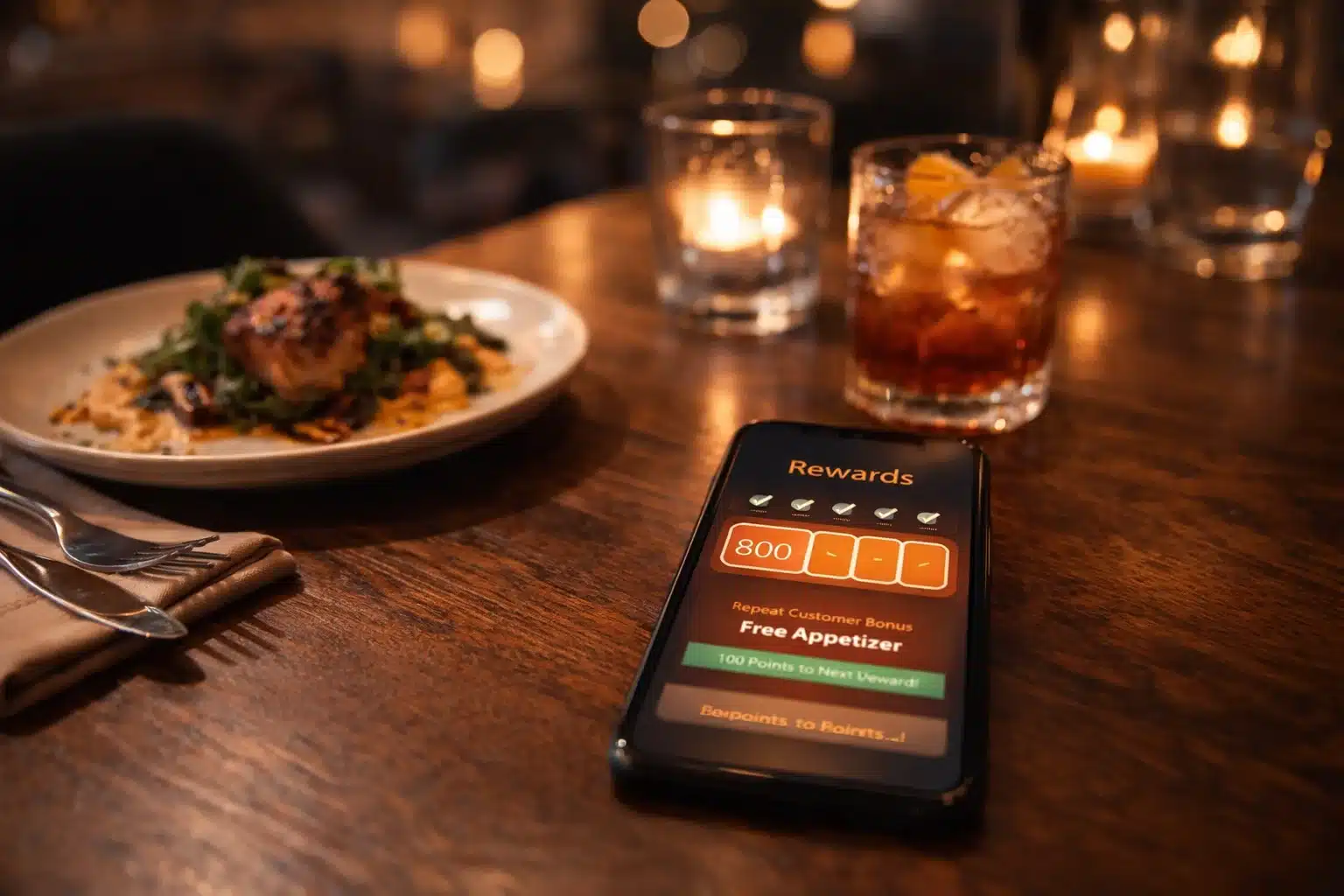
Technology also supports operational efficiency by simplifying order management and customer data collection. Modern POS systems often include mobile payment options, loyalty programs, and online ordering capabilities, meeting the expectations of today’s diners. These tools give your restaurant a competitive edge and contribute to sustained growth in the West Virginia market.
Marketing Strategy and Community Engagement
Effective marketing and active community involvement can make your restaurant a beloved local hotspot. West Virginians value businesses that contribute to the community, so building strong relationships is essential.
Marketing Strategy and Grand Opening
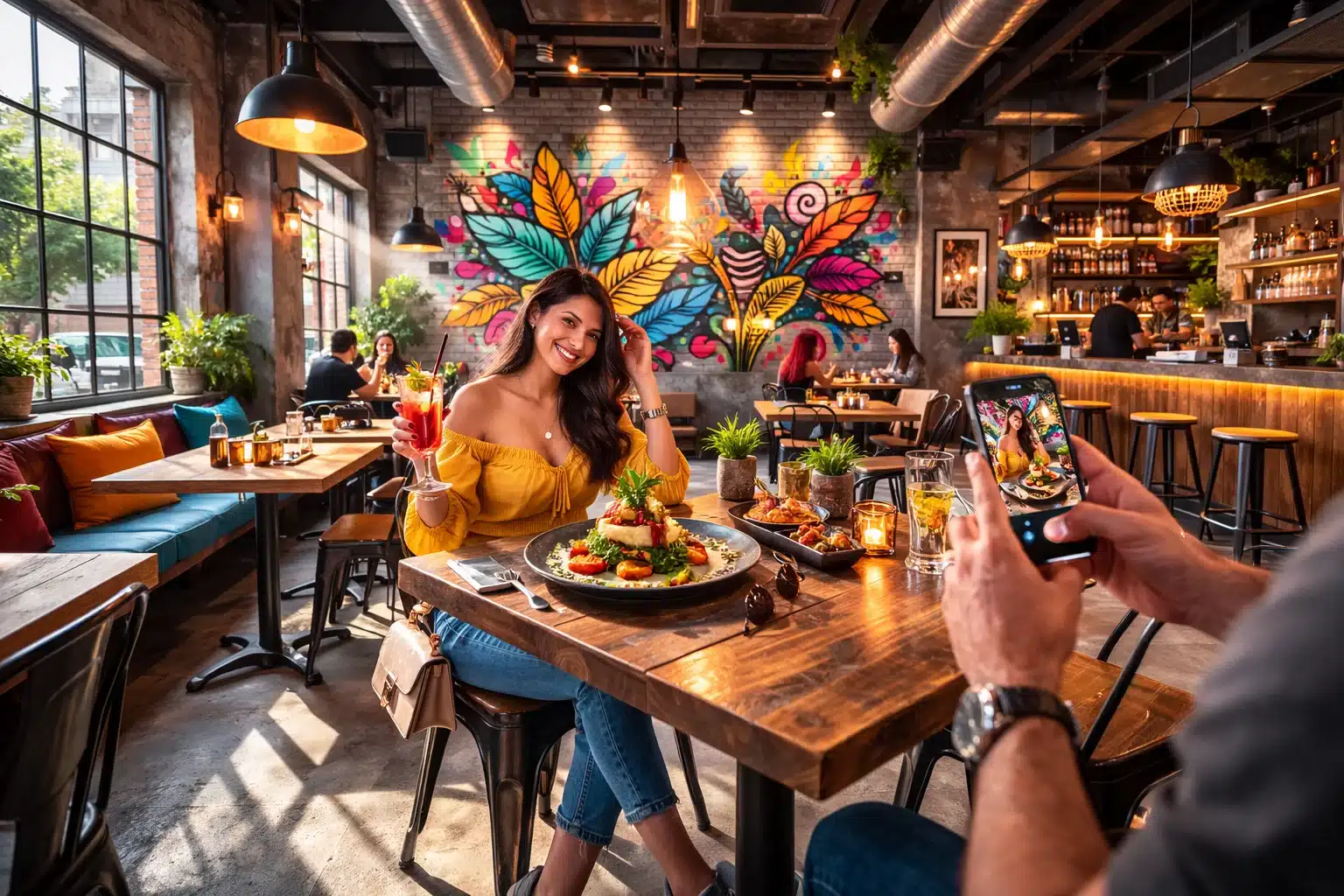
Crafting a marketing strategy for your new restaurant starts with identifying your target audience and the best ways to reach them. Social media platforms like Instagram and Facebook are powerful tools for sharing mouth-watering photos, announcing special events, and creating engagement through polls or giveaways. For instance, hosting a contest for a free meal on opening night can generate excitement and shares among followers.
Planning a memorable grand opening event helps attract local media attention and brings foot traffic. Consider partnering with local musicians or artists to create a festive atmosphere. Offering limited-time discounts or exclusive menu tastings incentivizes customers to try your restaurant and spread the word. Don’t forget to collect contact information during the event to build your customer database for future promotions.
Ongoing marketing efforts should include email newsletters, loyalty programs, and community partnerships. Monitoring the effectiveness of each campaign through your POS system’s reporting features enables you to allocate resources where they deliver the best results. A well-executed marketing plan establishes your restaurant’s brand and drives repeat business in West Virginia’s competitive food industry.
Community Engagement and Local Partnerships
West Virginia’s communities appreciate businesses that invest locally and support neighborhood initiatives. Getting involved in charity events, sponsoring local sports teams, or hosting fundraisers creates goodwill and increases your restaurant’s visibility. For example, donating a percentage of grand opening proceeds to a local food bank not only supports the community but also resonates with socially conscious customers.
Building partnerships with nearby businesses creates mutual benefits. Collaborations might include cross-promoting with local breweries, hosting joint events, or offering discounts to employees of nearby companies. These efforts expand your reach and foster a network of local support that can sustain your business during slow periods.
Community engagement also means listening and adapting to local needs and feedback. Hosting tasting events or surveys invites customers to contribute ideas, making them feel valued and connected. This relationship-building is a powerful marketing tool that turns first-time diners into loyal patrons who champion your restaurant within West Virginia’s neighborhoods.
Leveraging Customer Feedback and Reviews
Encouraging and managing customer feedback is vital for continuous improvement. Positive reviews on platforms like Yelp and Google attract new customers, while constructive criticism highlights opportunities to enhance your service or menu. For example, if multiple customers mention slow service on busy nights, you might adjust staffing or streamline kitchen processes.
Responding promptly and politely to reviews, whether positive or negative, demonstrates your commitment to customer satisfaction. Thanking reviewers or addressing concerns publicly shows transparency and care, which can boost your reputation and build trust.
Collecting feedback through comment cards, online surveys, or direct conversations also provides insights that might not appear in public reviews. Combining these sources of information helps you identify trends and prioritize improvements. Using your POS data alongside customer feedback creates a comprehensive picture of your restaurant’s strengths and weaknesses, guiding your decisions for growth in West Virginia’s competitive market.
Biyo POS: Your Partner in Opening a Restaurant in West Virginia
When opening a restaurant in West Virginia, choosing the right point-of-sale system is essential for smooth operations. Biyo POS offers a comprehensive platform tailored for restaurants, providing inventory management, sales tracking, staff scheduling, and customer engagement tools. Its user-friendly interface simplifies daily tasks, allowing you to focus on delivering great food and service.
With Biyo POS, you can easily analyze sales data, manage supplier orders, and execute targeted marketing campaigns—all from one system. This integrated approach helps West Virginia restaurateurs reduce costs and improve efficiency, giving your business a competitive edge.
Whether you’re a new startup or an established eatery expanding your presence, Biyo POS supports your journey toward successful restaurant ownership in West Virginia.
Frequently Asked Questions
What permits do I need to open a restaurant in West Virginia?
You will need a business license, health permits from the Department of Health and Human Resources, and comply with local zoning laws. Food safety training for your staff is also mandatory.
How important is location when opening a restaurant in West Virginia?
Location is crucial because it affects customer accessibility, visibility, and supplier logistics. Choosing the right location that fits your concept and budget increases your chances of success.
What are some tips for hiring staff in a new WV restaurant?
Hire experienced, motivated individuals aligned with your values. Provide thorough food safety training and consider cross-training employees to increase flexibility and efficiency.
How can I finance my restaurant startup in West Virginia?
Explore options like bank loans, SBA programs, and local grants. Preparing a detailed business plan with financial projections improves your chances of securing funding.
How can Biyo POS help my new restaurant?
Biyo POS streamlines operations by integrating sales, inventory, and customer management. Its features help improve efficiency and provide valuable insights to grow your business.