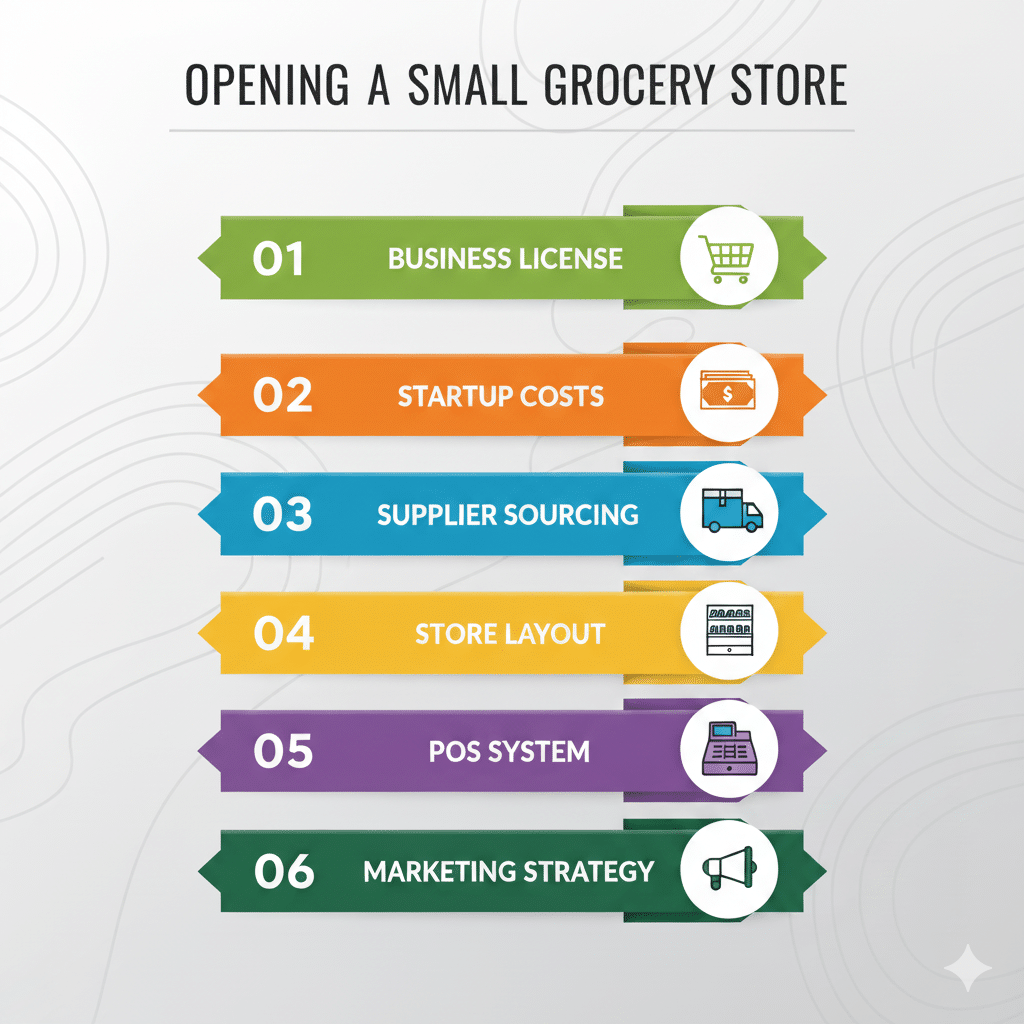
Opening a small grocery store is one of the most rewarding ventures for aspiring entrepreneurs who want to serve their community while building a profitable business. From navigating local regulations to managing supplier relationships, the process requires careful planning, persistence, and the right tools. By following a step-by-step strategy, you can turn your dream of owning a grocery shop into a sustainable small retail business. This guide provides a detailed breakdown of the key steps, including budgeting, compliance, store layout, and customer engagement, to help you launch with confidence.
Table of Contents
- Planning and Legal Requirements
- Budgeting and Startup Costs
- Store Layout and Equipment Setup
- Operations, Staffing, and Inventory
- Marketing and Community Engagement
- Why Biyo POS Can Help Your Grocery Store
- FAQ
Planning and Legal Requirements
Before opening a small grocery store, you need to build a strong foundation by understanding the legal framework and compliance needs in your area. Careful preparation during this stage will protect your investment and help avoid costly delays later. Every grocery business must address permits, licenses, and zoning issues before opening its doors to the public.
Securing a Business License
A business license is the first official step when opening a small grocery store. Without one, you cannot legally operate, which can result in fines or shutdowns. The type of license you need depends on your local government’s requirements, but typically includes a general business license and a seller’s permit if you plan to collect sales tax.
To obtain a license, you will need to submit your business name, location, ownership details, and often a registration fee. Some municipalities may also require fingerprinting or background checks. It’s important to apply well in advance because approval timelines can vary significantly by city or county.
Once granted, keep your license in a visible place inside your store. Many small store owners forget that licenses must be renewed yearly or biannually. Mark renewal dates in your calendar so your business remains compliant at all times. Beyond compliance, displaying your license gives customers confidence that they are shopping in a legitimate, trustworthy business.
Navigating Local Regulations
Every region enforces its own set of local regulations for grocery businesses. For instance, health permits from the local health department are mandatory since you will handle food. Inspectors may visit your store regularly to verify sanitation, food storage, and employee hygiene. These inspections protect public health and build consumer trust in your store’s quality standards.
Zoning laws are another critical factor. You must ensure that your chosen location is zoned for retail grocery operations. Opening a grocery store in a residential-only zone, for example, could result in legal issues or forced relocation. Contact your city’s zoning office to confirm before signing a lease. Ignoring zoning laws can lead to heavy fines, loss of investment, and delays that derail your opening timeline.
Beyond zoning and health codes, some jurisdictions may require special permits for signage, parking, or waste disposal. A grocery store generates considerable packaging waste, so municipalities often have strict disposal requirements. Staying informed about these regulations will safeguard your operations and reputation. Keeping detailed records of compliance activities can also prove invaluable during audits or investor reviews.
Obtaining Health and Safety Permits
Health permits are vital when opening a small grocery store, especially if you plan to sell perishable items like dairy, meat, and fresh produce. Inspectors will check your refrigeration units, food storage practices, and employee handling procedures. Passing inspections is not just about compliance; it ensures your customers trust the quality and safety of your products.
Safety permits may also include fire inspections to ensure your store has proper exits, extinguishers, and smoke detectors. Grocery stores with cooking sections or bakeries require even stricter compliance with fire codes. Insurance providers may also request safety permits before issuing coverage. This step protects both your physical assets and the people who work and shop in your store.
Maintaining records of your health and safety inspections is recommended. These documents protect you during audits and serve as evidence of your commitment to customer safety. A clean compliance record also builds credibility with suppliers and lenders when seeking financing. By prioritizing safety, you create a foundation for sustainable growth and community trust.

Budgeting and Startup Costs
Careful financial planning is essential to transform your vision into reality. Opening a small grocery store involves numerous expenses, ranging from leasing a location to stocking initial inventory. Without a detailed budget, you risk overspending before your business even opens.
Estimating Startup Costs
The startup costs for a grocery store can vary widely depending on size, location, and product range. On average, entrepreneurs can expect to spend anywhere from $50,000 to $150,000 on initial expenses. These costs typically include rent deposits, construction or renovation, equipment purchases, and legal fees.
Refrigeration units and shelving setup are often the most significant equipment expenses. For example, commercial refrigeration systems can cost tens of thousands of dollars depending on capacity and efficiency. Shelving, shopping carts, and checkout counters also add to the upfront investment. If you plan to include specialty sections like bakeries or delis, costs increase further.
Another critical expense is your POS system. A reliable system will not only process payments but also track inventory and sales data. Investing in advanced solutions like Biyo POS can save money in the long run by reducing errors and improving efficiency. When calculated correctly, these tools help prevent hidden expenses that can quickly overwhelm new store owners.
Exploring Financing Options
Few entrepreneurs can pay for startup costs out of pocket, making financing options crucial. Traditional bank loans are a common choice, but they often require solid credit history and collateral. Small business grants may also be available through local or federal programs, especially for minority or women-owned businesses. Taking advantage of such programs reduces your reliance on debt financing.
Other options include seeking investors or forming partnerships to share costs. Crowdfunding platforms have also gained popularity, allowing entrepreneurs to raise money directly from community supporters. These methods not only provide funding but also build an early customer base invested in your success. Each financing method has advantages and risks, so weigh them carefully before committing.
When negotiating loans or investment terms, present a clear business plan that outlines your projected revenue and expenses. This demonstrates professionalism and increases the likelihood of securing favorable terms. Lenders and investors want to see realistic growth forecasts, a clear repayment plan, and proof of demand in your target market. Strong preparation puts you in a position of strength when negotiating financing.
Building a Realistic Budget Plan
A well-structured budget is more than just a launch requirement; it is an ongoing management tool. Your budget should cover recurring expenses such as rent, utilities, employee wages, and supplier payments. It must also account for seasonal fluctuations in sales, which are common in the grocery industry. For instance, holiday seasons may require increased inventory purchases.
Break your budget into categories like operations, marketing, and emergency reserves. Emergency funds are particularly important because unexpected expenses, like equipment repairs, can quickly disrupt cash flow. Allocating at least 10% of your startup capital to reserves is a smart strategy. This ensures your business can handle challenges without cutting into essential operations.
Use accounting software to track actual expenses against your planned budget. Regularly reviewing financial reports will help you identify inefficiencies and adjust strategies before small issues become major setbacks. A proactive budgeting approach ensures your store stays profitable long after opening day. Over time, you’ll be able to adjust your budget to reflect new goals and expansion opportunities.
Store Layout and Equipment Setup
The physical design of your grocery store directly influences customer experience and sales. An organized layout, efficient equipment, and appealing signage create an inviting atmosphere that encourages repeat visits. A strategic approach to store design ensures you maximize both space and profitability.
Designing a Customer-Friendly Layout
The layout of your store affects how customers navigate aisles and discover products. A clear flow helps shoppers find essentials while also promoting impulse purchases. For example, placing dairy and bread in the back of the store encourages customers to pass by other items before reaching them. This setup increases sales while keeping popular items easy to locate.
Plan wide aisles to accommodate carts and strollers, and ensure signage is easy to read from a distance. Lighting is also critical. Bright, warm lighting highlights fresh produce and creates a welcoming atmosphere. Even small changes in design can impact sales and customer satisfaction significantly. The goal is to create a store that feels open, clean, and enjoyable to shop in.
Consider accessibility as well. Install ramps, wide doors, and clear pathways to make your store accessible to all customers. By prioritizing convenience, you show respect for diverse shoppers while also expanding your potential customer base. A customer-friendly design transforms your store into a place where shopping feels effortless and pleasant.
Choosing Refrigeration Units and Shelving
Refrigeration units are the backbone of any grocery store. High-quality units ensure perishable goods stay fresh, reducing waste and protecting your reputation. When choosing units, balance cost with energy efficiency to save money over the long term. Walk-in coolers are ideal for back-end storage, while display coolers highlight fresh products where customers can see them easily.
Shelving setup requires equal consideration. Adjustable shelves allow flexibility as your product selection evolves. Sturdy shelves are vital because groceries often involve heavy loads. Choose materials that are easy to clean, especially in high-traffic areas like produce or dairy sections. A well-planned shelving system maximizes storage space while keeping items visually appealing.
Integrating shelving with store signage also improves navigation. Label aisles clearly and use shelf talkers to highlight promotions. An effective shelving and refrigeration strategy enhances shopping convenience while boosting sales opportunities. Good equipment not only supports efficiency but also strengthens your brand image as a professional, reliable grocery store.
Integrating a POS System
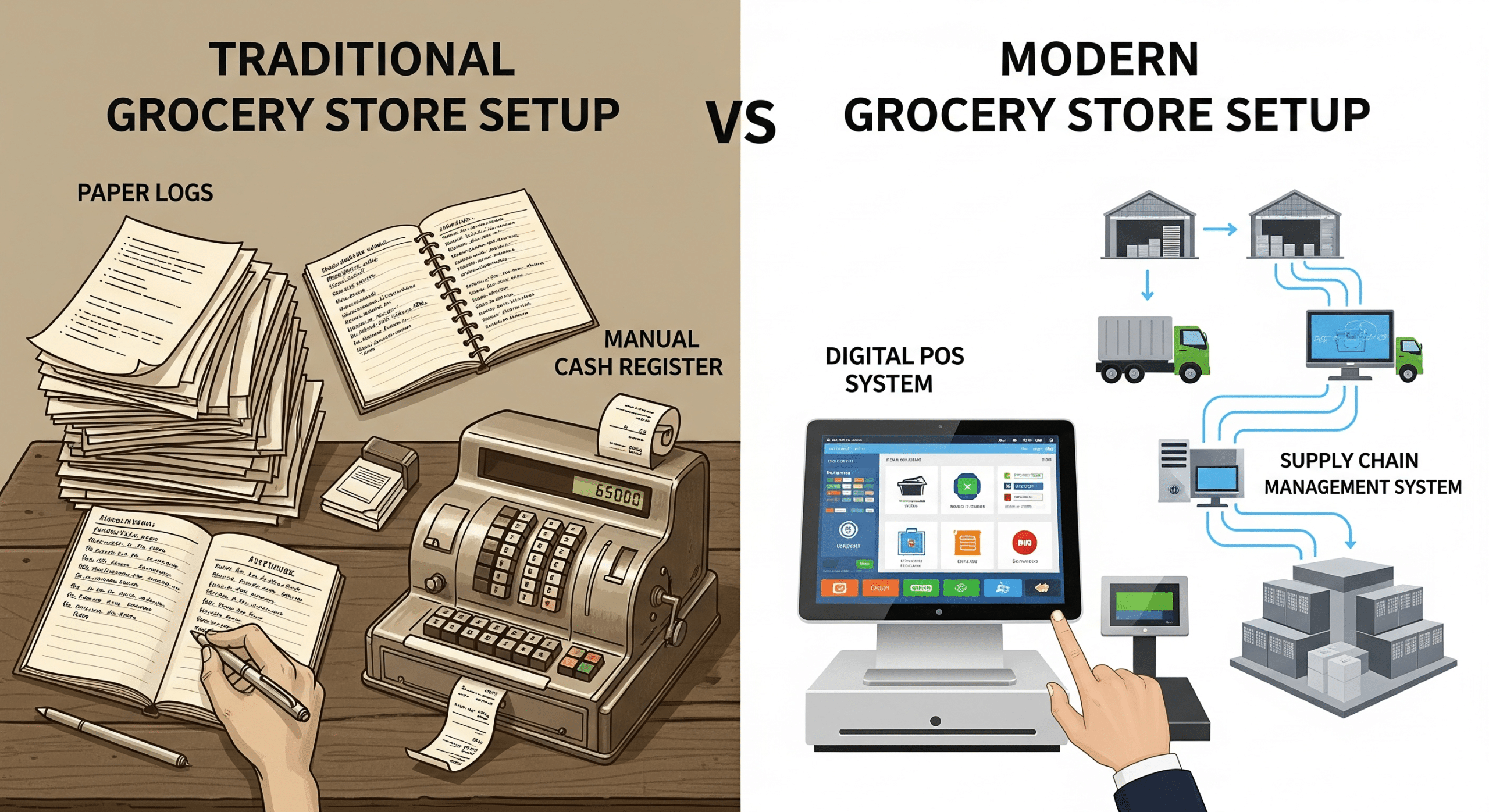
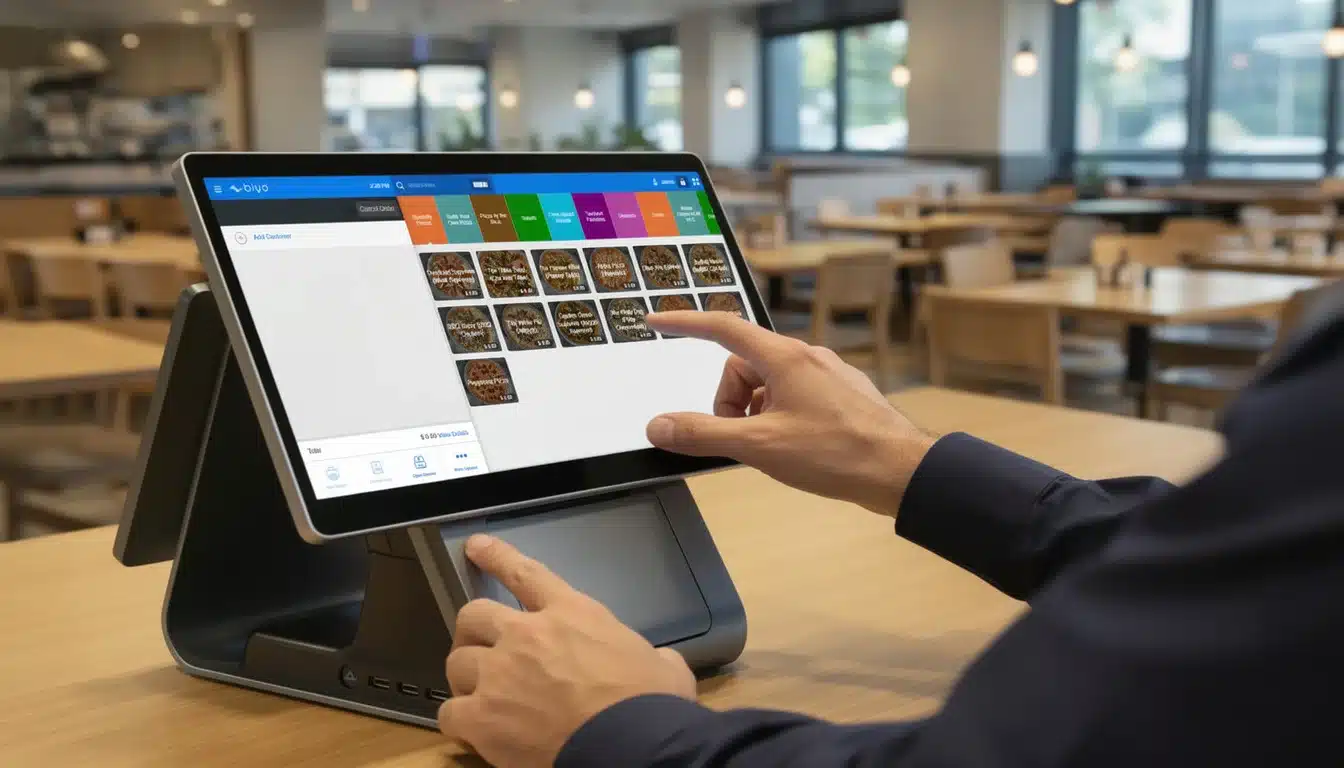
A modern POS system is much more than a cash register. It manages sales, tracks inventory, and provides valuable insights into customer behavior. When opening a small grocery store, a robust POS system reduces manual errors and improves efficiency at checkout. Faster transactions also keep customers happy and prevent long wait times.
Biyo POS, for instance, offers features specifically designed for grocery stores, such as barcode scanning, real-time sales reporting, and multi-location dashboards. With built-in inventory management, you can track stock levels, set reorder alerts, and prevent overstocking or shortages. These tools save time and reduce waste, ensuring smooth daily operations.
Advanced systems also support online ordering and loyalty programs, which attract tech-savvy shoppers. By investing in a flexible POS solution, you future-proof your store and provide a seamless shopping experience for both staff and customers. The right POS system connects every aspect of your business, from sales to marketing, into one efficient platform.
Operations, Staffing, and Inventory
Behind the scenes, smooth operations are the key to sustaining profitability. From hiring reliable employees to managing supplier relationships, every operational decision affects your store’s efficiency and customer satisfaction. Planning these elements early will help you avoid costly disruptions after opening.
Hiring and Training Staff
Your staff represents your brand to every customer who walks through the door. Hiring friendly, dependable employees is critical for building loyalty. When interviewing candidates, look for people who are not only experienced but also approachable and enthusiastic about customer service. First impressions matter, and your staff is the face of your business.
Once hired, invest in training that covers product knowledge, POS system usage, and safety procedures. Training employees to handle health regulations correctly is particularly important in food businesses. Well-trained staff reduce errors, improve customer experiences, and support compliance with local regulations. Regular refreshers also keep employees updated on best practices.
Retention is equally important. Offering competitive wages, flexible schedules, and positive work culture encourages employees to stay long term. Consistent staffing reduces turnover costs and creates a stable environment for your customers. Happy employees create happy customers, making staff management one of the most valuable investments for your store.
Developing an Inventory Management System
Inventory is the heart of a grocery store. Mismanaging it can lead to empty shelves, wasted products, or frustrated customers. Implementing an efficient inventory management system helps track stock in real time, forecast demand, and prevent losses. This ensures customers always find what they need when they shop with you.
A POS-integrated inventory system like Biyo POS simplifies tracking by automatically updating stock levels with each sale. You can set low-stock alerts to reorder before running out, reducing missed sales opportunities. Automated reporting also highlights slow-moving products, allowing you to adjust your offerings strategically. These insights save money and boost customer satisfaction.
Accurate inventory management improves cash flow by ensuring you only purchase what you can sell. It also allows you to identify seasonal patterns and stock accordingly, keeping your store relevant year-round. This system is one of the most important investments you will make for long-term success. With reliable inventory control, you build consistency and trust with customers.
Working with Suppliers
Building strong relationships with suppliers ensures you always have access to quality products. When opening a small grocery store, it’s best to diversify suppliers rather than relying on a single source. This strategy protects you against shortages and pricing fluctuations that could disrupt your business. A reliable supply chain guarantees consistency for your customers.
Negotiate favorable payment terms, such as net-30 arrangements, to maintain cash flow. Always compare multiple suppliers to find the best balance of price and quality. Local suppliers can also give you a competitive edge by offering fresher products and strengthening your community ties. Choosing the right mix of suppliers strengthens both your business and your brand.
Reliable suppliers help maintain consistent product quality, which keeps customers coming back. Clear communication, timely payments, and trust-based relationships create long-term partnerships that benefit both parties. These partnerships give you stability, support business growth, and allow you to deliver dependable service to your shoppers.
Marketing and Community Engagement
A great location and efficient operations are only part of the success equation. To thrive, your grocery store must attract and retain customers through effective marketing and community engagement. Building strong relationships with your target audience sets your store apart from competitors.
Developing a Marketing Strategy
A comprehensive marketing strategy positions your grocery store for success. Start with competition analysis to identify strengths and weaknesses in nearby stores. This helps you find opportunities to stand out, such as offering unique product selections or better service. A clear strategy provides focus and direction for all your marketing efforts.
Define your target customer demographics and tailor promotions to their preferences. Families, for example, may respond well to bulk discounts, while young professionals might value organic or specialty products. Knowing your audience ensures that your marketing investments deliver strong returns. Relevance is key to capturing attention and building loyalty.
Use both online and offline channels. Social media, local flyers, and loyalty programs all play a role in building awareness. A consistent and engaging brand message will help your store become a trusted part of the community. Marketing is not just about selling; it’s about creating meaningful connections that drive long-term growth.
Building Customer Relationships
Community engagement goes beyond advertising. Hosting events, such as cooking demonstrations or seasonal promotions, brings customers into your store and fosters loyalty. Personalized customer service also strengthens relationships and encourages repeat visits. These efforts transform occasional shoppers into regular customers.
Encourage feedback through suggestion boxes or online surveys. Listening to customer concerns and acting on them builds trust and shows that you value their input. Customers who feel heard are more likely to recommend your store to friends and family. Word-of-mouth marketing remains one of the most powerful tools for growth.
Loyalty programs can further deepen these relationships. Offering points, discounts, or rewards for frequent purchases encourages shoppers to return regularly. With POS systems like Biyo, implementing such programs is seamless and effective. The more connected customers feel to your store, the more sustainable your business becomes.
Creating Effective Store Signage
Store signage is not just about aesthetics; it guides customers and communicates your brand identity. Attractive signs make your store stand out, while clear directional signage improves the shopping experience. Good signage directly impacts sales by drawing attention to promotions and special items. The right signs create an inviting environment for customers.
Consistency is key. Use the same fonts, colors, and logos across all signage to build brand recognition. Creative displays and seasonal designs also add excitement, keeping the shopping experience fresh and engaging for customers. Every piece of signage is an opportunity to reinforce your brand and guide customer decisions.
Investing in quality signage is worth every dollar. It improves customer navigation, boosts impulse purchases, and strengthens your store’s overall image. Combined with marketing strategies, signage completes the circle of customer engagement. A strong visual identity helps your grocery store stand out in a competitive market.

Why Biyo POS Can Help Your Grocery Store
Running a small grocery store requires balancing many responsibilities, from compliance to customer engagement. This is where modern tools make all the difference. Biyo POS provides an all-in-one platform designed to simplify daily operations. With features like barcode scanning, real-time inventory tracking, and detailed sales reports, it gives you the insights you need to grow your business.
Biyo POS also supports loyalty programs, multiple locations, and seamless online ordering. Whether you are managing startup costs or planning expansion, Biyo POS scales with your needs. By choosing the right system, you free up time to focus on what matters most: serving your customers and building a successful grocery store.
FAQ
How much does it cost to open a small grocery store?
The cost of opening a small grocery store typically ranges from $50,000 to $150,000, depending on location, size, and equipment needs. Major expenses include rent, refrigeration units, shelving, POS systems, and initial inventory.
What licenses do I need to open a grocery store?
At a minimum, you’ll need a general business license, a seller’s permit for sales tax, and health permits from the local health department. Depending on your city, you may also need zoning approval, signage permits, and waste disposal authorization.
What is the best POS system for grocery stores?
A reliable POS system like Biyo POS is recommended. It offers inventory management, barcode scanning, loyalty programs, and multi-location dashboards, making it ideal for small grocery store operations.
How do I find suppliers for my grocery store?
Start by contacting wholesale distributors, local farmers, and specialty product suppliers. Building relationships with local suppliers can also help you offer fresher products and stand out from larger chain competitors.
How do I attract customers to my grocery store?
Develop a marketing strategy that targets your ideal demographics. Use social media, local flyers, loyalty programs, and community events to build relationships and encourage repeat visits. Effective store signage also plays a key role in attracting attention and boosting sales.