A modern POS for cafés and quick-service restaurants does far more than process payments. In today’s fast-paced food service environment, customers expect quick ordering, accurate transactions, flexible payment options, and a seamless experience from start to finish. At the same time, operators need better visibility into inventory, staffing, sales performance, and customer behavior. A robust POS system brings these functions together into a single platform that helps businesses operate more efficiently while improving the guest experience.
For cafés and quick-service restaurants, speed and consistency are critical. Every second saved during order entry, payment processing, and kitchen communication can improve customer satisfaction and increase revenue potential. Modern cloud-based POS platforms help businesses streamline operations, reduce manual tasks, and make more informed decisions through real-time reporting and analytics.
Whether you’re operating a neighborhood coffee shop, a growing café chain, or a busy quick-service restaurant, the right POS system can support faster service, stronger customer loyalty, and long-term business growth.
Table of Contents
- Boosting Efficiency with a Café and QSR POS
- Essential Features of POS Systems for Cafés and QSRs
- Enhancing Customer Experience with Smart POS Technology
- Managing Daily Operations More Effectively
- How to Choose the Best POS for Your Business
- How Biyo POS Supports Cafés and Quick-Service Restaurants
- Frequently Asked Questions
Boosting Efficiency with a Café and QSR POS
Efficiency is one of the biggest drivers of success in cafés and quick-service restaurants. Customers want their orders processed quickly, while operators need systems that reduce mistakes and keep service moving smoothly during busy periods.
A modern POS for cafés and quick-service restaurants helps businesses improve efficiency by streamlining checkout, accelerating kitchen communication, and providing real-time access to operational data. These improvements help reduce wait times, increase order accuracy, and improve the overall customer experience.
Streamlined Checkout and Payment Processing
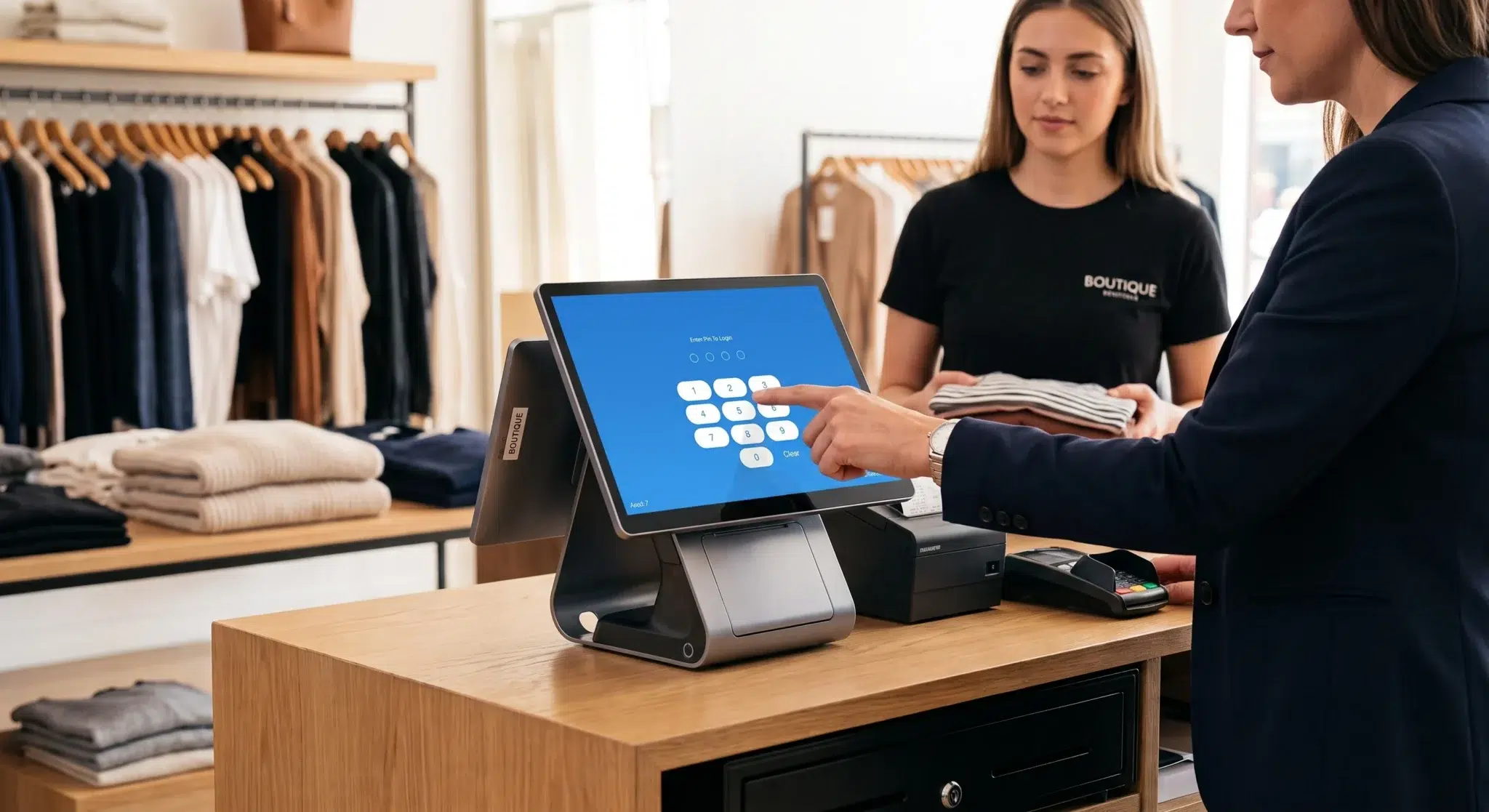
Modern touchscreen POS systems allow employees to enter orders quickly and process payments with minimal effort. Customers can pay using cash, credit cards, mobile wallets, and contactless payment methods, creating a faster and more convenient checkout experience.
During peak hours, transaction speed becomes especially important. Shorter checkout times help reduce lines, improve customer satisfaction, and allow businesses to serve more customers throughout the day.
Many systems also include integrated tipping functionality that makes it easy for customers to leave gratuities while helping employees increase their earnings.
Faster and More Accurate Order Management
Order accuracy plays a critical role in customer satisfaction. Modern POS platforms automatically transmit orders to connected kitchen display systems, helping kitchen staff receive information instantly and reducing the risk of communication errors.
Customizations such as alternative milk options, ingredient substitutions, extra toppings, or special preparation instructions can be recorded clearly within the system. This helps ensure that customers receive exactly what they ordered while reducing costly mistakes.
Because orders update across all connected devices in real time, staff working at multiple stations remain synchronized throughout service.
Mobile and Table-Side Ordering
Mobile POS devices provide additional flexibility by allowing employees to take orders away from the primary checkout counter. In cafés with seating areas or quick-service restaurants with busy queues, mobile ordering can significantly improve service speed.
Table-side ordering also creates opportunities for upselling by allowing staff to recommend pastries, desserts, beverages, or meal upgrades during the ordering process.
Cloud-based mobile POS systems provide flexibility for food trucks, pop-up locations, catering operations, and seasonal events where traditional checkout counters may not be practical.
Essential Features of POS Systems for Cafés and QSRs
The best POS systems help businesses manage both customer-facing activities and back-office operations. By combining multiple business functions into a single platform, these systems simplify management while providing better visibility into overall performance.
Inventory Tracking and Menu Management
Inventory control is particularly important for cafés and quick-service restaurants because many ingredients are perishable and require close monitoring.
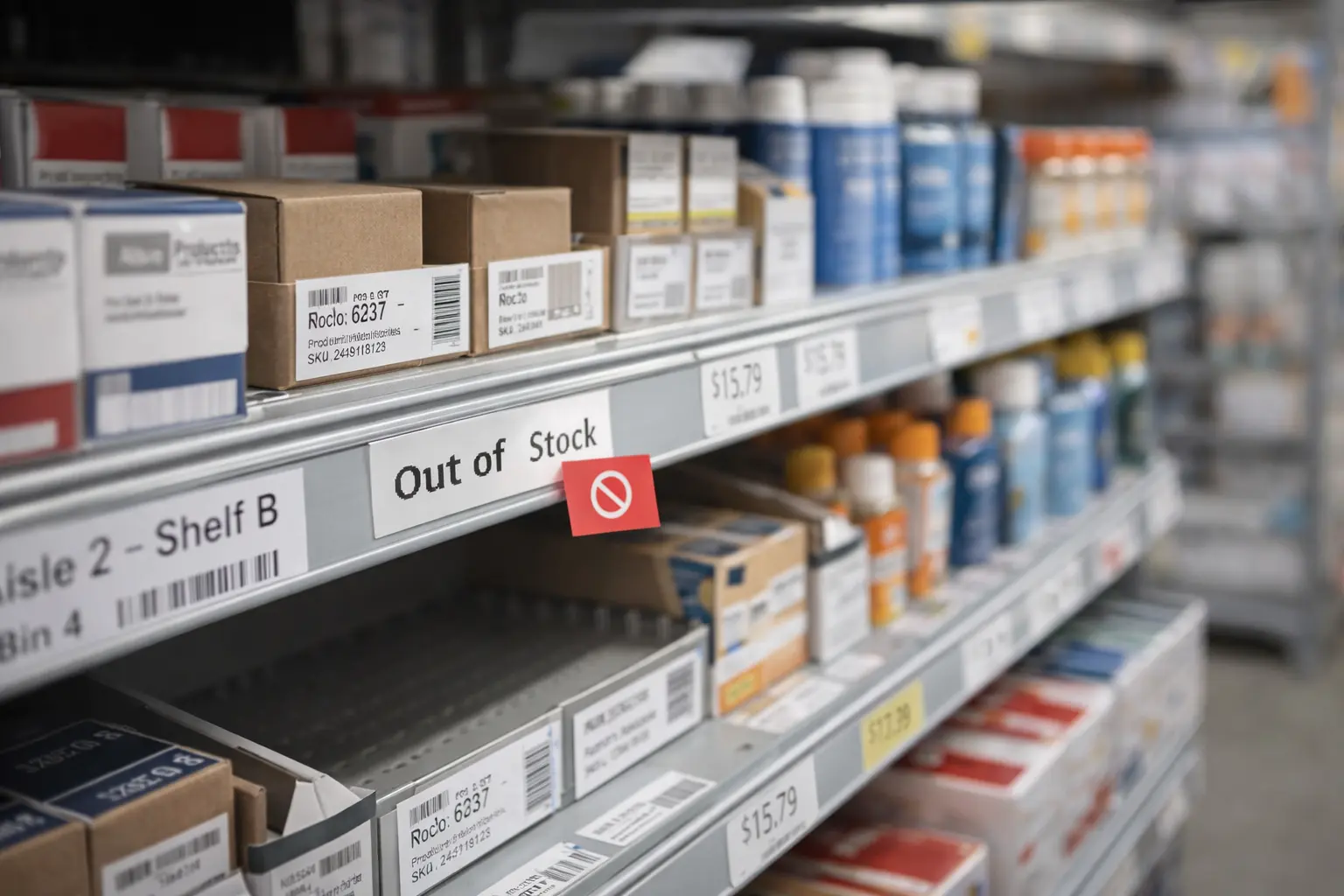
Modern POS systems automatically update inventory levels when products are sold, helping managers understand stock availability in real time. This visibility reduces the risk of running out of key ingredients while minimizing waste caused by overordering.
Menu management tools also allow operators to update products instantly across all devices. Seasonal promotions, limited-time offerings, and out-of-stock items can be adjusted quickly without disrupting operations.
Sales Reporting and Business Analytics
Advanced reporting capabilities help business owners understand what is happening across their operations. Sales reports can reveal best-selling products, peak business hours, customer purchasing patterns, and revenue trends.
These insights support better decision-making regarding staffing, pricing strategies, promotions, and inventory purchasing.
Rather than relying on assumptions, operators can use real business data to improve performance and profitability.
Staff Scheduling and Workforce Oversight
Many modern POS platforms include employee management features that help businesses monitor labor costs and manage schedules more effectively.
Employees can clock in and out directly through the POS system, while managers gain visibility into attendance, labor utilization, and staffing performance.
Aligning staffing levels with customer demand helps maintain service quality while controlling payroll expenses.
Enhancing Customer Experience with Smart POS Technology
Customer experience often determines whether guests return. Modern POS systems include features that help businesses strengthen customer relationships while making transactions more convenient.
Customer Loyalty Programs
Loyalty programs encourage repeat business by rewarding customers for their purchases. Digital loyalty systems automatically track transactions and apply rewards without requiring physical punch cards.
Customers can earn points, receive discounts, unlock special offers, or qualify for birthday rewards based on their purchasing activity.
Because loyalty information is stored directly within the POS platform, businesses gain valuable insights into customer preferences and buying behavior.
Secure Contactless Payments
Consumers increasingly prefer payment methods that are fast, secure, and convenient. Contactless payment technology allows transactions to be completed quickly while reducing physical interaction during checkout.
Modern POS systems also use secure payment processing protocols that help protect customer information and maintain compliance with industry standards.
Providing flexible payment options helps improve convenience while building customer trust.
Integrated Online Ordering
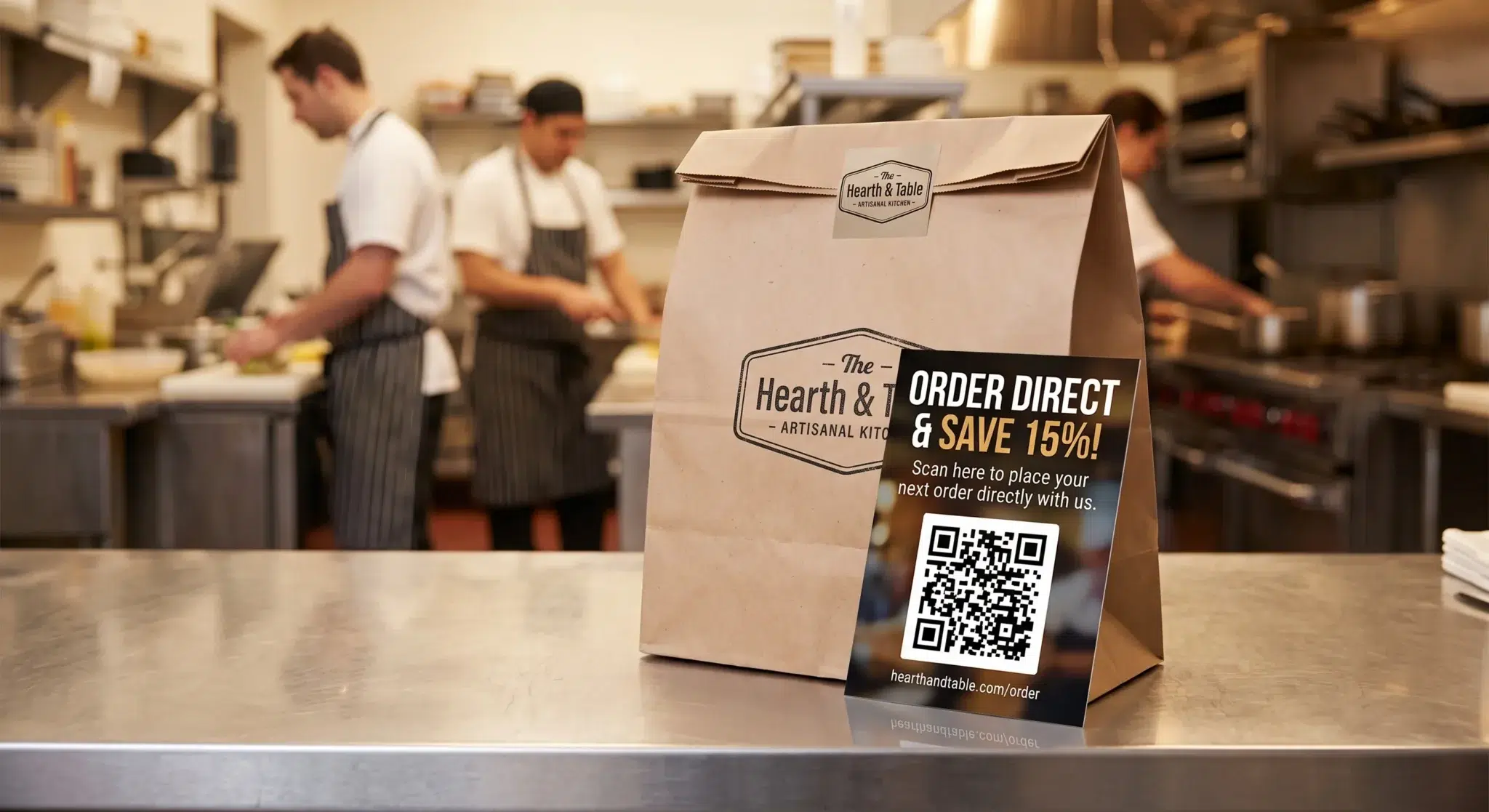
Online ordering has become an essential revenue channel for many cafés and quick-service restaurants. Integrated POS systems allow online orders to flow directly into the kitchen and order management workflow without requiring manual entry.
This integration improves order accuracy, speeds up fulfillment, and creates a more consistent customer experience across both digital and in-person channels.
Customers benefit from greater convenience, while operators gain a more efficient workflow.
Managing Daily Operations More Effectively
Beyond transactions and customer service, POS systems help simplify operational management throughout the business.
Kitchen Display Systems and Order Accuracy
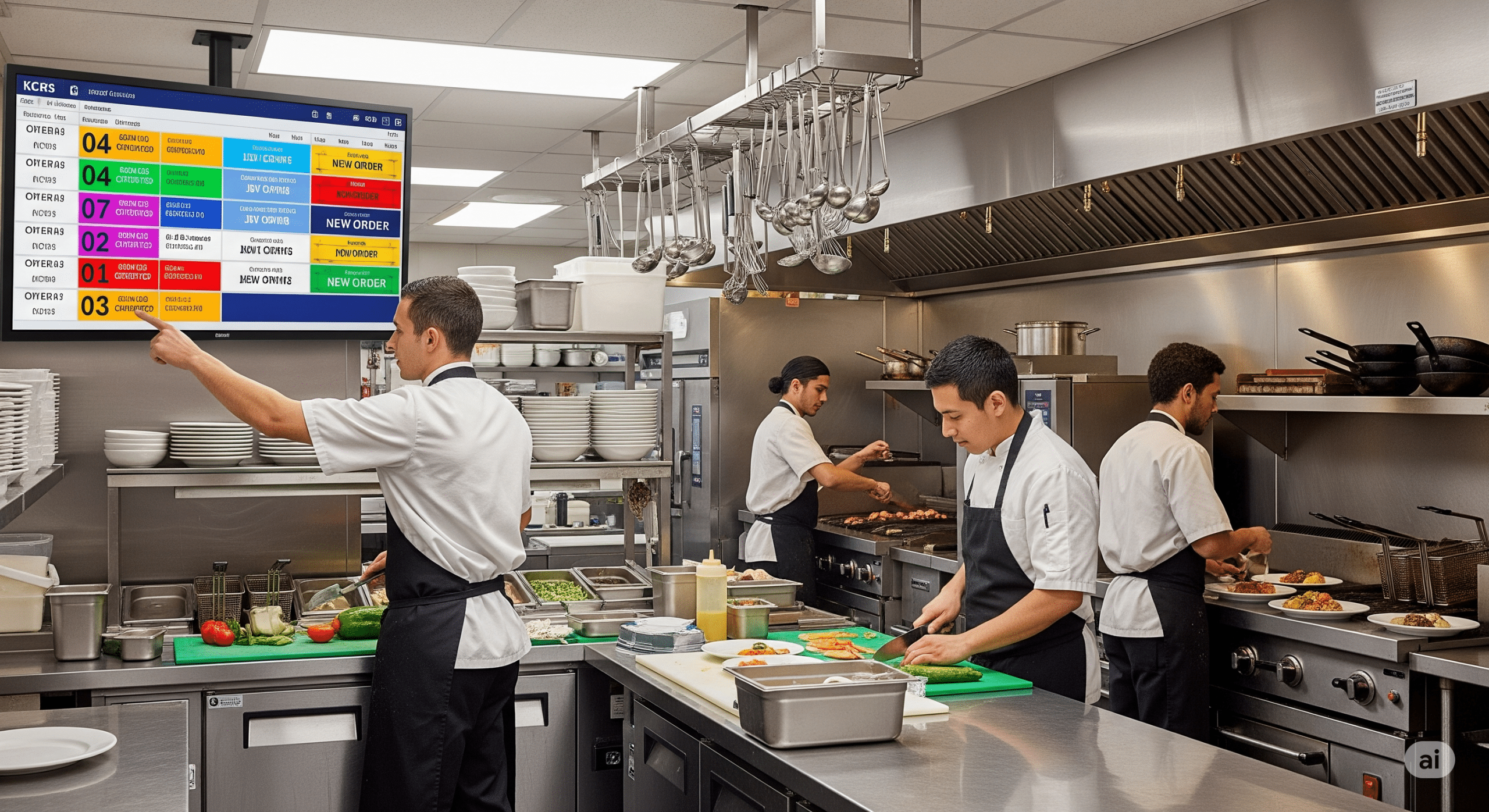
Kitchen display systems replace paper tickets with digital screens that update in real time. Orders appear instantly, including all customization details and special instructions.
This reduces communication errors, improves kitchen efficiency, and helps ensure orders are prepared correctly.
Better communication between front-of-house and kitchen teams often results in higher customer satisfaction and less food waste.
Affordable Technology for Independent Cafés
Cloud-based POS systems have made advanced restaurant technology more accessible to smaller businesses. Many solutions operate on tablets and mobile devices, reducing hardware costs while still providing enterprise-level functionality.
This allows independent cafés and small restaurant operators to access powerful reporting, inventory management, and customer engagement tools without major upfront investments.
Affordable technology helps smaller businesses compete more effectively while supporting future growth.
Multi-Device Synchronization
Modern POS platforms keep information synchronized across all devices in real time. Orders, menu changes, inventory updates, and sales information are available instantly throughout the organization.
This synchronization reduces confusion and helps maintain consistency during busy service periods.
Managers can also monitor business performance remotely, providing greater flexibility and oversight.

How to Choose the Best POS for Your Business
Selecting the right POS system requires evaluating both current operational needs and future growth plans. The best solution should support efficiency today while remaining flexible enough to scale as the business expands.
Prioritize Ease of Use
The restaurant industry often experiences employee turnover, making ease of use especially important. Systems with intuitive interfaces reduce training time and help employees become productive more quickly.
Simpler systems also reduce errors and improve consistency during busy shifts.
Look for Strong Integrations
A POS platform should connect seamlessly with other business tools, including accounting software, online ordering systems, delivery services, payroll solutions, and reporting platforms.
Integrated systems reduce manual work while creating a more unified operational environment.
Businesses benefit from improved efficiency and more accurate data.
Choose a Scalable Platform
As cafés and quick-service restaurants grow, their technology requirements often become more complex. Cloud-based POS systems provide flexibility to add users, devices, locations, and new functionality without requiring a complete system replacement.
Choosing a scalable platform helps protect technology investments while supporting long-term business growth.
How Biyo POS Supports Cafés and Quick-Service Restaurants
Modern cafés and quick-service restaurants need technology that supports speed, accuracy, and operational visibility. Biyo POS combines mobile ordering, inventory management, reporting, analytics, online ordering integration, and workforce management within a unified cloud-based platform.
Designed for fast-paced food service environments, Biyo helps operators process orders efficiently, monitor inventory in real time, analyze sales performance, and improve customer experiences.
By centralizing critical business functions, Biyo enables restaurant owners to make better decisions while reducing administrative complexity.
If you would like to see how the platform works, you can schedule a demo with Biyo POS and explore how the system supports café and quick-service restaurant operations.
Frequently Asked Questions
What is the best POS for cafés and quick-service restaurants?
The best POS systems provide fast checkout, inventory management, menu customization, reporting, online ordering integration, and customer loyalty tools within a user-friendly platform.
Why do cafés need a POS system?
POS systems help cafés manage transactions, monitor inventory, improve order accuracy, analyze sales performance, and enhance customer experiences.
How much does a café POS system cost?
Pricing varies depending on features, hardware requirements, and subscription plans. Many cloud-based systems offer flexible monthly pricing designed for businesses of different sizes.
Can POS systems help manage employees?
Yes. Many platforms include scheduling tools, time tracking, labor reporting, and workforce management features that help operators manage staffing more effectively.
Do POS systems improve customer loyalty?
Yes. Integrated loyalty programs, personalized rewards, customer profiles, and targeted promotions help encourage repeat visits and strengthen long-term customer relationships.
Can POS systems support online ordering?
Most modern POS systems offer online ordering integration, allowing orders placed through websites or apps to flow directly into kitchen and operational workflows.