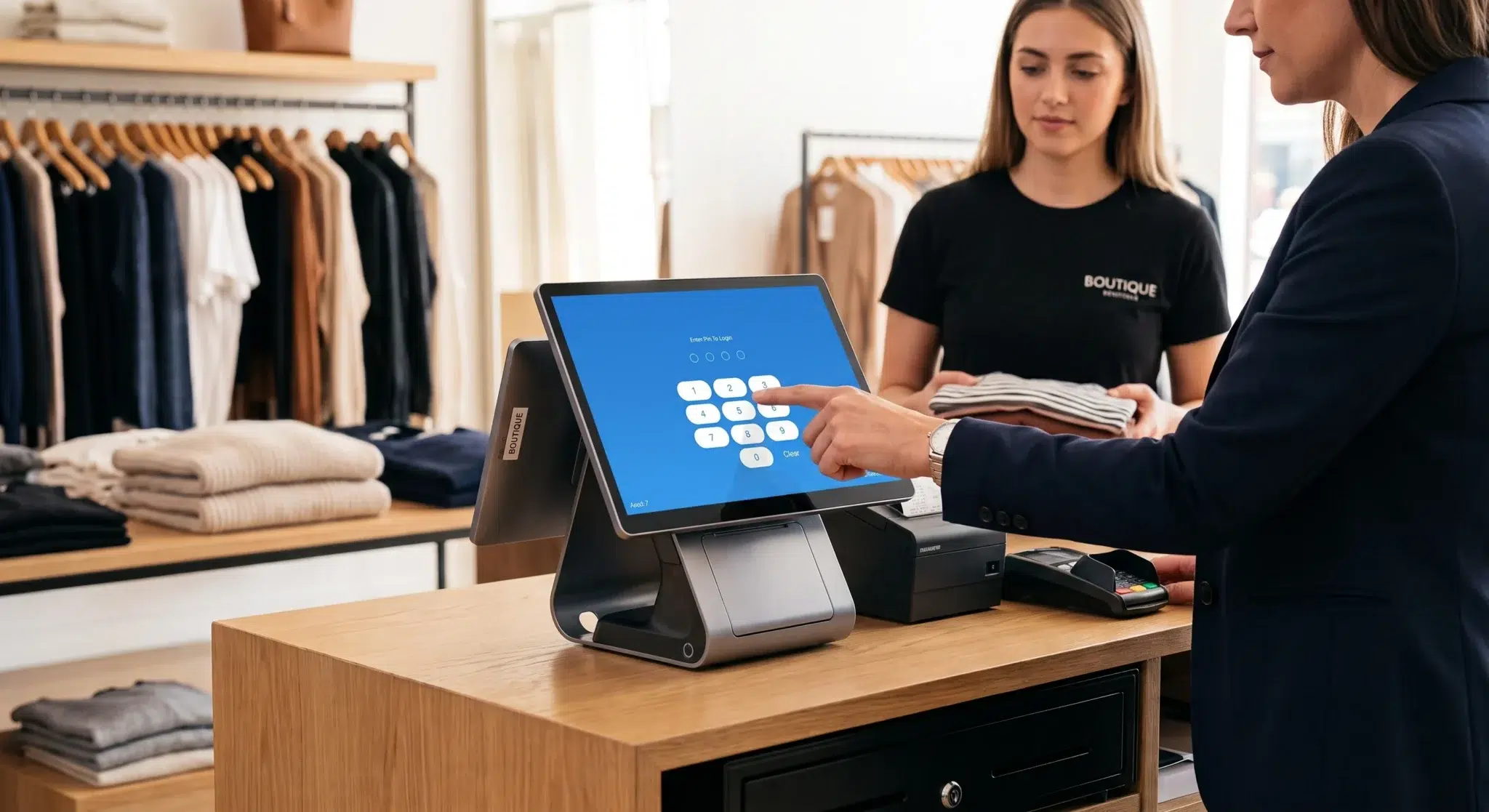
A modern POS system for small retail business is far more than a digital cash register. It acts as the operational center of a retail store, connecting inventory management, payment processing, sales tracking, customer data, and reporting into one unified system.
For small retailers operating in competitive markets, efficiency and visibility are critical. Managing sales manually or relying on outdated cash registers often creates unnecessary challenges such as inventory inaccuracies, slow checkout experiences, and limited access to business insights.
Modern POS technology helps retailers solve these problems by automating daily operations while providing real-time visibility into business performance.
Today’s retail environment moves quickly. Customers expect fast checkout, multiple payment options, accurate inventory availability, and personalized service. Small businesses that continue relying on traditional systems often struggle to keep pace with these expectations.
A modern POS system allows retailers to:
- Track inventory automatically
- Monitor sales in real time
- Accept secure digital payments
- Manage customer relationships
- Analyze business performance
- Coordinate online and in-store sales
Instead of functioning as a simple payment terminal, modern POS systems act as complete retail management platforms.
This article explores how a POS system for small retail business improves operational efficiency, strengthens inventory control, supports customer loyalty, simplifies financial management, and helps retailers scale more effectively.
Table of Contents
- Why Small Retail Businesses Need Modern POS Systems
- Essential Features of a Retail POS System
- Inventory Management and Real-Time Tracking
- Integrated Payments and Checkout Efficiency
- Sales Reporting, Analytics, and Business Insights
- Customer Loyalty and Relationship Management
- How to Choose the Right POS System for Your Store
- Implementing a POS System Successfully
- How Biyo POS Supports Small Retail Businesses
- Frequently Asked Questions
Why Small Retail Businesses Need Modern POS Systems
Traditional cash registers were designed primarily to process transactions and store cash securely. While they served their purpose for decades, they provide very limited visibility into broader retail operations.
Modern retail businesses require far more flexibility and operational insight.
A modern POS system for small retail business helps retailers manage inventory, customer data, employee performance, and sales reporting from a centralized platform.
Instead of handling inventory counts manually or relying on spreadsheets, businesses can monitor stock levels automatically in real time.
This shift from manual processes to integrated automation significantly improves operational efficiency while reducing costly errors.
Moving Beyond Traditional Cash Registers
A traditional cash register performs only a few core tasks:
- Recording sales
- Calculating totals
- Storing cash
Modern POS systems expand far beyond those limitations.
Today’s systems integrate:
- Inventory management
- Customer profiles
- Payment processing
- Employee permissions
- Sales analytics
- E-commerce synchronization
This integration allows retailers to manage multiple aspects of their business through one connected platform.
For example, every completed transaction instantly updates inventory records while simultaneously generating sales data that managers can analyze later.
This eliminates much of the manual administrative work that previously consumed valuable time.
Improving Operational Efficiency
Retail operations become significantly more efficient when repetitive tasks are automated.
Modern POS systems help automate:
- Inventory tracking
- Sales reporting
- Customer purchase histories
- Employee activity monitoring
- Low-stock notifications
Instead of spending hours counting inventory manually, retailers can focus more attention on customer service, merchandising, and business growth.
Faster checkout experiences also improve customer satisfaction, especially during busy shopping periods.
Supporting Retail Growth
As small businesses grow, operational complexity increases.
Retailers managing multiple locations, online stores, or larger product catalogs require systems capable of scaling efficiently.
Modern cloud-based POS platforms allow businesses to expand without completely rebuilding their operational infrastructure.
Scalable systems help businesses:
- Manage multiple store locations
- Coordinate online and offline inventory
- Centralize reporting
- Monitor performance remotely
- Expand product catalogs easily
This flexibility makes modern POS systems essential tools for long-term retail growth.

Essential Features of a Retail POS System
Not every POS platform offers the same capabilities.
For small retailers, certain features provide the greatest operational value because they directly affect efficiency, customer experience, and profitability.
Inventory Management Tools
Inventory management is one of the most important features within any retail POS system.
Strong inventory functionality allows retailers to:
- Track stock automatically
- Monitor product movement
- Receive low-stock alerts
- Generate purchase orders
- Manage product variants
Real-time inventory visibility reduces the risk of stockouts while helping businesses avoid unnecessary overordering.
Retailers can also identify slow-moving products more quickly and make informed merchandising decisions.
Integrated Payment Processing
Modern customers expect flexible payment options.
A modern POS system for small retail business should support:
- Credit cards
- Debit cards
- Contactless payments
- Mobile wallets
- Gift cards
- Digital payment apps
Integrated payment processing improves checkout speed while reducing manual entry mistakes.
Modern systems also provide stronger transaction security through PCI-compliant payment processing standards.
Customer Management Features
Retail success depends heavily on customer relationships.
POS systems with built-in customer management tools help businesses create stronger loyalty programs and personalized shopping experiences.
Customer profiles can store:
- Purchase history
- Shopping preferences
- Loyalty points
- Contact information
- Promotion eligibility
This information helps retailers deliver more targeted promotions while improving customer retention.
Inventory Management and Real-Time Tracking
Inventory accuracy directly affects profitability and customer satisfaction.
Without real-time inventory visibility, retailers often experience stock discrepancies, overordering, or missed sales opportunities.
Real-Time Stock Visibility
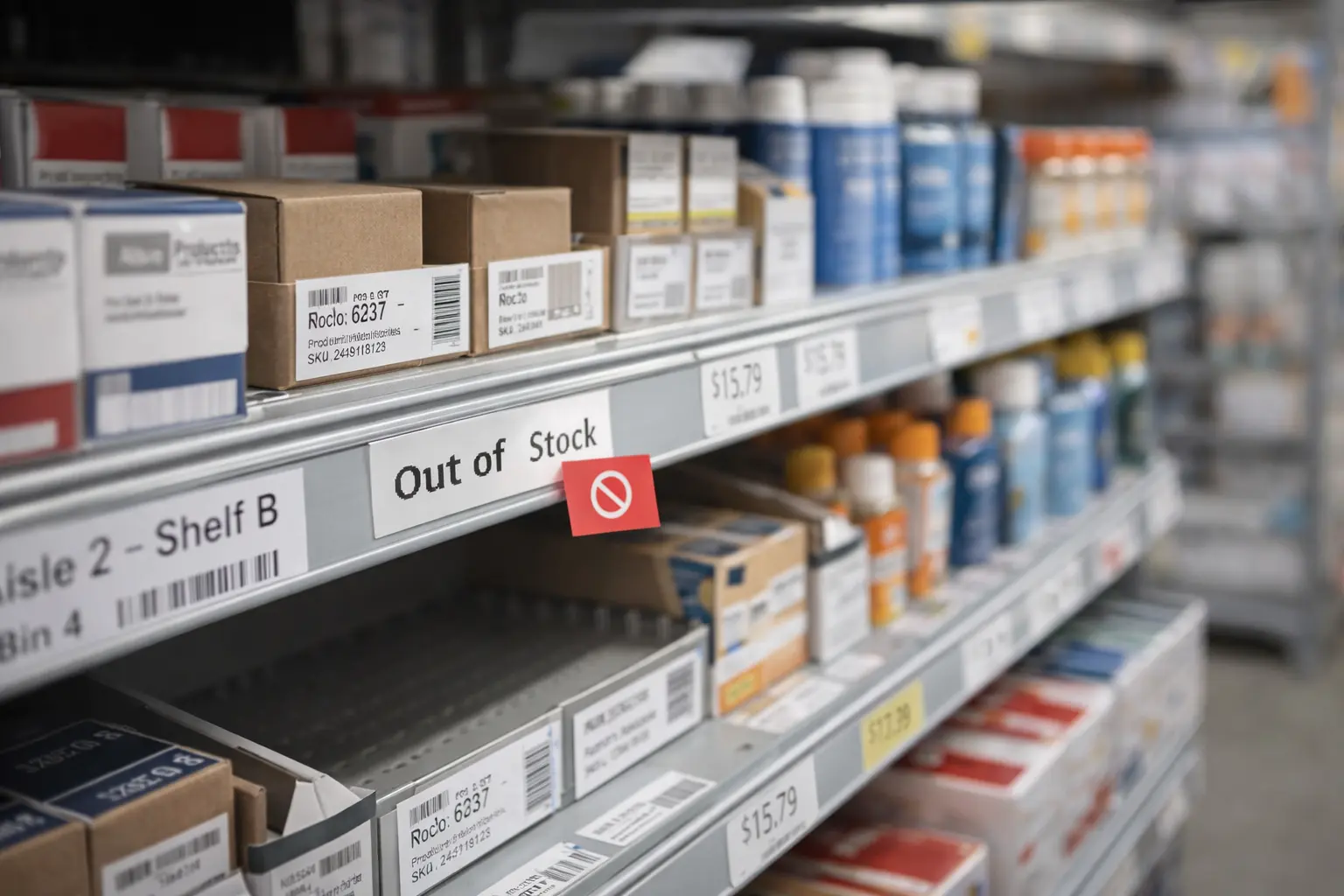
Every transaction processed through the POS system automatically updates inventory levels.
This live synchronization allows retailers to monitor inventory availability at all times.
Managers can quickly identify:
- Best-selling products
- Low-stock inventory
- Slow-moving items
- Seasonal demand trends
Real-time inventory tracking becomes especially valuable for businesses managing both online and in-store sales simultaneously.
Automated Reordering and Supplier Management
Many POS systems now support automated reordering workflows.
When inventory reaches predefined thresholds, the system can generate purchase orders automatically.
This helps retailers avoid stock shortages while simplifying supplier coordination.
Supplier management tools also centralize:
- Vendor contact details
- Order histories
- Product costs
- Delivery schedules
Better supplier coordination improves purchasing efficiency while reducing operational delays.
Reducing Inventory Errors
Manual inventory systems often create costly errors caused by:
- Incorrect stock counts
- Data entry mistakes
- Misplaced inventory
- Delayed updates
Automated POS tracking reduces these risks by synchronizing sales and inventory records instantly.
Accurate inventory data also improves forecasting and financial reporting.
Integrated Payments and Checkout Efficiency
Checkout speed plays a major role in customer experience.
Long lines and slow payment processing create frustration that can negatively affect repeat business.
Faster Checkout Experiences
Integrated payment systems streamline checkout by combining transaction processing and inventory updates into one workflow.
Barcode scanning, digital receipts, and tap-to-pay functionality significantly reduce transaction time.
Customers benefit from:
- Shorter wait times
- Flexible payment options
- Smoother checkout experiences
Retailers benefit from faster transaction throughput and fewer payment errors.
Secure Payment Processing
Security is essential in modern retail transactions.
POS systems should support PCI-compliant payment processing while protecting customer payment data through encryption and secure authentication protocols.
Modern payment systems reduce fraud risks while improving customer trust.
Omnichannel Payment Support
Retailers increasingly operate across both physical and online channels.
Integrated POS systems help businesses synchronize:
- Online orders
- In-store transactions
- Inventory availability
- Customer loyalty programs
This unified experience creates greater consistency across all sales channels.
Sales Reporting, Analytics, and Business Insights
One of the biggest advantages of a modern POS system for small retail business is access to detailed reporting and analytics.
Retailers can use sales data to make smarter operational decisions instead of relying on assumptions.
Understanding Sales Trends
Sales reports help retailers identify:
- Top-performing products
- Peak shopping hours
- Seasonal trends
- Profit margins
- Customer purchasing patterns
This information helps businesses improve inventory planning and marketing strategies.
Employee Performance Tracking
Many POS systems include employee management tools that track:
- Sales performance
- Clock-in and clock-out times
- Transaction activity
- Refund authorization
Managers can use this information to improve staffing schedules and identify training opportunities.
Financial Visibility
Centralized reporting improves financial visibility across the business.
Retailers can monitor revenue, transaction volume, and operational performance in real time.
This visibility simplifies bookkeeping and supports more accurate financial planning.

Customer Loyalty and Relationship Management
Customer loyalty is one of the most valuable assets for small retailers.
POS systems help businesses strengthen customer relationships through personalized experiences and loyalty programs.
Building Customer Profiles
Customer profiles allow retailers to track purchase history and shopping preferences.
This information supports:
- Personalized recommendations
- Targeted promotions
- Loyalty rewards
- Customer retention campaigns
Retailers can create stronger relationships by delivering more relevant shopping experiences.
Loyalty Programs and Rewards
Loyalty programs encourage repeat purchases while increasing customer retention.
POS systems can automate:
- Point accumulation
- Discount tracking
- Reward redemption
- Customer incentives
These programs help retailers maintain stronger long-term customer relationships.
How to Choose the Right POS System for Your Store
Selecting the right POS system requires careful evaluation of business needs, operational complexity, and growth goals.
Retailers should evaluate:
- Inventory management capabilities
- Payment processing fees
- Ease of use
- Scalability
- Customer support availability
- Hardware compatibility
Cloud-based systems often provide greater flexibility because retailers can access reports and inventory data remotely.
Scalability is especially important for businesses planning future expansion.
Implementing a POS System Successfully
Successful POS implementation requires preparation and staff training.
Before launching a new system, businesses should:
- Clean inventory data
- Organize product catalogs
- Import customer records
- Train employees thoroughly
- Test payment workflows
Proper implementation reduces operational disruption while helping staff adapt more quickly to the new system.
Businesses should also work with providers that offer reliable onboarding assistance and technical support.
How Biyo POS Supports Small Retail Businesses
Biyo POS helps retailers streamline operations through integrated cloud-based retail management technology.
The platform supports:
- Real-time inventory tracking
- Integrated payment processing
- Customer loyalty management
- Sales reporting analytics
- Multi-location retail support
- Employee management tools
- E-commerce integration
- Inventory forecasting
Biyo POS helps small retailers improve efficiency while maintaining greater visibility across inventory, sales, and customer operations.
The system is designed to scale alongside growing retail businesses while simplifying day-to-day management tasks.
If you want to modernize retail operations and improve customer experiences, you can create an account or explore how Biyo POS supports modern retail businesses.
Frequently Asked Questions
What is a POS system for small retail business?
A POS system for small retail business is a platform that manages sales transactions, inventory tracking, payment processing, reporting, and customer management from one centralized system.
Why is inventory management important in a retail POS system?
Inventory management helps retailers track stock accurately, prevent shortages, reduce overordering, and improve forecasting.
Can a POS system support online and in-store sales together?
Yes. Many modern POS systems synchronize inventory, customer data, and sales reporting across both online and physical store locations.
How does a POS system improve customer loyalty?
POS systems help retailers build loyalty programs, track customer preferences, and deliver personalized promotions based on purchase history.
Are cloud-based POS systems secure?
Reputable cloud-based POS systems use encryption, secure payment processing, and PCI compliance standards to protect business and customer data.
How does Biyo POS help small retailers?
Biyo POS helps retailers manage inventory, payments, reporting, loyalty programs, employee management, and multi-channel sales through integrated cloud-based tools.