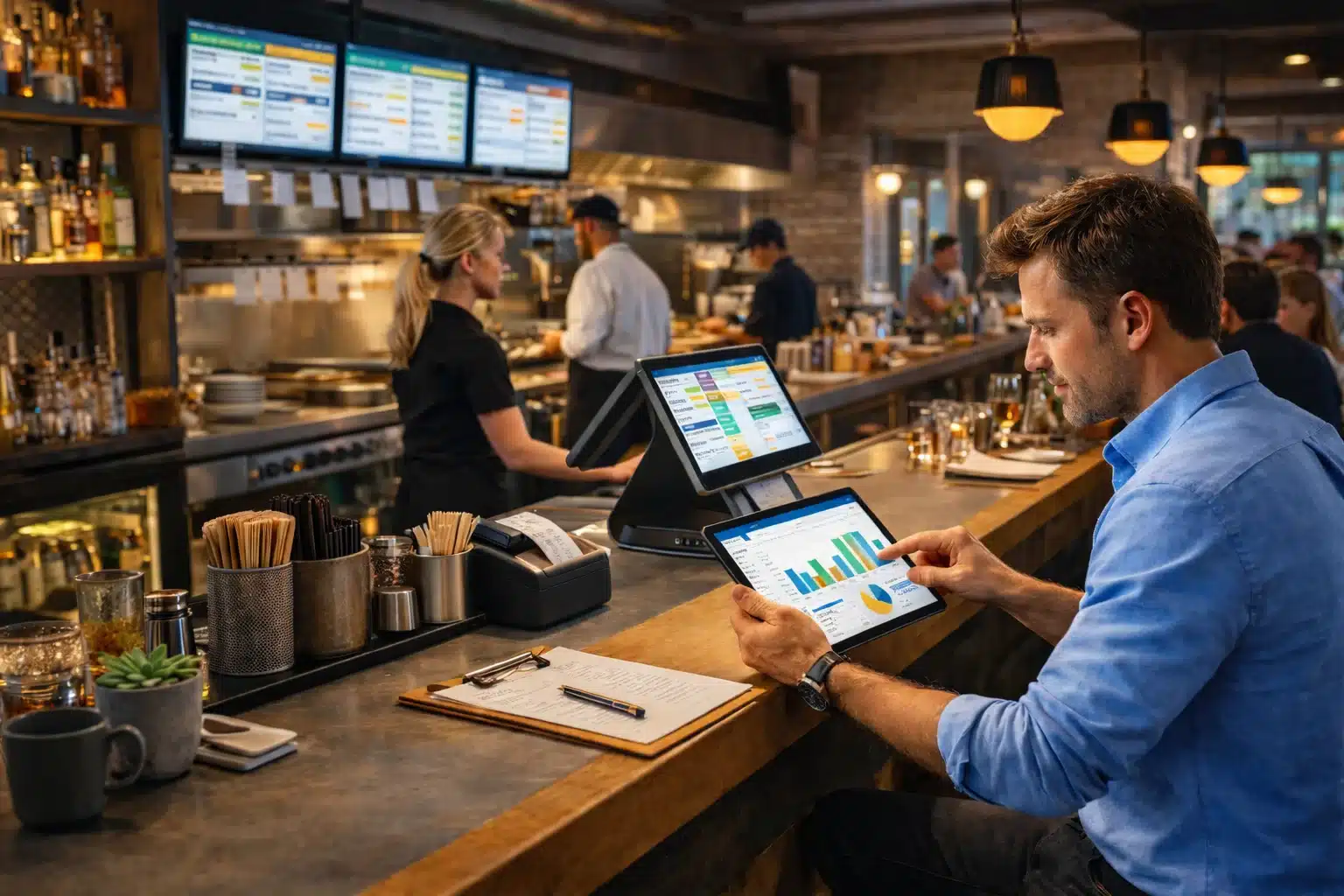

Restaurant technology now shapes how food businesses operate every single day. From digital ordering to kitchen display systems and contactless payments, smart tools influence speed, accuracy, and customer satisfaction. Therefore, choosing the right Restaurant Technology Solutions can directly affect revenue and long-term growth.
Many restaurant owners still rely on disconnected systems. However, when ordering, payments, inventory, and analytics work together, operations become smoother and more predictable. Strong Restaurant Technology Solutions eliminate manual errors, reduce wasted time, and improve decision-making.
If you are evaluating restaurant tech systems or upgrading your restaurant POS technology, this guide explains what truly matters. We will cover digital ordering, kitchen automation, payment processing, inventory automation, analytics, and scalability. By the end, you will understand how modern Restaurant Technology Solutions create measurable impact.
Table of Contents
- Digital Ordering and Guest Experience
- Kitchen Systems and Workflow Efficiency
- Payment Technology and Checkout Speed
- Inventory Automation and Cost Management
- Analytics and Performance Insights
- Scaling with Smart Restaurant Tech
- How Biyo Supports Modern Restaurants
- FAQ
Digital Ordering and Guest Experience
Guest expectations have changed dramatically. Today, convenience is just as important as food quality. Because of this shift, Restaurant Technology Solutions must prioritize digital ordering and seamless guest interaction.
Online Ordering Integration
Online ordering integration connects websites and delivery platforms directly to your POS system. Instead of re-entering orders manually, the system transfers them automatically.
This automation reduces human error. Meanwhile, staff save valuable time during peak hours.
As a result, restaurants process more orders without increasing labor costs.
Beyond integration, mobility also matters.
Mobile and Self-Service Options
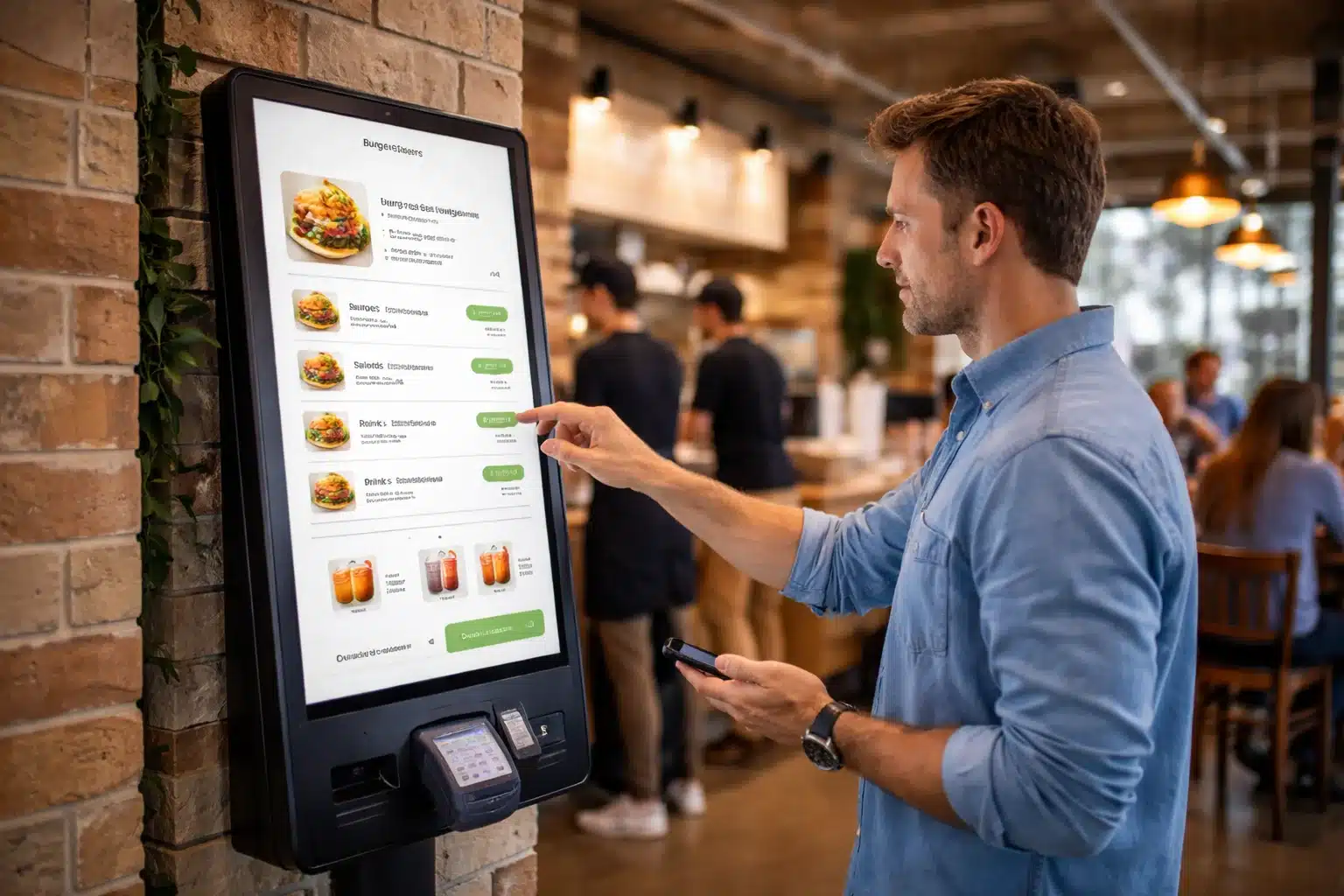
Mobile ordering and kiosks allow guests to browse menus, customize meals, and pay independently. Therefore, front-counter congestion decreases.
When customers control their ordering process, accuracy improves. Meanwhile, smart upsell prompts increase average ticket value.
These Restaurant Technology Solutions enhance both guest satisfaction and operational efficiency.
 Kitchen Systems and Workflow Efficiency
 Kitchen Systems and Workflow Efficiency
Back-of-house coordination determines service speed. Restaurant Technology Solutions must streamline communication between staff and kitchen teams.
Kitchen Display Systems
Kitchen display systems replace paper tickets with digital screens. Orders appear instantly and in the correct sequence.
This digital communication prevents lost tickets. Meanwhile, cooks see clear preparation details without confusion.
Improved visibility leads to faster service and fewer mistakes.
Order routing also improves efficiency.
Automated Order Routing
Advanced restaurant automation tools route items to the appropriate prep stations automatically. Drinks go to the bar, and hot dishes go to the grill.
This intelligent routing reduces bottlenecks. Therefore, teams maintain steady output during rush periods.
Organized workflows create consistent service quality.
Payment Technology and Checkout Speed
The checkout experience shapes the final impression. Strong Restaurant Technology Solutions include secure and flexible payment systems.
Contactless and Digital Payments
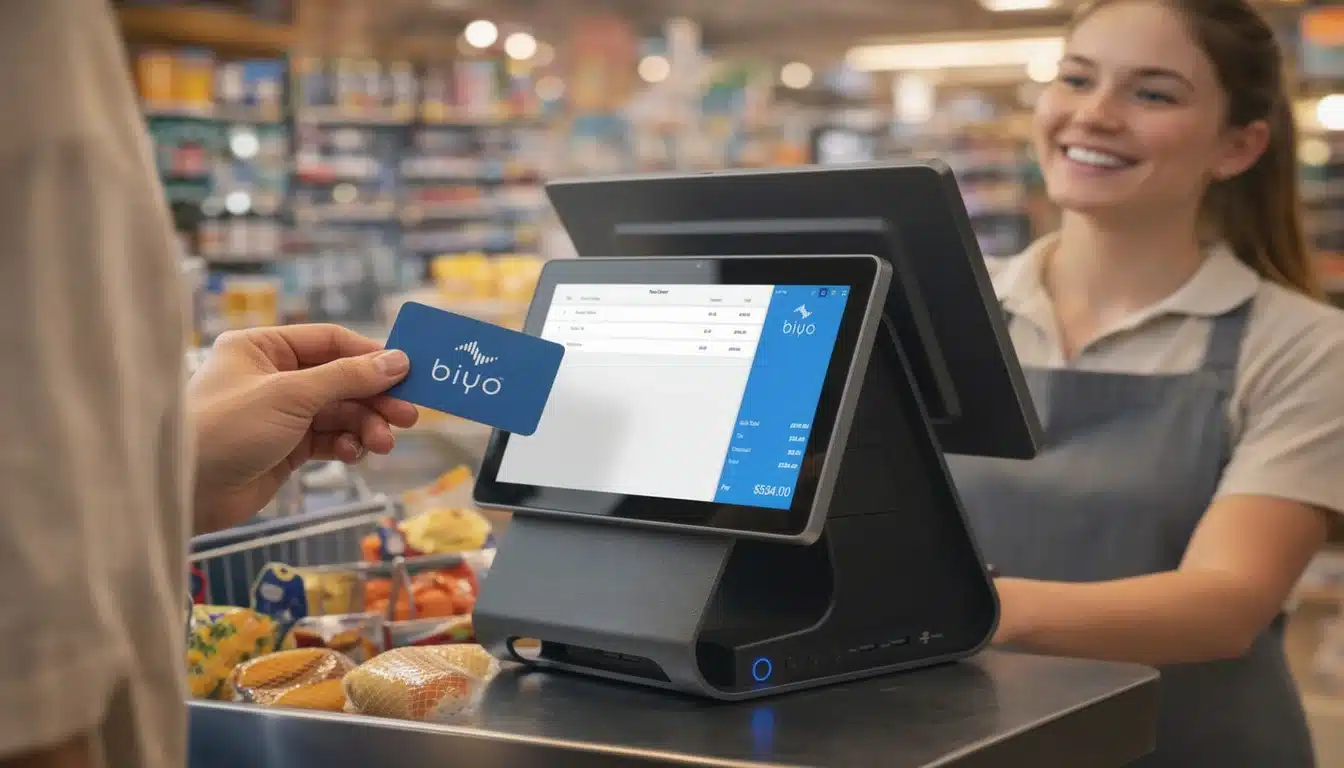
Modern guests expect chip, tap, and mobile wallet options. Integrated payment gateways support these methods seamlessly.
Because transactions process quickly, lines move faster. Meanwhile, encrypted systems protect sensitive data.
Faster checkout improves customer satisfaction.
Payment integration also simplifies accounting.
Automated Financial Reconciliation
Integrated restaurant POS technology connects payment processing directly to reporting dashboards. Daily totals update automatically.
This automation reduces manual reconciliation tasks. As a result, managers gain accurate financial data in real time.
Clear visibility strengthens operational control.
Inventory Automation and Cost Management
Food costs significantly affect profitability. Inventory automation helps control waste and prevent shortages.
Real-Time Inventory Updates
When items are sold, ingredients deduct automatically from stock levels. For example, selling a sandwich reduces bread and meat quantities instantly.
Because tracking happens in real time, managers avoid unexpected stockouts. Meanwhile, low-stock alerts support timely purchasing decisions.
This proactive system reduces spoilage and protects margins.
Smart purchasing further enhances efficiency.
Data-Driven Reordering
Some Restaurant Technology Solutions analyze sales patterns and suggest reorder quantities. Instead of guessing demand, managers rely on historical data.
Automated recommendations align inventory levels with real consumption. Therefore, excess stock decreases.
Lower waste translates directly into higher profitability.
Analytics and Performance Insights
Data gives restaurants clarity. Restaurant Technology Solutions transform raw numbers into actionable insights.
Sales and Revenue Reporting
Detailed dashboards display revenue by hour, day, and menu category. Managers identify peak periods quickly.
Because data updates instantly, adjustments can happen in real time. Meanwhile, targeted promotions become easier to implement.
Reliable reporting supports informed decisions.
Labor metrics also influence profitability.
Labor and Productivity Analysis
Digital restaurant solutions track labor hours against sales performance. Managers identify overstaffing or understaffing trends.
Balanced scheduling reduces unnecessary labor costs. As a result, service quality remains strong without overspending.
Productivity tracking strengthens accountability and performance management.
Scaling with Smart Restaurant Tech
As restaurants expand, systems must scale easily. Flexible Restaurant Technology Solutions support growth without increasing complexity.
Cloud-Based Access
Cloud infrastructure allows owners to monitor operations remotely. Managers review reports from any device.
Automatic backups protect important data. Meanwhile, software updates deploy without disrupting service.
Cloud-based systems ensure continuity and security.
Centralized management improves oversight.
Multi-Location Oversight
For growing brands, centralized dashboards display performance across all stores. Owners compare revenue and trends instantly.
Standardized reporting keeps metrics consistent across locations. Therefore, expansion becomes easier to manage.
Unified systems strengthen long-term scalability.
How Biyo Supports Modern Restaurants
 How Biyo Supports Modern Restaurants
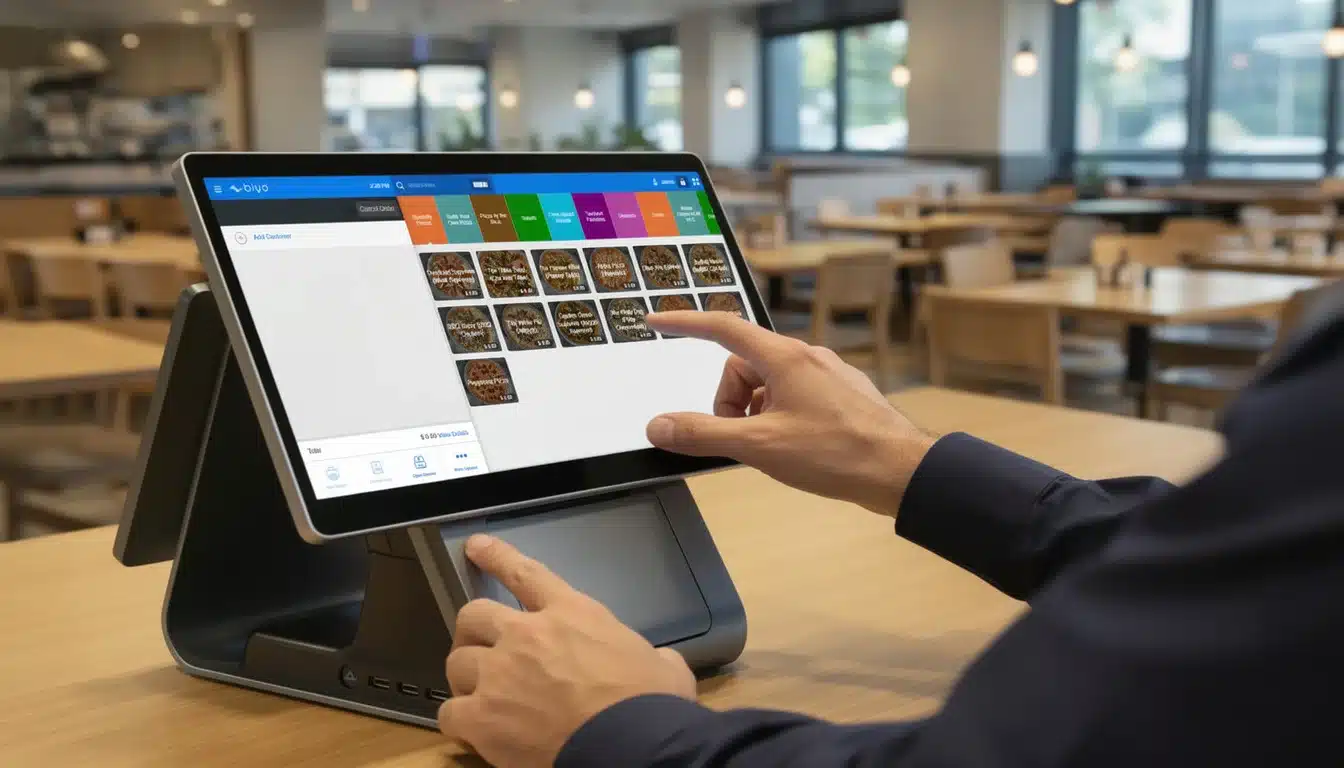
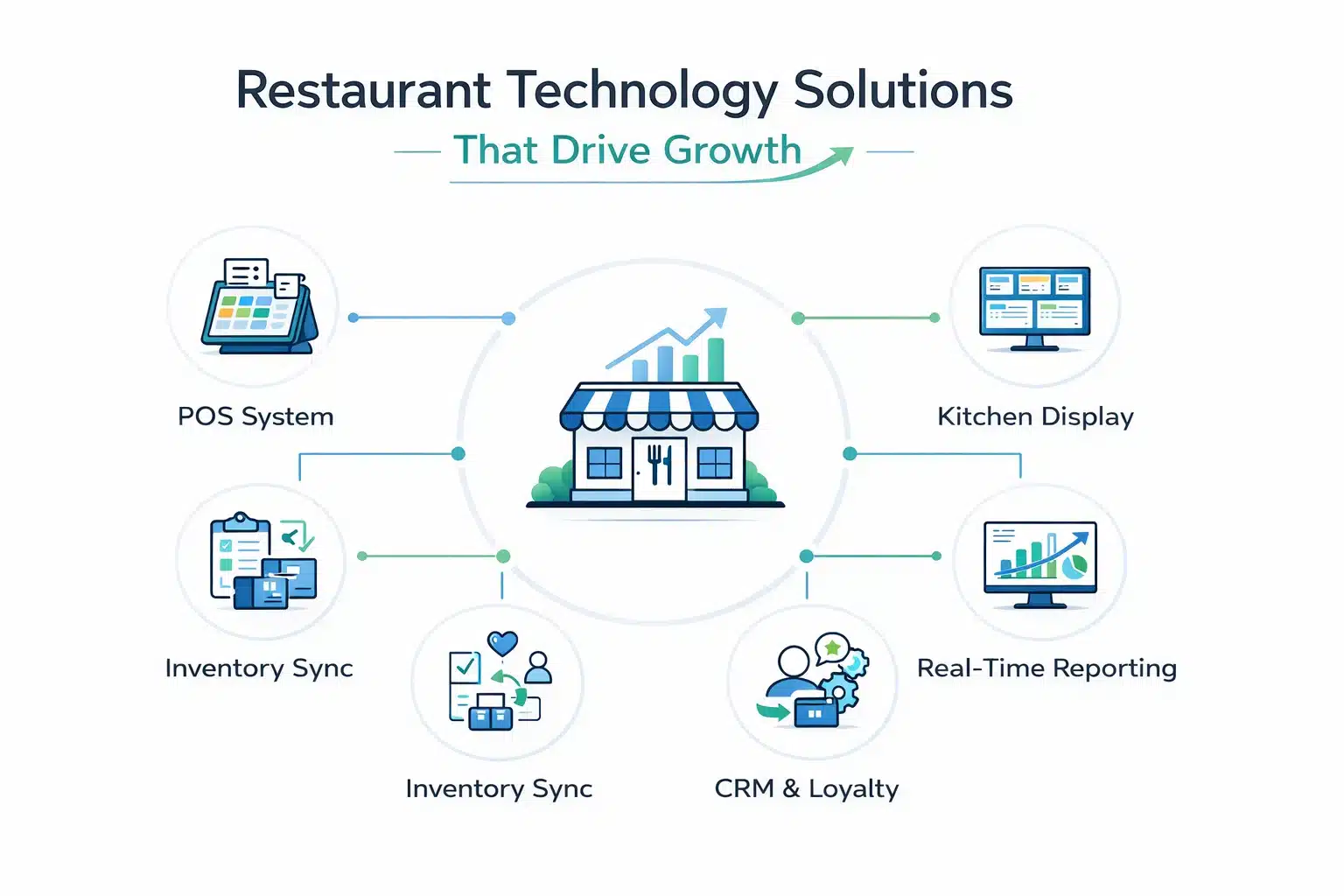
Biyo POS delivers integrated tools that support modern Restaurant Technology Solutions. The cloud-based system connects digital ordering, kitchen display systems, contactless payments, inventory automation, and analytics into one platform.
Because Biyo operates across multiple devices and locations, restaurants gain flexibility and centralized oversight. Meanwhile, real-time reporting ensures clear performance visibility at all times.
If you want to see how Biyo can support your growth, you can schedule a live demo here or begin directly through the signup page.
FAQ
What are Restaurant Technology Solutions?
They are digital systems such as POS software, kitchen displays, online ordering platforms, and analytics tools that streamline operations.
Why are digital restaurant solutions important?
They reduce manual errors, improve speed, automate reporting, and support data-driven decisions.
Can these systems support multiple locations?
Yes. Cloud-based platforms provide centralized dashboards and consistent reporting across locations.
How do modern tools improve profitability?
They reduce waste, optimize labor, speed up checkout, and provide insights that guide smarter business decisions.