The restaurant industry has undergone a major digital transformation in recent years. What once relied heavily on manual processes and traditional cash registers has evolved into a technology-driven ecosystem powered by advanced software and integrated systems. Today, restaurant technology plays a central role in helping foodservice businesses improve operational efficiency, deliver better customer experiences, and maximize profitability.
From cloud-based point-of-sale platforms to AI-powered analytics and automated inventory management, restaurants are increasingly adopting digital tools that streamline operations across every department. According to industry research, restaurants that implement modern technology solutions can increase operational efficiency by 20–30% while reducing administrative workload and costly operational errors.
As customer expectations evolve toward faster service, personalized experiences, and digital convenience, adopting modern restaurant technology is no longer optional—it has become a competitive necessity for restaurants aiming to thrive in today’s dynamic hospitality landscape.
Table of Contents
- POS Systems: The Heart of Restaurant Operations
- Online Ordering and Food Delivery Integration
- Kitchen Display Systems and Order Tracking
- Enhancing Customer Experience with Digital Tools
- Management Solutions: Inventory, Staff, and Analytics
- How Biyo Supports Restaurant Technology
- Frequently Asked Questions
POS Systems: The Heart of Restaurant Operations
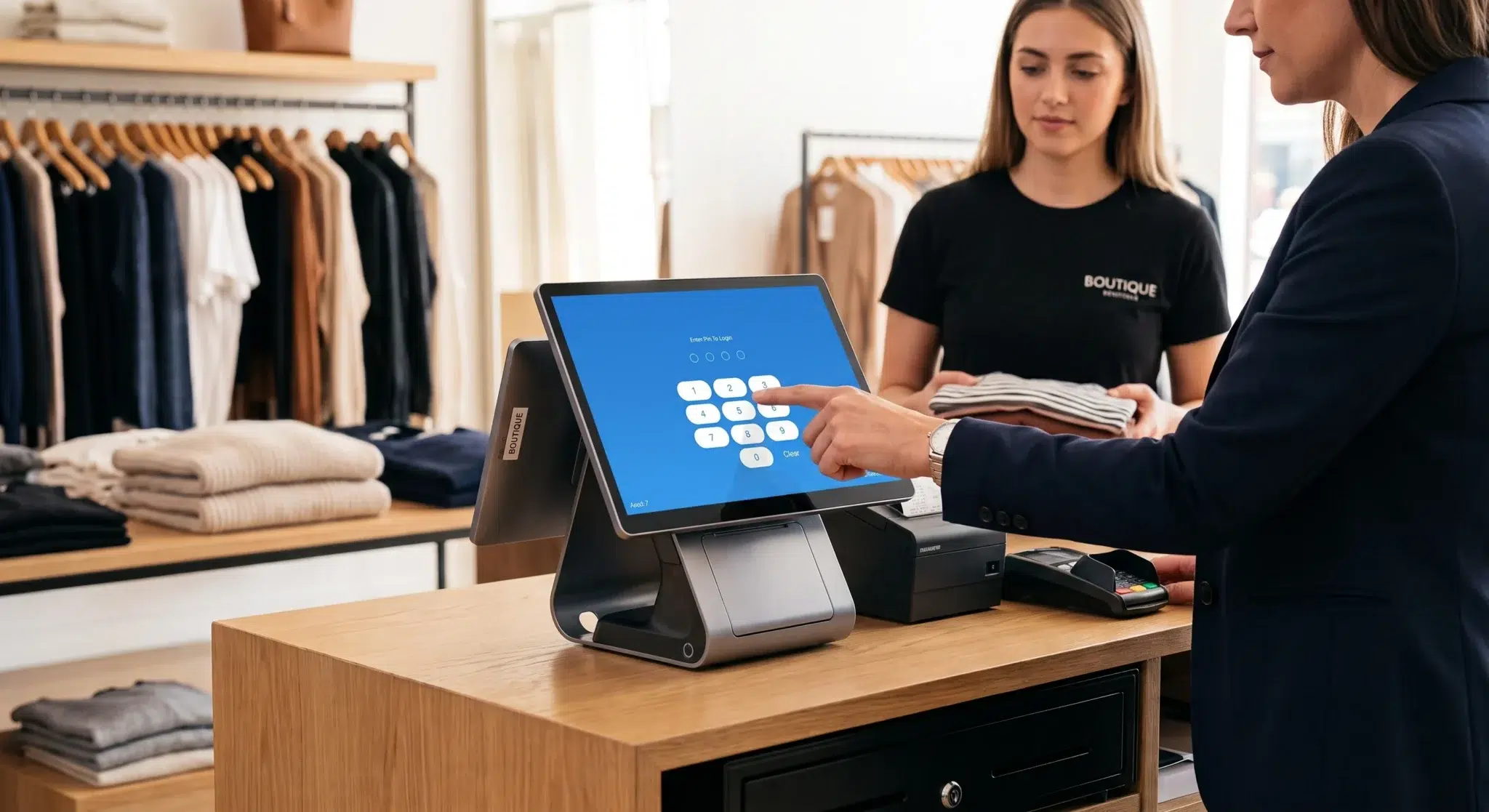
At the center of modern restaurant technology lies the point-of-sale (POS) system. What began as a simple payment terminal has evolved into a comprehensive platform that manages orders, payments, inventory, staff scheduling, and customer engagement.
Modern POS systems serve as the operational hub of restaurants, connecting front-of-house operations with kitchen workflows and business analytics.
The Evolution of POS Systems
Traditional restaurants once relied on mechanical cash registers or basic electronic tills that could only process payments and print receipts. However, advancements in cloud computing and software development have transformed POS systems into sophisticated management platforms.
Cloud-based POS systems allow restaurant owners and managers to access real-time data from any location. This means operators can monitor sales performance, inventory levels, and staff productivity remotely using smartphones, tablets, or computers.
Modern POS platforms also support multiple payment methods including:
- Credit and debit cards
- Mobile wallets such as Apple Pay and Google Pay
- QR-code payments
- Contactless NFC transactions
These capabilities help restaurants process payments faster while improving customer satisfaction during busy service periods.
Benefits of Advanced POS Systems
Advanced POS systems provide several key benefits that improve restaurant performance.
One major advantage is access to powerful analytics. Restaurants can analyze sales data to identify best-selling menu items, peak business hours, and customer preferences. This information allows operators to make strategic decisions regarding menu design, pricing strategies, and promotional campaigns.
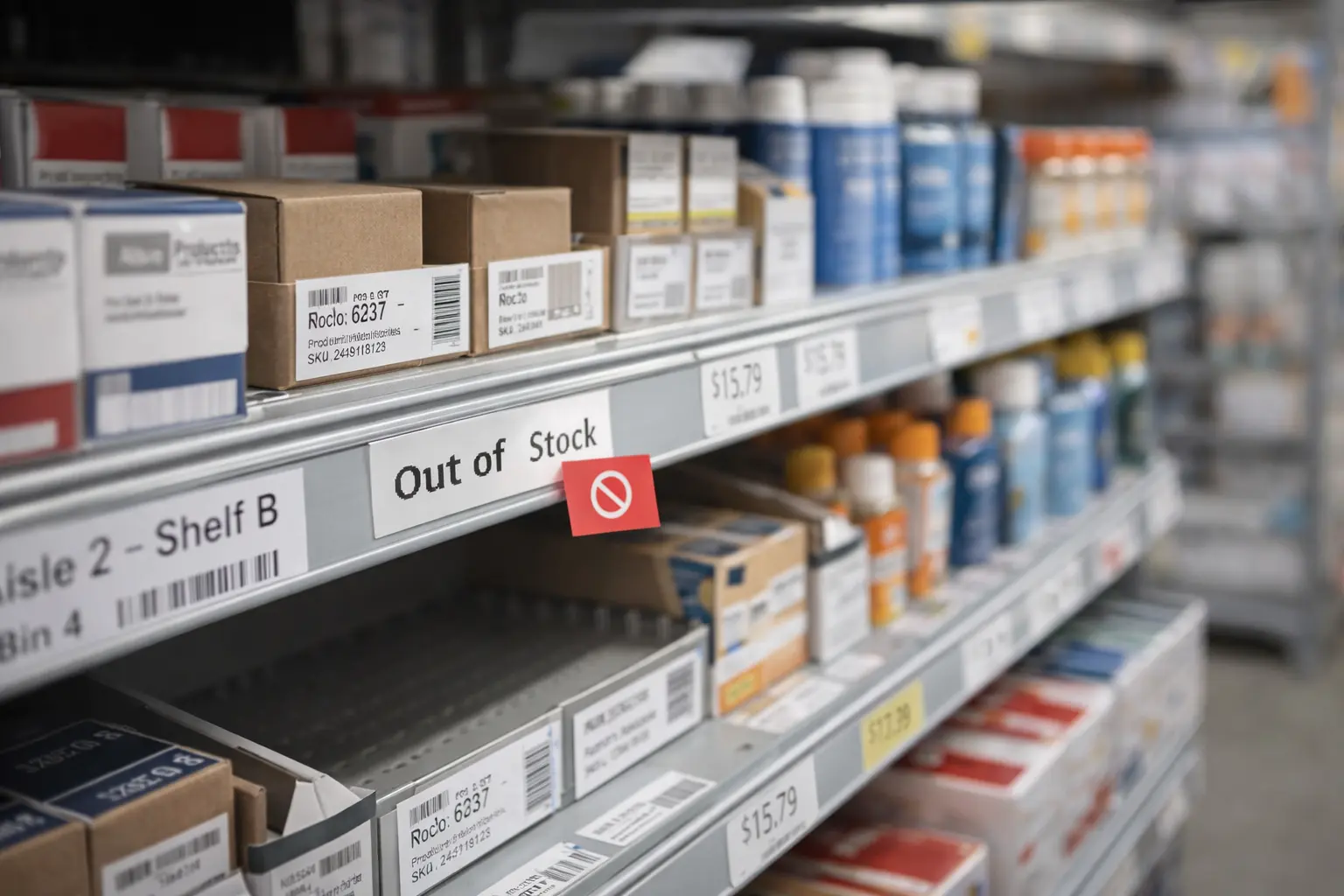
Inventory management is another important benefit. Modern POS platforms automatically track ingredient usage with each order placed. When inventory levels fall below predefined thresholds, the system can alert managers or generate automatic reorder suggestions.
Integrated loyalty programs also allow restaurants to reward repeat customers with points, discounts, or exclusive offers, strengthening long-term customer relationships and increasing customer lifetime value.
Choosing the Right POS for Your Restaurant
Choosing the right POS system depends on the type and scale of the restaurant.
Quick-service restaurants may benefit from mobile POS systems that enable tableside ordering and faster service. Full-service restaurants often prioritize features such as reservation management, table mapping, and detailed sales reporting.
Integration capabilities are also critical. A modern POS system should integrate seamlessly with kitchen display systems, online ordering platforms, inventory management tools, and customer relationship management systems.
Cloud-based POS solutions also ensure scalability, allowing restaurants to expand operations without replacing their technology infrastructure.
Online Ordering and Food Delivery Integration
Online ordering has become one of the most important components of restaurant technology. With the rapid growth of off-premise dining, restaurants must provide customers with convenient ordering options through websites, mobile apps, and delivery platforms.
The Rise of Online Ordering Systems
Online ordering platforms allow customers to browse digital menus, customize meals, and pay electronically without contacting the restaurant directly.
These systems offer several advantages:
- Reduced phone orders and manual entry
- Improved order accuracy
- Enhanced customer convenience
- Expanded market reach
Integrated online ordering systems connect directly with POS and kitchen display systems, ensuring orders flow seamlessly from the customer to the kitchen.
Restaurants also gain access to valuable customer data, enabling personalized promotions and targeted marketing campaigns.
Food Delivery Integration: Challenges and Solutions
Third-party delivery services such as Uber Eats, DoorDash, and Grubhub have dramatically expanded restaurant reach. However, managing multiple delivery platforms can introduce operational complexity.
Modern POS systems solve this challenge by aggregating delivery orders into a single dashboard, eliminating the need to manage multiple tablets.
This centralized system improves efficiency and reduces the risk of missed or duplicated orders.
Future Trends in Online Ordering and Delivery
Restaurant technology continues to evolve rapidly in the online ordering space.
Emerging innovations include:
- AI-powered chatbots for automated order taking
- Self-service ordering kiosks
- Voice-based ordering systems
- Integrated omnichannel ordering platforms
Restaurants that adopt these technologies early will gain a competitive advantage by offering faster, more convenient dining experiences.
Kitchen Display Systems and Order Tracking
Kitchen display systems (KDS) are a vital component of modern restaurant technology. These systems replace traditional printed tickets with digital order displays, improving communication between servers and kitchen staff.
How Kitchen Display Systems Improve Efficiency
KDS platforms transmit orders directly from the POS system to kitchen screens in real time. This eliminates problems caused by illegible handwriting or lost paper tickets.
Kitchen staff can prioritize orders more effectively, reducing preparation delays and improving service speed.
Real-time updates also ensure any order modifications or cancellations are immediately visible to the kitchen.
Customization and Flexibility of KDS
Modern kitchen display systems offer customizable layouts based on kitchen workflow.
Orders can be organized by:
- Kitchen stations (grill, fryer, salad)
- Order type (dine-in, takeout, delivery)
- Preparation status
Some KDS platforms also include timers, audio alerts, and color-coded order indicators to help staff manage high-volume service periods.
The Role of Order Tracking in Service Quality
Order tracking systems allow both staff and customers to monitor order progress.
Front-of-house staff can provide accurate wait-time estimates while customers ordering online can track preparation and delivery status.
This transparency improves trust and enhances the overall dining experience.
Enhancing Customer Experience with Digital Tools
Customer experience is a major factor in restaurant success, and digital tools play an increasingly important role in creating convenient and personalized dining experiences.
Digital Menus and Contactless Payments
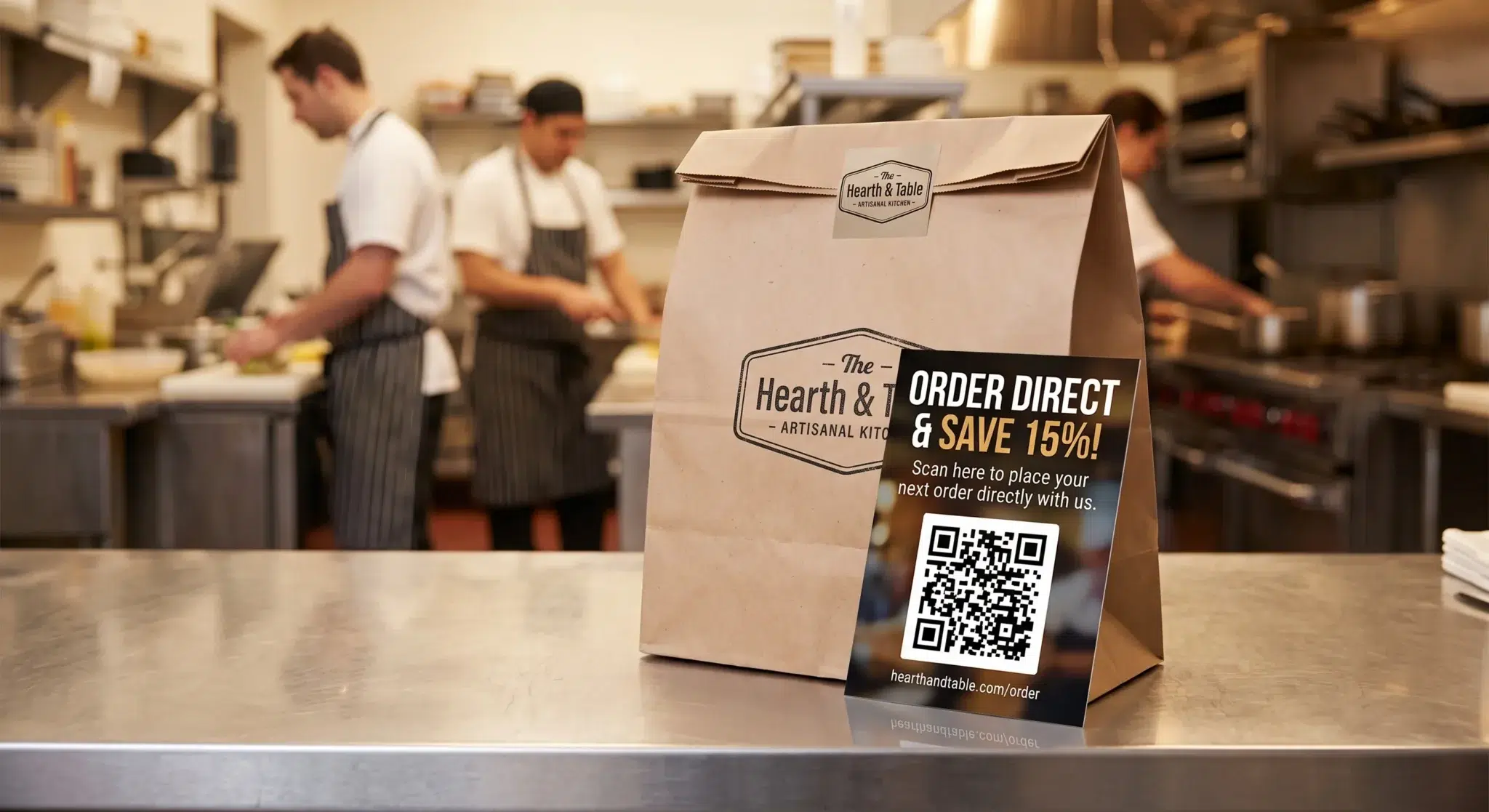
Digital menus accessible through QR codes allow restaurants to update menu items instantly without reprinting costs.
These menus often include images, ingredient information, and allergen details that help customers make informed choices.
Contactless payments also reduce checkout times and improve safety by minimizing physical interactions.
Reservation Software and Table Management
Reservation platforms allow customers to book tables online while providing restaurants with tools to manage seating efficiently.
Automated reminders reduce no-shows, while digital seating charts help staff optimize table turnover during busy service periods.
Building Loyalty Through Automated Marketing
Loyalty programs integrated with restaurant technology reward repeat customers with personalized incentives.
Automated marketing tools can send:
- Birthday discounts
- Targeted promotions
- Event invitations
These tools help restaurants maintain long-term relationships with their guests while increasing repeat visits.
Management Solutions: Inventory, Staff, and Analytics
Effective management tools allow restaurant owners to control costs, optimize labor, and make data-driven decisions.
Inventory Management Systems
Automated inventory management systems track ingredient usage and update stock levels in real time.
Managers receive alerts when supplies run low, preventing shortages and reducing food waste.
Detailed reporting also helps restaurants identify purchasing trends and negotiate better supplier agreements.
Staff Scheduling and Labor Optimization
Labor scheduling platforms use historical sales data to forecast staffing requirements.
These tools ensure restaurants maintain optimal staffing levels during peak periods while avoiding overstaffing during slower hours.
Employee apps also allow workers to view schedules, swap shifts, and submit time-off requests digitally.
Leveraging Data Analytics for Business Growth
Analytics platforms combine data from POS systems, inventory software, and customer interactions to provide valuable operational insights.
Restaurants can identify profitable menu items, analyze customer behavior, and forecast demand more accurately.
Data-driven decision-making allows restaurants to continuously refine their operations and improve profitability.
How Biyo Supports Restaurant Technology
Biyo POS offers an integrated restaurant technology platform designed to simplify operations and enhance business performance.
The system combines cloud-based POS functionality with inventory management, kitchen display integration, staff scheduling, and advanced analytics in one unified platform.
Restaurant owners interested in modernizing their operations can schedule a consultation with the Biyo team to explore how Biyo technology can support their growth.
Restaurants ready to streamline operations can also create a Biyo account and begin using advanced restaurant management tools designed to improve efficiency, customer engagement, and long-term profitability.
Frequently Asked Questions
What is restaurant technology?
Restaurant technology refers to digital systems and software used to manage restaurant operations, including POS systems, online ordering platforms, kitchen display systems, inventory management tools, and customer engagement platforms.
How do POS systems benefit restaurants?
POS systems centralize order processing, payment handling, inventory tracking, and reporting, helping restaurants operate more efficiently and improve customer service.
Why is online ordering important for restaurants?
Online ordering allows restaurants to reach customers beyond their physical locations, increasing revenue while providing convenient ordering options.
What role do kitchen display systems play?
Kitchen display systems replace paper tickets with digital order screens, improving communication between servers and kitchen staff while reducing order errors.
How do digital menus improve customer experience?
Digital menus allow restaurants to update items instantly and provide detailed information that helps customers make better dining decisions.
What tools help restaurants manage operations effectively?
Inventory management software, staff scheduling tools, and analytics platforms help restaurants control costs, optimize staffing, and make data-driven business decisions.