Running a successful restaurant requires far more than serving delicious food. In today’s competitive hospitality industry, restaurant owners must master operations, marketing, financial management, customer service, and technology adoption. Modern diners expect fast service, personalized experiences, convenient ordering options, and consistent quality every time they visit.
According to industry research from the National Restaurant Association, the global restaurant industry generates over $3 trillion annually, while restaurant operators typically operate on narrow profit margins of only 3–6%. This means even small improvements in efficiency, menu pricing, customer retention, or operational management can significantly impact long-term profitability.
For both new and experienced restaurateurs, implementing proven restaurant tips and tricks can dramatically improve daily operations and guest satisfaction. From kitchen workflow improvements to smarter menu engineering and digital technology adoption, the right strategies help restaurants operate more efficiently while delivering memorable dining experiences.
This guide explores practical restaurant tips and tricks that help optimize operations, control costs, enhance customer service, strengthen branding, and improve long-term profitability.
Table of Contents
- Restaurant Operational Hacks
- Cost Control Strategies for Restaurant Tips and Tricks
- Customer Service Techniques for Restaurant Tips and Tricks
- Menu Engineering and Innovation
- Staff Training and Retention Tips
- Technology Integration in Restaurants
- Sustainability and Local Sourcing
- Restaurant Branding and Marketing Strategies
- How Biyo Helps Restaurants Improve Efficiency
- Frequently Asked Questions
Restaurant Operational Hacks
Operational efficiency is the backbone of every successful restaurant. Even minor inefficiencies in kitchen workflow, communication, or scheduling can quickly lead to slower service, increased labor costs, and dissatisfied customers.
Implementing smart operational hacks helps streamline processes, improve productivity, and reduce costly mistakes.
Streamlining Kitchen Workflow
A well-organized kitchen layout dramatically improves preparation speed and accuracy. Professional kitchens often follow a station-based workflow where each staff member is responsible for a specific task such as grilling, sautéing, plating, or preparation.
Restaurants should group ingredients, tools, and equipment based on cooking stations to minimize unnecessary movement. For example, placing prep ingredients near the appropriate station can reduce wasted time during peak service periods.
Standardizing recipes and plating procedures is another important step. Consistent preparation ensures every dish maintains the same quality regardless of who prepares it. According to hospitality research, standardized kitchen processes can reduce order preparation errors by nearly 30%.
Using digital kitchen display systems instead of paper tickets can also improve communication between front-of-house and kitchen staff.
Efficient Scheduling
Labor costs represent one of the largest expenses in restaurant operations, often accounting for 25–35% of total revenue. Poor scheduling can result in overstaffing during slow periods or understaffing during peak hours.
Scheduling software helps restaurants forecast demand based on historical sales data and seasonal trends. Managers can adjust staffing levels accordingly, ensuring optimal service without excessive labor costs.
Flexible scheduling also improves employee satisfaction and retention. Restaurants with balanced schedules and predictable shifts often experience lower employee turnover, which reduces recruitment and training expenses.
POS Optimization
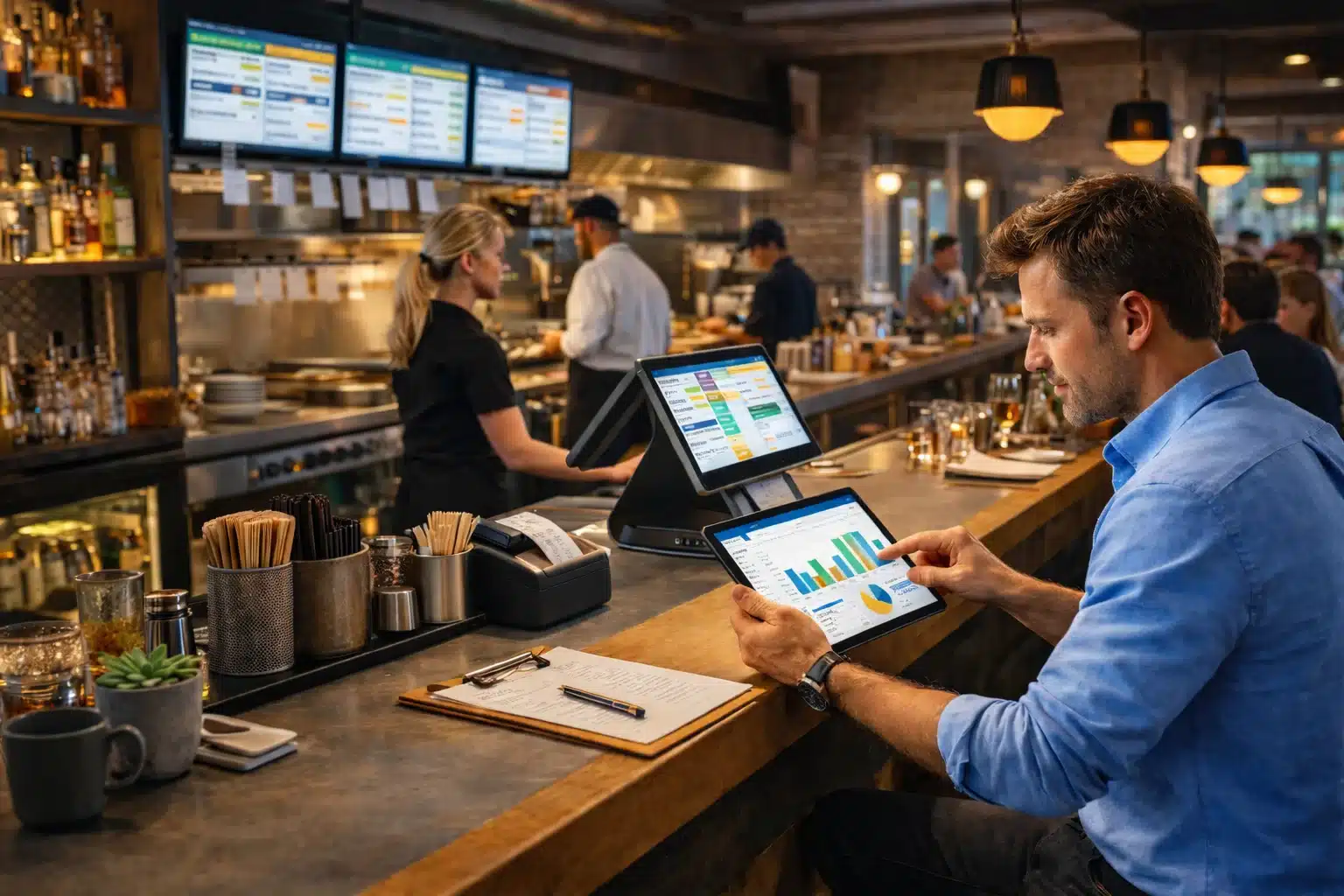
Modern point-of-sale systems offer far more than payment processing. A fully optimized POS system helps restaurants track sales performance, analyze menu popularity, manage inventory, and monitor staff productivity.
Real-time reporting enables restaurant owners to identify peak hours, popular dishes, and underperforming menu items. These insights allow restaurants to adjust menus, staffing levels, and promotions quickly.
POS integration with inventory systems and loyalty programs also improves operational efficiency while providing valuable customer insights.

Cost Control Strategies for Restaurant Tips and Tricks
Cost control is essential for maintaining profitability in the restaurant industry. With rising food prices, labor expenses, and operational costs, restaurants must carefully monitor spending while maintaining food quality and service standards.
Inventory Management
Proper inventory management helps restaurants minimize waste and reduce unnecessary purchasing. Regular inventory checks ensure stock levels match actual demand.
Automated inventory software can track ingredient usage and generate alerts when supplies run low. Restaurants that adopt digital inventory systems often reduce food waste by up to 20%.
Using a first-in-first-out (FIFO) inventory system ensures older ingredients are used before newer stock, reducing spoilage and maintaining food quality.
Portion Control
Standardized portion sizes help maintain consistency while preventing unnecessary food waste. Over-portioning can significantly increase food costs without improving customer satisfaction.
Using portioning tools, measuring cups, and digital scales ensures each dish contains the correct ingredient quantities. Consistent portion control can reduce food costs by 5–10% over time.
Energy Efficiency
Restaurants are energy-intensive businesses due to cooking equipment, refrigeration, lighting, and HVAC systems. Energy-efficient appliances and operational practices can significantly reduce utility costs.
Installing LED lighting, maintaining refrigeration equipment, and turning off unused appliances during slow periods can lower energy expenses while supporting sustainability initiatives.
Customer Service Techniques for Restaurant Tips and Tricks
Customer service is one of the most important factors influencing restaurant success. A positive dining experience encourages repeat visits, strong reviews, and word-of-mouth recommendations.
Effective Communication with Guests
Greeting guests warmly and setting clear expectations immediately improves the dining experience. Friendly communication builds trust and helps establish a welcoming atmosphere.
Servers should listen carefully to guest preferences, answer menu questions confidently, and provide thoughtful recommendations.
Personalized service can significantly improve customer satisfaction. Studies show that restaurants offering personalized service experiences often see higher repeat visit rates.
Upselling Techniques
Upselling increases revenue without increasing operational costs. Servers can recommend complementary items such as appetizers, beverages, or desserts.
For example, suggesting a wine pairing or a premium side dish enhances the dining experience while increasing average order value.
Restaurants that implement structured upselling training programs often increase average check size by 10–15%.
Handling Complaints Gracefully
Even the best restaurants occasionally face customer complaints. Handling issues quickly and professionally can turn a negative experience into a positive one.
Staff should acknowledge the problem, apologize sincerely, and offer a solution such as replacing the dish or providing a complimentary item.
Customers who feel heard and respected are far more likely to return despite initial issues.
Menu Engineering and Innovation
Menu engineering focuses on designing menus that maximize profitability while maintaining customer satisfaction.
Identifying Your Best-Selling Items
Sales reports help restaurants identify popular and profitable dishes. These items should receive prominent placement on menus to encourage more orders.
High-margin items often generate the majority of restaurant profits, so highlighting them strategically increases overall revenue.
Restaurant Tips and Tricks: Seasonal Menu Changes
Seasonal menus allow restaurants to incorporate fresh ingredients while keeping offerings exciting for customers.
Seasonal ingredients are often less expensive and more flavorful, allowing restaurants to create innovative dishes while maintaining cost efficiency.
Menu Layout and Design
Menu design influences customer ordering behavior. Strategic placement of high-margin dishes increases their visibility.
Restaurants should avoid overwhelming customers with too many menu options. A streamlined menu improves decision-making and reduces kitchen complexity.
Staff Training and Retention Tips
Restaurant staff play a critical role in delivering excellent customer experiences. High turnover can disrupt operations and increase training costs.
Onboarding and Continuous Training
New employees should receive structured onboarding that covers service standards, menu knowledge, and safety procedures.
Ongoing training keeps staff updated on new menu items, promotions, and service improvements.
Fostering a Positive Work Environment
Employee satisfaction significantly impacts service quality. Restaurants that foster positive workplace cultures often experience lower turnover rates.
Recognition programs, flexible scheduling, and career development opportunities help retain talented employees.
Employee Feedback and Engagement
Encouraging staff feedback helps identify operational improvements and build stronger management relationships.
Regular team meetings and performance discussions help maintain transparency and improve morale.
Technology Integration in Restaurants
Technology is transforming the restaurant industry by improving efficiency, reducing costs, and enhancing guest experiences.
POS Systems and Data Analytics
Modern POS systems provide real-time data on sales, inventory, and customer preferences. Restaurants can analyze these insights to refine menu strategies and optimize staffing.
Online Ordering and Delivery for Restaurant Tips and Tricks
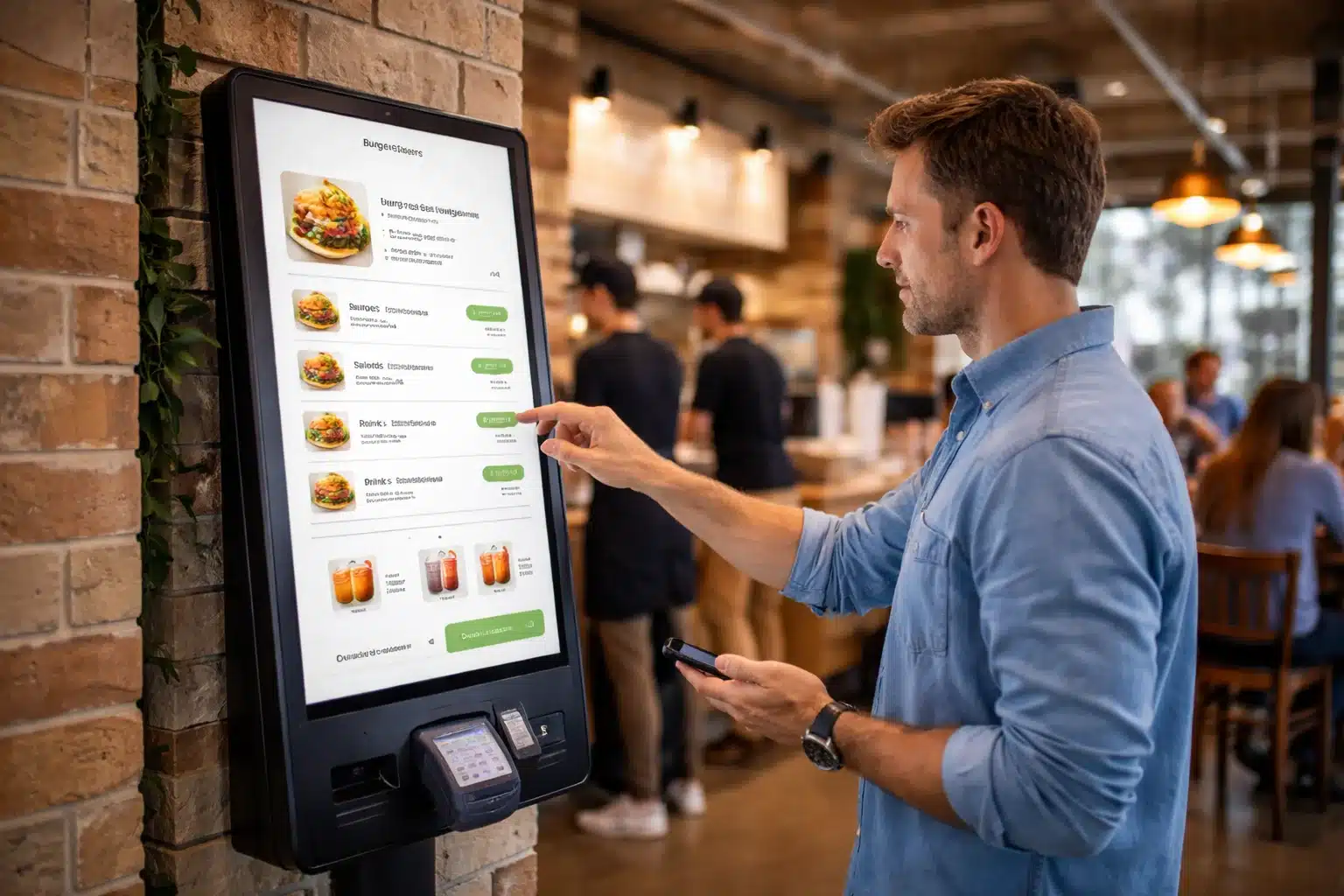
Online ordering platforms allow restaurants to reach customers beyond their physical locations. With the rise of delivery services, off-premise dining now represents a major revenue channel.
Restaurants that integrate online ordering systems into their operations often experience increased sales and improved order accuracy.
Customer Loyalty Programs
Digital loyalty programs encourage repeat visits by rewarding customers for frequent purchases.
These programs help restaurants build stronger relationships with guests while collecting valuable data on purchasing behavior.
Sustainability and Local Sourcing
Sustainability practices are becoming increasingly important for modern restaurants.
Local Sourcing
Sourcing ingredients from local suppliers improves freshness while supporting local communities.
Restaurants that highlight locally sourced ingredients often attract environmentally conscious diners.
Waste Reduction for Restaurant Tips and Tricks
Reducing food waste improves both profitability and environmental responsibility. Restaurants can implement composting programs, donation partnerships, and waste tracking tools.
Eco-friendly Packaging
Eco-friendly packaging helps reduce environmental impact while appealing to sustainability-focused customers.
Restaurant Branding and Marketing Strategies
Strong branding helps restaurants stand out in crowded markets.
Social Media Marketing for Restaurant Tips and Tricks
Platforms like Instagram and Facebook allow restaurants to showcase dishes, promotions, and behind-the-scenes content.
Consistent social media engagement helps build brand awareness and attract new customers.
Creating a Unique Brand Identity
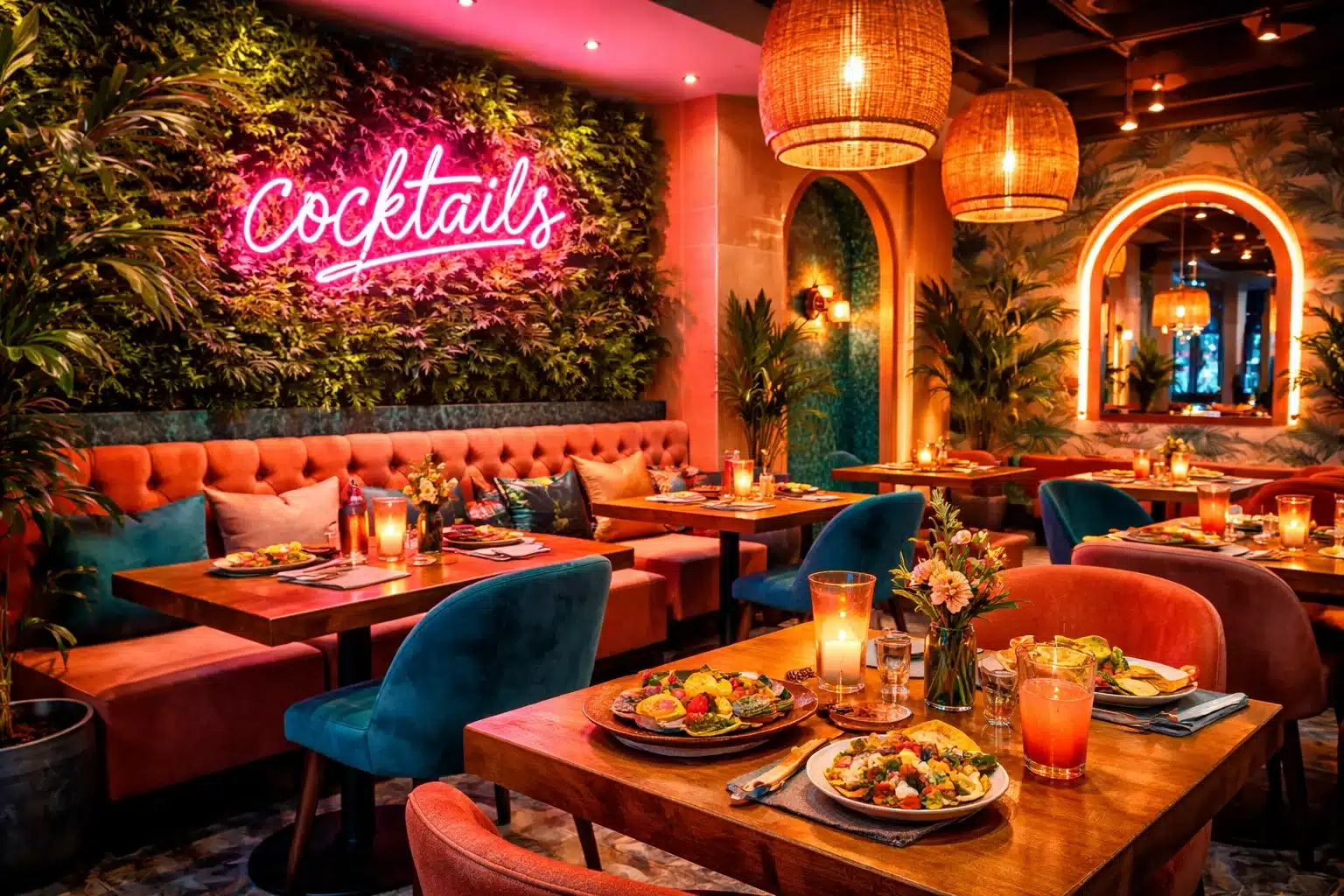
A restaurant’s brand includes its atmosphere, menu style, visual design, and overall customer experience.
Consistency across all customer touchpoints strengthens brand recognition and loyalty.
Community Engagement for Restaurant Tips and Tricks
Partnering with local organizations, hosting community events, and supporting charities can strengthen relationships with local customers.

How Biyo Helps Restaurants Improve Efficiency
Modern restaurant management increasingly relies on integrated technology platforms. Biyo offers tools designed specifically to help restaurants streamline operations, improve data visibility, and enhance customer engagement.
Restaurants looking to modernize their operations can schedule a consultation with Biyo to explore how advanced POS systems, inventory tracking, and data analytics can simplify daily management tasks.
Restaurant owners who want to implement these tools immediately can also sign up for the Biyo platform to access features such as sales reporting, inventory management, and customer loyalty integrations that support long-term restaurant growth.
Frequently Asked Questions
What are the best restaurant tips for improving staff efficiency?
Improving staff efficiency involves optimizing kitchen workflow, using scheduling software, implementing POS technology, and providing regular staff training.
How can restaurants reduce food costs?
Restaurants can reduce food costs through accurate inventory management, portion control, menu engineering, and sourcing seasonal ingredients.
What are some creative menu ideas to attract customers?
Seasonal menus, limited-time specials, and innovative flavor combinations help keep menus exciting while encouraging repeat visits.
How does technology improve restaurant management?
Technology improves restaurant management by providing real-time data, automating operational tasks, improving order accuracy, and enabling better customer engagement.
Why is customer service important for restaurants?
Excellent customer service builds loyalty, encourages positive reviews, and increases repeat visits, which are essential for long-term restaurant success.
What role does branding play in restaurant growth?
Strong branding helps restaurants stand out from competitors, build recognition, and attract loyal customers through consistent messaging and memorable experiences.