Running a successful sandwich shop requires much more than assembling ingredients between slices of bread. Today’s customers expect freshness, speed, customization, consistency, and convenience every time they place an order. Because of this, modern sandwich shops have evolved into highly efficient quick-service concepts that combine culinary creativity with streamlined restaurant operations.
Across cities, suburbs, and business districts, sandwich shops continue to thrive because they provide meals that are convenient yet still feel fresh and personalized. According to restaurant industry trends, sandwiches consistently rank among the most popular lunch options in the United States, with quick-service restaurants generating billions in annual sandwich sales. Their popularity comes from versatility, affordability, portability, and the ability to accommodate almost every dietary preference.
Modern consumers increasingly look for artisan bread, premium deli meats, fresh vegetables, locally sourced ingredients, and customizable menu options. At the same time, restaurant owners must manage increasing expectations for rapid service, online ordering, takeout efficiency, catering, and digital loyalty programs. Balancing quality and operational efficiency has become one of the most important challenges for modern sandwich shops.
Successful sandwich businesses understand that customer experience extends beyond the food itself. Store atmosphere, ingredient freshness, order accuracy, speed of service, menu innovation, and technology integration all influence whether customers return regularly or choose competitors instead.
This guide explores what makes a sandwich shop truly successful in today’s competitive food service industry. From bread selection and gourmet fillings to operational efficiency and modern POS technology, you’ll learn how sandwich shops create memorable customer experiences while maintaining profitable operations.
Table of Contents
- Bread Varieties and Artisanal Ingredients
- Customizable Sandwiches and Gourmet Fillings
- Quick Service and Takeout Experience
- Meal Deals, Lunch Specials, and Catering Services
- Building Customer Loyalty in a Sandwich Shop
- The Role of Technology in Modern Sandwich Shops
- Future Trends in the Sandwich Shop Industry
- About Biyo POS
- Frequently Asked Questions
Bread Varieties and Artisanal Ingredients
The foundation of every memorable sandwich begins with high-quality bread and carefully selected ingredients. A successful sandwich shop understands that bread is not simply a container for fillings. It acts as the structural base, texture component, and flavor carrier that influences the overall experience of every sandwich.
Modern sandwich shops often collaborate with local bakeries or bake bread in-house to ensure freshness and consistency. From crusty baguettes and ciabatta rolls to brioche buns and focaccia, bread variety allows restaurants to offer unique flavor experiences while appealing to different customer preferences.
Importance of Fresh Bread in a Sandwich Shop
Fresh bread dramatically affects sandwich quality. Bread baked daily delivers better texture, aroma, softness, and structural integrity compared to stale or mass-produced alternatives. Customers immediately notice the difference when bread is fresh because it improves both flavor and mouthfeel.
For example, a classic Italian sub depends heavily on a crusty roll capable of holding oils, sauces, vegetables, and meats without becoming soggy. A toasted panini requires bread that crisps properly while maintaining softness inside. If the bread lacks quality, even premium fillings cannot fully compensate for the overall experience.
Many artisan sandwich shops use specialty breads such as sourdough, rye, multigrain, pretzel buns, focaccia, or ciabatta to create menu variety. Bread choices also help restaurants differentiate themselves from competitors by establishing a more premium and handcrafted identity.
Exploring Bread Varieties and Their Impact
Different bread styles create completely different sandwich experiences. Soft rolls provide comfort and familiarity, while crusty baguettes add texture and crunch. Brioche buns introduce buttery sweetness, and multigrain bread appeals to health-conscious consumers looking for fiber-rich alternatives.
Wraps and flatbreads have also become increasingly popular because they provide portable and lighter meal options. Many customers prefer wraps for takeout lunches because they are easier to eat on the go and less messy during transportation.
Gluten-free bread alternatives have expanded significantly as more customers seek dietary accommodations. Successful sandwich shops often include gluten-free and low-carb options to appeal to broader audiences and avoid excluding customers with dietary restrictions.
Bread selection also affects how sauces and fillings interact. Dense breads like ciabatta hold heavy ingredients well, while softer breads pair better with lighter fillings and spreads. Matching bread correctly with ingredients is an important part of sandwich design.
Role of Artisanal Ingredients and Local Produce
Premium ingredients transform ordinary sandwiches into gourmet meals. Customers increasingly prefer fresh produce, quality meats, artisan cheeses, and house-made sauces over heavily processed ingredients.
Locally sourced vegetables such as heirloom tomatoes, organic lettuce, cucumbers, onions, and fresh herbs improve freshness while supporting local farms and suppliers. Seasonal ingredients also allow sandwich shops to introduce rotating menu specials that keep offerings exciting throughout the year.
House-made spreads and sauces further elevate flavor complexity. Garlic aioli, chipotle mayo, pesto, truffle spreads, honey mustard, and herb-infused dressings create signature flavors that customers remember and return for.
Premium proteins such as smoked turkey, roast beef, grilled chicken, pastrami, prosciutto, tuna salad, or slow-roasted meats help sandwich shops position themselves as higher-quality dining options rather than simple fast-food establishments.
Customizable Sandwiches and Gourmet Fillings
Customization has become one of the defining characteristics of modern sandwich shops. Customers increasingly expect flexibility when ordering meals, allowing them to personalize bread types, proteins, vegetables, cheeses, toppings, and sauces based on their preferences.
This level of control improves customer satisfaction while helping sandwich shops appeal to a wider range of dietary preferences and lifestyles.
Why Customization Matters to Customers
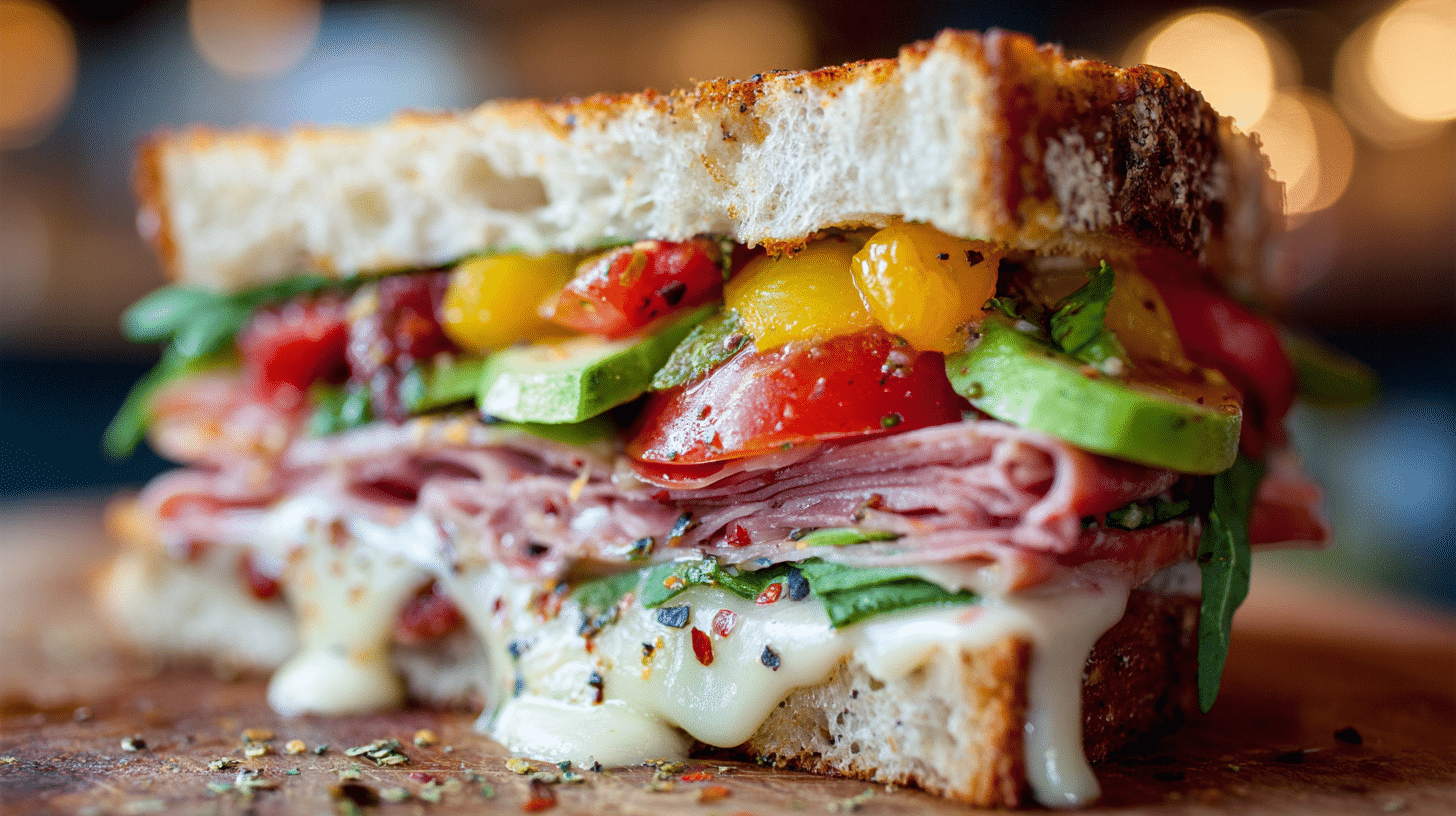
Customization gives customers the ability to create meals tailored to their tastes and nutritional goals. One customer may prefer whole grain bread with grilled chicken, avocado, spinach, and pesto, while another chooses a vegetarian sandwich filled with hummus, roasted vegetables, and fresh greens.
Customization also supports customers with dietary restrictions, allergies, or health-conscious eating habits. Offering vegan proteins, gluten-free bread, dairy-free cheese, and low-calorie sauces allows sandwich shops to attract more diverse audiences.
Modern consumers value personalization because it creates a sense of involvement and control over the dining experience. Restaurants that offer build-your-own sandwich options often experience stronger customer engagement and repeat visits.
Popular Gourmet Fillings That Delight Customers
Today’s sandwich shops go far beyond traditional ham and cheese combinations. Gourmet fillings have become increasingly popular as customers seek elevated flavors and restaurant-quality ingredients.
Smoked turkey, roast beef, pastrami, grilled chicken, pulled pork, smoked salmon, prosciutto, and marinated steak are commonly featured proteins in premium sandwich shops. These proteins are often paired with artisan cheeses, roasted vegetables, caramelized onions, or specialty sauces.
Vegetarian sandwiches have also become more creative and sophisticated. Roasted portobello mushrooms, grilled zucchini, avocado, marinated artichokes, roasted peppers, falafel, and hummus create flavorful alternatives that appeal to non-meat eaters without sacrificing satisfaction.
Toasted sandwiches remain especially popular because heat enhances aroma, melts cheese, and improves texture contrast. Paninis and pressed sandwiches continue performing strongly because customers associate warm sandwiches with comfort and freshness.
Enhancing Flavor with Sauces and Spreads
Sauces and spreads play a critical role in sandwich flavor balance. They help bind ingredients together while adding moisture, acidity, spice, creaminess, or sweetness.
Classic condiments such as mayonnaise and mustard remain popular, but modern sandwich shops increasingly use house-made sauces to create unique flavor identities. Chipotle mayo, garlic aioli, basil pesto, spicy sriracha blends, honey mustard, and herb dressings help distinguish menu items from competitors.
Offering multiple sauce options also encourages experimentation and personalization, making customers more likely to return and try new combinations.
Many successful sandwich shops develop signature sauces that become closely associated with their brand. These signature flavors often create strong customer loyalty because they cannot easily be replicated elsewhere.
Quick Service and Takeout Experience
Speed and convenience are essential for sandwich shops because many customers visit during busy lunch breaks, work commutes, or short meal periods. Customers expect quick service without sacrificing freshness or order accuracy.
Balancing Speed with Food Quality
Efficient sandwich shops rely on organized prep stations where ingredients are sliced, portioned, and arranged for rapid assembly. Staff workflows are designed to minimize delays during peak lunch hours while maintaining food consistency.
Fresh vegetables are typically prepped daily, proteins are portioned in advance, and bread is prepared for quick access. These systems help staff produce sandwiches rapidly while preserving freshness and presentation.
Consistency is equally important. Customers expect the same quality and flavor every time they visit. Standardized recipes and preparation methods help maintain consistency across shifts and employees.
Importance of Takeout and Delivery Services
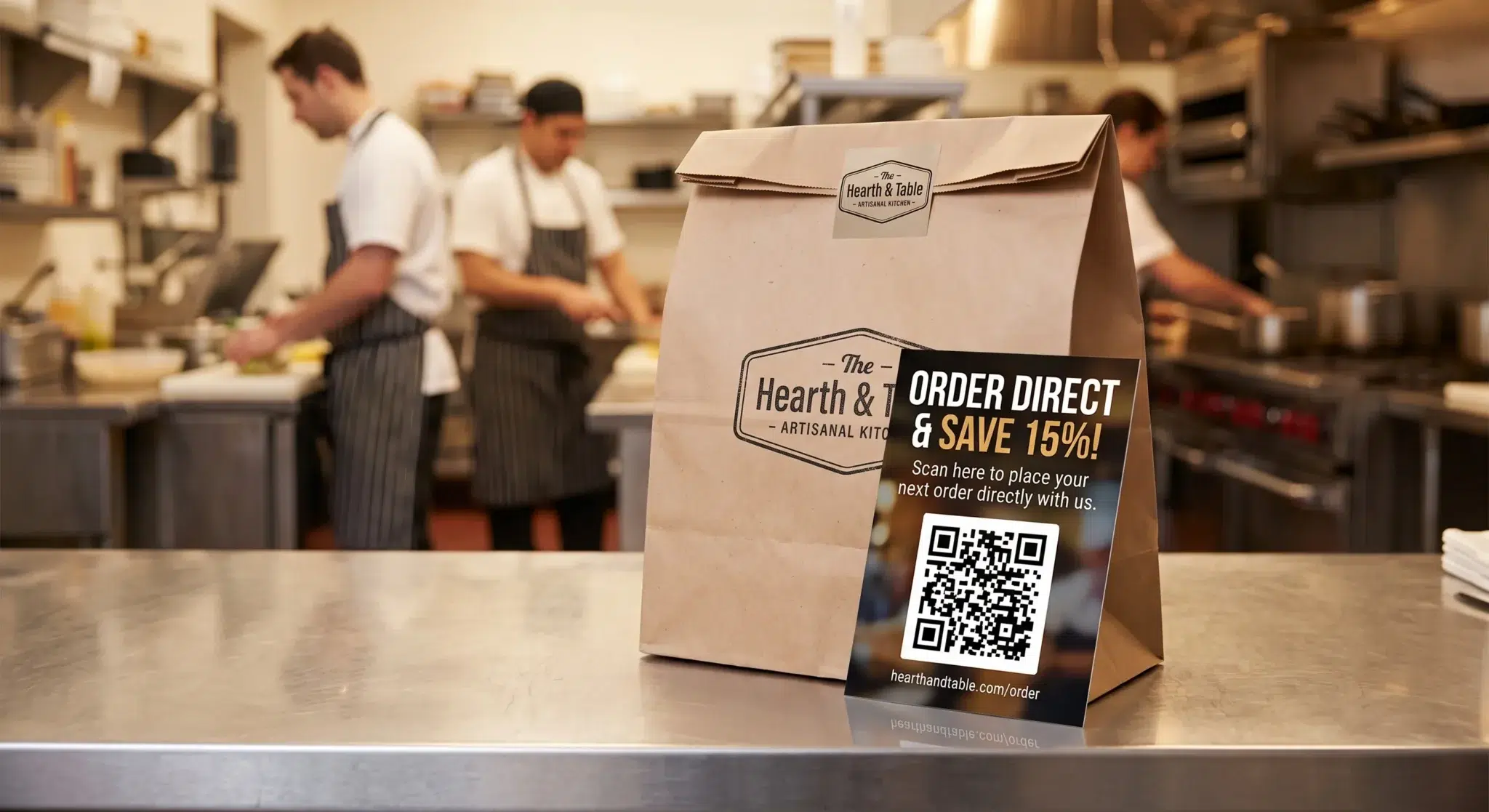
Takeout and delivery have become major revenue drivers for sandwich shops. Proper packaging is critical because sandwiches must remain fresh, visually appealing, and structurally intact during transportation.
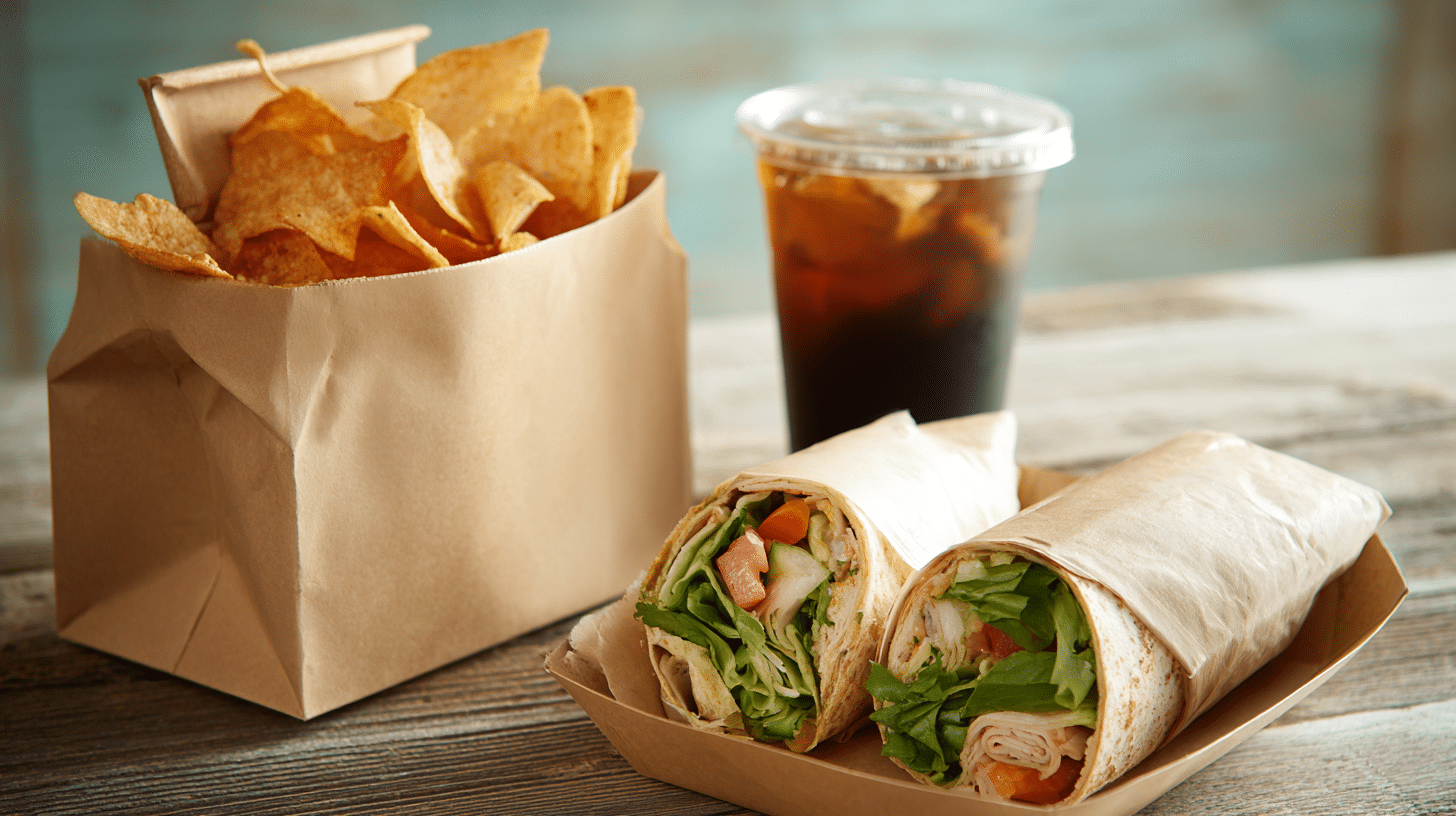
Wraps and handheld sandwiches perform especially well for takeout because they travel easily and remain convenient for customers eating on the go.
Many sandwich shops now partner with third-party delivery services or offer direct online ordering systems to increase accessibility and convenience. Mobile ordering allows customers to skip lines while improving operational efficiency during busy periods.
Creating a Comfortable Casual Dining Environment
Although takeout is important, dine-in experiences still matter significantly. Comfortable seating, clean interiors, welcoming lighting, and friendly customer service help create inviting environments where guests enjoy spending time.
A relaxed atmosphere can increase customer satisfaction and encourage repeat visits. Many successful sandwich shops blend fast-casual efficiency with warm and approachable dining environments.
Restaurants located near offices, universities, and shopping districts especially benefit from offering comfortable dine-in spaces because customers often seek quick but relaxing lunch experiences.
Meal Deals, Lunch Specials, and Catering Services
Meal bundles, rotating specials, and catering services help sandwich shops increase revenue while attracting broader customer groups.
Meal Deals That Increase Average Order Value
Meal deals encourage customers to purchase additional items such as chips, drinks, soups, cookies, or salads alongside sandwiches. Bundled pricing creates stronger perceived value while increasing total transaction amounts.
Combo meals are particularly effective during lunch hours because customers often prioritize convenience and speed when making purchasing decisions.
Many sandwich shops strategically design meal deals around high-margin items to improve profitability while still appearing affordable to customers.
Lunch Specials That Encourage Repeat Visits
Rotating lunch specials keep menus fresh and generate excitement among regular customers. Seasonal ingredients and creative recipes allow restaurants to experiment with new combinations while testing customer preferences.
Limited-time offers also create urgency that encourages customers to visit before menu items disappear. Sandwich shops frequently use seasonal vegetables, specialty breads, or themed flavors to develop unique promotions.
Daily specials additionally help restaurants utilize ingredients efficiently while reducing food waste.
Catering Services for Offices and Events
Catering services provide major revenue opportunities for sandwich shops. Offices, meetings, conferences, schools, and corporate events frequently order sandwich platters because they are easy to serve and accommodate various dietary preferences.
Catering menus often include assorted sandwiches, wraps, salads, desserts, beverages, and boxed lunches designed for convenient sharing.
Efficient catering operations require strong organization and inventory management. Using tools like a deli POS system helps restaurants manage large orders, coordinate preparation schedules, and maintain accurate inventory tracking.
Building Customer Loyalty in a Sandwich Shop
Customer loyalty is one of the most important drivers of long-term profitability for sandwich shops. Repeat customers provide stable revenue while reducing marketing costs associated with attracting entirely new customers.
Loyalty programs encourage repeat visits by rewarding customers with points, discounts, free menu items, or exclusive promotions. Digital loyalty systems integrated into POS platforms simplify reward tracking while improving customer engagement.
Consistency also plays a major role in loyalty. Customers return when they trust that sandwiches will taste fresh, orders will be accurate, and service will remain friendly every time they visit.
Strong branding and memorable signature menu items further strengthen customer attachment. Shops known for specific sandwiches, sauces, or artisan bread often develop loyal followings that differentiate them from competitors.
Social media marketing additionally helps sandwich shops maintain visibility and engage with local communities. High-quality food photography, seasonal promotions, and behind-the-scenes content often attract significant customer interest online.
The Role of Technology in Modern Sandwich Shops
Technology now plays a major role in helping sandwich shops operate efficiently while improving customer experiences.
Streamlining Orders with Advanced POS Systems
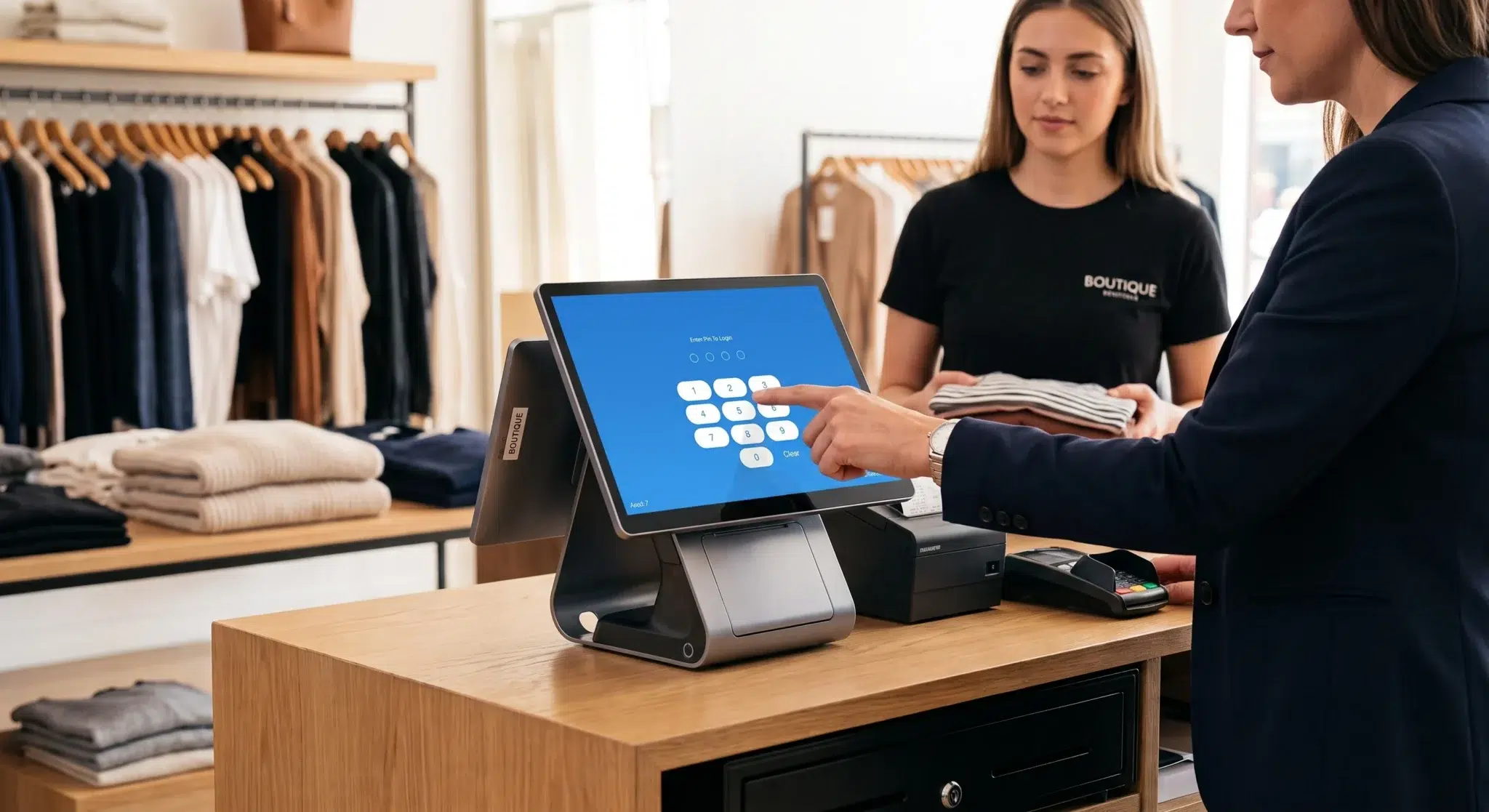
Modern POS systems simplify order management by allowing staff to quickly customize sandwiches, apply modifiers, process payments, and manage online orders from one platform.
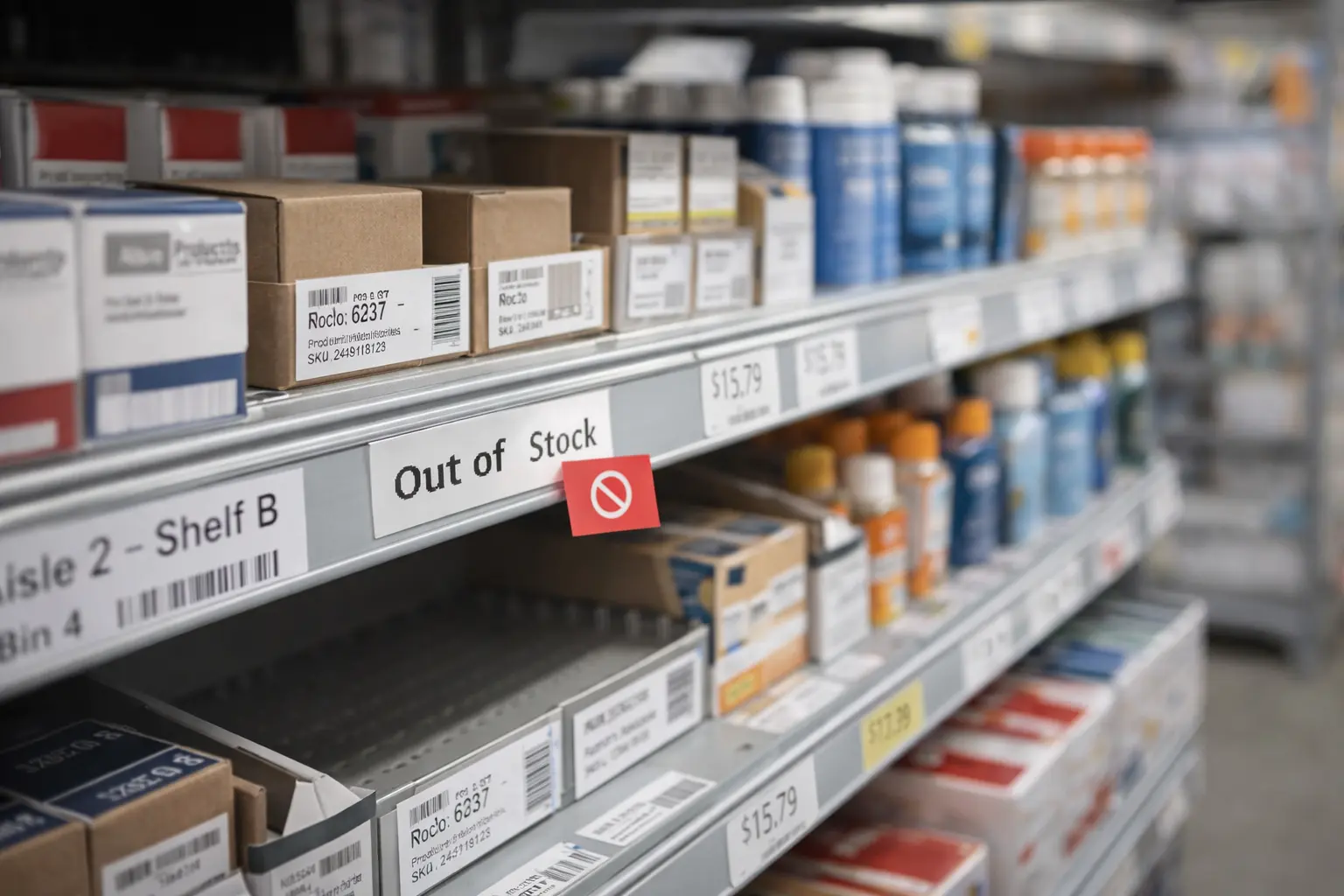
Inventory tracking features automatically update ingredient counts as orders are processed, helping restaurants monitor stock levels and reduce shortages.
Faster order processing improves customer satisfaction by reducing wait times during busy periods.
Improving Customer Engagement Through Digital Tools
Digital receipts, mobile ordering, loyalty programs, and targeted promotions help sandwich shops maintain communication with customers while encouraging repeat visits.
Many restaurants also use customer data to identify purchasing trends and personalize promotional offers more effectively.
Using Analytics to Improve Operations
Advanced analytics help sandwich shop owners identify best-selling sandwiches, peak business hours, and ingredient usage patterns.
These insights support smarter menu planning, staffing decisions, and purchasing strategies while helping businesses optimize profitability.
Restaurants that actively use operational data often make faster and more informed decisions compared to businesses relying on guesswork or manual reporting.
Future Trends in the Sandwich Shop Industry
The sandwich shop industry continues evolving as customer expectations and dining habits change. Health-conscious eating trends are increasing demand for organic ingredients, low-carb bread alternatives, plant-based proteins, and fresh vegetables.
Sustainability is also becoming more important. Many sandwich shops are reducing plastic packaging, sourcing locally, and minimizing food waste to appeal to environmentally conscious customers.
Technology adoption will likely continue expanding through self-order kiosks, AI-powered inventory forecasting, mobile ordering apps, and automated loyalty systems.
Ghost kitchens and delivery-focused concepts are also influencing the industry by allowing sandwich brands to operate with lower overhead costs while focusing heavily on online ordering and delivery efficiency.
Despite these changes, one factor remains constant: customers continue valuing freshness, customization, and convenience. Sandwich shops that consistently deliver these qualities are likely to remain successful in highly competitive markets.
About Biyo POS
Modern restaurant technology helps sandwich shops streamline operations while maintaining fast service and consistent order accuracy. Platforms like Biyo POS provide tools for managing customizable orders, tracking inventory, and analyzing restaurant performance.
With integrated inventory tracking, customer management, reporting tools, and fast checkout capabilities, Biyo POS helps sandwich shops maintain efficient workflows even during busy lunch rushes and catering operations.
The platform also supports restaurants with reporting insights that help owners identify best-selling menu items, monitor sales trends, and improve operational efficiency.
Restaurant owners interested in improving operations can explore the platform further by creating an account through the Biyo POS system.
Frequently Asked Questions
What makes a sandwich shop different from a traditional restaurant?
A sandwich shop focuses primarily on quick-service meals built around customizable sandwiches, wraps, and handheld menu items designed for fast preparation and convenience.
Why is fresh bread important in a sandwich shop?
Fresh bread improves flavor, texture, aroma, and structural integrity, significantly influencing the overall quality and customer experience of a sandwich.
Do modern sandwich shops offer vegetarian or vegan options?
Yes. Most modern sandwich shops offer vegetarian and vegan menu items using ingredients such as grilled vegetables, hummus, plant-based proteins, avocado, and fresh produce.
How do sandwich shops maintain fast service during busy hours?
Efficient prep stations, ingredient organization, standardized recipes, and modern POS systems help sandwich shops maintain speed and order accuracy during rush periods.
Why are catering services important for sandwich shops?
Catering allows sandwich shops to generate additional revenue by serving offices, meetings, schools, and events with platters, boxed lunches, and group meal packages.
How does technology improve sandwich shop operations?
Technology such as POS systems helps restaurants streamline orders, track inventory, process payments quickly, manage loyalty programs, and analyze sales data more effectively.
What are the most popular sandwich shop menu trends?
Popular trends include artisan bread, gourmet sauces, customizable sandwiches, plant-based proteins, locally sourced ingredients, and healthier menu alternatives.
Can sandwich shops benefit from online ordering?
Yes. Online ordering improves convenience for customers, supports takeout and delivery growth, and helps restaurants handle higher order volumes more efficiently.