In today’s fast-paced digital economy, the customer experience in online ordering has become one of the most important differentiators for businesses in food service, retail, and hospitality. As consumers increasingly rely on mobile apps and websites to purchase products, their expectations have evolved beyond simple convenience. Customers now demand speed, personalization, transparency, and reliability throughout every step of the ordering journey.
Research from Statista shows that global online food delivery revenue is projected to exceed $1 trillion within the next few years, while retail e-commerce continues to grow annually across nearly every market. With such rapid expansion, businesses that fail to optimize the customer experience in online ordering risk losing customers to competitors who offer smoother and more intuitive digital platforms.
The customer journey in online ordering typically includes multiple stages: browsing products, customizing orders, checking out, tracking deliveries, and receiving post-purchase support. Each stage presents opportunities for businesses to either delight or frustrate their customers. Even minor issues such as slow page loads, confusing navigation, or complicated checkout processes can significantly increase cart abandonment rates.
This guide explores the most critical components shaping a successful customer experience in online ordering. From user interface design and real-time order tracking to personalization strategies and POS integration, understanding these factors can help businesses create digital ordering systems that boost customer satisfaction, increase conversion rates, and encourage repeat purchases.
Table of Contents
- User-Friendly Interface and Clear Navigation
- Real-Time Order Tracking and Customization Options
- Mobile Optimization and Secure Payment Solutions
- Personalized Recommendations and Loyalty Rewards
- Seamless Integration with POS and Customer Support
- How Biyo Improves the Online Ordering Experience
- Frequently Asked Questions
User-Friendly Interface and Clear Navigation
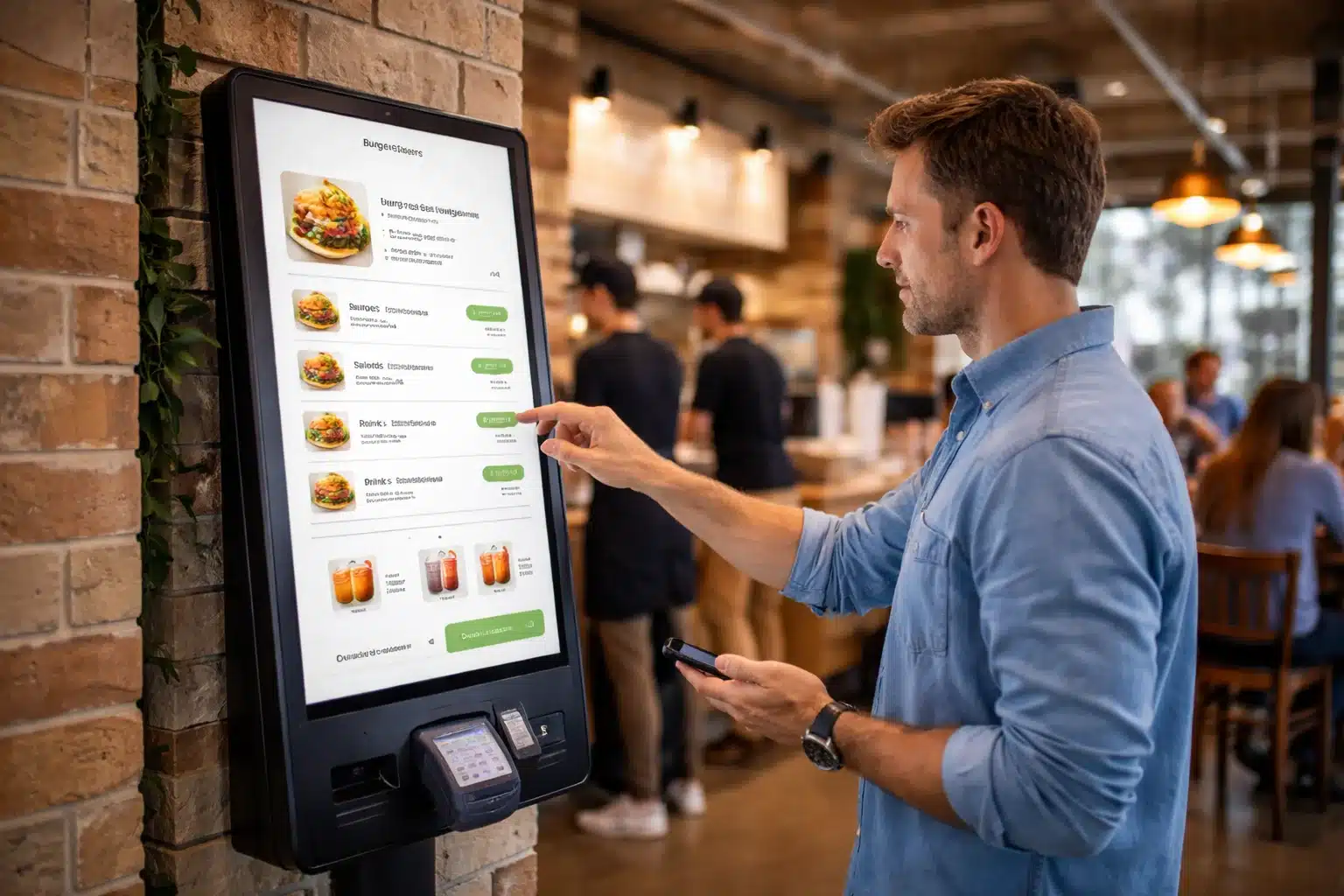
A well-designed interface is the foundation of a positive customer experience in online ordering. When users visit a website or mobile app, they expect to find products quickly and complete purchases without confusion. A clean interface not only improves usability but also encourages customers to explore menus or product catalogs more thoroughly.
User interface design directly influences conversion rates. Studies have shown that nearly 88% of online customers are less likely to return to a website after experiencing usability problems. For restaurants and retailers relying heavily on digital orders, this means that a poorly designed interface can lead to significant revenue loss.
Businesses that invest in thoughtful design create a smoother browsing experience that reduces friction and keeps customers engaged from the first click to final checkout. Effective interface design also contributes to stronger brand perception because customers tend to associate easy-to-use digital platforms with professionalism and reliability.
Designing with the User in Mind
Effective design begins with understanding customer behavior. For example, a restaurant targeting busy office workers should prioritize speed and simplicity in its interface. Large buttons, minimal text, and prominent “Add to Cart” options allow users to complete orders quickly.
Visual hierarchy also plays a major role. High-quality images of menu items or products help customers make purchasing decisions faster, while well-organized categories simplify browsing. Accessibility considerations such as readable fonts and high-contrast colors ensure the platform remains usable for customers with visual impairments.
Another important design technique is progressive disclosure. Instead of overwhelming customers with too much information, advanced options appear only when needed. A menu might show basic dish names initially, while ingredient details and nutritional information become visible when users tap for more details.
Clear Navigation for Effortless Browsing
Clear navigation structures help customers move smoothly through the ordering process. Logical menu categories—such as appetizers, main dishes, desserts, and beverages—allow users to locate items quickly. Retail platforms may organize products by brand, category, or popularity.
Consistent navigation elements such as fixed headers, search bars, and breadcrumb trails ensure customers always know where they are within the platform. These features reduce confusion and make it easy to return to previous pages without restarting the browsing process.
Another important navigation feature is contextual suggestions. Subtle prompts like “Customers also ordered” or “Recommended with this item” guide users naturally through the shopping experience without interrupting their flow. When implemented correctly, these suggestions increase average order value while maintaining a smooth user journey.
Importance of Minimal Loading Times
Speed is a critical yet often overlooked factor in the customer experience in online ordering. Research from Google shows that a one-second delay in page load time can reduce conversion rates by up to 7%. For businesses handling large volumes of orders, slow performance can translate into thousands of dollars in lost revenue.
Optimizing images, minimizing scripts, and using content delivery networks (CDNs) significantly improve loading speeds. Techniques like lazy loading allow images to load only when they appear on the screen, reducing initial page load times.
Fast-loading platforms create a perception of professionalism and reliability. Customers are more likely to trust businesses whose digital platforms respond quickly and consistently. Over time, improved performance also contributes positively to SEO rankings, increasing visibility and attracting more potential customers.
Real-Time Order Tracking and Customization Options
After placing an order, customers want transparency and control over the fulfillment process. Real-time tracking and flexible customization options significantly improve the customer experience in online ordering by reducing uncertainty and empowering customers to personalize their purchases.
Providing these features builds trust and encourages repeat business because customers feel confident that their needs are understood and respected. Transparency in order processing also reduces the number of support inquiries businesses receive, improving operational efficiency.
Real-Time Order Tracking for Peace of Mind
Real-time order tracking has become a standard feature in modern delivery services. Customers appreciate knowing whether their order is being prepared, packed, or delivered. Platforms often display this information through progress bars or live maps showing delivery driver locations.
This level of transparency reduces anxiety and decreases the number of customer service inquiries about delivery status. Businesses benefit as well because real-time tracking improves operational efficiency and communication.
Push notifications and SMS updates further enhance the experience by informing customers when their order is confirmed, dispatched, or nearing delivery. These notifications create a sense of reliability and professionalism that strengthens brand trust.
Flexible Order Customization to Meet Unique Needs
Customization allows customers to tailor orders according to personal preferences. In the food industry, this might involve selecting toppings, adjusting portion sizes, or requesting dietary modifications.
An intuitive customization interface uses toggles, dropdown menus, and checkboxes to simplify these choices. Clear summaries of selected options ensure customers understand exactly what they are ordering before checkout.
Retail businesses can apply similar customization features through options such as product color, size, engraving, or gift wrapping. Allowing customers to personalize products increases satisfaction and often raises the average order value.
Saved Preferences for Convenient Reordering
Many customers repeat the same purchases regularly. Saved preferences allow them to reorder favorite items quickly without repeating the entire selection process.
This functionality saves time and encourages loyalty because customers appreciate the convenience of one-click reordering. Platforms may also use saved preferences to generate targeted reminders or promotional offers based on past purchases.
When implemented correctly, saved preferences transform occasional buyers into frequent customers. Businesses benefit from increased order frequency and stronger long-term customer relationships.
Mobile Optimization and Secure Payment Solutions
Mobile devices now account for a significant portion of online orders. Ensuring that ordering platforms function seamlessly on smartphones and tablets is essential for delivering a strong customer experience in online ordering.
Security is equally important. Customers must trust that their personal and financial information is protected during transactions. Businesses that fail to implement robust security practices risk damaging their reputation and losing customer trust.
Optimizing for Mobile Devices
Mobile optimization involves designing interfaces specifically for smaller screens and touch-based navigation. Responsive design ensures that layouts automatically adjust to different screen sizes, preventing users from needing to zoom or scroll excessively.
Touch-friendly buttons, simplified menus, and fast-loading pages all contribute to a smoother mobile experience. Businesses that prioritize mobile optimization often see higher engagement rates and increased order completion.
Testing across multiple devices and operating systems helps identify compatibility issues before customers encounter them. Continuous optimization ensures the mobile experience remains smooth even as technology evolves.
Ensuring Secure Payment Processing
Secure payment gateways protect sensitive customer data through encryption and tokenization. Compliance with security standards such as PCI DSS ensures that payment systems meet industry safety requirements.
Offering multiple payment methods—including credit cards, digital wallets, and mobile payment services—provides customers with flexibility and convenience during checkout. Displaying security badges during the payment process also reassures customers that their data is protected.
Streamlining the Checkout and Fast Checkout Options
Checkout should be quick and straightforward. Long forms or complicated processes often lead to cart abandonment. Allowing guest checkout and auto-filled address fields significantly reduces friction.
Fast checkout features such as saved payment methods and one-click purchasing streamline the process for returning customers, improving both satisfaction and conversion rates.
Reducing the number of required steps during checkout is one of the most effective ways to increase order completion rates.
Personalized Recommendations and Loyalty Rewards
Personalization enhances the customer experience in online ordering by making customers feel understood and valued. When businesses use customer data responsibly, they can provide tailored recommendations that align with individual preferences.
Combined with loyalty programs, personalization helps build long-term relationships with customers while increasing revenue opportunities.
Delivering Personalized Recommendations
Recommendation systems analyze customer behavior to suggest products that align with their interests. For example, an online bakery might recommend pastries that pair well with coffee purchases.
Seasonal suggestions, limited-time offers, and frequently purchased combinations all contribute to a more engaging shopping experience. Customers often appreciate suggestions that feel helpful rather than promotional.
Implementing Loyalty Rewards Programs
Loyalty programs reward repeat customers through points, discounts, or exclusive offers. Digital rewards systems automatically track purchases and display progress toward rewards.
These programs encourage frequent orders while strengthening the emotional connection between customers and the brand. Customers who feel valued are far more likely to return regularly.
Saving Preferences to Enhance Personalization
Stored preferences allow platforms to tailor content and promotions based on individual habits. Personalized greetings, targeted offers, and quick reordering features make customers feel valued.
Accurate data management ensures these personalized experiences remain relevant and helpful rather than intrusive. When personalization is executed properly, it significantly improves customer satisfaction and engagement.
Seamless Integration with POS and Customer Support
Behind every successful online ordering platform is a reliable technological infrastructure. Integrating online ordering systems with POS platforms ensures accuracy and efficiency while responsive support maintains customer satisfaction.
When digital ordering platforms work seamlessly with operational systems, businesses can process orders faster and maintain consistent service quality.
Integrating Online Ordering with POS Systems
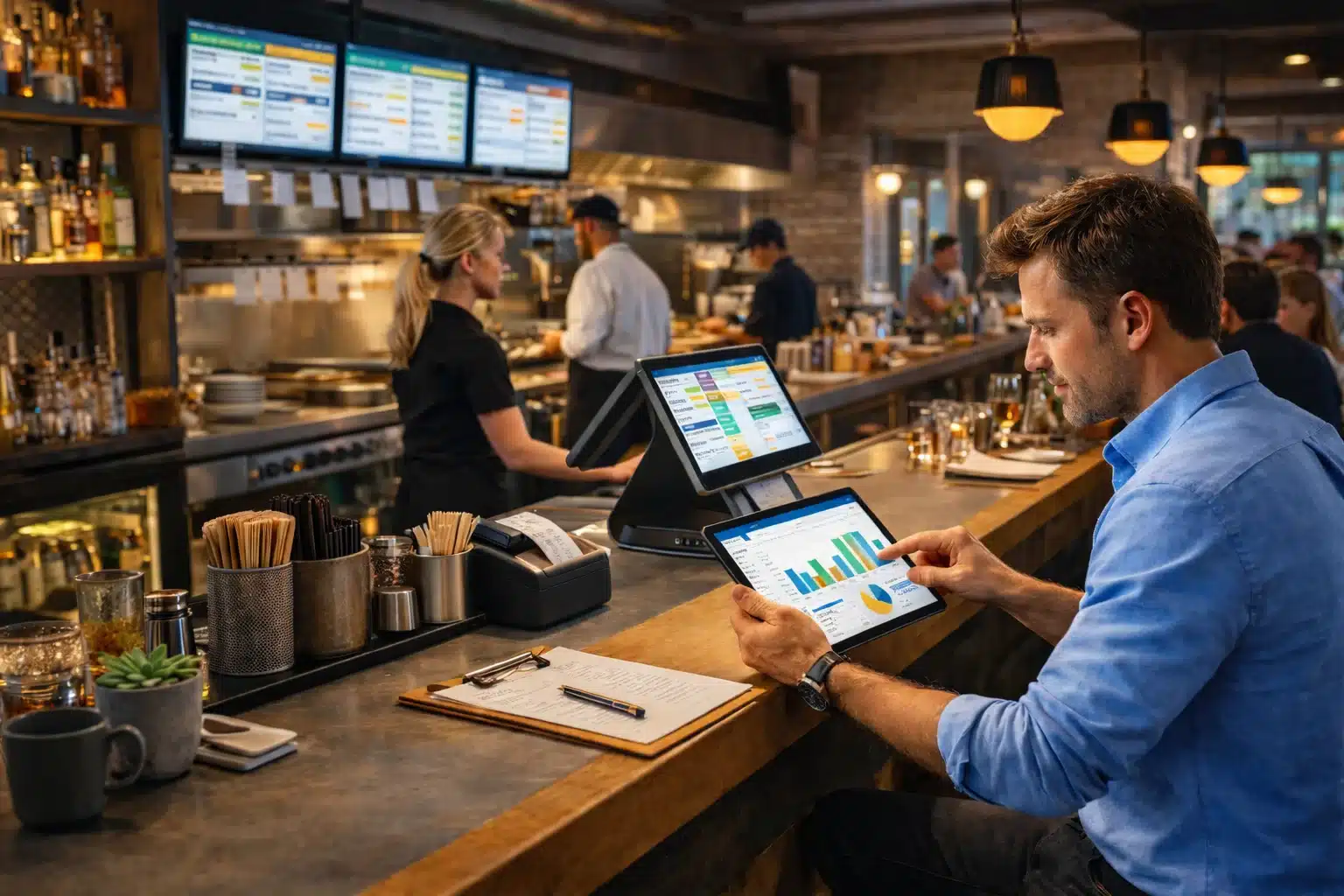
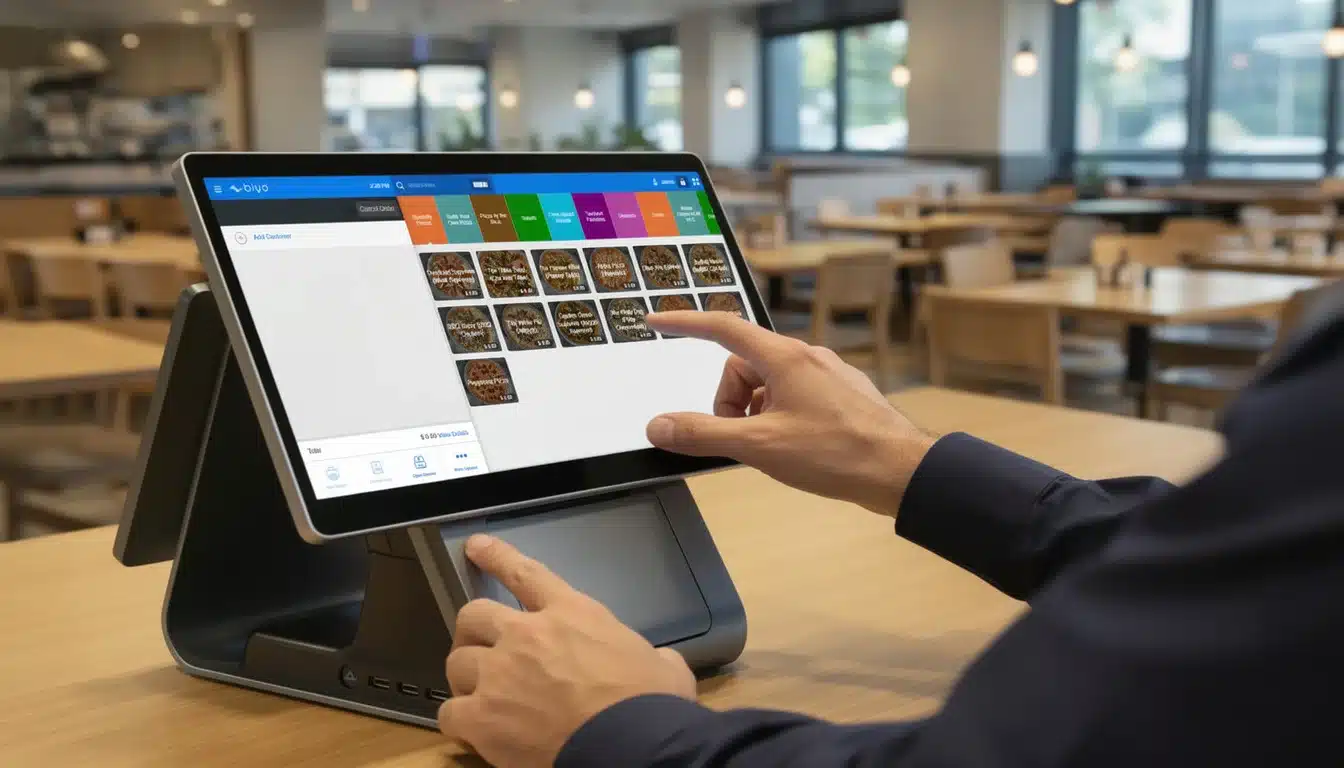
POS integration allows online orders to flow directly into kitchen or fulfillment workflows. This eliminates manual entry errors and ensures that menus remain synchronized across online and in-store platforms.
Inventory updates in real time prevent customers from ordering unavailable items and improve operational efficiency. Accurate integration reduces delays and ensures customers receive exactly what they ordered.
Offering Responsive Customer Support
Customer support plays a crucial role in resolving issues quickly. Live chat, email, and phone support channels provide multiple ways for customers to get assistance when needed.
Chatbots can handle routine questions, allowing human agents to focus on complex issues that require personal attention. This hybrid support approach balances efficiency with personalized service.
Providing Multi-Language Options
Multi-language support expands accessibility for diverse customer bases. Customers feel more comfortable navigating platforms and placing orders in their preferred language.
Proper localization ensures that translations remain culturally appropriate and easy to understand. Businesses that invest in language accessibility often reach broader audiences and improve customer satisfaction across regions.
How Biyo Improves the Online Ordering Experience
Modern businesses need powerful tools to manage digital ordering efficiently while delivering a superior customer experience. Biyo provides an integrated platform designed to streamline online ordering, POS management, and customer engagement within a single system.
By combining real-time order tracking, customizable menus, and mobile-optimized interfaces, Biyo helps businesses deliver faster and more reliable ordering experiences. Businesses interested in enhancing their digital ordering systems can schedule a consultation with Biyo to explore how integrated POS technology improves operational efficiency.
The platform also supports secure payment processing, personalized recommendations, and loyalty programs that encourage repeat purchases. Companies ready to modernize their ordering systems can easily create a Biyo account and begin building a more seamless customer ordering journey.
Frequently Asked Questions
Why is customer experience important in online ordering?
A strong customer experience encourages repeat purchases, improves brand reputation, and increases customer loyalty. Businesses that provide smooth ordering processes often achieve higher retention rates and better online reviews.
How can businesses improve the user interface for online ordering?
Businesses should focus on clear navigation, responsive design, and minimal loading times. User testing and customer feedback help identify areas that require improvement.
What role does order tracking play in customer experience?
Order tracking provides transparency and reassurance by showing customers the progress of their orders. This reduces anxiety and increases trust in the business.
How does integrating online ordering with POS systems benefit customers?
Integration ensures order accuracy, keeps menus updated in real time, and allows faster fulfillment. Customers receive the correct items more consistently.
What features make a mobile ordering experience successful?
Successful mobile ordering platforms include responsive design, fast loading speeds, secure payments, easy customization, and streamlined checkout processes.
How do loyalty programs improve online ordering experiences?
Loyalty programs reward repeat purchases and encourage ongoing engagement. Customers appreciate receiving incentives such as discounts or free items for continued patronage.
Can personalization increase online order sales?
Yes. Personalized recommendations and targeted promotions help customers discover relevant products, increasing both conversion rates and average order values.