
When implementing shelf level inventory tracking, retailers are not simply organizing products on shelves. Instead, they are building a precise system for stock location tracking in retail that allows every item to be traced to its exact position within the store.
Traditionally, inventory systems track stock at the store level. However, modern retail operations require deeper visibility. With bin level inventory tracking and shelf-based organization, businesses can monitor stock movement in real time and reduce inefficiencies caused by misplaced or unaccounted items.
Therefore, adopting retail shelf inventory management enables businesses to improve accuracy, streamline replenishment, and support real time inventory tracking in store. This article explores how shelf-level tracking works, why it matters, and how POS systems enable precise inventory control across multiple locations within a single store.
Table of Contents
- Understanding Shelf Level Inventory Tracking
- Bin Level Inventory Tracking and Store Mapping
- Real-Time Inventory Tracking in Store
- Multi-Location Inventory Within Store
- Operational Efficiency and Stock Accuracy
- POS Systems for Shelf and Bin Tracking
- Side-by-Side Comparison
- How Biyo Supports Shelf-Level Inventory Tracking
- Frequently Asked Questions
Understanding Shelf Level Inventory Tracking
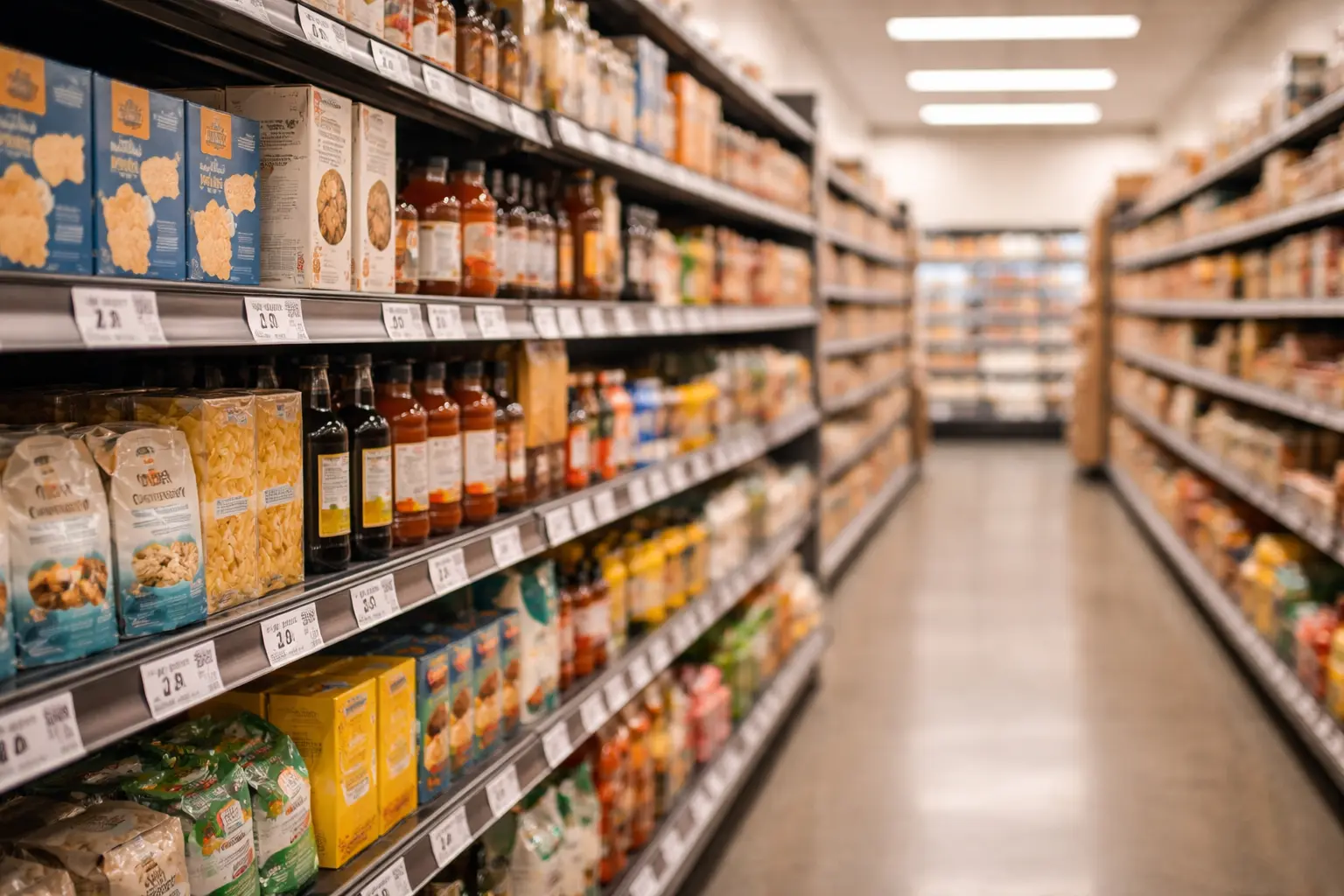
Shelf level inventory tracking refers to the ability to monitor inventory at a highly granular level, including specific shelves, bins, or storage zones within a retail store. Instead of treating the store as a single inventory unit, businesses can track exactly where each product is located.
As a result, this approach enhances stock location tracking in retail by providing precise visibility into inventory placement. Consequently, retailers can reduce search time, improve restocking efficiency, and minimize errors caused by misplaced products.
Traditional Store-Level Tracking
In traditional systems, inventory is tracked at the store level without distinguishing between shelves or storage areas. Therefore, staff often spend time searching for products, especially in larger stores with high SKU counts.
Additionally, this lack of granularity increases the risk of stock discrepancies and delays in fulfilling customer requests.
Shelf-Level Visibility and Control
By contrast, shelf-level tracking assigns inventory to specific physical locations such as aisles, shelves, or bins. As a result, employees can instantly locate items and maintain better organization across the store.
Ultimately, this improves operational efficiency and supports accurate inventory management.
 Bin Level Inventory Tracking and Store Mapping
 Bin Level Inventory Tracking and Store Mapping
Bin level inventory tracking is a core component of shelf-level systems. It involves assigning products to specific bins or compartments within shelves, enabling even more precise location tracking.
Furthermore, store mapping structures inventory into defined zones, allowing businesses to organize stock logically and consistently.
Unstructured Inventory Placement
Without bin-level tracking, products may be stored in loosely defined areas. Consequently, staff may rely on memory or manual notes to locate items, which increases the likelihood of errors.
Moreover, this approach becomes inefficient as inventory volume grows.
Structured Bin and Shelf Mapping
With bin-level tracking, each product is assigned a specific location within the store layout. Therefore, employees can track inventory by shelf and bin with accuracy.
In addition, structured mapping supports faster picking, restocking, and inventory audits.
Real-Time Inventory Tracking in Store
Real time inventory tracking in store ensures that stock levels and locations are updated instantly as transactions occur. This capability is essential for maintaining accurate shelf-level data.
As a result, businesses can respond quickly to stock changes and maintain consistent inventory visibility.
Delayed Inventory Updates
In systems without real-time tracking, inventory updates occur after transactions are processed or through periodic syncing. Therefore, discrepancies may arise between recorded and actual stock levels.
Additionally, delayed updates make it difficult to manage fast-moving products effectively.
Instant Stock Updates at Shelf Level
With real-time POS integration, inventory is updated immediately when a sale, return, or transfer occurs. Consequently, shelf and bin data remain accurate at all times.
This ensures that staff always have access to reliable information when locating or replenishing products.
Multi-Location Inventory Within Store
Multi-location inventory within store refers to managing multiple storage areas within a single retail location, such as sales floors, backrooms, and storage zones.
Therefore, shelf-level tracking enables businesses to manage these internal locations effectively.
Single-Layer Inventory Systems
Traditional systems treat the entire store as one location. As a result, they cannot differentiate between front-of-store and backroom inventory.
This limitation reduces visibility and complicates inventory management.
Layered Inventory Structure
With shelf-level tracking, stores can define multiple internal locations and track stock movement between them. Consequently, businesses gain full visibility into inventory distribution.
This layered approach supports better replenishment planning and stock allocation.
Operational Efficiency and Stock Accuracy
 Operational Efficiency and Stock Accuracy
Efficient operations depend on accurate inventory data. Therefore, shelf-level tracking plays a critical role in improving both productivity and accuracy.
Manual Inventory Processes
Without structured tracking, staff rely on manual processes for locating and counting inventory. Consequently, this increases labor costs and introduces errors.
Moreover, manual workflows slow down daily operations.
Automated Inventory Control
By implementing shelf-level tracking with POS systems, businesses can automate inventory updates and location tracking. As a result, operations become faster and more reliable.
This improves overall efficiency while reducing operational costs.
POS Systems for Shelf and Bin Tracking
Modern POS systems enable advanced inventory tracking capabilities, including shelf-level and bin-level management. Therefore, they play a central role in implementing these strategies.
Basic POS Inventory Systems
Basic POS systems track inventory at a high level without detailed location data. As a result, they lack the functionality needed for precise stock management.
This limits their effectiveness in complex retail environments.
Advanced POS with Location Tracking
Advanced POS systems support retail shelf inventory management by integrating location tracking into inventory workflows. Consequently, businesses can monitor stock at every level, from store-wide to individual bins.
This enables accurate, scalable inventory control across all operations.
Side-by-Side Comparison
| Category | Traditional Inventory Tracking | Shelf-Level Inventory Tracking |
|---|---|---|
| Tracking Level | Store-level only | Shelf and bin-level tracking |
| Inventory Visibility | Limited visibility | Precise location visibility |
| Stock Accuracy | Prone to discrepancies | High accuracy with real-time updates |
| Operational Efficiency | Manual processes | Automated workflows |
| Search Time | Time-consuming | Instant item location |
| Scalability | Limited scalability | Supports complex retail environments |
How Biyo Supports Shelf-Level Inventory Tracking
Biyo POS enables stock location tracking in retail through advanced shelf and bin-level inventory management features. In addition, it supports real-time updates and multi-location tracking within a single store.
As a result, retailers can improve accuracy, streamline operations, and implement scalable retail shelf inventory management strategies.
To explore these capabilities further, you can schedule a live demo or get started through the Biyo signup page.
Frequently Asked Questions
What is shelf level inventory tracking?
Shelf level inventory tracking is the process of monitoring inventory at specific locations such as shelves, bins, or storage zones within a store.
What is bin level inventory tracking?
Bin level inventory tracking assigns products to specific bins or compartments, allowing precise location tracking within shelves.
Why is real-time inventory tracking important?
Real-time tracking ensures that inventory data is always accurate and updated instantly after transactions.
Can POS systems track inventory by shelf and bin?
Yes. Advanced POS systems support tracking inventory by shelf and bin, enabling detailed inventory control.
What are the benefits of shelf-level inventory tracking?
It improves accuracy, reduces search time, enhances operational efficiency, and supports better stock management.