Running a successful eatery in the Lone Star State requires more than excellent recipes and friendly hospitality. Texas restaurants operate in one of the most competitive food service markets in the country, where speed, efficiency, customer experience, and operational consistency directly affect long-term profitability. A modern Texas restaurant POS system helps bridge the gap between traditional hospitality and advanced technology by streamlining operations, improving order accuracy, and providing powerful business insights that support sustainable growth.
Restaurants across Texas—from upscale Dallas steakhouses and Houston seafood restaurants to Austin food trucks and San Antonio Tex-Mex cafés—are increasingly adopting advanced POS systems to remain competitive. Industry studies consistently show that restaurants using integrated POS platforms often improve order accuracy significantly while reducing service delays and operational inefficiencies.
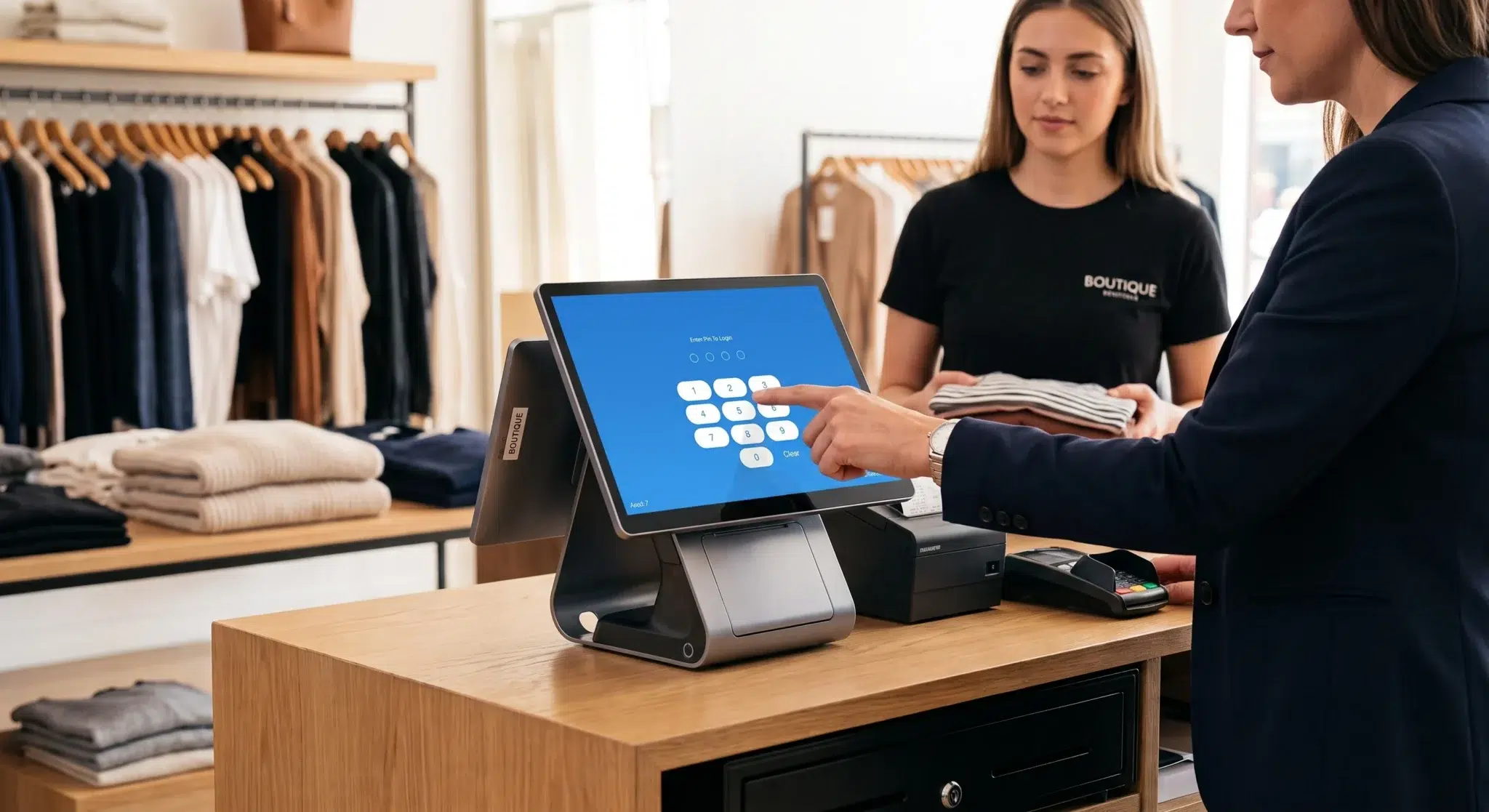
A Texas restaurant POS system does far more than process payments. It serves as the operational hub of the restaurant, connecting front-of-house service, kitchen workflows, employee management, inventory tracking, customer loyalty tools, and financial reporting into one centralized ecosystem.
Modern restaurant operators face growing pressure to improve speed while maintaining excellent guest experiences. Customers now expect mobile payments, contactless checkout, accurate online orders, personalized loyalty rewards, and fast service regardless of restaurant size or dining style.
This guide explores how a Texas restaurant POS system transforms restaurant operations. From order management and customer experience to tax compliance and food truck integration, understanding these capabilities will help restaurant owners choose the right POS technology for long-term operational success.
Table of Contents
- Key Features of a Texas Restaurant POS
- Improving Restaurant Operations with POS
- Enhancing Customer Experience through POS
- Inventory and Food Cost Management
- Employee Scheduling and Workforce Management
- Navigating Local Tax Compliance and Reporting
- Mobile POS and Food Truck Integration in Texas
- Future Trends in Texas Restaurant POS Technology
- Why Choose Biyo POS for Your Texas Restaurant?
- Frequently Asked Questions
Key Features of a Texas Restaurant POS
Choosing the right Texas restaurant POS system requires understanding the features that support modern restaurant operations. A well-designed POS platform functions as the backbone of restaurant management, connecting orders, payments, inventory, reporting, and employee operations into one unified workflow.
Texas restaurants operate in highly diverse environments ranging from luxury dining rooms and busy sports bars to outdoor patios, barbecue restaurants, and mobile food trucks. Because of this operational diversity, POS systems must provide flexibility while maintaining speed and reliability during peak service periods.
Modern POS platforms additionally integrate with cloud systems, kitchen displays, mobile ordering devices, loyalty programs, and online delivery services. These integrations help restaurant owners monitor performance in real time while improving operational efficiency across multiple departments.
Order Management and Payment Processing
Order management sits at the center of every successful restaurant operation. A reliable Texas restaurant POS allows servers and staff to enter orders quickly while customizing items based on customer preferences and dietary requests.
For example, a guest at a Houston barbecue restaurant may request additional brisket, substitute side dishes, or adjust spice levels for a Tex-Mex entrée. A POS system ensures these modifications are communicated accurately to the kitchen, reducing preparation errors and improving food consistency.
Integrated payment processing is equally important because modern diners expect multiple payment options, including credit cards, contactless payments, mobile wallets, and tap-to-pay systems such as Apple Pay or Google Wallet.
Advanced payment features also support split checks, tip adjustments, digital receipts, and tableside payment processing. These tools improve customer convenience while reducing checkout bottlenecks during busy dining periods.
Menu Customization and Table Management
Menu customization is essential for restaurants serving diverse Texas cuisine. A flexible POS platform allows operators to update menu items, adjust pricing, introduce seasonal specials, and create limited-time offers without requiring technical expertise.
For example, a San Antonio restaurant may add seasonal dishes featuring Gulf shrimp, smoked meats, or locally sourced produce. POS systems allow these updates to appear instantly across all terminals and online ordering channels.
Table management features additionally help hosts and managers monitor seating arrangements, reservation schedules, and table turnover in real time.
Busy restaurants in Austin or Dallas can use POS dashboards to track occupied tables, open orders, reservation timing, and service progress simultaneously.
These capabilities improve seating efficiency while helping restaurants maximize customer flow during high-demand periods.
Inventory Control and Sales Reporting
Inventory control plays a major role in restaurant profitability because food costs directly affect operating margins.
A Texas restaurant POS system tracks ingredient usage in real time, helping operators monitor stock levels and prevent shortages before they disrupt service.
For example, a Fort Worth barbecue restaurant may carefully track brisket inventory to ensure sufficient supply during busy weekends and local events.
Low-stock alerts notify managers automatically when inventory falls below predefined thresholds, allowing restaurants to reorder ingredients before shortages occur.
Sales reporting tools within the POS platform provide valuable operational insights. Restaurant owners can analyze sales by menu item, employee, location, shift, or time period.
These analytics help operators identify top-performing dishes, optimize pricing strategies, improve labor scheduling, and reduce low-performing inventory.

Improving Restaurant Operations with POS
A Texas restaurant POS system functions as the operational command center of the restaurant.
By integrating multiple operational areas into one centralized platform, POS systems help restaurants streamline workflows, reduce communication errors, and improve management decisions.
Restaurants that implement advanced POS systems often experience improved operational efficiency, faster service speeds, and stronger labor management.
Employee Management and Real-Time Analytics
Managing employee schedules and performance is one of the most challenging aspects of restaurant operations.
A POS platform simplifies workforce management by tracking employee clock-ins, shift durations, sales performance, and labor costs automatically.
Managers can analyze performance metrics to identify top-performing employees and optimize staffing during peak service periods.
For example, a downtown Dallas restaurant may schedule its strongest servers during busy Friday and Saturday evening shifts to maintain service quality.
Real-time analytics additionally allow managers to monitor restaurant activity throughout the day. If customer traffic increases unexpectedly, staffing adjustments can be made quickly.
Kitchen Display Systems and Order Accuracy
Communication between front-of-house staff and kitchen teams is critical for maintaining speed and accuracy.
POS systems equipped with kitchen display systems (KDS) replace traditional paper tickets with digital order screens that display orders instantly.
Order modifications, allergy requests, and special instructions appear clearly on kitchen displays, helping reduce preparation errors.
Restaurants using KDS technology often improve both order accuracy and preparation speed, leading to stronger customer satisfaction.
Cloud-Based POS for Scalability and Reliability
Cloud-based POS systems provide significant advantages for Texas restaurants, particularly businesses operating multiple locations.
Cloud technology allows owners and managers to access operational data remotely through secure dashboards from any internet-connected device.
For example, a restaurant group operating locations in Houston, Austin, and Dallas can monitor inventory, labor performance, and sales data across all venues from one centralized platform.
Cloud systems also provide automatic software updates, data backups, and reduced hardware maintenance requirements.
Enhancing Customer Experience through POS
Customer satisfaction remains the foundation of every successful restaurant.
A well-designed Texas restaurant POS system improves customer experiences by reducing wait times, personalizing service, and simplifying payment processes.
Restaurants that leverage POS technology effectively often build stronger customer loyalty and higher repeat business.
Customer Tracking and Loyalty Programs
Modern POS systems often include customer relationship management features that track customer preferences, purchasing behavior, and dining history.
Restaurants can use this information to create personalized loyalty programs and promotional campaigns.
For example, a Houston Tex-Mex restaurant may reward returning customers with loyalty points redeemable for appetizers, desserts, or discounts.
Personalized promotions encourage repeat visits while strengthening long-term customer relationships.
Contactless Payments and Mobile POS
Contactless payments have become increasingly important in modern restaurant environments.
POS systems supporting tap-to-pay cards, mobile wallets, and digital payments allow customers to complete transactions quickly and securely.
Mobile POS devices additionally allow servers to process payments directly at tableside, reducing congestion at stationary terminals.
This approach improves convenience while accelerating table turnover during busy service periods.
Menu Flexibility for Texas Cuisine
Texas cuisine is highly diverse, including barbecue, Tex-Mex, Gulf seafood, Southern comfort food, and international fusion concepts.
POS systems supporting menu customization help restaurants accommodate dietary requests, spice preferences, ingredient substitutions, and seasonal specials more effectively.
This flexibility allows restaurants to create more personalized dining experiences while maintaining operational consistency.
Inventory and Food Cost Management
Food costs represent one of the largest expenses for restaurants, making inventory management essential for profitability.
POS systems integrated with inventory tools help restaurants reduce waste, improve purchasing decisions, and maintain accurate ingredient tracking.
Real-Time Ingredient Tracking
Every menu item sold automatically updates ingredient inventory levels within the POS system.
This automation helps restaurants monitor stock consumption while reducing manual inventory counting errors.
Reducing Waste and Overstocking
Restaurants using inventory analytics can identify slow-moving ingredients, monitor spoilage patterns, and adjust purchasing strategies more accurately.
Reducing food waste directly improves restaurant profit margins.
Recipe Cost Analysis
Advanced POS systems help restaurants calculate recipe costs and monitor profit margins for individual menu items.
These insights help operators optimize menu pricing and promotional strategies.
Employee Scheduling and Workforce Management
Labor management strongly influences restaurant profitability and operational consistency.
Modern POS systems simplify employee scheduling while helping managers monitor labor costs more effectively.
Scheduling Optimization
POS analytics reveal peak business hours, allowing restaurants to schedule staff more efficiently based on customer traffic patterns.
Balanced scheduling improves service while reducing unnecessary labor expenses.
Employee Accountability and Permissions
Role-based permissions help restaurants control access to refunds, voids, discounts, and financial reports.
This improves accountability while reducing operational risk.
Performance Monitoring
Managers can evaluate employee performance based on sales data, average ticket sizes, upselling performance, and customer interactions.
These insights support stronger training and staffing decisions.
Navigating Local Tax Compliance and Reporting
Tax compliance can be complicated for Texas restaurants because local sales tax rates vary across counties and cities.
A Texas restaurant POS simplifies compliance by automating tax calculations and financial reporting.
Automated Local Tax Calculations
POS systems automatically apply accurate state and local tax rates based on restaurant location, helping businesses avoid accounting errors and compliance issues.
Comprehensive Financial Reporting
Detailed reports generated by POS systems simplify tax preparation, financial analysis, and operational forecasting.
Restaurants can categorize taxable and non-taxable sales while tracking revenue across multiple payment methods.
Support for Regulatory Changes
POS providers frequently release updates reflecting changes in tax regulations and reporting requirements.
For example, a modern restaurant POS system can automatically update tax settings when compliance rules change.
Mobile POS and Food Truck Integration in Texas
Texas has one of the largest and most vibrant food truck industries in the United States.
From Austin food truck parks to Houston street festivals, mobile dining businesses rely heavily on efficient POS technology.
Mobile POS for Flexible Operations
Mobile POS devices allow food truck operators to process orders, accept payments, and manage inventory using tablets or smartphones.
This flexibility is essential for fast-paced outdoor dining environments and crowded events.
Integrated Food Truck Operations
Food trucks benefit from POS systems integrating kitchen displays, payment processing, inventory tracking, and reporting into one platform.
These tools allow smaller mobile kitchens to operate with efficiency comparable to larger restaurants.
Centralized Multi-Location Management
Entrepreneurs operating several food trucks or expanding into permanent restaurant locations can use cloud-based POS systems to manage all operations centrally.
This scalability supports long-term business growth while maintaining operational consistency.

Future Trends in Texas Restaurant POS Technology
Restaurant POS technology continues evolving rapidly as customer expectations and operational demands change.
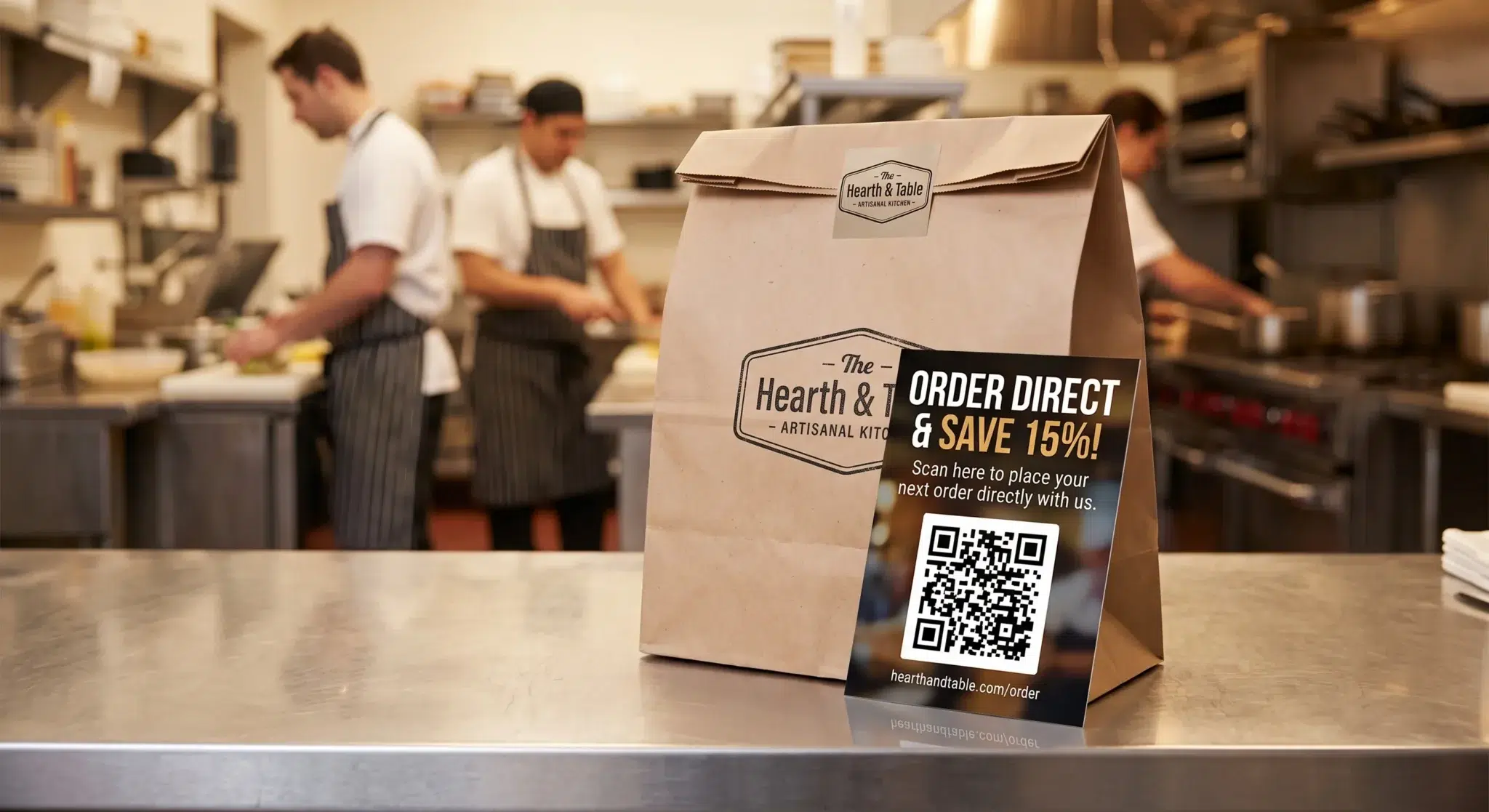
Artificial intelligence, predictive analytics, self-service kiosks, QR code ordering, and automated inventory forecasting are becoming increasingly common within modern restaurant environments.
Restaurants are additionally focusing more heavily on integrated online ordering and delivery management because off-premise dining continues growing across Texas markets.
Cloud-based systems, mobile operations, and automation tools will likely continue shaping the future of restaurant management technology.
Businesses that adopt flexible and scalable POS solutions are generally better positioned for long-term operational growth and customer retention.
Why Choose Biyo POS for Your Texas Restaurant?
Restaurants across Texas require reliable technology that supports operational efficiency while maintaining exceptional customer experiences.
The system includes tools for menu customization, mobile ordering, inventory tracking, labor management, customer loyalty, and advanced reporting.
These capabilities help restaurants adapt quickly to customer demand while maintaining smooth day-to-day operations.
Food trucks, casual dining restaurants, barbecue establishments, cafés, and multi-location restaurant groups can all benefit from integrated POS technology.
Businesses interested in modernizing their operations can explore the platform further by creating an account through the Biyo POS system.
Frequently Asked Questions
What is a Texas restaurant POS system?
A Texas restaurant POS system is a point-of-sale platform designed to help restaurants manage orders, payments, inventory, reporting, and restaurant operations while supporting local tax compliance.
How does a POS system improve restaurant efficiency?
POS systems streamline workflows by automating order processing, inventory tracking, employee management, payment processing, and reporting.
Can a POS system automatically calculate Texas sales tax?
Yes. Modern POS systems automatically apply accurate state and local sales tax rates based on restaurant location.
Why are cloud-based POS systems important for restaurants?
Cloud-based systems provide remote access, automatic updates, centralized reporting, and scalability for restaurants operating multiple locations.
Can food trucks use restaurant POS systems?
Yes. Mobile POS systems are widely used by food trucks to process payments, manage inventory, and operate efficiently during events and outdoor service.
How do POS systems improve customer experiences?
POS systems reduce wait times, improve order accuracy, support loyalty programs, and simplify payment processing for customers.
What features should restaurants prioritize in a POS system?
Important features include order management, payment processing, inventory tracking, reporting, employee management, loyalty tools, cloud access, and mobile POS functionality.
Can POS systems help reduce restaurant food waste?
Yes. Inventory tracking and recipe cost analysis help restaurants monitor ingredient usage, improve purchasing decisions, and reduce spoilage.