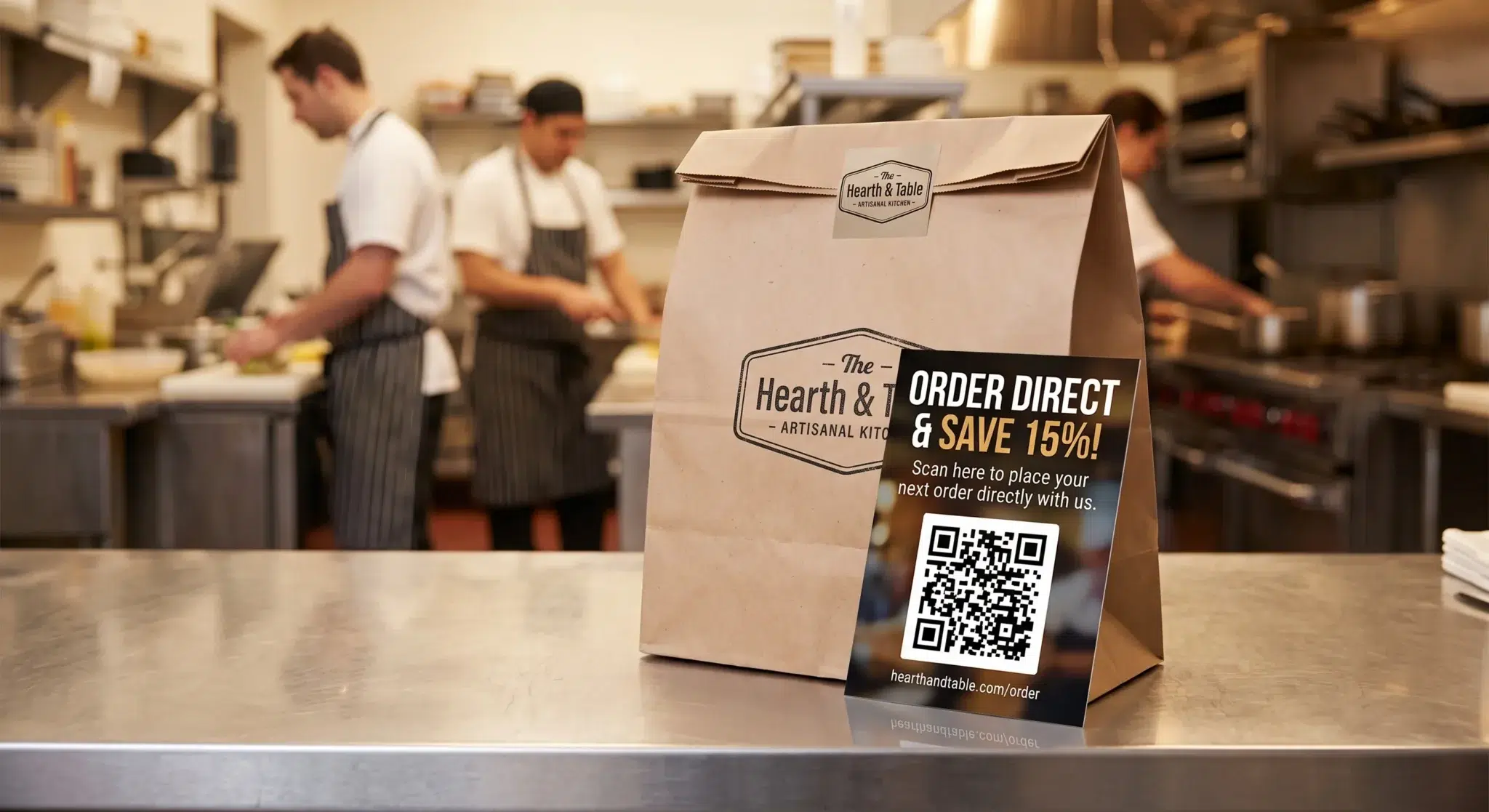
Running a catering business is far more demanding than most people outside the industry realize. Every event involves dozens of moving parts happening simultaneously. Caterers must coordinate menus, staff schedules, guest counts, delivery timing, kitchen preparation, inventory usage, client communication, invoicing, and on-site execution — all while maintaining professionalism under intense time pressure.
Unlike traditional restaurants, catering businesses operate in constantly changing environments. Every event is different. Guest counts fluctuate, dietary requests change unexpectedly, delivery schedules shift, and last-minute client modifications are extremely common. Without organized systems in place, even experienced catering companies can quickly become overwhelmed operationally.
This is exactly why the benefits of a catering POS system have become increasingly important for modern catering businesses.
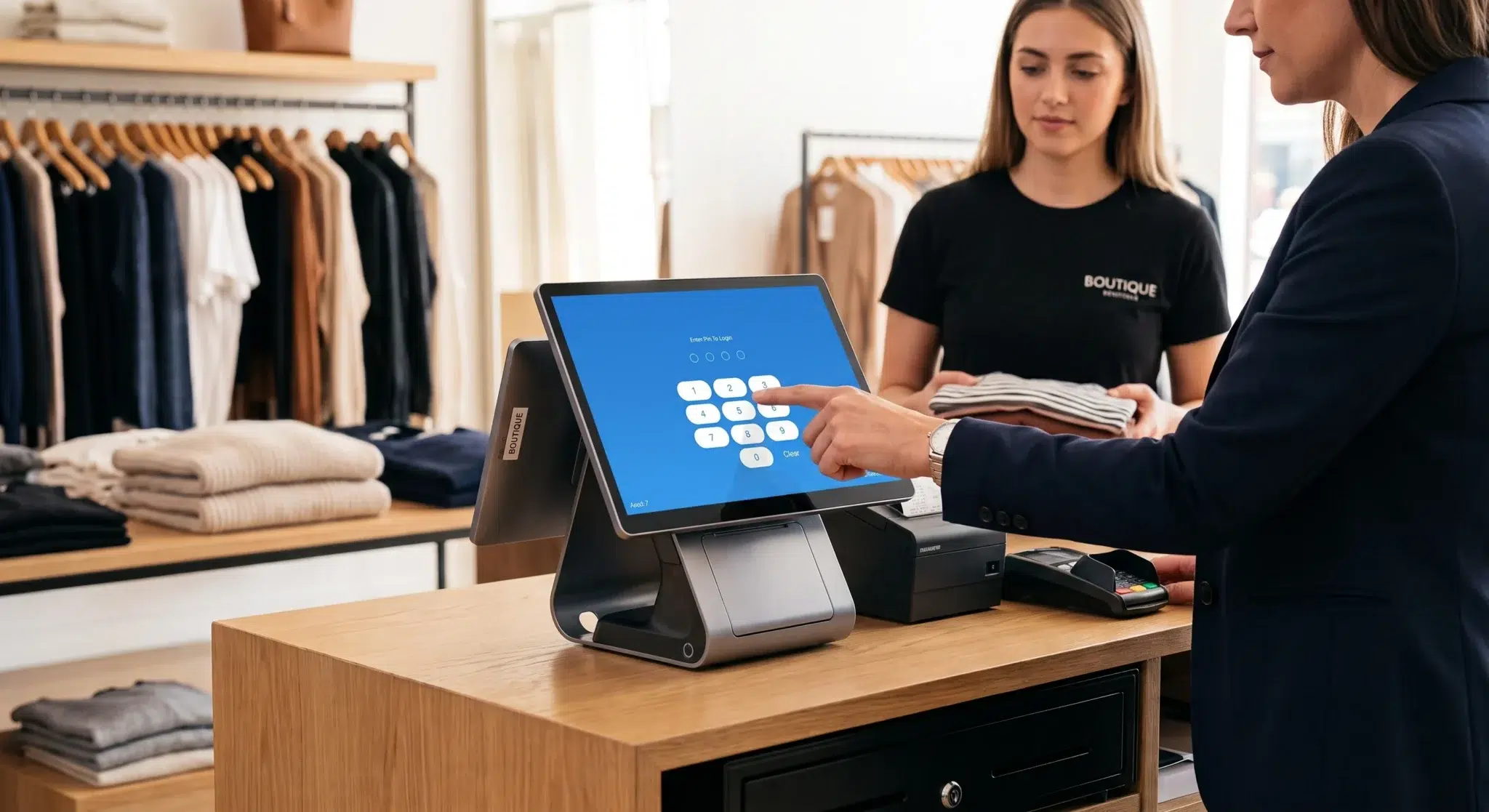
A catering POS system does far more than process payments. It acts as a centralized operational platform that helps catering companies organize workflows, improve communication, reduce manual errors, and manage events more efficiently from start to finish. Instead of relying on spreadsheets, handwritten notes, disconnected apps, and manual coordination, caterers gain a unified system that keeps every department aligned.
For many catering businesses, operational inefficiency quietly reduces profitability every single day. Staff spend unnecessary time tracking down information. Kitchen teams work from outdated instructions. Invoices are delayed. Inventory gets over-purchased or wasted. Event communication becomes fragmented between departments.
Over time, these small inefficiencies compound into larger operational and financial problems.
A properly implemented catering POS system helps solve these issues by improving visibility and automating critical workflows. Orders update in real time, inventory tracking becomes more accurate, staff coordination improves, and managers gain immediate access to reporting insights that help them make better business decisions.
At the same time, customer expectations have evolved dramatically. Clients now expect faster communication, flexible payment options, accurate customization, professional coordination, and seamless event execution. Catering businesses that still rely heavily on manual systems often struggle to consistently meet these expectations as they grow.
In this guide, we’ll explore the major benefits of a catering POS system, including how it improves event coordination, streamlines ordering, simplifies staff management, automates payments, strengthens inventory control, improves customer experience, and supports long-term business growth.
Table of Contents
- Streamlined Ordering and Menu Management
- Staff Scheduling and Guest Management
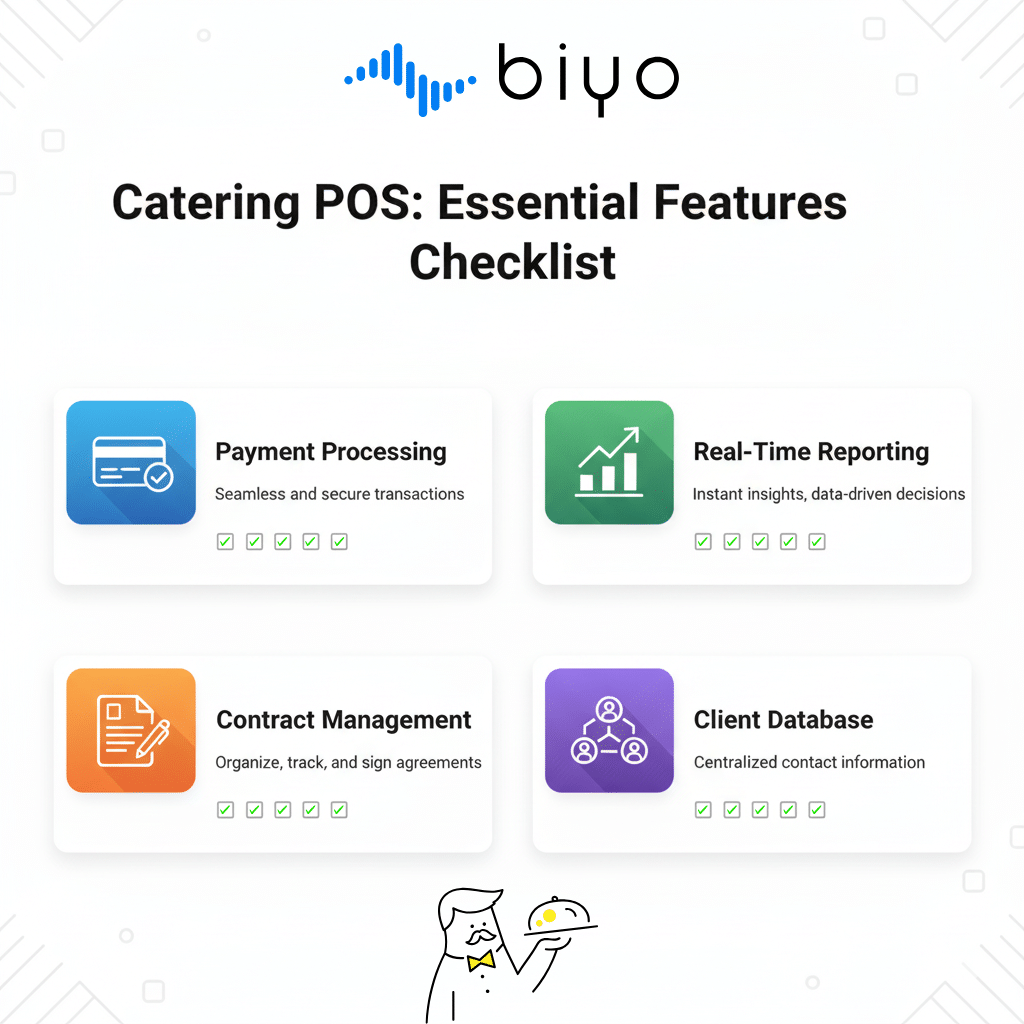
- Payment Processing and Billing Automation
- Real-Time Reporting and Business Insights
- Operational Efficiency and Revenue Growth
- How Biyo POS Helps Catering Businesses
- Frequently Asked Questions
Streamlined Ordering and Menu Management
One of the biggest operational challenges in catering is managing complex event orders accurately. Unlike standard restaurant orders, catering requests often involve customized menus, portion adjustments, dietary restrictions, event timelines, delivery coordination, and large guest counts. Managing all of these details manually increases the risk of communication breakdowns and expensive mistakes.
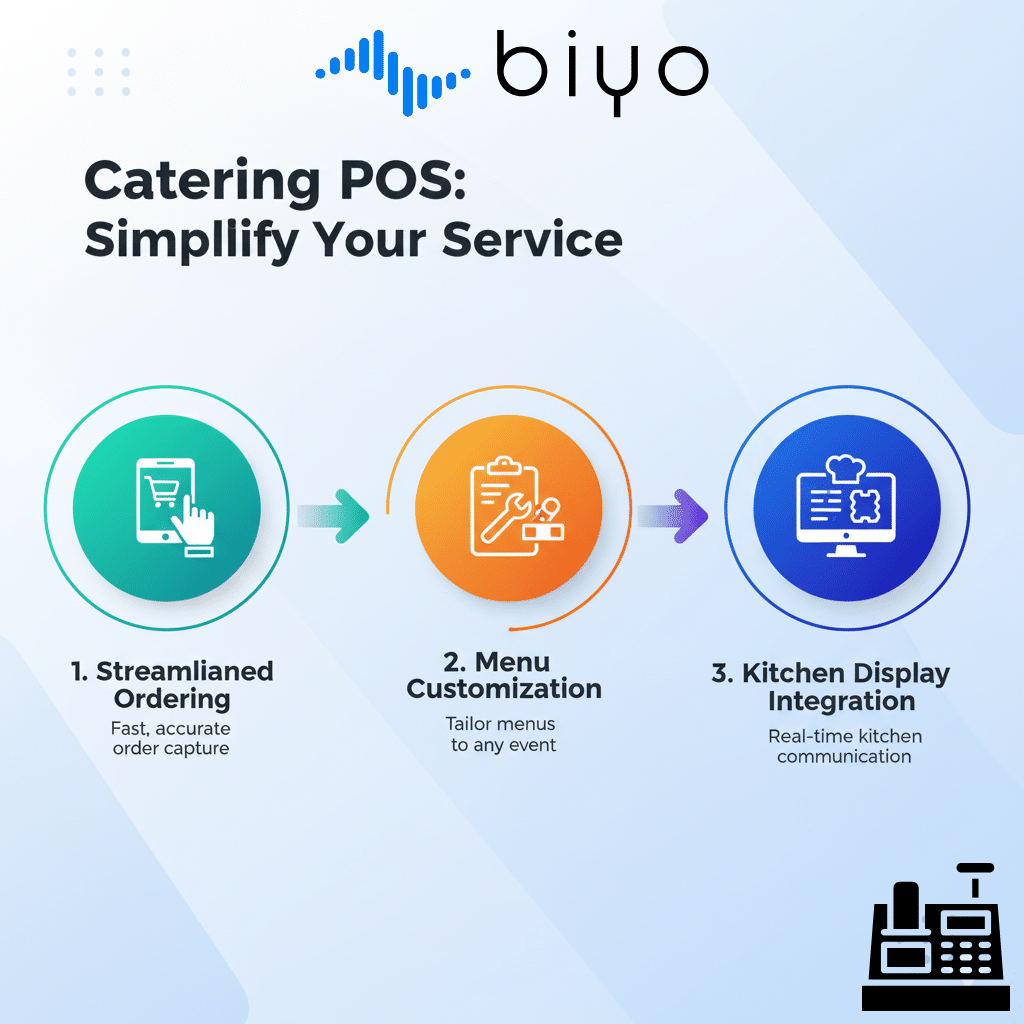
A catering POS system simplifies this process by centralizing ordering and menu management into one organized platform. Orders can be entered digitally, updated instantly, and communicated directly to the kitchen and operations teams in real time.
This dramatically reduces the confusion that often occurs with handwritten notes, phone calls, or scattered spreadsheets.
For example, if a client changes a guest count shortly before an event, the catering POS system can immediately update ingredient requirements, kitchen preparation schedules, staffing needs, and billing totals automatically. Without centralized software, staff may struggle to communicate those changes accurately across departments.
Menu customization also becomes significantly easier.
Catering businesses frequently manage:
- Dietary restrictions
- Vegan requests
- Gluten-free meals
- Allergy accommodations
- Corporate menu packages
- Wedding-specific meal selections
A catering POS system allows businesses to organize these requests clearly while maintaining pricing transparency and accurate kitchen communication.
This improves both operational efficiency and customer confidence.
Kitchen display integration is another major advantage. Orders move digitally from front-end coordination into kitchen workflows without relying on paper tickets. Kitchen staff can view priorities, modifications, timing requirements, and preparation instructions more clearly, helping large events run more smoothly.
For catering businesses managing multiple simultaneous events, this operational clarity becomes extremely valuable.
Staff Scheduling and Guest Management
Staff coordination is one of the most stressful parts of catering operations. Every event requires the correct number of servers, kitchen staff, delivery drivers, setup teams, and coordinators. Overstaffing increases labor costs, while understaffing damages service quality and creates operational chaos.
A catering POS system helps businesses manage staffing more intelligently by organizing schedules around event requirements, guest counts, and historical data.
Managers can assign shifts, monitor availability, track labor hours, and adjust staffing levels more efficiently without relying on fragmented scheduling methods.
This becomes especially important during busy wedding seasons, holiday periods, or corporate event surges where multiple events may happen simultaneously.
Automated scheduling also improves communication with employees. Staff can access schedules digitally, reducing confusion around shift assignments and improving accountability across the team.
Guest management is another major advantage.
Catering businesses often manage:
- RSVP tracking
- Seating coordination
- Dietary requests
- VIP accommodations
- Special event notes
A centralized system allows caterers to organize this information more effectively while ensuring important details are communicated to the appropriate departments.
For example, if VIP guests require special meals or seating arrangements, staff can access this information quickly without relying on scattered documents or verbal reminders.
This level of organization improves service consistency while helping clients feel their events are being professionally managed.
Event scheduling also becomes more structured.
Catering POS systems often integrate calendars, staffing schedules, preparation timelines, and delivery coordination into one centralized workflow. This helps businesses avoid scheduling conflicts while ensuring every operational component stays aligned with event timelines.
Payment Processing and Billing Automation
Managing payments manually can create serious inefficiencies for catering businesses, especially when handling deposits, milestone payments, final invoices, and recurring corporate clients.
A catering POS system simplifies financial workflows through integrated payment processing and automated billing tools.
Clients can pay using multiple methods, including:
- Credit cards
- Mobile wallets
- Digital payments
- Online transfers
This flexibility improves convenience while helping businesses receive payments faster.
Integrated payment systems also reduce manual entry errors and improve financial accuracy. Instead of processing payments separately from event management systems, transactions are automatically connected to invoices, contracts, and reporting dashboards.
Automated invoicing is another major operational advantage.
Invoices can be generated instantly with itemized breakdowns involving menu selections, staffing charges, rental fees, delivery costs, and taxes. Clients receive clearer billing transparency, reducing confusion and payment disputes.
Automated reminders also help improve cash flow by reducing late payments.
For catering businesses managing multiple large events simultaneously, automation dramatically reduces administrative workload while improving financial organization.
Expense tracking also becomes more accurate.
Catering companies must constantly monitor:
- Food costs
- Labor expenses
- Venue charges
- Rental equipment costs
- Transportation expenses
Real-time expense visibility helps managers maintain tighter budget control while identifying opportunities to improve profitability.
Real-Time Reporting and Business Insights
One of the most valuable benefits of a catering POS system is access to operational reporting and business analytics.
Many catering businesses rely heavily on intuition when making decisions because they lack centralized visibility into sales performance, inventory movement, labor efficiency, and customer trends.
A catering POS system provides real-time reporting that helps businesses understand what is actually happening operationally.
Managers can monitor:
- Revenue performance
- Event profitability
- Top-selling menu items
- Seasonal trends
- Labor efficiency
- Inventory usage
- Customer behavior
Instead of reacting emotionally to operational challenges, caterers gain measurable insight that supports smarter business decisions.
For example, reporting data may reveal that certain menu packages consistently generate higher margins, while other services consume excessive labor without producing strong profitability.
This information helps businesses optimize menus, staffing strategies, and marketing efforts more effectively.
Customer relationship management also improves through centralized client databases. Catering businesses can store event histories, preferences, communication records, and recurring client information in one organized platform.
This allows businesses to personalize customer interactions while strengthening long-term relationships.
Repeat business is extremely important in the catering industry, and organized customer data helps businesses maintain stronger communication and service consistency over time.
Operational Efficiency and Revenue Growth
The biggest long-term advantage of a catering POS system is operational efficiency.
When businesses reduce manual work, improve communication, automate repetitive tasks, and organize workflows more effectively, overall profitability improves naturally.
Catering businesses save time through:
- Automated invoicing
- Simplified scheduling
- Inventory tracking
- Digital order management
- Integrated reporting
- Centralized communication
At the same time, businesses reduce costly mistakes involving:
- Incorrect orders
- Inventory waste
- Scheduling conflicts
- Billing errors
- Missed event details
These operational improvements create stronger customer experiences, which often lead to:
- Repeat bookings
- Client referrals
- Higher event volume
- Improved brand reputation
Delivery coordination also becomes easier.
Catering POS systems help businesses organize routes, delivery timing, event logistics, and staffing assignments more efficiently. For companies managing multiple simultaneous deliveries across different venues, this operational coordination becomes essential.
Inventory control plays a major role as well.
Real-time inventory visibility helps businesses reduce over-purchasing, monitor ingredient usage, and forecast future event demand more accurately. This minimizes food waste while improving purchasing efficiency.
Ultimately, a catering POS system gives businesses the structure needed to scale operations more sustainably without becoming overwhelmed operationally.
How Biyo POS Helps Catering Businesses
Biyo POS helps catering businesses streamline operations through integrated cloud-based POS technology designed to improve organization, communication, and operational efficiency.
The platform supports:
- Order management
- Inventory tracking
- Staff scheduling
- Payment processing
- Reporting analytics
- Guest management
- Billing automation
Biyo POS helps catering businesses improve operational visibility while reducing manual administrative work and strengthening coordination between front-end event management and back-end execution.
Whether managing weddings, corporate functions, private parties, or large-scale events, businesses gain tools that help improve efficiency, reduce errors, and support long-term growth.
If you want to modernize catering operations and improve business performance, you can schedule a call with Biyo POS or create an account directly through the signup page.
Frequently Asked Questions
What is a catering POS system?
A catering POS system is software designed to help catering businesses manage orders, payments, scheduling, inventory, reporting, and event coordination more efficiently.
How does a catering POS system improve operations?
It centralizes workflows, improves communication, automates administrative tasks, reduces manual errors, and provides real-time operational visibility.
Can a catering POS system help reduce food waste?
Yes. Real-time inventory tracking and forecasting tools help businesses monitor ingredient usage more accurately and reduce unnecessary over-purchasing.
Does a catering POS system support event scheduling?
Yes. Many catering POS systems integrate event calendars, staff scheduling, guest management, and operational coordination into one centralized platform.
How does a catering POS system improve customer satisfaction?
It improves order accuracy, communication, customization handling, payment convenience, and overall event coordination, helping businesses deliver smoother client experiences.
How does Biyo POS help catering businesses?
Biyo POS helps catering businesses manage orders, inventory, scheduling, payments, reporting, and operational workflows through integrated cloud-based POS technology.