
Running a restaurant means juggling a thousand things at once. But here’s the truth most owners learn the hard way: not all menu items are created equal. Some dishes quietly drain profits while others silently build wealth.
The difference between a struggling restaurant and a thriving one often comes down to understanding which foods make money. And more importantly, having the right tools to protect those margins.
This guide breaks down the most profitable restaurant menu items. It also reveals the hidden costs eating into profits and how a modern restaurant POS system can change everything.
The Hidden Costs Killing Restaurant Profits
Most restaurant owners focus on food costs. That makes sense. Ingredients are tangible. They show up on invoices every week.
But the real profit killers often hide in plain sight.
Commission fees on online orders can swallow 15-30% of every sale. That $20 burger? A third-party app might take $6 before the restaurant sees a dime.
Inventory waste from spoilage, over-portioning, and theft accounts for 4-10% of total food costs at most restaurants. Without proper tracking, owners never see the bleeding.
Labor inefficiencies in the kitchen slow down service and increase costs per plate. A disorganized ticket system means longer cook times and more staff hours.
Internet outages during peak hours can halt sales entirely. A restaurant doing $500 per hour loses that revenue every time the system goes down.
These costs compound quickly. A restaurant generating $800,000 annually might lose $80,000 or more to these invisible drains.
Understanding which menu items generate the highest margins is step one. Protecting those margins with the right technology is step two.
The Math Behind Menu Profitability
Before diving into specific foods, restaurant operators need to understand plate costing. This calculation reveals the true profitability of every dish.
Plate cost includes all direct expenses for a single serving:
- Raw ingredient costs
- Portion-specific condiments and garnishes
- Packaging for takeout orders
- A portion of prep labor
The formula is straightforward: Profit Margin = (Menu Price – Plate Cost) / Menu Price × 100
A pasta dish priced at $18 with a $5.40 plate cost delivers a 70% profit margin. That same margin on a steak priced at $42 with a $21 plate cost drops to 50%.
High-margin items deserve prominent menu placement. Low-margin items either need price adjustments or removal.
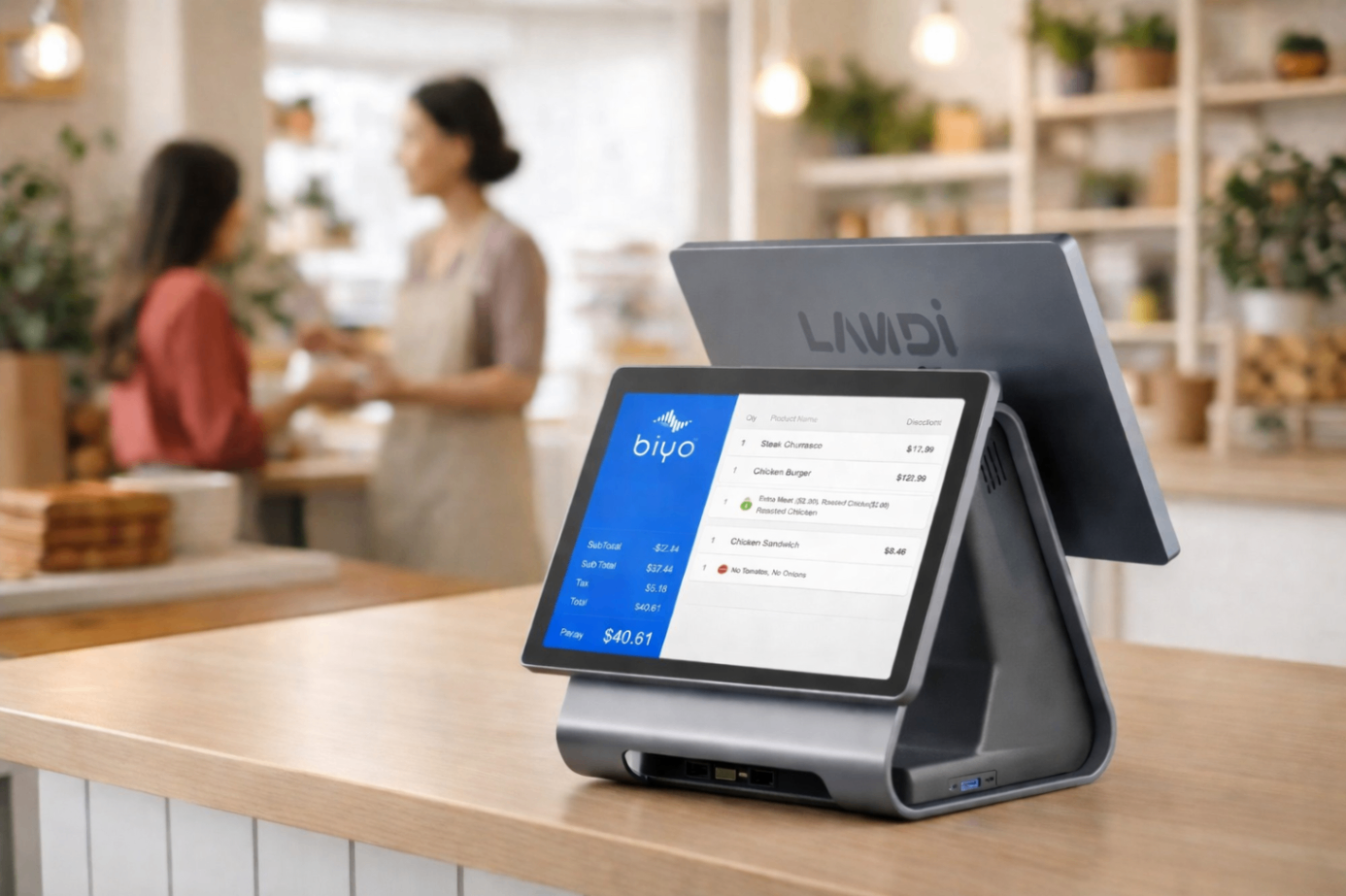
This is where an inventory management POS system becomes essential. Manual calculations take hours and quickly become outdated as ingredient prices fluctuate. Automated systems track costs in real-time and flag when margins slip below targets.
The 10 Most Profitable Restaurant Menu Items
Research consistently points to certain categories delivering the highest margins. These items combine low ingredient costs with strong perceived value and upselling opportunities.
1. Burgers
Burgers remain the profitability king for good reason. Ground beef costs less than premium cuts. Buns are inexpensive. Yet customers happily pay $14-18 for a well-crafted burger.
Food costs typically run 20-30% of menu price. That translates to 70-80% gross margins before labor.
The real magic happens with customization. Bacon, avocado, specialty cheeses, and premium patty upgrades each add $1-3 to the check at minimal ingredient cost. A $15 burger becomes a $20 burger with 90% margins on the add-ons.
2. Pizza
Pizza delivers some of the highest margins in the industry. Dough, sauce, and cheese cost roughly 15-20% of the menu price.
A $16 pizza might cost $3 to produce. Specialty toppings and premium ingredients create opportunities for $22-28 pizzas at similar base costs.
Pizza also travels well for delivery. This matters for restaurants using a POS system with online ordering. Items that maintain quality during transport generate repeat online customers.
3. Pasta Dishes
Pasta is nearly pure profit. A pound of quality dried pasta costs under $2 and serves four portions.
The margin magic comes from sauces. House-made marinara, alfredo, or pesto transforms basic noodles into $16-22 entrees. Profit margins regularly hit 65-70%.
Pasta dishes also absorb vegetables approaching the end of their freshness. This reduces waste while maintaining quality. Smart operators treat pasta specials as profit protectors.
4. Sandwiches and Wraps
Bread is cheap. Protein portions are controllable. Vegetables add perceived value at minimal cost.
A deli sandwich costing $4 to produce sells for $12-15. That’s a reliable 70% margin with consistent execution.
The key is house-made components. Fresh-baked bread or signature spreads justify premium pricing. They also create differentiation that customers can’t replicate at home.
5. Vegetarian and Vegan Dishes
Plant-based entrees are profit powerhouses hiding in plain sight.
Vegetables, legumes, grains, and tofu cost significantly less than meat proteins. Yet health-conscious customers often pay premium prices for creative vegetarian options.
A $17 vegetable stir-fry might cost $3.50 to plate. That’s nearly 80% margin. Compare that to a $28 steak dinner with 50% margins.
As plant-based eating grows, these dishes attract new customer segments while boosting overall profitability.
6. Soups and Stews
Batch cooking is inherently efficient. One pot produces dozens of servings with minimal incremental labor.
Soup ingredients, broth, vegetables, beans, grains, cost pennies per serving. A cup of soup priced at $6 might cost $0.90 to produce. That’s 85% margin.
Soups also pair naturally with sandwiches and salads. The combo meal strategy increases average ticket size while maintaining strong margins across both items.
7. Fried Foods and Appetizers
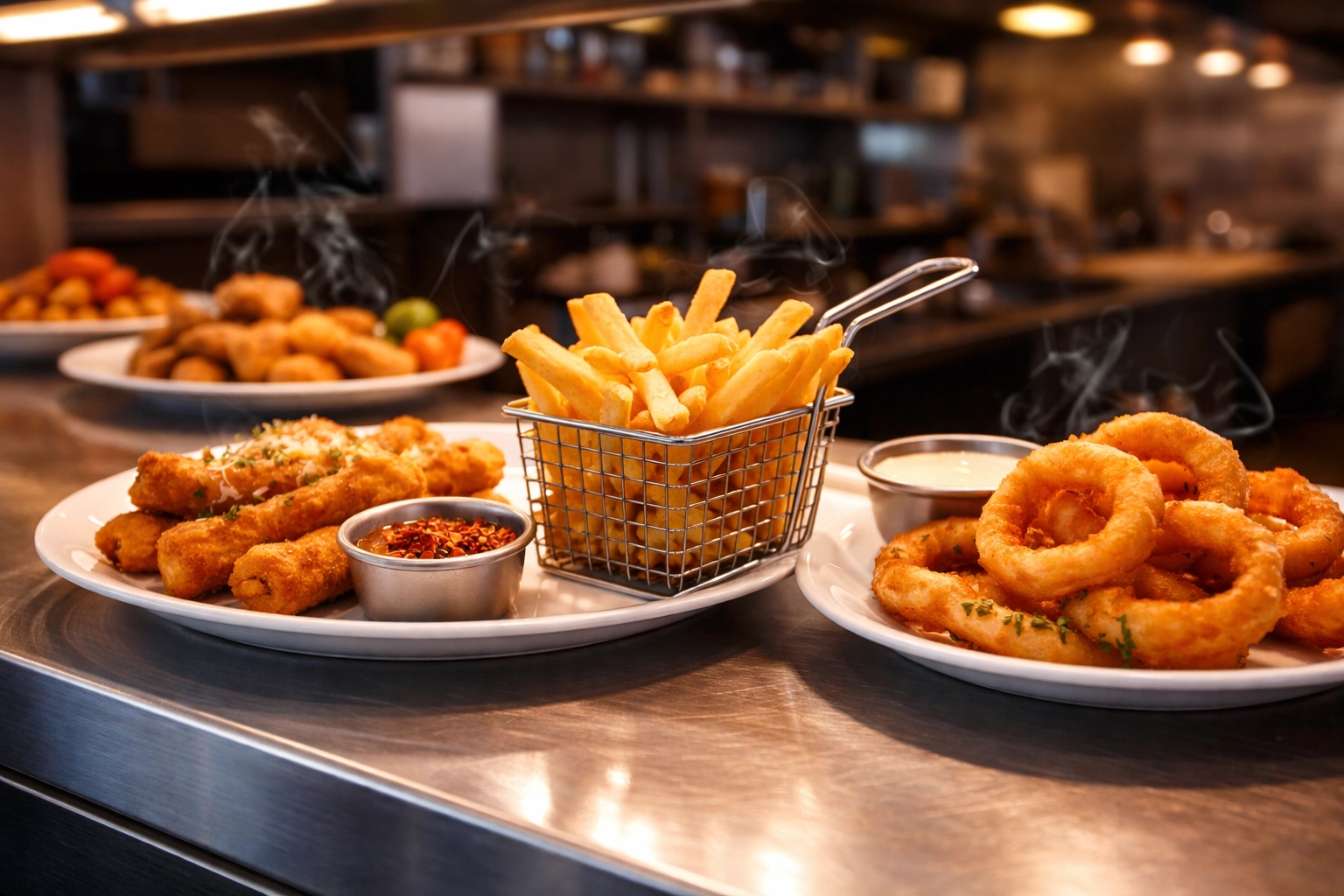
Appetizers deliver the highest margins on most menus. Fried foods lead the category.
French fries cost $0.40 per portion and sell for $5-7. Mozzarella sticks, onion rings, and fried pickles follow similar economics. Margins regularly exceed 75%.
These items also benefit from group dining dynamics. Tables often order multiple appetizers to share, multiplying high-margin sales.
8. Specialty Coffees and Beverages
Beverages are the unsung heroes of restaurant profitability. A specialty coffee costing $0.50 to make sells for $5-6. That’s 90% margin.
Craft cocktails follow similar math. Premium spirits increase costs slightly, but drink prices scale accordingly.
Restaurants without strong beverage programs leave significant money on the table. Every meal without a drink purchase represents lost high-margin revenue.
9. Breakfast Items
Eggs, potatoes, and toast form the foundation of most breakfast plates. These ingredients cost almost nothing.
A $14 breakfast platter might cost $2.50 to produce. Bacon and sausage add cost but also justify higher prices.
Breakfast also drives volume. Faster table turns mean more covers per hour. This amplifies the impact of already-strong margins.
10. Desserts
Sweet endings to meals often deliver sweet margins to owners.
A slice of cake or pie costs $1.50-2.00 to portion and sells for $8-10. House-made desserts command even higher prices at similar costs.
Desserts also create memorable experiences. Guests remember that perfect cheesecake and return specifically to enjoy it again.
How Technology Protects These Margins
Identifying profitable items is only half the battle. Protecting those margins requires the right systems.
Online Ordering Without Commission Fees
Third-party delivery apps charge 15-30% per order. On a $50 order, that’s $7.50-15 gone before counting food costs.
A POS system with online ordering built directly into the platform eliminates these fees. The restaurant keeps the full margin on every online sale.
Consider the math on 100 online orders weekly averaging $40 each. Third-party fees at 20% equal $800 per week. That’s $41,600 annually going to middlemen instead of the business.
Commission-free online ordering through Biyo POS puts that money back where it belongs.
Offline Capability Prevents Lost Sales
Internet outages happen. Usually at the worst possible time.
A traditional cloud-only POS system becomes useless without connectivity. Orders stop. Payments fail. The dinner rush grinds to a halt.
An offline POS system continues processing orders and payments during outages. When connectivity returns, everything syncs automatically.
A single Friday night outage lasting two hours could cost $1,000+ in lost sales. Offline capability turns potential disasters into minor inconveniences.
Inventory Tracking Stops the Bleeding
Most restaurants don’t know their true waste numbers. They estimate. They hope. They lose money.
An inventory management POS system tracks every ingredient from delivery to plate. It reveals over-portioning patterns, identifies theft, and predicts spoilage before it happens.
When the system flags that chicken usage exceeds recipe requirements by 15%, management can address the issue immediately. Without tracking, that waste continues indefinitely.
Learn more about raw goods management to understand how inventory control directly impacts profitability.
Kitchen Display Systems Boost Efficiency
Paper tickets get lost. They smudge. They create confusion during rushes.
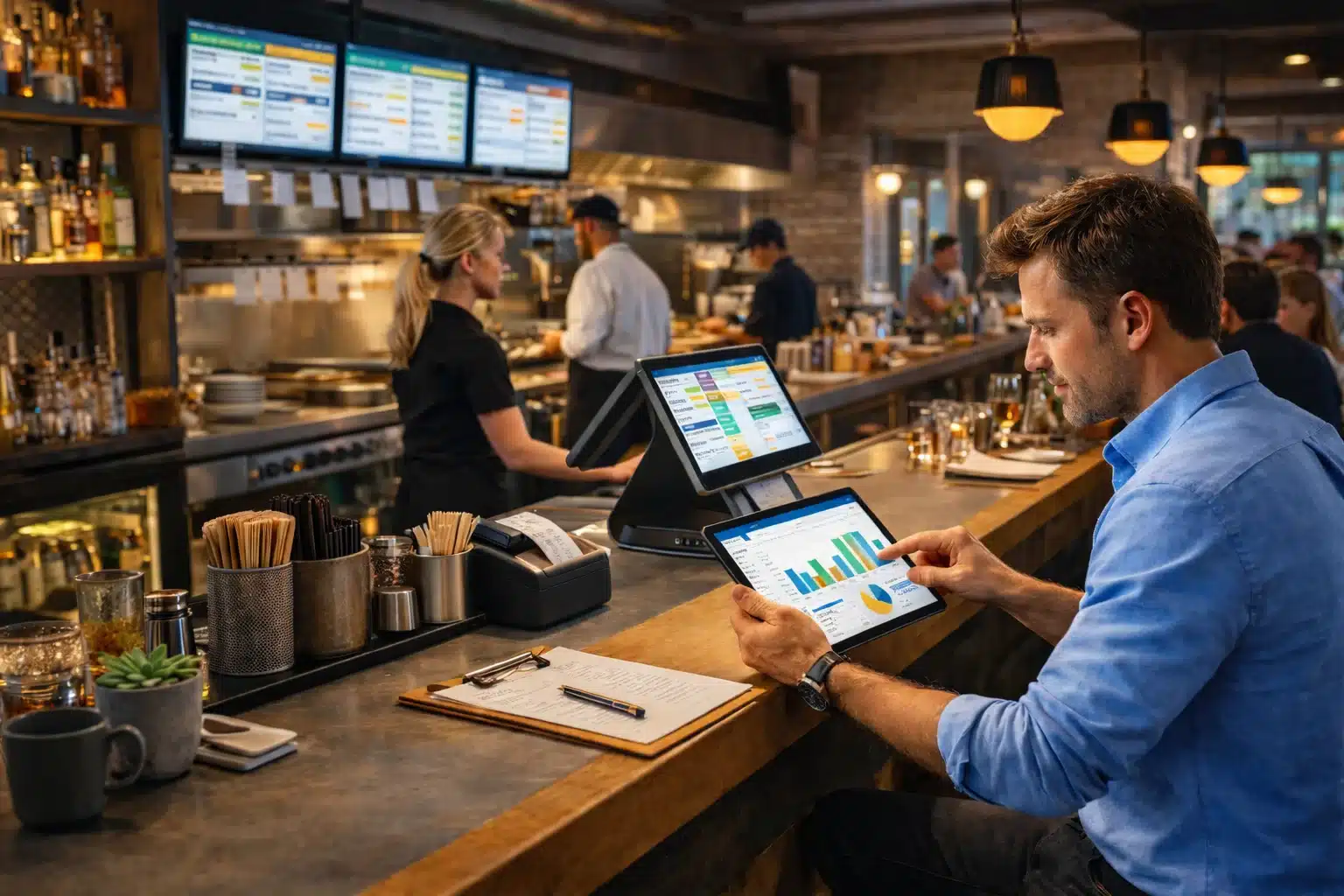
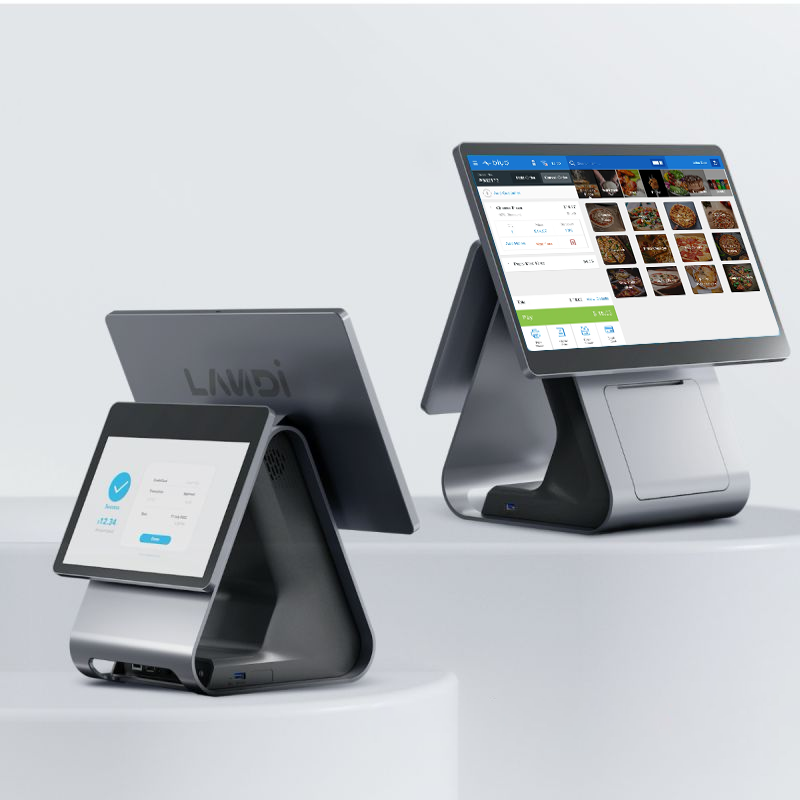
A kitchen display system organizes orders visually. Cooks see exactly what’s needed and when. Timing improves. Errors decrease. Food quality goes up.
Faster ticket times mean more covers per service period. Better accuracy means fewer remakes. Both improvements reduce labor cost per plate while increasing total revenue.
Self-Service Kiosks Increase Ticket Size
Here’s a fascinating pattern: customers ordering through kiosks spend more.
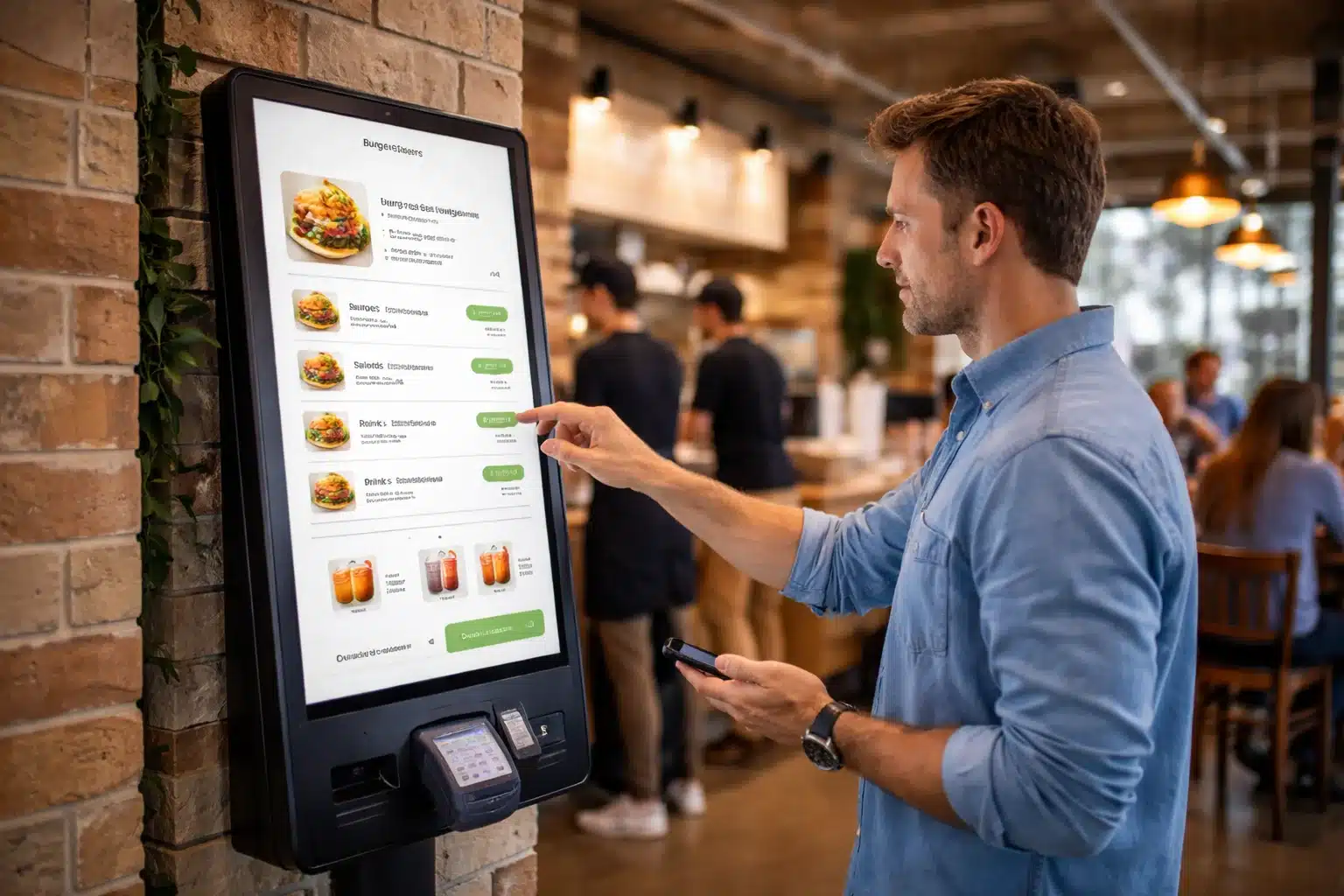
A self-service kiosk for restaurants removes the social pressure of face-to-face ordering. Guests comfortably add extra toppings, upgrade to larger sizes, and include beverages they might skip when ordering from a person.
Research consistently shows 15-30% higher average tickets from kiosk orders. On already-profitable items like burgers and pizza, those add-ons deliver massive margin improvements.
Quick-service restaurants see the biggest impact. But casual dining establishments also benefit from kiosk ordering for drinks and appetizers.
Putting It All Together
Menu profitability matters. But margins only become real profits when systems protect them.
The most successful restaurants combine high-margin menu items with technology that:
- Eliminates commission fees on online orders
- Maintains operations during internet outages
- Tracks inventory in real-time
- Streamlines kitchen operations
- Encourages larger ticket sizes
Each component reinforces the others. Better inventory tracking improves plate cost accuracy. Kitchen displays speed up service. Kiosks increase sales of high-margin items. Commission-free online ordering keeps those profits in-house.
This is the approach built into Biyo POS. Every feature connects to protect and grow restaurant profitability.
Frequently Asked Questions
What are the most profitable foods to sell at a restaurant?
Burgers, pizza, pasta, and fried appetizers consistently deliver the highest margins. These items combine low ingredient costs with strong perceived value and upselling opportunities.
How do I calculate if a menu item is profitable?
Subtract the plate cost (ingredients, garnishes, packaging) from the menu price. Divide that number by the menu price and multiply by 100 for the margin percentage. Aim for 65-70% on most items.
Why do commission fees on online orders matter so much?
Third-party apps charge 15-30% per order. On $100,000 in annual online sales, that’s $15,000-30,000 leaving the restaurant. A POS system with built-in online ordering eliminates these fees entirely.
What is an offline POS system and why does it matter?
An offline POS system continues processing orders and payments during internet outages. This prevents lost sales during connectivity issues and ensures business continuity during the busiest periods.
How does a kitchen display system improve profitability?
Kitchen display systems reduce errors, speed up ticket times, and improve communication between front and back of house. Faster service means more covers. Fewer errors mean less waste and fewer comped meals.
Do self-service kiosks actually increase sales?
Yes. Studies consistently show 15-30% higher average tickets from kiosk orders. Customers feel comfortable adding extras without social pressure, leading to more add-ons and upgrades on already-profitable items.