A restaurant loyalty card is an essential tool for boosting customer engagement and retention. By offering incentives and rewards, restaurants can encourage repeat business and foster a loyal customer base. In this comprehensive guide, we will explore the benefits of implementing a restaurant loyalty card program, how to design an effective card, and the top features that make loyalty cards successful.
Table of Contents
- Benefits of Implementing a Restaurant Loyalty Card Program
- How to Design an Effective Restaurant Loyalty Card
- Top Features of Successful Restaurant Loyalty Cards
- How Restaurant Loyalty Cards Boost Customer Retention
- Creative Ideas for Restaurant Loyalty Card Rewards
- Digital vs. Physical Restaurant Loyalty Cards: Pros and Cons
- Best Practices for Promoting Your Restaurant Loyalty Card
- How to Track and Analyze Restaurant Loyalty Card Data
- Enhancing Customer Experience with Restaurant Loyalty Cards
- Case Studies: Successful Restaurant Loyalty Card Programs
- Frequently Asked Questions
Benefits of Implementing a Restaurant Loyalty Card Program
Implementing a restaurant loyalty card program offers numerous benefits for both the restaurant and its customers. First and foremost, loyalty cards can significantly increase customer retention by incentivizing repeat visits. Additionally, they help in building a strong relationship with customers, making them feel valued and appreciated. Restaurants that offer loyalty cards often see an increase in sales, as loyal customers tend to spend more and visit more frequently.
Furthermore, a loyalty card program can provide valuable data on customer behavior and preferences. This data can be used to tailor marketing efforts and improve the overall dining experience. By understanding what customers like and dislike, restaurants can make informed decisions that drive growth and profitability.
Lastly, loyalty programs can enhance word-of-mouth marketing. Satisfied customers are likely to share their positive experiences with friends and family, attracting new customers to the restaurant. Overall, a well-designed loyalty card program can be a powerful tool for boosting customer engagement and retention.
How to Design an Effective Restaurant Loyalty Card
Designing an effective restaurant loyalty card requires careful consideration of several factors. First, the card should be visually appealing and easy to use. Customers should be able to understand how to earn and redeem rewards without confusion. Incorporating the restaurant’s branding, such as logos and colors, can also help reinforce brand identity.
Next, it is important to set clear and achievable rewards. Customers should feel that the effort of using the loyalty card is worth the benefits they receive. Offering a mix of short-term and long-term rewards can keep customers engaged and motivated. For example, a small discount after a few visits and a free meal after a higher number of visits can appeal to a wide range of customers.
Moreover, integrating digital options can enhance the effectiveness of a loyalty card. Digital cards, accessible through a mobile app, provide convenience for customers and allow for more sophisticated tracking and analytics. Additionally, digital cards can offer personalized rewards and promotions based on customer behavior, further increasing engagement.
Top Features of Successful Restaurant Loyalty Cards
Successful restaurant loyalty cards share several key features that make them effective. One of the most important features is simplicity. The program should be easy for customers to understand and use. Complicated rules or requirements can deter customers from participating.
Another crucial feature is valuable rewards. Customers should feel that they are getting something worthwhile in return for their loyalty. Offering a variety of rewards, such as discounts, free items, or exclusive experiences, can appeal to different customer preferences.
Additionally, successful loyalty cards often include personalization. Personalized rewards and offers based on customer behavior can make the program more engaging and relevant. For example, if a customer frequently orders a specific dish, offering a reward related to that dish can enhance their experience and loyalty.
Integration with digital platforms is also a key feature. Digital loyalty cards, accessible through mobile apps or online accounts, offer convenience and flexibility. They also allow for more detailed tracking and analysis of customer behavior, which can inform marketing strategies and improve the program over time.
How Restaurant Loyalty Cards Boost Customer Retention
Restaurant loyalty cards play a significant role in boosting customer retention. By offering rewards for repeat visits, loyalty cards encourage customers to return to the restaurant more frequently. This increased frequency can lead to stronger relationships between the restaurant and its customers.
Loyalty cards also provide a sense of value and appreciation. When customers feel that their loyalty is recognized and rewarded, they are more likely to continue patronizing the restaurant. This sense of appreciation can also lead to positive word-of-mouth marketing, as satisfied customers share their experiences with others.
Furthermore, loyalty cards can create a sense of exclusivity. Exclusive rewards or offers available only to loyalty card members can make customers feel special and valued. This exclusivity can further strengthen the bond between the restaurant and its customers, leading to higher retention rates.
Creative Ideas for Restaurant Loyalty Card Rewards
To keep customers engaged, it is important to offer creative and appealing rewards for restaurant loyalty cards. One idea is to offer tiered rewards, where customers can earn increasingly valuable rewards as they reach higher levels of loyalty. For example, a small discount for the first few visits, followed by a free appetizer or dessert after more visits, and eventually a free meal.
Another creative reward idea is to offer exclusive experiences. This could include a special tasting event, a cooking class with the chef, or an invitation to a private dinner. These unique experiences can create lasting memories and a strong emotional connection to the restaurant.
Additionally, partnering with other local businesses for cross-promotional rewards can be beneficial. For example, offering a discount at a nearby coffee shop or retail store can provide added value to customers and help support the local community. These partnerships can also attract new customers to the restaurant.
Digital vs. Physical Restaurant Loyalty Cards: Pros and Cons
When deciding between digital and physical restaurant loyalty cards, it is important to consider the pros and cons of each option. Digital loyalty cards, accessible through a mobile app or online account, offer several advantages. They are convenient for customers to use and allow for easy tracking and analysis of customer behavior. Additionally, digital cards can provide personalized rewards and promotions, enhancing customer engagement.
However, digital cards also have some drawbacks. They require customers to have a smartphone or internet access, which may not be available to all customers. Additionally, some customers may prefer the tangible feel of a physical card.
Physical loyalty cards, on the other hand, are easy to distribute and can serve as a constant reminder of the restaurant. They do not require any technology, making them accessible to all customers. However, physical cards can be easily lost or forgotten, and tracking customer behavior can be more challenging compared to digital cards.
Best Practices for Promoting Your Restaurant Loyalty Card
Promoting your restaurant loyalty card effectively is crucial for its success. One of the best practices is to train your staff to actively promote the loyalty program to customers. Staff members should be knowledgeable about the benefits and rewards and encourage customers to sign up during their visit.
Additionally, using multiple marketing channels can increase awareness of the loyalty program. This can include social media, email marketing, and in-store signage. Offering a special sign-up incentive, such as a free item or discount, can also motivate customers to join the program.
Furthermore, highlighting the loyalty program on your restaurant’s website and online ordering platform can attract online customers. Including information about the loyalty program in receipts and order confirmations can serve as a reminder and encourage sign-ups.
How to Track and Analyze Restaurant Loyalty Card Data
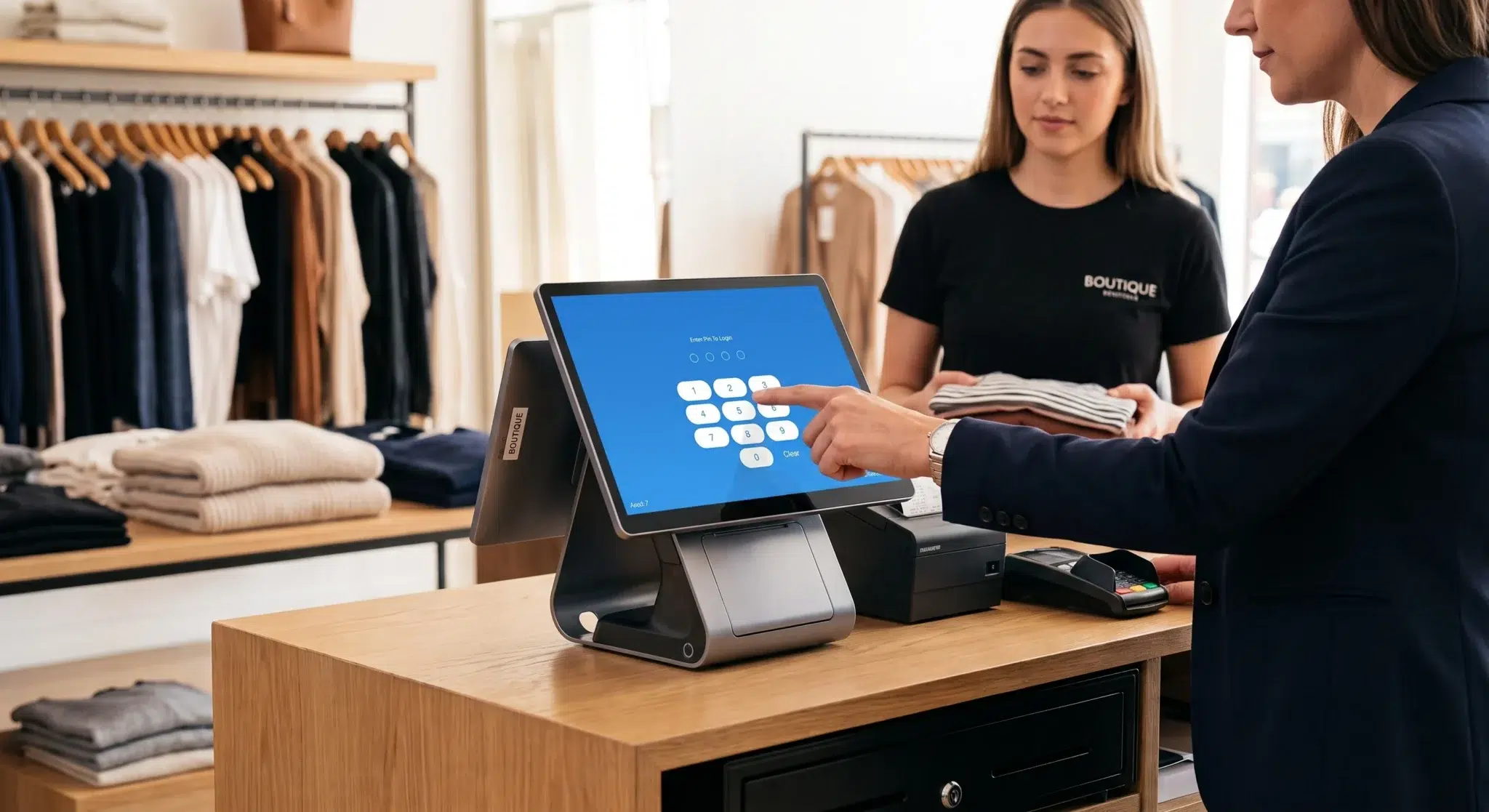
Tracking and analyzing data from your restaurant loyalty card program is essential for measuring its success and making informed decisions. One of the first steps is to choose the right tools and software for tracking loyalty card usage. Many point-of-sale (POS) systems, such as Biyo POS, offer integrated loyalty program features that make it easy to collect and analyze data.
Once you have the right tools in place, it is important to regularly review the data to identify trends and patterns. Analyzing metrics such as customer visit frequency, average spend per visit, and reward redemption rates can provide valuable insights into customer behavior and program performance.
Additionally, using the data to segment your customers based on their behavior and preferences can help you tailor your marketing efforts. For example, offering targeted promotions to high-value customers or re-engagement campaigns to lapsed customers can improve the effectiveness of your loyalty program.

Enhancing Customer Experience with Restaurant Loyalty Cards
Restaurant loyalty cards can significantly enhance the customer experience by providing added value and personalized rewards. One way to achieve this is by offering a seamless and convenient loyalty program. Digital loyalty cards accessible through a mobile app can provide customers with an easy and hassle-free way to earn and redeem rewards.
Additionally, personalizing the loyalty program based on customer preferences can make the experience more engaging. Using data from the loyalty program to offer customized rewards and promotions can make customers feel valued and appreciated.
Furthermore, integrating the loyalty program with other aspects of the dining experience can enhance customer satisfaction. For example, offering exclusive rewards for loyalty members, such as priority seating or early access to special events, can create a sense of exclusivity and make customers feel special.
Case Studies: Successful Restaurant Loyalty Card Programs
Examining successful restaurant loyalty card programs can provide valuable insights and inspiration for your own program. One example is a popular chain that implemented a tiered loyalty program, offering increasingly valuable rewards as customers reached higher levels of loyalty. This approach encouraged repeat visits and higher spending, resulting in increased customer retention and sales.
Another successful case study involves a restaurant that partnered with local businesses to offer cross-promotional rewards. Customers could earn points at the restaurant and redeem them for discounts or free items at partner businesses. This not only provided added value for customers but also helped support the local community and attract new customers.
Lastly, a restaurant that integrated a digital loyalty card with their mobile app saw significant success. The app provided a convenient way for customers to track their rewards and receive personalized offers. This digital approach also allowed the restaurant to collect and analyze data, leading to more effective marketing strategies and improved customer engagement.
Frequently Asked Questions
What is a restaurant loyalty card?
A restaurant loyalty card is a program that rewards customers for their repeat business. Customers earn points or rewards for each visit, which can be redeemed for discounts, free items, or exclusive experiences.
How can a restaurant loyalty card benefit my business?
A loyalty card can increase customer retention, boost sales, provide valuable data on customer behavior, and enhance word of mouth marketing.
What are the best practices for promoting a restaurant loyalty card?
Promoting a loyalty card can be done through staff training, multiple marketing channels, special sign up incentives, and highlighting the program on your website and online ordering platform.
Should I choose a digital or physical loyalty card?
Both digital and physical loyalty cards have their pros and cons. Digital cards offer convenience and detailed tracking, while physical cards are easy to distribute and accessible to all customers. Choose the option that best fits your customer base and business needs.
How can I track and analyze data from my loyalty program?
Using the right tools and software, such as an integrated POS system like Biyo POS, can help track and analyze loyalty card data. Regularly reviewing metrics and segmenting customers based on behavior can provide valuable insights for improving the program.
In conclusion, a well designed and effectively promoted restaurant loyalty card program can significantly enhance customer engagement and retention. By offering valuable rewards, personalized experiences, and convenient options, restaurants can build strong relationships with their customers and drive long term success.