Happy hour has become one of the most popular traditions in the restaurant and bar industry. For many people, it is the perfect opportunity to relax after work, socialize with friends, and enjoy discounted food and drinks without spending too much money. Whether you are meeting coworkers after the office, planning a casual evening out, or simply looking for affordable restaurant specials, knowing what time is happy hour can help you maximize both your experience and your budget.
Happy hour schedules vary widely depending on the restaurant, bar, city, and local regulations. While many establishments follow traditional late-afternoon schedules, others offer extended happy hours, late-night specials, or even weekend promotions to attract customers during slower business periods.
Restaurants and bars use happy hour strategically to increase customer traffic during off-peak hours. By offering discounted cocktails, beer, wine, appetizers, and small plates, businesses encourage customers to visit earlier in the evening and stay longer.
For customers, happy hour provides several benefits:
- Lower drink prices
- Discounted appetizers and meals
- A relaxed social atmosphere
- Opportunities to try new menu items
- Affordable group outings
Understanding how happy hour schedules work can help you plan evenings more effectively while avoiding crowded peak dining hours and missing limited-time specials.
This guide explores common happy hour times, how restaurants structure promotions, the benefits of happy hour, popular food and drink specials, and how modern restaurant systems help businesses manage promotional schedules efficiently.
Table of Contents
- Understanding Happy Hour Schedules
- Happy Hour at Bars and Restaurants
- How to Maximize Your Happy Hour Experience
- Benefits of Happy Hour Specials
- Popular Happy Hour Drinks and Food
- Planning Your Evening Around Happy Hour
- How Biyo POS Helps Restaurants Manage Happy Hour Promotions
- Frequently Asked Questions
Understanding Happy Hour Schedules
Happy hour schedules differ from one establishment to another, but most restaurants and bars schedule promotions during slower business hours between lunch and dinner service.
The most common happy hour timeframe usually falls between:
- 4 PM to 7 PM on weekdays
- Late afternoon through early evening
- Post-work hours for office employees and commuters
This timing allows businesses to attract customers during periods that might otherwise experience lower traffic.
Some restaurants also extend happy hour beyond traditional schedules by offering:
- Late-night happy hours
- Weekend specials
- Industry-night discounts
- Game-day promotions
- Holiday-themed happy hours
Extended happy hour schedules have become increasingly common in competitive restaurant markets where businesses aim to differentiate themselves through unique promotional strategies.
Why Happy Hour Times Matter
Knowing the exact happy hour schedule can significantly improve your dining experience.
Arriving too early may mean waiting for promotions to begin, while arriving too late could result in missing the best deals entirely.
Many restaurants also experience increased customer traffic during happy hour, especially in busy downtown areas or entertainment districts. Planning ahead helps customers secure seating and avoid long wait times.
Happy hour schedules also help budget-conscious customers reduce spending while still enjoying social outings, drinks, and restaurant meals.
Why Restaurants Offer Happy Hour
Happy hour is not only beneficial for customers. It also provides major advantages for restaurants and bars.
Businesses use happy hour promotions to:
- Increase customer traffic during slower periods
- Boost drink and appetizer sales
- Encourage repeat visits
- Create social atmosphere
- Introduce customers to new menu items
Because alcoholic beverages often carry strong profit margins, restaurants can offer discounts while still maintaining profitability through increased sales volume.

Happy Hour at Bars and Restaurants
Bars and restaurants structure happy hour promotions differently depending on their business model, target audience, and location.
Some establishments focus primarily on discounted drinks, while others combine beverage promotions with reduced appetizer pricing or bundled meal deals.
Bar Happy Hour Promotions
Bars often emphasize alcoholic beverage discounts during happy hour.
Common promotions may include:
- Discounted cocktails
- Reduced beer prices
- Wine specials
- Two-for-one drinks
- Bucket specials
Sports bars and nightlife venues frequently use happy hour promotions to build customer traffic before peak evening hours begin.
Some bars also pair happy hour with live entertainment, trivia nights, or sports broadcasts to encourage customers to stay longer.
Restaurant Happy Hour Specials
Restaurants often structure happy hour around both food and beverage discounts.
In addition to drinks, customers may find reduced prices on:
- Appetizers
- Small plates
- Flatbreads
- Sliders
- Seafood specials
- Shared platters
Restaurants use these promotions to introduce customers to menu items they may later order at full price during future visits.
Upscale restaurants sometimes offer premium cocktails or chef-selected tasting plates during happy hour to attract customers interested in fine dining experiences at more affordable prices.
Examples of Common Happy Hour Times
While schedules vary, common happy hour structures include:
- Monday to Friday: 4 PM – 7 PM
- Weekend afternoons: 3 PM – 6 PM
- Late-night specials: 9 PM – midnight
- Sunday all-day happy hour promotions
Some restaurants also create special promotions tied to local events, concerts, or sporting events.
How to Maximize Your Happy Hour Experience
Planning strategically can help customers get the most value from happy hour promotions.
Many popular restaurants fill quickly during peak happy hour periods, especially on Fridays and weekends.
Arrive Early for Better Seating
Happy hour crowds often build rapidly shortly after work hours end.
Arriving early improves your chances of:
- Finding good seating
- Avoiding long wait times
- Receiving faster service
- Accessing limited-time specials before they sell out
This becomes especially important in busy urban restaurants where seating capacity may be limited.
Review Menus in Advance
Many restaurants post happy hour menus online through websites or social media platforms.
Checking promotions in advance allows customers to compare:
- Drink specials
- Food pricing
- Promotion schedules
- Restaurant atmosphere
This helps customers plan more efficient and enjoyable evenings.
Take Advantage of Group Specials
Happy hour works especially well for group gatherings.
Shared appetizers, discounted drinks, and social environments make happy hour ideal for:
- After-work meetups
- Birthday celebrations
- Casual networking
- Weekend outings
Many establishments even offer larger group platters or promotional bundles specifically designed for social dining.
Benefits of Happy Hour Specials
Happy hour provides advantages for both customers and businesses.
For customers, the most obvious benefit is affordability.
Discounted food and beverage pricing allows people to enjoy restaurant experiences more frequently while managing entertainment budgets more effectively.
Affordable Dining and Socializing
Many customers use happy hour as an affordable alternative to full dinner pricing.
By combining appetizers and drinks during promotional periods, customers can enjoy social outings at significantly lower costs.
This affordability makes happy hour particularly popular among:
- Young professionals
- College students
- Office workers
- Tourists
Relaxation After Work
Happy hour also serves an important social function.
For many people, it represents an opportunity to unwind after work in a relaxed and informal environment.
The atmosphere during happy hour often feels more casual and social compared to formal dinner service.
This relaxed environment encourages conversation, networking, and group interaction.
Trying New Foods and Drinks
Happy hour promotions encourage experimentation.
Customers may feel more willing to try:
- Craft cocktails
- Premium wines
- Chef specials
- Appetizers
- Seasonal menu items
Lower pricing reduces the financial risk of trying unfamiliar dishes or beverages.

Popular Happy Hour Drinks and Food
Happy hour menus vary widely depending on restaurant style and target audience.
However, certain food and drink categories consistently remain popular.
Popular Happy Hour Drinks
Common happy hour beverages include:
- Margaritas
- Mojitos
- Craft beer
- House wine
- Martinis
- Signature cocktails
Many bars also create rotating seasonal cocktails specifically for happy hour promotions.
Popular Happy Hour Appetizers
Appetizers remain central to happy hour culture because they encourage group sharing and social dining.
Popular happy hour food items often include:
- Wings
- Sliders
- Nachos
- Flatbreads
- Fries
- Seafood bites
- Mini tacos
Restaurants often design happy hour menus around fast-preparation items that maintain profitability while supporting high customer volume.
Planning Your Evening Around Happy Hour
Careful planning helps maximize both savings and overall enjoyment.
Many customers organize entire evenings around happy hour schedules by visiting multiple venues or combining promotions with entertainment plans.
Choosing the Right Locations
Location plays a major role in happy hour experiences.
Popular happy hour districts often include:
- Downtown business areas
- Entertainment districts
- Waterfront dining zones
- Sports arenas and event centers
Choosing venues close together allows customers to explore multiple restaurants efficiently.
Making Reservations When Necessary
Some upscale restaurants experience heavy demand during happy hour.
Reservations may help avoid delays, especially for:
- Large groups
- Weekend happy hours
- Popular rooftop venues
- Live entertainment nights
Planning ahead creates smoother and more enjoyable experiences overall.
How Biyo POS Helps Restaurants Manage Happy Hour Promotions
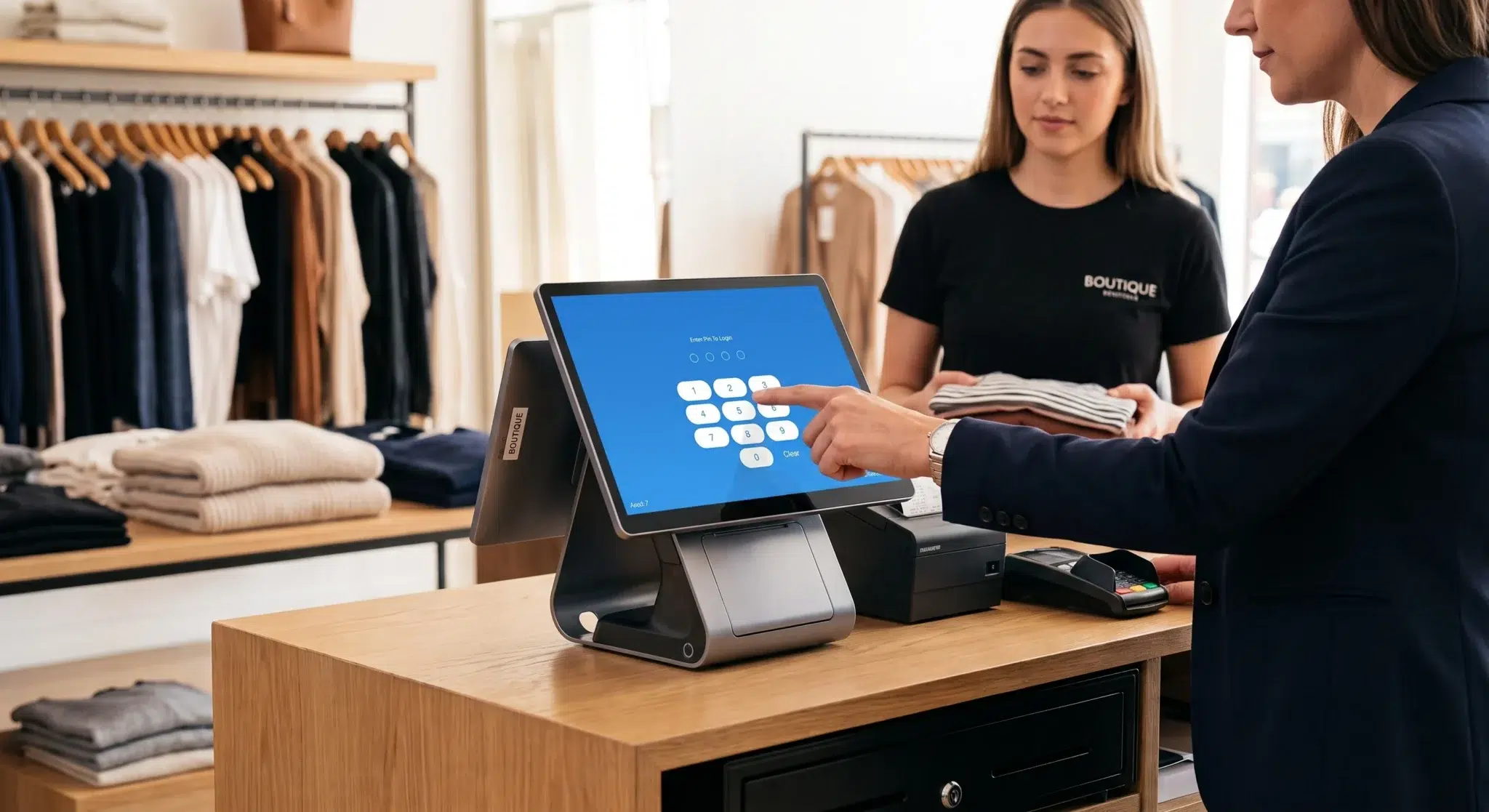
Biyo POS helps restaurants manage happy hour promotions and daily operations through integrated cloud-based restaurant technology.
The platform supports:
- Automated promotional pricing
- Time-based menu scheduling
- Inventory tracking
- Integrated payment processing
- Restaurant analytics
- Customer management
- Digital menu systems
- Multi-location restaurant management
Restaurants can schedule happy hour pricing automatically, ensuring promotions activate and deactivate at precise times without manual adjustments.
Biyo POS also helps restaurants monitor sales performance during promotional periods while improving operational efficiency and customer service workflows.
If you want to streamline restaurant operations and manage promotions more efficiently, you can create an account or explore how Biyo POS supports modern restaurant businesses.
Frequently Asked Questions
What time is happy hour usually?
Most happy hours typically run between 4 PM and 7 PM on weekdays, although schedules vary by restaurant and location.
Do restaurants offer happy hour on weekends?
Yes. Many restaurants and bars offer weekend happy hour specials, although the times may differ from weekday promotions.
What drinks are commonly discounted during happy hour?
Common happy hour drink specials include cocktails, beer, wine, margaritas, mojitos, and house beverages.
Do happy hour menus include food specials?
Yes. Many restaurants offer discounted appetizers, small plates, sliders, wings, flatbreads, and other shared dishes during happy hour.
Why do restaurants offer happy hour?
Restaurants use happy hour promotions to increase customer traffic during slower periods, boost sales, and encourage repeat visits.
How does Biyo POS help manage happy hour promotions?
Biyo POS helps restaurants automate promotional pricing, schedule menus, track inventory, process payments, and manage restaurant operations through integrated cloud-based tools.