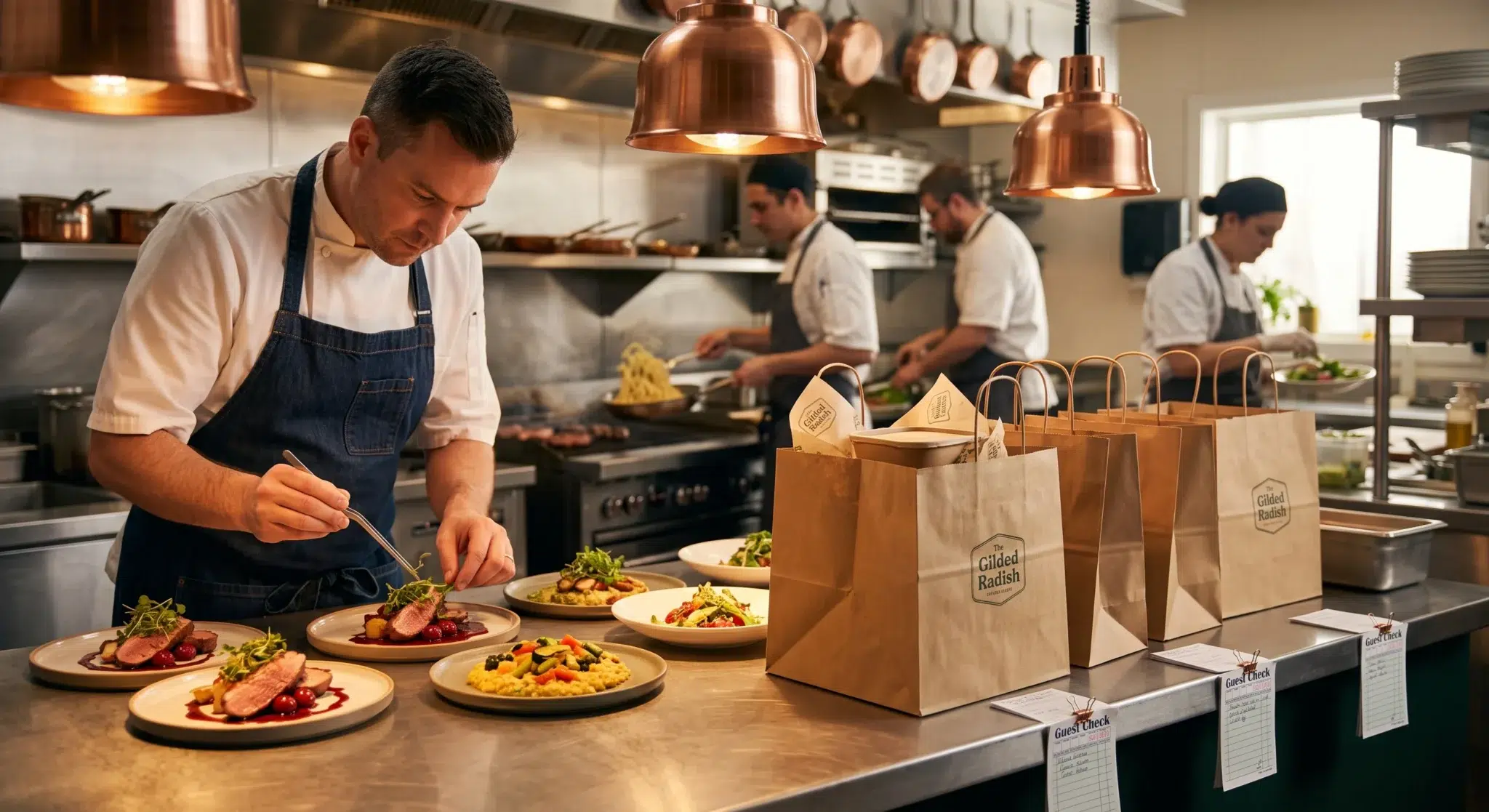
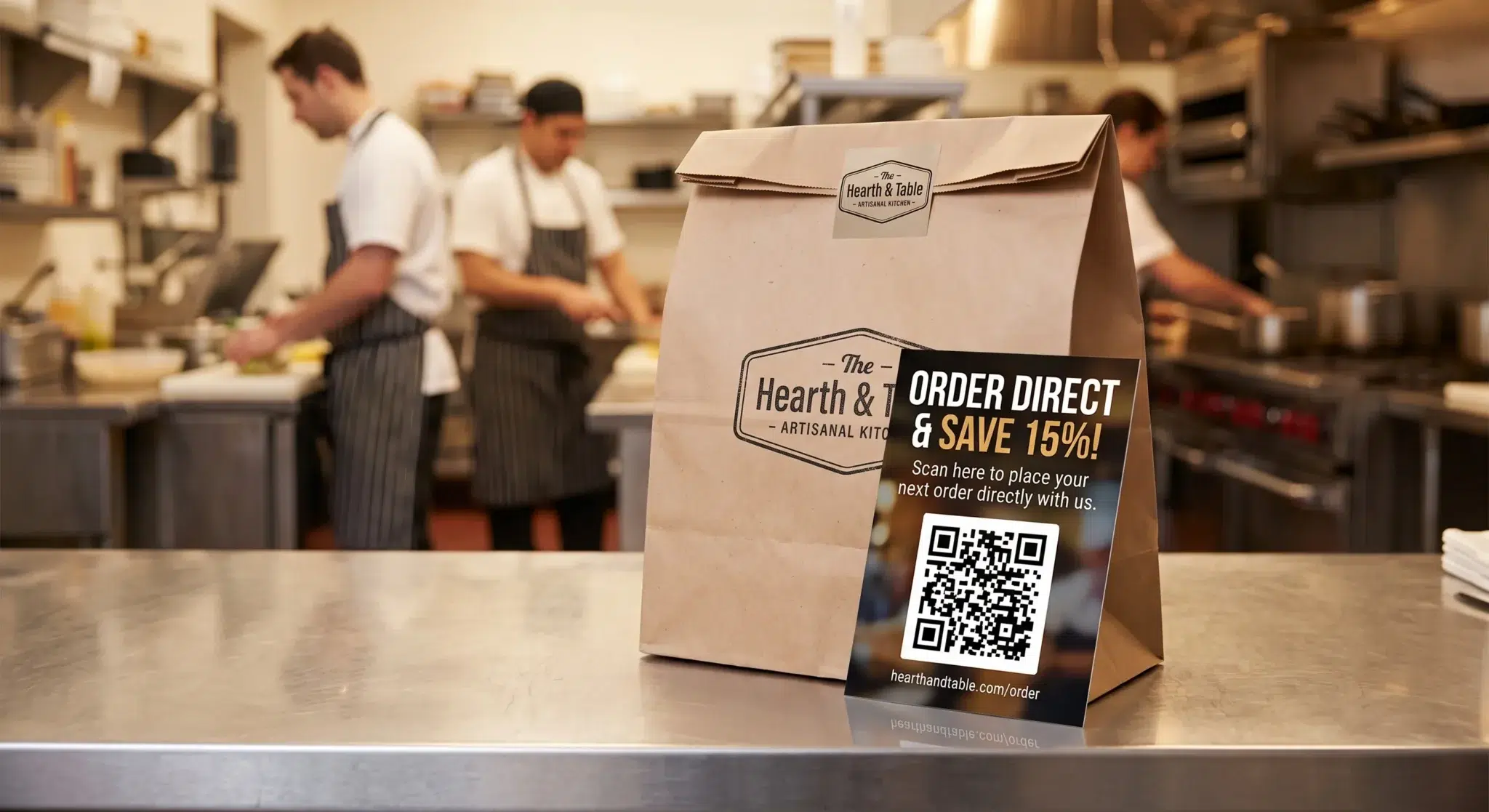
Opening a restaurant in NY is an exciting journey filled with opportunities and challenges. New York has one of the most competitive and diverse restaurant industries in the world, offering entrepreneurs the chance to create unique dining experiences that attract both locals and tourists.
However, starting a restaurant requires far more than a great menu idea. Restaurant owners must navigate licensing requirements, secure adequate funding, understand local regulations, hire qualified staff, and build systems that support long-term growth. Every decision—from choosing a location to selecting technology—can directly impact profitability and customer satisfaction.
According to industry data, New York remains one of the largest restaurant markets in the United States, generating billions of dollars in annual foodservice revenue. At the same time, restaurants face intense competition and rising operating costs, making strategic planning essential for success. Operators who enter the market with a clear concept, realistic financial projections, and efficient operational systems place themselves in a stronger position to succeed.
This guide walks you through the essential steps for opening a restaurant in New York, including understanding the market, securing funding, meeting health regulations, selecting the right location, and building operations that can support sustainable growth.
Table of Contents
- Understanding the Market
- Navigating Restaurant Permits and Licensing
- Creating a Solid Restaurant Business Plan
- Securing Funding for Your Restaurant
- Finding the Perfect Location
- Meeting Health and Safety Regulations
- Setting Up Your Commercial Kitchen
- Building Your Team and Operations
- Marketing Your Restaurant
- How Biyo POS Helps Restaurant Owners
- Frequently Asked Questions
Understanding the Market
Opening a restaurant in NY can be a thrilling yet challenging venture. With a dynamic dining scene, New York offers diverse opportunities for restaurateurs. However, understanding the market is crucial before launching your business.
New York City’s restaurant landscape ranges from high-end dining establishments to quick-service restaurants and niche eateries. Because competition is intense, identifying your niche is essential. Consider what cuisine you will offer, what dining experience you want to create, and who your target customers will be.
Monitoring dining trends also helps position your restaurant for success. Many New York diners prioritize sustainability, locally sourced ingredients, convenient online ordering, and plant-based menu options. Keeping up with these trends allows you to design a concept that resonates with modern diners.
Market research should include analyzing competitors, reviewing local demographics, studying customer spending habits, and evaluating nearby businesses that may influence foot traffic. Understanding what customers want—and what competitors are not providing—can help you create a concept that stands out.
Finding Your Restaurant Niche
Successful restaurants rarely try to serve everyone. Instead, they focus on serving a specific audience exceptionally well. Whether you plan to open a family-friendly restaurant, a trendy café, a neighborhood bistro, or an upscale dining establishment, your concept should clearly communicate what makes your restaurant different.
A strong niche not only helps attract customers but also simplifies menu development, marketing, staffing, and branding decisions.
Navigating Restaurant Permits and Licensing
Opening a restaurant in NY requires navigating multiple permits and licensing requirements. While the process may seem complex, following the correct steps ensures legal compliance and prevents costly delays.
First, you must register your business and obtain a business license from New York authorities. This license legally establishes your restaurant as a business entity.
Next, apply for a food service establishment permit through the NYC Department of Health. This permit allows you to serve food to the public and requires passing health inspections that verify proper food handling and sanitation practices.
If you plan to serve alcohol, you must obtain a liquor license through the New York State Liquor Authority. This process involves background checks, documentation, public notices, and regulatory compliance. Because approval can take several months, many operators begin this process well before their anticipated opening date.
Additional requirements may include sales tax registration, fire department approvals, signage permits, and employee food safety certifications depending on your location and business model.

Creating a Solid Restaurant Business Plan
A restaurant business plan is the foundation of your venture. It defines your concept, outlines your goals, and helps secure financing.
Start by defining your restaurant’s identity. Will it be a casual café, an upscale dining establishment, or a neighborhood bistro? Next, conduct a SWOT analysis to identify your strengths, weaknesses, opportunities, and threats.
Your plan should also include financial projections covering startup costs, operating expenses, and expected revenue. Investors and lenders rely heavily on these projections when deciding whether to support your business.
A comprehensive restaurant business plan typically includes market analysis, staffing requirements, menu strategy, marketing plans, operational procedures, and detailed financial forecasts. Creating realistic projections helps prevent cash flow problems and gives investors confidence in your concept.
Estimating Startup Costs
Restaurant startup costs vary significantly depending on concept and location. Common expenses include lease deposits, construction or renovations, kitchen equipment, furniture, inventory, technology systems, licensing fees, and payroll expenses.
Many New York restaurant owners also maintain reserve funds covering several months of operating expenses to help manage unexpected costs during the early stages of operation.
Securing Funding for Your Restaurant
Opening a restaurant in NY requires significant capital investment. Funding options include personal savings, bank loans, investors, grants, and crowdfunding.
Small business loans are a common choice for restaurant owners. To improve your chances of approval, prepare detailed financial projections and demonstrate a clear path to profitability.
Another option is partnering with investors who provide capital in exchange for equity in your restaurant. Crowdfunding platforms can also help raise funds by sharing your restaurant concept with supporters online.
Before accepting funding, carefully evaluate repayment terms, ownership implications, and long-term financial commitments. The right funding structure should support growth without creating unnecessary financial pressure.
Finding the Perfect Location
The location of your restaurant can significantly influence its success. Areas with high foot traffic, strong visibility, and proximity to office buildings or residential neighborhoods are ideal.
Understanding local demographics is also important. A trendy café might thrive near office districts, while family-oriented restaurants often perform better in residential neighborhoods.
Additionally, evaluate nearby competition. A neighborhood saturated with similar restaurants may require a unique concept to stand out.
Accessibility should also be considered. Easy parking, public transportation access, and pedestrian visibility can have a major impact on customer traffic.
Evaluating Commercial Leases
Commercial lease agreements can significantly affect profitability. Review rent increases, maintenance responsibilities, renewal options, and exclusivity clauses before signing any agreement. Consulting with an attorney experienced in commercial real estate can help protect your interests.
Meeting Health and Safety Regulations
Compliance with NYC health codes is essential when opening a restaurant in New York. These regulations ensure food safety and protect customers.
Restaurant staff must follow strict hygiene standards, including proper handwashing and food storage procedures. Kitchens must maintain cleanliness, temperature control, and sanitation practices to pass inspections.
Regular health inspections help identify potential issues early and ensure ongoing compliance with city regulations.
Training employees on food safety procedures is equally important. Consistent food handling practices reduce contamination risks and improve customer confidence in your establishment.

Setting Up Your Commercial Kitchen
A commercial kitchen is the operational heart of your restaurant. The design and layout must support efficient food preparation while meeting health and safety standards.
Arrange your kitchen layout to optimize workflow between food preparation, cooking, and plating stations. Proper organization reduces delays and improves staff efficiency.
Investing in durable commercial appliances ensures reliability and consistent food quality. Regular equipment maintenance also helps avoid unexpected service interruptions.
Kitchen design should prioritize workflow efficiency. Staff should be able to move smoothly between preparation areas, cooking stations, storage spaces, and service counters without creating bottlenecks.
Building Your Team and Operations
Hiring the right employees is essential for delivering a consistent customer experience. Your team should include individuals who not only possess the necessary skills but also align with your restaurant’s culture and service standards.
Key positions may include managers, chefs, cooks, servers, hosts, bartenders, and support staff. Comprehensive training programs help ensure employees understand customer service expectations, food safety procedures, and operational workflows.
Creating clear operational procedures helps maintain consistency even during busy service periods. Standardized systems for opening, closing, inventory management, food preparation, and customer service reduce errors and improve efficiency.
Marketing Your Restaurant
Marketing begins long before opening day. Building awareness early helps generate excitement and create momentum for a successful launch.
Social media platforms allow restaurant owners to showcase menu development, construction progress, team introductions, and behind-the-scenes content before opening.
After launch, successful marketing strategies often include:
- Google Business Profile optimization
- Local SEO campaigns
- Email marketing
- Loyalty programs
- Online ordering promotions
- Customer review management
- Social media advertising
- Community partnerships
Consistent marketing efforts help maintain customer awareness and encourage repeat visits.
How Biyo POS Helps Restaurant Owners
Running a restaurant involves managing orders, payments, staff scheduling, inventory, customer relationships, and reporting simultaneously. Modern POS systems simplify these processes and improve operational efficiency.
With Biyo POS, restaurant owners can manage orders, track inventory levels, monitor sales performance, analyze customer behavior, and streamline operations from one integrated platform.
Real-time reporting tools provide valuable insights into menu performance, revenue trends, labor efficiency, and inventory usage. This allows operators to make data-driven decisions that improve profitability and customer satisfaction.
Restaurant operators can also schedule a demo with Biyo POS to see how cloud-based POS technology helps streamline daily restaurant operations while improving customer service.
Businesses ready to modernize their restaurant management systems can create a Biyo account and begin optimizing their operations.
Frequently Asked Questions
What permits are required to open a restaurant in NY?
You will need a business license, a food service establishment permit from the NYC Department of Health, and possibly a liquor license from the New York State Liquor Authority.
How much does it cost to open a restaurant in New York?
Startup costs vary widely depending on location and restaurant concept, but many restaurants require between $150,000 and $500,000 to launch. Larger concepts may require significantly more capital.
How long does it take to open a restaurant in NY?
The process typically takes six months to one year due to licensing approvals, construction, inspections, and staffing requirements.
What factors determine restaurant success in New York?
Success depends on location, concept uniqueness, strong management, consistent food quality, effective marketing strategies, and operational efficiency.
Why do restaurants use POS systems?
POS systems help restaurants process payments, track inventory, manage orders, analyze sales data, and improve operational efficiency.
Do I need restaurant experience to open a restaurant?
While experience is helpful, many successful restaurant owners partner with experienced chefs, managers, or consultants to fill knowledge gaps and improve operations.
What is the biggest challenge when opening a restaurant in New York?
Many operators cite high startup costs, intense competition, staffing challenges, and regulatory compliance as some of the most significant obstacles when launching a new restaurant.