Preparing for a bartending job interview can feel overwhelming, especially if you are unsure what hiring managers expect. Bartending is not just about pouring drinks. It is about managing people, pressure, speed, responsibility, and professionalism all at once. Employers want someone who can represent their brand, handle alcohol responsibly, multitask during rush hours, and create memorable customer experiences.
A successful bartender combines technical mixology knowledge with strong communication skills and operational awareness. By understanding the most common bartending interview questions and how to answer them strategically, you dramatically improve your chances of landing the role. Preparation allows you to walk into the interview with clarity, confidence, and structured responses instead of hesitation.
Table of Contents
- Why Bartender Interview Questions Matter
- Common Customer Service Questions
- Mixology and Alcohol Knowledge
- Teamwork and Bar Operations
- Handling Difficult Situations
- Experience and Skills Assessment
- Licensing and Regulation
- The Role of Technology in Modern Bartending
- About Biyo POS
- FAQ
Why Bartender Interview Questions Matter
Bartending interviews are carefully designed to evaluate far more than drink-making skills. Employers are assessing whether you can handle pressure, represent the establishment’s culture, and maintain professionalism even during chaos. They want to see if you are reliable, adaptable, and customer-focused.
Interview questions help bar managers understand how you think, how you respond under stress, and whether you align with the bar’s environment. A high-end cocktail lounge may prioritize refined presentation and craft knowledge, while a busy sports bar may focus on speed and volume. Your answers should reflect awareness of the specific venue you are applying to.
What Employers Are Looking For
Bar managers look for more than experience. They want confidence without arrogance, friendliness without overfamiliarity, and efficiency without sloppiness. Strong communication skills are essential because bartenders constantly interact with guests, servers, barbacks, and management.
Multitasking ability is critical. During peak hours, you may take multiple drink orders, manage tabs, monitor intoxication levels, and process payments simultaneously. Employers listen closely to how you describe past experiences handling busy environments.
Work ethic also plays a major role. Bars operate late hours, weekends, and holidays. Managers want candidates who understand that hospitality requires commitment and consistency.
How to Prepare for Bartender Interviews
Preparation begins with research. Study the bar’s menu, atmosphere, clientele, and online presence. If possible, visit the establishment beforehand. Observe how bartenders interact with guests and how drinks are presented.
Practice answering common interview questions out loud. Structured responses feel more confident than improvised ones. Use the STAR method (Situation, Task, Action, Result) to describe past experiences clearly.
Prepare examples that demonstrate measurable results. For example, instead of saying, “I handle busy shifts well,” explain how you managed a 200-guest event while maintaining accuracy and customer satisfaction.
Importance of Confidence and Presentation
First impressions matter significantly in bartending interviews. Appearance, posture, and demeanor all communicate professionalism. Dress appropriately for the type of bar. A craft cocktail bar may expect polished attire, while a casual pub may prefer clean but relaxed clothing.
Maintain eye contact, smile naturally, and speak clearly. Confidence shows that you can handle direct customer interaction. However, avoid appearing overconfident. Balance professionalism with approachability.
Your energy should reflect the establishment’s vibe. A nightclub may value high energy, while a wine bar may prefer calm composure.
Common Customer Service Questions
Exceptional customer service defines successful bartenders. Hiring managers want to understand how you interact with guests, resolve conflicts, and build loyalty.
How Do You Handle Difficult Customers?
This question tests your emotional intelligence. Bars inevitably experience challenging situations. Customers may become impatient, intoxicated, or confrontational.
When answering, emphasize calmness and de-escalation. Explain that you listen actively, acknowledge concerns, and respond respectfully. Share a specific example where you turned a negative situation into a positive outcome.
Avoid blaming customers in your response. Focus on your actions and the resolution achieved.
What Does Excellent Customer Service Mean to You?
Excellent customer service goes beyond delivering drinks. It means anticipating needs, remembering preferences, and creating a welcoming environment.
You might say that great service involves attentiveness without being intrusive. Mention small details such as maintaining eye contact, checking back after serving drinks, and personalizing interactions.
Demonstrating genuine passion for hospitality strengthens your response.
How Do You Build Rapport with Guests?
Rapport builds loyalty. Regular customers often return because they feel recognized and valued.
Explain how you remember names or drink preferences. Discuss using positive body language and light conversation to create comfort. Share how you balance friendliness with professionalism.
Avoid overly personal boundaries. Keep interactions respectful and appropriate.
Mixology and Alcohol Knowledge
Technical knowledge is foundational in bartending interviews. Employers want confidence in your understanding of spirits, cocktails, and preparation techniques.
What Are Your Signature Cocktails?
Discuss drinks that highlight creativity and technique. Describe flavor balance, ingredients, and presentation.
You may mention a classic cocktail perfected through practice or an original creation inspired by seasonal ingredients. Explain why your signature drink stands out.
Be ready to demonstrate knowledge of proper measurements and preparation steps.
Can You Identify Popular Spirits and Their Uses?
Expect to explain differences between vodka, gin, rum, tequila, whiskey, and brandy. Mention how each spirit is commonly used in cocktails.
Understanding flavor profiles shows expertise. For example, gin often carries botanical notes, while bourbon has sweeter caramel tones.
Knowledge of liqueurs and bitters can also differentiate you from other candidates.
How Do You Stay Updated on Industry Trends?
The hospitality industry evolves constantly. Mention attending workshops, reading industry blogs, or following mixologists online.
Staying informed shows passion and initiative. Employers appreciate bartenders who bring fresh ideas.
Teamwork and Bar Operations
Bars operate as coordinated teams. Collaboration ensures efficiency and consistency.
How Do You Handle Busy Shifts?
Explain prioritization strategies. For example, you may prepare multiple drink components simultaneously to maximize efficiency.
Describe staying organized, communicating clearly with barbacks, and maintaining composure under pressure.
Employers value calmness during chaos.
What Is Your Approach to Bar Setup and Cleanup?
Preparation directly affects service speed. Discuss checking inventory, restocking garnishes, polishing glassware, and verifying equipment functionality before opening.
Highlight hygiene standards and organization habits.
How Do You Communicate with Other Staff Members?
Effective communication prevents mistakes. Explain how you coordinate with servers, kitchen staff, and managers.
Mention clarity, tone, and teamwork.
Handling Difficult Situations
Bars present unpredictable challenges.
Describe a Time You Dealt with an Intoxicated Customer
Showcase responsible alcohol service. Explain how you refused service calmly and involved management if necessary.
How Do You Respond to Equipment Failures?
Discuss problem-solving skills. For example, if a blender stops working, you adapt quickly or notify management immediately.
How Do You Handle Workplace Conflicts?
Highlight professionalism and open communication.
Experience and Skills Assessment
Employers assess depth of experience.
What Bartending Experience Do You Have?
Detail past roles and achievements.
What Skills Make You a Great Bartender?
Mention multitasking, memory, precision, and stamina.
Can You Operate a POS System?
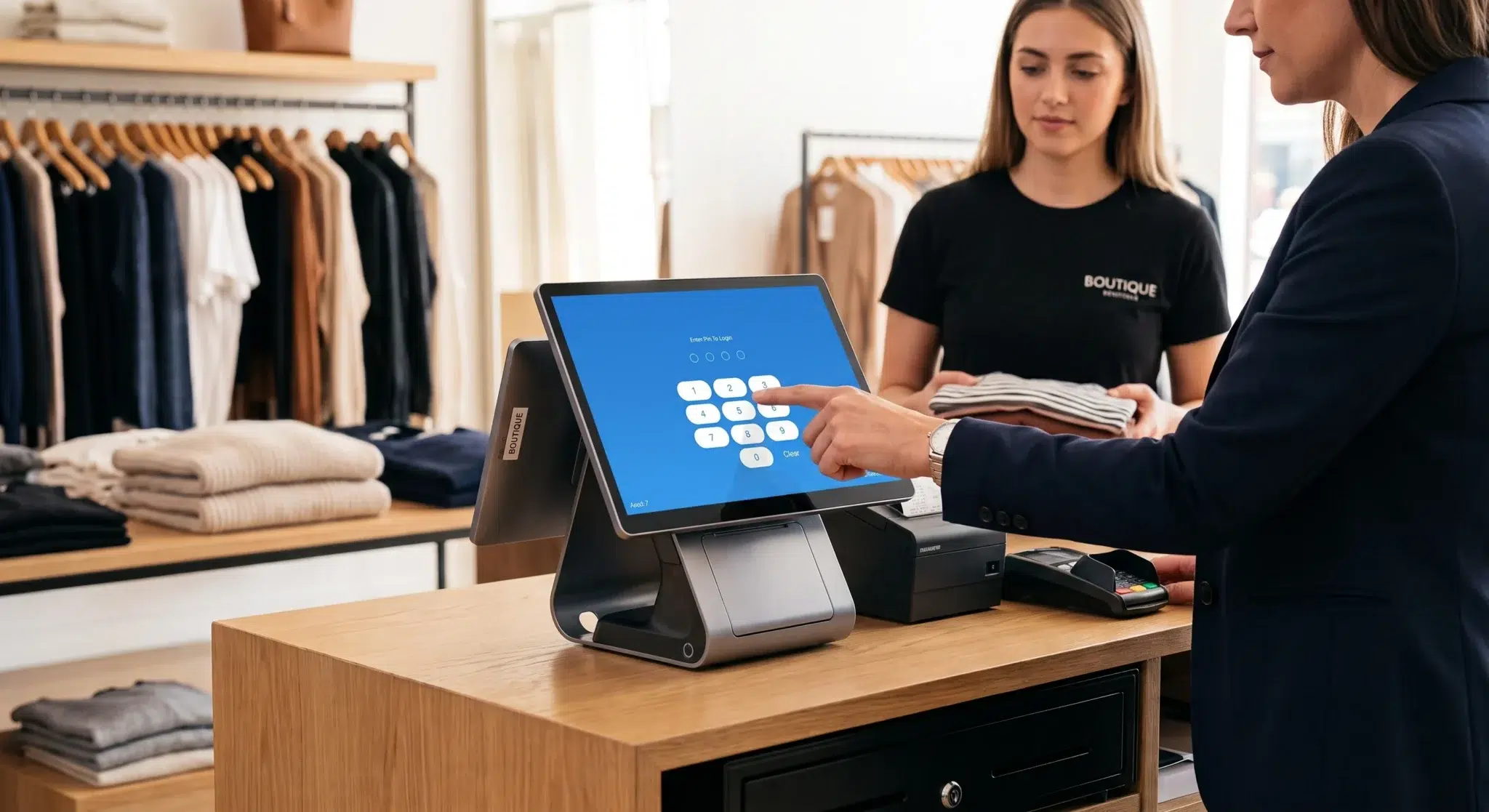
Explain familiarity with digital systems for order processing and tab management.
Licensing and Regulation
Understanding compliance is critical.
Are You Familiar with Local Alcohol Laws?
Demonstrate awareness of ID checks and serving limits.
Do You Hold Any Certifications?
Mention TIPS or other training programs.
How Do You Ensure Responsible Alcohol Service?
Explain monitoring guest behavior and refusing service when necessary.
The Role of Technology in Modern Bartending
Technology improves efficiency and accuracy.
How Do You Use POS Systems Efficiently?
POS systems like Biyo POS streamline transactions and reduce errors.
What Role Does Technology Play in Inventory Management?
Tracking stock prevents shortages and waste.
How Do You Stay Tech-Savvy in Hospitality?
Mention learning new systems quickly and adapting to updates.

About Biyo POS
Biyo POS provides advanced point-of-sale solutions tailored to bars and hospitality businesses. With features such as real-time inventory tracking, sales analytics, employee management, and seamless order processing, Biyo POS helps bartenders and managers operate efficiently.
The system reduces manual errors, speeds up transactions, and supports compliance with alcohol sales tracking. You can also explore setup options by visiting the signup page.
FAQ
- What are the most common bartending interview questions? They typically focus on customer service, mixology knowledge, teamwork, and handling difficult situations.
- How long should my answers be in an interview? Provide concise yet detailed responses, ideally under two minutes per answer.
- Is prior experience mandatory? Not always. Strong customer service skills and willingness to learn can compensate for limited experience.
- Why is a POS system important for bartenders? It ensures accurate order processing, inventory tracking, and efficient customer transactions.