In today’s rapidly evolving food industry, menu flexibility has become one of the most important competitive advantages for modern restaurants. Customers no longer expect static menus with limited choices. Instead, diners want personalized meals, dietary accommodations, seasonal variety, and the freedom to customize dishes according to their preferences.
Restaurants that embrace flexible menu strategies can adapt more effectively to changing customer expectations, food trends, ingredient availability, and operational challenges. Whether it involves offering build-your-own meals, allergy-friendly substitutions, portion customization, or rotating seasonal specials, menu flexibility helps businesses create more inclusive and engaging dining experiences.
Beyond customer satisfaction, menu flexibility also improves operational efficiency and profitability. Flexible menus help restaurants respond to supply chain disruptions, manage food costs more effectively, reduce waste, and optimize inventory usage without compromising food quality.
As consumer dining habits continue evolving, adaptable menus have become essential for restaurants seeking long-term growth, stronger customer loyalty, and operational resilience.
Table of Contents
- The Importance of Menu Flexibility in Modern Dining
- Customization and Dietary Accommodations: Catering to Every Guest
- Seasonal Ingredients and Dynamic Menu Updates
- Chef Creativity and Adaptive Recipes
- Technology Empowering Menu Flexibility
- Business Benefits of Flexible Restaurant Menus
- Common Challenges Restaurants Face with Flexible Menus
- Future Trends in Flexible Dining Experiences
- How Biyo POS Enhances Menu Flexibility
- FAQ
The Importance of Menu Flexibility in Modern Dining
The restaurant industry has changed dramatically over the past decade. Customers now expect restaurants to accommodate diverse dietary preferences, ingredient substitutions, and personalized dining experiences. As a result, menu flexibility has become a central part of modern restaurant operations.
Traditional fixed menus often limit customer satisfaction because they fail to account for allergies, health goals, cultural preferences, or lifestyle diets. Flexible menus solve this problem by allowing restaurants to provide customizable options without sacrificing efficiency.
Restaurants that embrace flexibility often build stronger relationships with customers because diners feel their preferences are respected and valued.
This approach additionally supports long-term adaptability. Restaurants operating with flexible menu systems can respond faster to changing ingredient prices, seasonal availability, and evolving food trends while maintaining service consistency.
Meeting Diverse Customer Preferences
Modern dining groups often include customers with very different dietary needs and preferences. One table may include vegan diners, gluten-sensitive guests, keto followers, and customers looking for traditional comfort food.
Without menu flexibility, accommodating everyone becomes difficult.
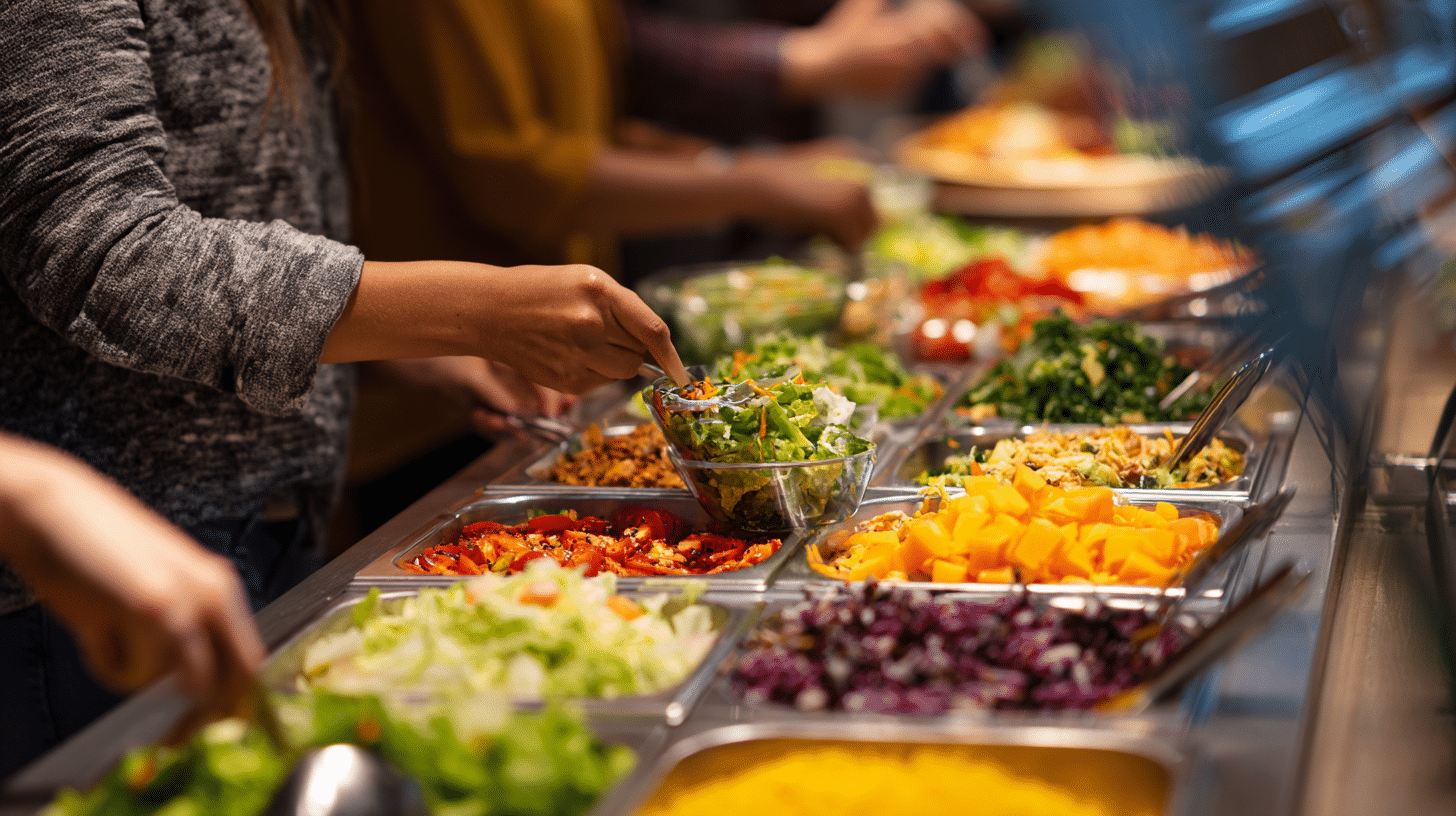
Build-your-own meal concepts have become increasingly popular because they allow customers to personalize dishes according to their tastes. Restaurants offering customizable bowls, pizzas, sandwiches, tacos, salads, or pasta dishes can appeal to a much broader audience.
For example, a pizza restaurant may allow diners to choose:
- Gluten-free crusts
- Cauliflower crust alternatives
- Dairy-free cheese
- Plant-based protein toppings
- Low-sodium sauces
This level of customization improves inclusivity while increasing customer satisfaction.
Restaurants that regularly introduce rotating specials or limited-time options also create excitement that encourages repeat visits.
Balancing Cost and Quality through Menu Adaptability
Menu flexibility benefits restaurants financially as well.
Ingredient prices fluctuate constantly due to seasonal shortages, supply chain disruptions, weather conditions, and market demand. Flexible menus allow chefs to substitute ingredients strategically without dramatically altering dishes.
For example, if avocado prices rise unexpectedly, chefs may temporarily substitute another premium ingredient while maintaining dish quality and presentation.
Portion flexibility also helps restaurants control costs while meeting customer expectations.
Some customers prefer lighter meals or tasting portions, while others want larger servings. Restaurants that offer half portions, customizable add-ons, or scalable meal sizes can better satisfy varying appetites while reducing food waste.
Menu adaptability also improves inventory management because ingredients can often be used across multiple dishes, reducing spoilage and increasing operational efficiency.
Encouraging Customer Loyalty and Repeat Business
Customers are more likely to return to restaurants where they feel accommodated and understood.
When restaurants willingly adjust meals for dietary restrictions, allergies, or personal preferences, diners often develop stronger emotional connections with the business.
For example, customers managing food allergies often become highly loyal to restaurants that consistently provide safe dining experiences.
Customization additionally creates a sense of participation in the dining experience. Customers enjoy building meals that feel personalized specifically for them.
Restaurants that consistently update menu offerings with seasonal dishes, chef specials, or limited-time options also maintain stronger long-term customer engagement.
This strategy keeps the restaurant menu fresh and exciting for returning guests.
Customization and Dietary Accommodations: Catering to Every Guest
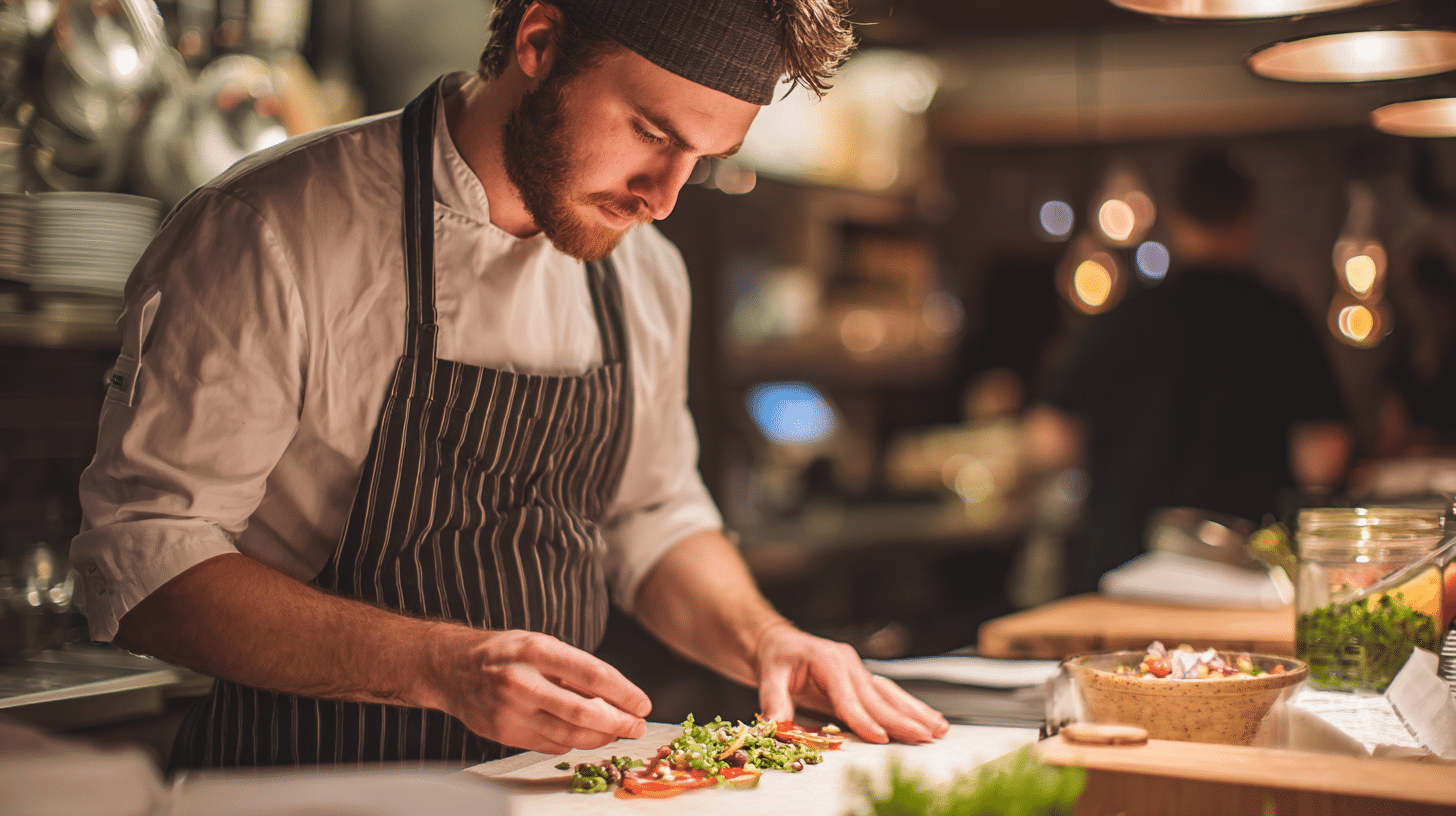
Customization and dietary accommodations represent the foundation of menu flexibility.
Modern diners increasingly expect restaurants to support diverse lifestyles, allergies, sensitivities, and wellness goals.
Build-Your-Own Meals and Personalized Dining
Build-your-own meal concepts transform dining into an interactive experience.
Instead of selecting fixed menu items, customers can personalize meals by choosing proteins, vegetables, sauces, toppings, portion sizes, and flavor combinations.
This strategy benefits both customers and restaurants.
Customers enjoy greater control over their meals, while restaurants can simplify kitchen workflows by building multiple dishes around shared ingredients.
Examples of highly successful customizable menu concepts include:
- Custom pizza restaurants
- Burrito and taco bars
- Salad and grain bowl concepts
- Sandwich and deli counters
- Poke bowl restaurants
These concepts create flexibility while maintaining operational efficiency.
Managing Food Allergies and Dietary Restrictions
Food allergies and sensitivities have become increasingly important within the restaurant industry.
Restaurants that provide transparent ingredient information and flexible substitutions demonstrate strong commitment to customer safety.
Common dietary accommodations may include:
- Gluten-free substitutions
- Dairy-free alternatives
- Nut-free preparation options
- Low-sodium modifications
- Vegan ingredient replacements
Staff training is essential for handling allergy-related requests properly.
Servers should understand ingredient lists and kitchen procedures well enough to communicate accurate information confidently.
Restaurants that prioritize allergy safety often develop stronger reputations and customer trust.
Supporting Lifestyle Diets and Wellness Trends
Many customers follow dietary lifestyles such as keto, paleo, vegetarian, vegan, or low-carb eating plans.
Flexible menus help restaurants accommodate these preferences without requiring entirely separate menu systems.
For example:
- Burger restaurants may offer lettuce wraps instead of buns
- Pasta restaurants may provide zucchini noodles
- Cafés may offer plant-based milk alternatives
- Breakfast restaurants may provide protein-focused substitutions
Restaurants that embrace wellness-oriented dining trends often attract younger demographics and health-conscious consumers.
Technology tools integrated with systems like restaurant inventory planning and POS solutions additionally help restaurants manage customization requests more accurately and efficiently.
Seasonal Ingredients and Dynamic Menu Updates
Seasonal ingredients play a major role in supporting menu flexibility while improving freshness and culinary creativity.
Using Seasonal Ingredients for Better Flavor
Seasonal produce is typically fresher, more flavorful, and more affordable than out-of-season alternatives.
Restaurants that rotate ingredients based on seasonal availability often deliver higher-quality dining experiences while controlling ingredient costs.
For example:
- Summer menus may feature berries, tomatoes, and fresh herbs
- Fall menus may include squash, apples, and root vegetables
- Winter menus may focus on hearty soups and braised dishes
- Spring menus may highlight asparagus and fresh greens
Seasonal flexibility additionally helps restaurants create visually appealing and diverse menus throughout the year.
Dynamic Menu Planning and Restaurant Agility
Dynamic menu planning allows restaurants to respond quickly to changing market conditions.
If ingredient shortages occur or food costs rise unexpectedly, chefs can modify recipes while maintaining the overall identity of the dish.
This operational agility is especially valuable during supply chain disruptions or seasonal fluctuations.
Restaurants operating with rigid menus often struggle to adapt quickly when ingredient availability changes.
Managing Frequent Menu Updates Efficiently
Frequent menu updates require strong communication between management, servers, and kitchen staff.
Digital restaurant technology simplifies this process significantly.
Modern POS systems allow restaurants to update:
- Menu pricing
- Ingredient availability
- Daily specials
- Limited-time promotions
- Seasonal offerings
These updates can often be synchronized instantly across ordering platforms, kitchen systems, and online menus.
Chef Creativity and Adaptive Recipes
Menu flexibility encourages culinary creativity and innovation.
Chefs working with adaptive menus can experiment with new ingredients, flavor combinations, and preparation techniques while responding to customer preferences more effectively.
Adaptive recipes allow substitutions without compromising quality or consistency.
For example, chefs may replace seasonal vegetables, proteins, or sauces while maintaining the overall structure and flavor profile of a dish.
This flexibility supports innovation while reducing dependency on specific ingredients.
Customer feedback also plays an important role in menu development.
Restaurants that actively monitor customer preferences can refine dishes, identify emerging food trends, and continuously improve menu offerings.
Technology Empowering Menu Flexibility
Modern restaurant technology has become essential for supporting flexible menu systems.
POS systems, inventory management platforms, and analytics tools help restaurants manage complex customization efficiently while maintaining speed and accuracy.
Technology helps restaurants:
- Capture detailed order modifications
- Track ingredient availability
- Update menus instantly
- Monitor food costs
- Analyze customer preferences
- Improve kitchen communication
Kitchen display systems additionally help reduce errors by transmitting precise order details directly to preparation stations.
Restaurants that leverage technology effectively can support highly personalized dining experiences without slowing service.
Business Benefits of Flexible Restaurant Menus
Menu flexibility offers several operational and financial advantages for restaurants.
Increased Customer Retention
Customers are more likely to revisit restaurants that accommodate their preferences and dietary needs consistently.
Higher Average Ticket Sizes
Customization options and premium add-ons often increase average order values through upselling opportunities.
Improved Inventory Efficiency
Shared ingredients across multiple customizable dishes reduce waste and improve inventory utilization.
Competitive Market Differentiation
Restaurants offering highly adaptable menus often stand out in crowded dining markets.
Common Challenges Restaurants Face with Flexible Menus
Although menu flexibility offers many benefits, it also creates operational challenges.
Kitchen Complexity
Highly customized orders can increase kitchen workload and preparation complexity.
Staff Training Requirements
Servers and kitchen employees require strong training to manage modifications accurately.
Inventory Forecasting Challenges
Customization makes ingredient demand less predictable, which can complicate inventory planning.
Maintaining Service Speed
Restaurants must balance personalization with efficient service to avoid slowing operations during peak hours.
Technology integration and standardized workflows help minimize these challenges.
Future Trends in Flexible Dining Experiences
The future of restaurant dining will likely become even more personalized and technology-driven.
Emerging trends include:
- AI-driven menu recommendations
- Personalized nutrition tracking
- Dynamic digital menus
- Hyper-customized ordering systems
- Automated dietary filtering
Restaurants that continue investing in flexibility and technology will likely remain more competitive as customer expectations evolve.
How Biyo POS Enhances Menu Flexibility
Restaurant technology plays a major role in supporting menu flexibility, and modern POS platforms help restaurants manage complex customization efficiently.
Biyo POS provides tools specifically designed to simplify flexible menu management, ingredient substitutions, dynamic pricing, and personalized ordering experiences.
The platform allows restaurant staff to quickly enter:
- Ingredient substitutions
- Allergy accommodations
- Portion modifications
- Special preparation instructions
- Customizable meal selections
These details are transmitted directly to the kitchen, reducing communication errors and improving order accuracy.
Biyo POS additionally includes inventory tracking and analytics tools that help restaurants monitor ingredient usage, identify popular modifications, and optimize menu profitability.
Restaurants interested in modernizing flexible menu operations can create a Biyo POS account to explore the platform further.
Businesses looking for a personalized walkthrough can also schedule a demo with the Biyo team.
FAQ
What is menu flexibility?
Menu flexibility refers to a restaurant’s ability to customize dishes, substitute ingredients, accommodate dietary restrictions, and adapt offerings based on customer preferences or seasonal availability.
Why is menu flexibility important for restaurants?
Flexible menus improve customer satisfaction, support dietary accommodations, reduce food waste, and allow restaurants to adapt quickly to changing market conditions.
How do customizable menus improve customer experiences?
Customizable menus allow diners to personalize meals according to their tastes, dietary goals, allergies, and portion preferences, creating more satisfying dining experiences.
Can flexible menus increase restaurant profitability?
Yes. Flexible menus often improve inventory efficiency, reduce waste, increase customer retention, and create upselling opportunities through add-ons and premium customizations.
How do restaurants manage allergy-friendly customization safely?
Restaurants typically rely on staff training, ingredient transparency, standardized kitchen procedures, and technology systems to manage allergy-related accommodations safely.
How often should restaurants update flexible menus?
Many restaurants update menus seasonally or quarterly, although flexible menu systems allow smaller changes and daily specials to be introduced frequently.
What role does technology play in menu flexibility?
Technology helps restaurants manage customization requests, update menus instantly, track inventory, monitor customer preferences, and improve kitchen communication.
How does Biyo POS support flexible restaurant operations?
Biyo POS helps restaurants manage custom orders, ingredient substitutions, inventory tracking, analytics, and dynamic menu updates through one centralized platform.