There’s something truly special about cooking with seasonal ingredients. When you choose produce harvested at its natural peak, you get stronger flavor, better nutrition, and a more authentic connection to how food is meant to be enjoyed. Seasonal ingredients are not just a culinary preference—they represent a smarter, more sustainable way of eating that aligns with both health and environmental awareness.
Studies show that fresh produce can lose up to 30% of its nutrients within days of harvest if stored or transported over long distances. This is one of the key reasons why seasonal ingredients consistently deliver higher quality. From crisp spring asparagus to rich autumn squash, each season brings a distinct set of flavors that enhance both everyday meals and professional menus.
Table of Contents
- Why Seasonal Ingredients Matter
- Local Sourcing and Sustainable Farming
- Maximizing Flavor and Quality with Seasonal Recipes
- Navigating Ingredient Availability and Market-Fresh Options
- Embracing Seasonal Food Trends for Regional Menus
Why Seasonal Ingredients Matter
Understanding the importance of seasonal ingredients helps explain why they play such a central role in both traditional and modern cooking. Food harvested in its natural season reaches optimal maturity, which directly impacts flavor, texture, and nutritional value.
The Flavor Peak of Seasonal Ingredients
Seasonal ingredients offer a level of flavor that is difficult to replicate with out-of-season produce. Fruits and vegetables develop their full sugar content, acidity balance, and aroma when grown under natural conditions.
For example, tomatoes grown in summer under full sunlight develop a rich, sweet flavor profile, while off-season greenhouse tomatoes often taste diluted. This difference is not subtle—it directly affects the quality of dishes prepared with them.
Because seasonal ingredients are naturally more flavorful, they require less seasoning and processing. This allows chefs and home cooks to create meals that feel cleaner, fresher, and more authentic.
The Nutritional Benefits of Seasonal Produce
Seasonal produce is typically consumed closer to harvest, which helps preserve essential nutrients. Vitamins such as vitamin C and antioxidants degrade quickly after harvesting, especially when produce is stored for extended periods or transported long distances.
Research indicates that freshly harvested fruits and vegetables can retain significantly higher levels of nutrients compared to those stored for weeks. For example, leafy greens harvested locally and consumed quickly provide better iron and vitamin content than imported alternatives.
By eating seasonally, you naturally rotate your nutrient intake throughout the year. This variation supports a more balanced diet and reduces dependence on processed or supplemented foods.
Connecting with Natural Cycles Through Food
Seasonal ingredients reflect the natural rhythm of agriculture. Eating according to these cycles promotes sustainability and supports farming practices that maintain soil health and biodiversity.
For instance, crop rotation helps preserve soil nutrients and reduces reliance on chemical fertilizers. Seasonal eating aligns with these practices, encouraging responsible consumption and reducing environmental impact.

Local Sourcing and Sustainable Farming
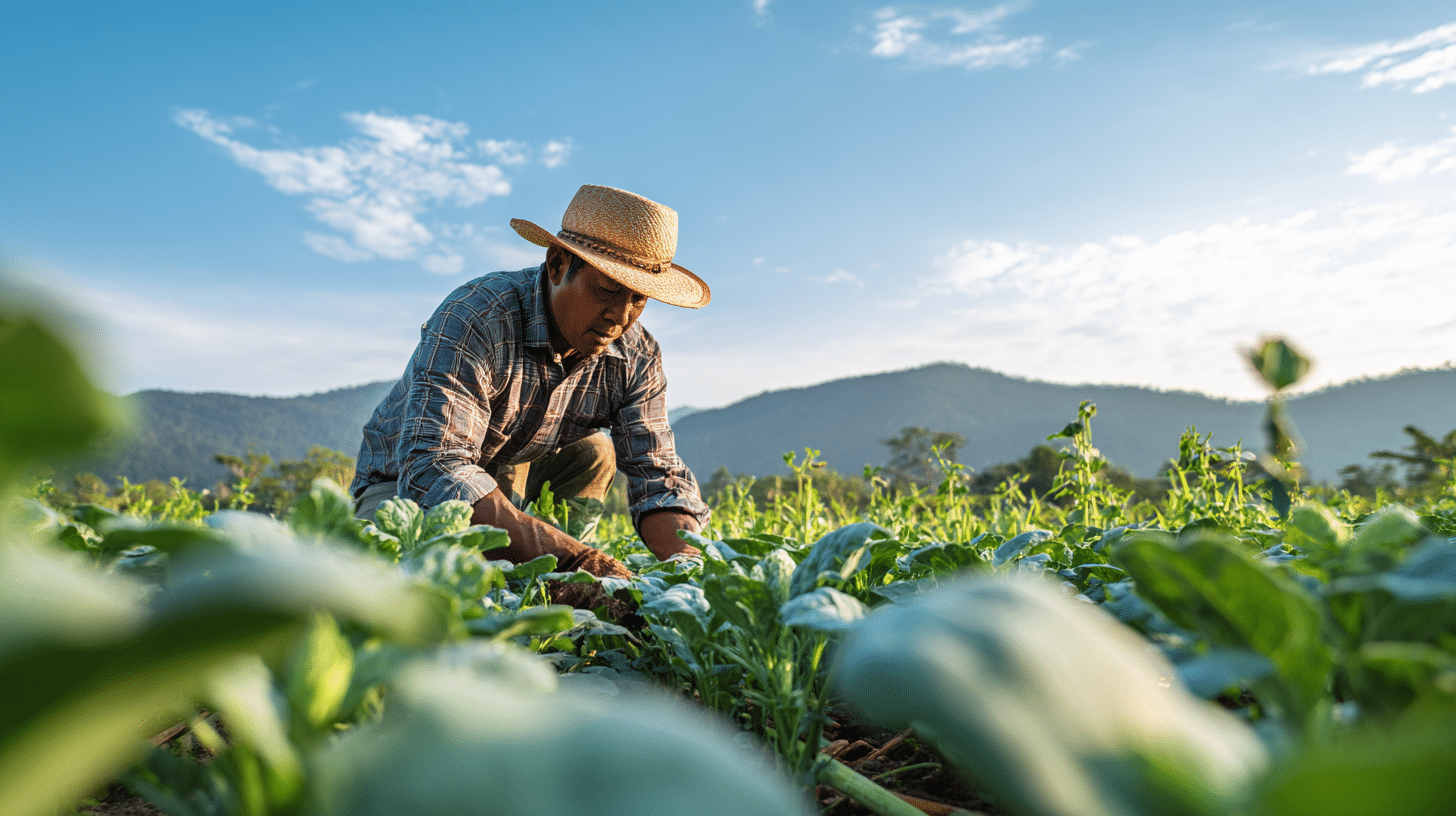
Local sourcing plays a major role in maximizing the benefits of seasonal ingredients. It reduces transportation time, preserves freshness, and supports local economies.
The Benefits of Farmer’s Markets and Regional Foods
Farmer’s markets provide direct access to fresh, in-season produce. Unlike supermarkets, where items may travel thousands of miles, local markets offer ingredients harvested recently, often within 24–48 hours.
This freshness translates into better taste and higher nutritional value. Additionally, consumers gain insight into farming practices, which increases transparency and trust.
Crop Rotation and Sustainable Production
Crop rotation improves soil fertility and reduces pest issues naturally. By alternating crops, farmers maintain healthier soil ecosystems, leading to better-quality produce.
This method supports long-term sustainability and ensures a consistent supply of high-quality seasonal ingredients.
Organic Vegetables and Sustainable Ingredients
Organic farming methods align closely with seasonal growing patterns. By avoiding synthetic chemicals, organic farms rely on natural processes that enhance soil quality and crop health.
While organic produce may cost more, it often delivers better taste and supports environmentally responsible agriculture.
Maximizing Flavor and Quality with Seasonal Recipes
Seasonal ingredients naturally inspire better cooking. When ingredients are at their peak, recipes become simpler and more effective.
Crafting Menus Around Seasonal Food Trends
Seasonal menus allow chefs to highlight ingredients at their best. Restaurants that adapt to seasonal availability often see improved customer satisfaction because dishes feel fresh and relevant.
For example, summer menus may focus on light, fresh dishes, while winter menus feature hearty, comforting meals.
Techniques to Enhance Culinary Freshness
Cooking methods should complement seasonal ingredients. Techniques like roasting, steaming, and light sautéing help preserve flavor and texture.
Minimal processing allows ingredients to maintain their natural characteristics, resulting in better overall dish quality.
Incorporating Ingredient Variety
Seasonal cooking encourages variety. Different seasons introduce different ingredients, ensuring meals remain diverse and nutritionally balanced.
This variety improves both taste and overall dietary quality.
Navigating Ingredient Availability and Market-Fresh Options
Understanding ingredient availability helps improve purchasing decisions and reduce waste.
Recognizing Harvest Seasons
Each ingredient has a peak season. Knowing these cycles allows consumers and businesses to prioritize freshness and cost-effectiveness.
Shopping Strategies
Buying seasonal produce reduces costs because supply is higher during peak harvest periods. This makes seasonal ingredients both a quality and economic advantage.
Using Technology for Inventory Management
Tools like Biyo POS help businesses track inventory in real time, ensuring seasonal ingredients are used efficiently.
Real-time data reduces waste and improves planning, especially for restaurants and retailers dealing with perishable goods.
Embracing Seasonal Food Trends for Regional Menus
Seasonal trends influence how menus are designed and how customers engage with food.
Highlighting Regional Foods
Regional ingredients reflect local identity and create a unique dining experience. Customers value authenticity, and seasonal menus deliver that naturally.
Adapting to Consumer Preferences
Modern consumers increasingly prefer fresh, sustainable food. Seasonal ingredients align with these preferences, making them a strong strategic choice.
Balancing Innovation and Tradition
Seasonal cooking allows chefs to innovate while maintaining traditional flavors. This balance keeps menus dynamic and appealing.
How Biyo POS Supports Seasonal Ingredient Management
Biyo POS helps businesses manage seasonal ingredients more efficiently by providing real-time inventory tracking, sales insights, and operational visibility.
With accurate data, businesses can adjust menus, reduce waste, and align purchasing decisions with seasonal availability.
You can sign up here or schedule a call to get started.
Frequently Asked Questions (FAQ)
What are seasonal ingredients?
Seasonal ingredients are foods harvested during their natural growing period.
Why are seasonal ingredients better?
They offer better flavor, nutrition, and sustainability benefits.
How can I find seasonal ingredients?
Check local markets or seasonal food guides.
Does seasonal mean local?
Often, but not always. Local sourcing increases freshness.
How does Biyo POS help?
It improves inventory tracking and reduces waste.