Retail looks simple from the outside. Products come in, customers buy them, money goes to the bank. However, anyone who has actually run a store knows that inventory can quietly turn into chaos. One week you are out of your best seller, and the next week you are drowning in slow stock that will not move. These situations create what many owners call Retail Inventory Nightmares and How to Avoid Them, and they often destroy profits faster than rent or payroll ever could.
When you lack real-time visibility, small mistakes multiply. A missed count, a delayed update, or a manual spreadsheet error can lead to thousands in lost revenue. Therefore, learning about Retail Inventory Nightmares and How to Avoid Them is not optional if you want consistent margins. It is a survival skill for modern retail.
This guide breaks down the most common inventory disasters and shows you exactly how to prevent them using smarter systems, better habits, and modern POS tools. Instead of guessing, you will learn how to control stock with confidence and finally sleep at night.
Table of Contents
- Why Inventory Control Fails in Retail Stores
- Stockouts and Overstocking: The Silent Killers
- Shrinkage, Loss, and Hidden Discrepancies
- Manual Reporting and Tracking Mistakes
- Using Smart Systems to Stay Ahead
- How Biyo Helps Retailers Stay in Control
- FAQ
Why Inventory Control Fails in Retail Stores
Before solving problems, you need to understand why they happen. Many retailers assume inventory issues come from bad luck or seasonal swings. However, most Retail Inventory Nightmares and How to Avoid Them come from systems that simply cannot keep up with daily operations.
Disconnected Data and Spreadsheets
A lot of stores still track inventory using spreadsheets or handwritten counts. At first, this feels cheap and easy. Meanwhile, each update depends on someone remembering to enter numbers manually. That creates gaps.
Because humans get busy, counts often happen late or not at all. Therefore, what the spreadsheet says rarely matches what is actually on the shelf. This mismatch leads to ordering mistakes and lost sales.
When you rely on disconnected tools, you are guessing. Real-time POS data removes guesswork and gives you live numbers you can trust.
No Real-Time Visibility
Without real-time inventory visibility, you are always reacting. You only discover problems after they cost you money. For instance, you notice an empty shelf when a customer complains.
However, by then the damage is done. You already lost the sale and maybe the customer. As a result, revenue drops quietly without you knowing why.
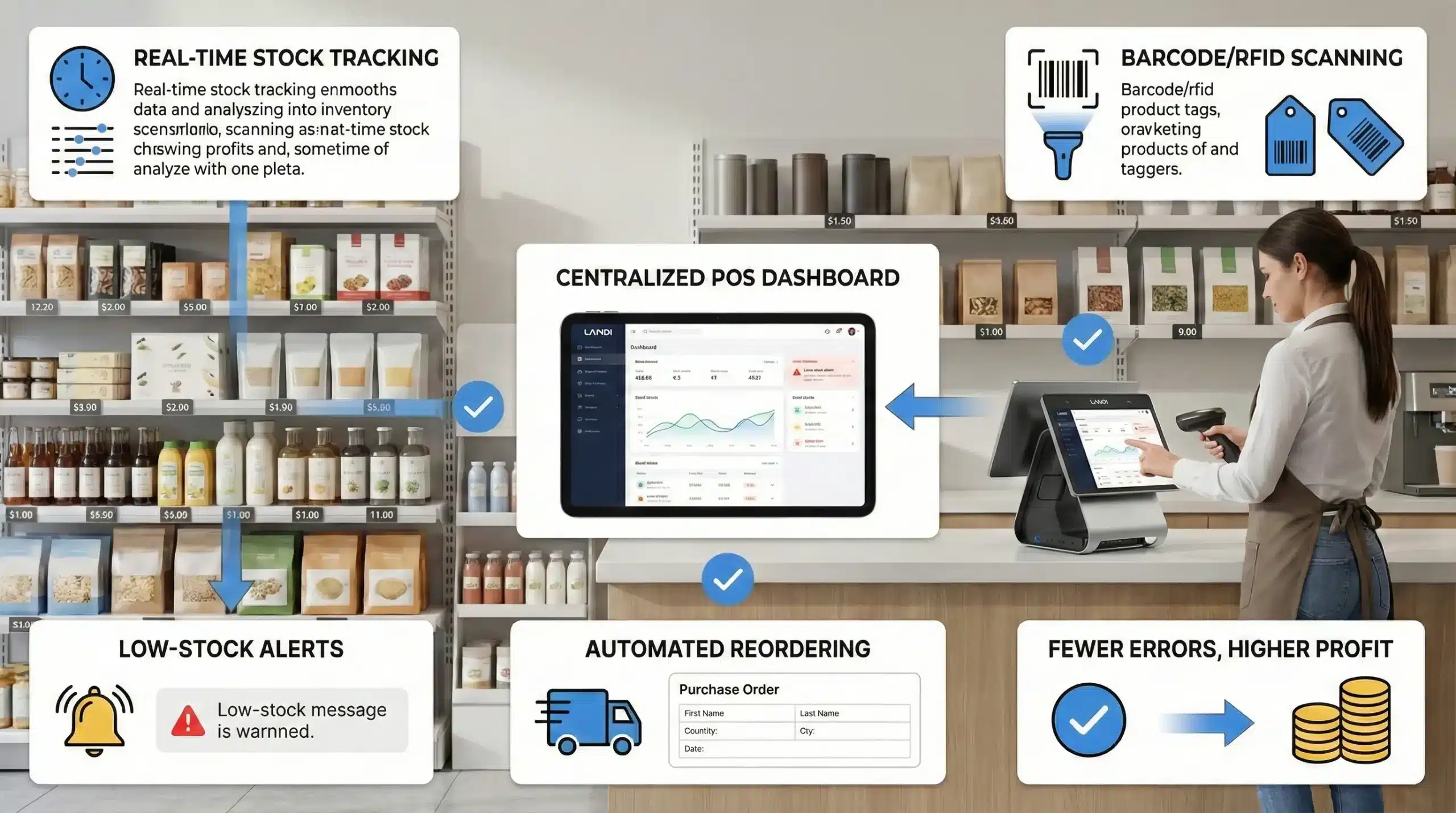
A live dashboard changes everything. You see stock levels instantly and fix issues before they become retail inventory nightmares.
Poor Forecasting and Guesswork Ordering
Many owners order based on instinct. They think, “We sold a lot last month, so let’s buy more.” Unfortunately, demand changes quickly.
Seasonality, promotions, and trends shift sales patterns. Therefore, ordering without data often causes overstocking or shortages. Both situations hurt cash flow.
Demand forecasting tools inside a POS use actual sales history. That data helps you make smarter decisions and avoid expensive surprises.
 Stockouts and Overstocking: The Silent Killers
 Stockouts and Overstocking: The Silent Killers
Stock issues are the most visible part of Retail Inventory Nightmares and How to Avoid Them. You either have too little or far too much. Both scenarios quietly destroy profitability.
Stockouts That Drive Customers Away
Stockouts seem small at first. A single missing item may not look serious. However, repeat stockouts train customers to shop elsewhere.
When shoppers cannot find what they want, they stop trusting your store. Meanwhile, competitors win that loyalty. Over time, your reputation weakens.
Automatic low-stock alerts help prevent this. As soon as levels drop, you reorder fast and keep shelves full.
Overstock That Eats Your Cash
Overstocking feels safe because you never run out. Yet it locks up your money in products that sit for months. That trapped cash could fund marketing or new items.
Meanwhile, slow inventory collects dust and sometimes expires or goes out of style. Therefore, you end up discounting heavily just to clear space.
Smarter purchasing based on real demand keeps inventory lean and profitable.
Balancing Inventory With Data
Balance is the goal. You want enough stock to meet demand but not so much that storage costs explode. Achieving this balance requires accurate numbers.
Sales reports show which products move fast and which move slowly. As a result, you order with confidence instead of emotion.
That simple shift eliminates many retail inventory nightmares before they even start.
Shrinkage, Loss, and Hidden Discrepancies
Not all losses come from poor ordering. Some disappear quietly through shrinkage. That is one of the most painful parts of Retail Inventory Nightmares and How to Avoid Them because it feels invisible.
Theft and Shoplifting
Every retailer faces theft. Even small daily losses add up quickly. For example, losing five items a day can mean thousands per year.
Without tracking, you might not even notice. However, shrinkage reports reveal patterns and problem areas. Therefore, you can take action fast.
Modern POS systems log every transaction, making suspicious gaps easier to spot.
Internal Errors and Miscounts
Sometimes the issue is not theft but simple mistakes. Staff may scan items incorrectly or forget to log returns. These small errors distort your numbers.
Because counts look wrong, you order incorrectly. As a result, you create overstock or stockouts without realizing the real cause.
Clear processes and barcode scanning reduce these human errors significantly.
Regular Audits and Cycle Counts
Waiting for an annual count is risky. Problems grow for months before you catch them. Instead, frequent cycle counts keep you accurate.
By checking small sections weekly, you maintain control. Therefore, discrepancies stay small and manageable.
Consistent audits are a simple habit that prevents major losses later.
Manual Reporting and Tracking Mistakes
Manual work slows teams and creates mistakes. That is why many Retail Inventory Nightmares and How to Avoid Them begin with paperwork and outdated processes.
End-of-Day Guesswork
If you wait until closing time to calculate sales and stock, your reports are already outdated. Meanwhile, staff rush through tasks and miss details.
Rushed reporting leads to incorrect numbers. Consequently, you make decisions based on flawed information.
Real-time tracking eliminates this scramble and gives you clean data all day long.
Data Entry Fatigue
Typing numbers repeatedly is exhausting. Over time, employees make mistakes. One wrong digit can throw off inventory counts for weeks.
Because errors look small, they often go unnoticed. However, they compound and create bigger issues later.
Automation removes manual entry and keeps records accurate automatically.
Lack of Centralized Reports
When reports live in different places, you waste time searching for answers. Sales are in one file, stock is in another, and costs are somewhere else.
This fragmentation slows decisions. Therefore, problems linger longer than they should.
A centralized POS dashboard puts everything in one place, saving time and stress.
Using Smart Systems to Stay Ahead
The good news is that most Retail Inventory Nightmares and How to Avoid Them disappear once you use the right tools. Smart inventory systems give you control instead of confusion.
Real-Time Inventory Tracking Software
Modern systems update stock automatically with every sale. Because changes happen instantly, you always know what is available.
This visibility improves planning. Meanwhile, managers make faster decisions with confidence.
Real-time tracking forms the foundation of reliable inventory management.
Demand Forecasting and Analytics
Analytics reveal patterns you cannot see manually. You learn which days sell more and which items spike seasonally.
With this knowledge, ordering becomes strategic. As a result, you reduce waste and increase profitability.
Forecasting turns raw data into clear action steps.
Centralized POS Integration
When your POS connects sales, inventory, and reporting, everything syncs automatically. This integration removes silos and speeds up work.
Teams spend less time counting and more time serving customers. Therefore, operations run smoother and faster.
Integrated systems are the easiest way to avoid retail inventory nightmares for good.
How Biyo Helps Retailers Stay in Control
 How Biyo Helps Retailers Stay in Control
If you want to avoid Retail Inventory Nightmares and How to Avoid Them, you need tools that work together. Biyo POS offers real-time inventory tracking, centralized reporting, and smart analytics built directly into the system. Instead of juggling spreadsheets, you see everything on one clean dashboard.
You can track stock, set low-level alerts, and monitor performance across your store with ease. If you want to see how it works, you can schedule a call here or start right away at the signup page.
FAQ
What causes most retail inventory problems?
Most issues come from manual tracking, delayed reporting, and poor forecasting. Automated systems solve these quickly.
How often should I count inventory?
Weekly cycle counts work best. They keep numbers accurate without overwhelming your team.
Does a POS really help with inventory?
Yes. A modern POS tracks every sale in real time, which keeps inventory accurate automatically and prevents costly mistakes.