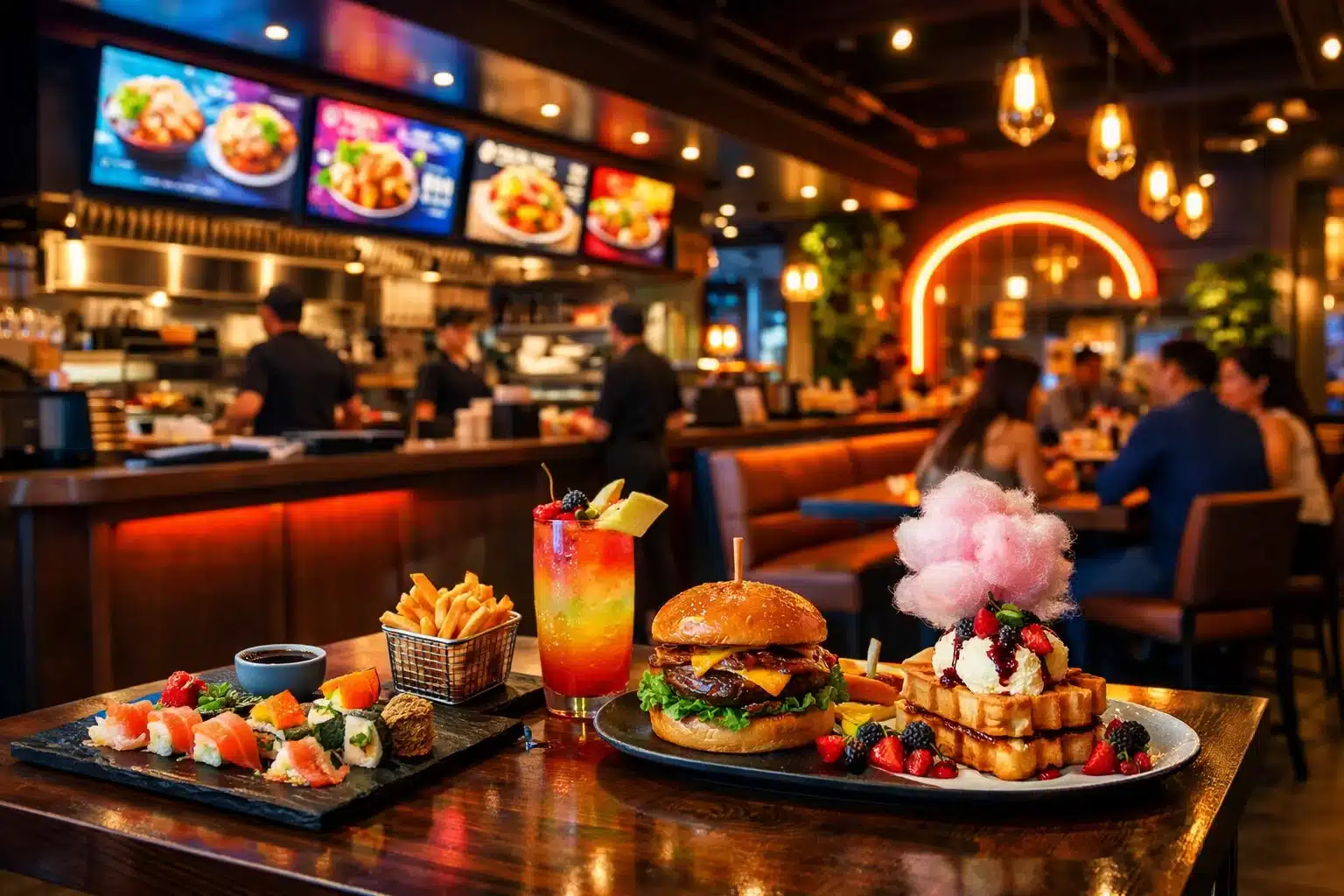

The restaurant industry is competitive. Every block has options. Therefore, strong Restaurant Marketing Strategies are no longer optional. They are essential for survival and growth. Without a clear plan, even great food struggles to attract consistent customers.
Today’s marketing landscape moves fast. Digital channels dominate attention. Meanwhile, local visibility still plays a critical role. This guide explores proven Restaurant Marketing Strategies that combine digital marketing for restaurants, loyalty programs, and smart restaurant promotion strategies to build lasting success.
Table of Contents
- Building a Strong Marketing Foundation
- Digital Marketing for Restaurants That Converts
- Local SEO and Community Visibility
- Loyalty Programs and Customer Retention
- Creative Promotion and Advertising Methods
- Frequently Asked Questions
Building a Strong Marketing Foundation
Before launching campaigns, restaurants must define their identity. Clear positioning strengthens every marketing effort. Therefore, successful Restaurant Marketing Strategies begin with clarity and consistency.
Defining Your Unique Value Proposition
Your value proposition answers one question: Why should guests choose you? It could be flavor, atmosphere, price, or service speed. As a result, this clarity guides messaging.
Restaurants for families highlight comfort and value. Meanwhile, fine-dining concepts emphasize exclusivity and craftsmanship. Therefore, messaging must align with audience expectations.
Strong Restaurant Marketing Strategies always communicate a distinct reason to visit.
Once positioning is clear, branding must follow.
Creating Consistent Brand Messaging
Consistency builds recognition. Your logo, tone, and visuals should align across platforms. As a result, customers easily remember your restaurant.
Social media marketing restaurants use should reflect the same identity as in-store signage. Meanwhile, website design must match brand tone. Therefore, cohesion increases trust.
Unified messaging strengthens restaurant advertising methods across all channels.
Clear goals turn ideas into measurable action.
Setting Measurable Marketing Goals
Marketing without goals leads to wasted spending. Therefore, define clear objectives such as increasing weekday traffic or boosting online orders.
Track metrics like website visits, redemption rates, and email signups. Meanwhile, monitor revenue growth tied to campaigns. As a result, you refine strategies effectively.
Data-driven Restaurant Marketing Strategies outperform guesswork every time.
 Digital Marketing for Restaurants That Converts
 Digital Marketing for Restaurants That Converts
Digital channels dominate attention. Therefore, digital marketing for restaurants must play a central role in modern Restaurant Marketing Strategies.
Social Media Marketing Restaurants Can’t Ignore
Platforms like Instagram and TikTok influence dining decisions daily. Visual storytelling attracts attention quickly. As a result, high-quality photos and short videos increase engagement.
Behind-the-scenes content builds authenticity. Meanwhile, interactive polls and Q&A sessions encourage participation. Therefore, community engagement strengthens.
Effective Restaurant Marketing Strategies treat social media as a relationship tool, not just an ad platform.
However, organic reach alone is not enough.
Paid Advertising Campaigns
Paid ads expand reach beyond existing followers. Targeted campaigns allow restaurants to focus on specific demographics. As a result, marketing budgets stretch further.
Geo-targeted ads drive local traffic. Meanwhile, retargeting ads remind website visitors to return. Therefore, conversion rates improve.
Smart restaurant advertising methods combine organic and paid strategies for maximum impact.
Email remains powerful when used correctly.
Email Marketing Campaigns That Convert
Email marketing campaigns maintain direct communication with guests. Exclusive offers encourage repeat visits. As a result, loyalty increases.
Segmented lists improve personalization. Meanwhile, automated birthday rewards enhance customer experience. Therefore, engagement stays strong.
Integrated Restaurant Marketing Strategies include consistent email outreach to nurture relationships.
Local SEO and Community Visibility
Online discovery often begins with local search. Therefore, local SEO for restaurants must support broader Restaurant Marketing Strategies.
Optimizing Google Business Profiles
Accurate listings improve visibility. Updated hours and menus prevent confusion. As a result, search rankings improve.
Encourage satisfied customers to leave reviews. Meanwhile, respond professionally to feedback. Therefore, reputation strengthens.
Local SEO for restaurants drives consistent traffic when maintained properly.
Website optimization also matters.
Using Keywords and Local Content
Targeted keywords attract nearby customers. For instance, “best brunch in downtown” captures intent-driven searches. Therefore, content must include location signals.
Blog posts and event pages improve discoverability. Meanwhile, consistent updates signal relevance. As a result, organic reach grows.
Well-executed Restaurant Marketing Strategies always include search optimization.
Community involvement builds offline awareness.
Hosting and Sponsoring Local Events
Community events create personal connections. Sponsoring local sports teams increases brand exposure. As a result, neighborhood loyalty strengthens.
Charity partnerships enhance brand reputation. Meanwhile, pop-up collaborations introduce new audiences. Therefore, local presence expands.
Balanced Restaurant Marketing Strategies combine digital and community outreach effectively.
Loyalty Programs and Customer Retention
Attracting new customers costs more than retaining existing ones. Therefore, retention-focused Restaurant Marketing Strategies improve long-term profitability.
Designing Effective Loyalty Programs
Loyalty programs reward repeat visits. Points-based systems encourage frequency. As a result, customer lifetime value increases.
Digital apps simplify tracking and redemption. Meanwhile, exclusive perks create emotional attachment. Therefore, repeat traffic grows steadily.
Strategic loyalty programs support restaurant promotion strategies without heavy advertising costs.
Personalization strengthens retention further.
Using Customer Data for Personalization
POS systems collect valuable purchase data. Analyzing trends reveals guest preferences. As a result, targeted offers become more relevant.
Personalized discounts increase response rates. Meanwhile, tailored menu suggestions improve upselling. Therefore, average ticket size grows.
Advanced Restaurant Marketing Strategies rely on data-driven personalization.
Referral incentives amplify growth.
Encouraging Word-of-Mouth Referrals
Referral programs reward customers for bringing friends. Incentives motivate sharing. As a result, organic growth accelerates.
Influencer collaborations extend reach even further. Meanwhile, micro-influencers feel authentic and relatable. Therefore, trust increases.
Combining loyalty programs with influencer collaborations strengthens modern marketing efforts.
Creative Promotion and Advertising Methods
Creativity differentiates restaurants in crowded markets. Therefore, innovative Restaurant Marketing Strategies capture attention quickly.
Limited-Time Offers and Seasonal Campaigns
Seasonal menus create urgency. Guests fear missing out. As a result, short-term promotions drive traffic spikes.
Holiday-themed campaigns build excitement. Meanwhile, exclusive items encourage social sharing. Therefore, visibility expands.
Dynamic restaurant promotion strategies keep marketing fresh and engaging.
Collaborations introduce novelty.
Partnering with Complementary Brands
Collaborations with local bakeries or breweries attract new audiences. Shared events double exposure. As a result, both brands benefit.
Co-branded promotions feel authentic. Meanwhile, joint giveaways increase online engagement. Therefore, partnerships boost awareness.
Creative alliances enhance restaurant advertising methods without large budgets.
Finally, storytelling builds emotional connection.
Sharing Your Restaurant Story
Customers connect with authenticity. Sharing your journey builds emotional loyalty. As a result, brand perception strengthens.
Highlighting chef backgrounds and sourcing stories increases trust. Meanwhile, transparent communication fosters credibility. Therefore, storytelling drives engagement.
Authentic narratives remain central to successful Restaurant Marketing Strategies.
How Biyo POS Supports Smarter Restaurant Marketing Strategies
 How Biyo POS Supports Smarter Restaurant Marketing Strategies
Biyo POS helps restaurants track campaign performance, customer behavior, and loyalty program data in real time. As a result, Restaurant Marketing Strategies become measurable and optimized. The platform integrates with digital marketing for restaurants and supports email marketing campaigns, promotions, and customer segmentation.
If you want to strengthen your Restaurant Marketing Strategies, Biyo POS provides reporting tools and customer insights that drive better decisions. You can schedule a call here to explore features. You may also sign up directly at this signup page.
Frequently Asked Questions
What are the most effective Restaurant Marketing Strategies?
Combining digital marketing, local SEO, loyalty programs, and creative promotions produces consistent results.
How does social media marketing help restaurants?
It increases brand visibility, drives engagement, and supports influencer collaborations that expand reach.
Why is local SEO important?
Local SEO for restaurants improves search visibility and attracts nearby customers actively looking to dine.
Do loyalty programs increase revenue?
Yes, loyalty programs encourage repeat visits and improve customer lifetime value significantly.
How can restaurants measure marketing success?
Tracking conversions, engagement rates, and revenue growth tied to campaigns provides measurable insight.