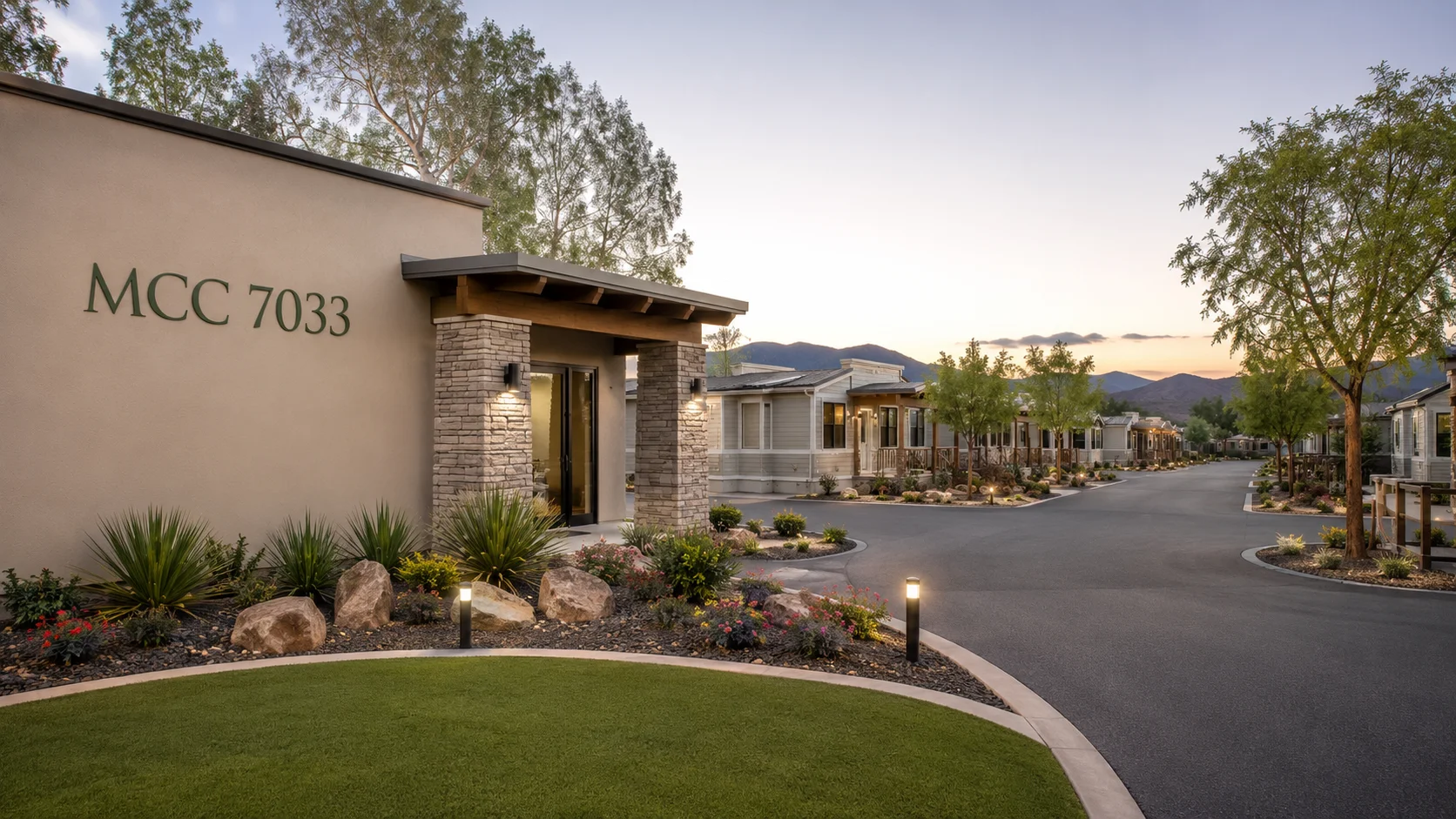

Merchant Category Codes (MCCs) help payment processors and card networks classify businesses according to the products or services they provide. These four-digit codes play an important role in payment processing, reporting, interchange fees, fraud prevention, and credit card rewards. For businesses that operate trailer parks, RV parks, and campgrounds, the applicable classification is MCC 7033.
MCC 7033 is assigned to businesses that primarily provide short-term outdoor accommodations for travelers, campers, and recreational vehicle owners. While many of these businesses also generate revenue through camp stores, equipment rentals, utility hookups, and recreational amenities, their primary activity remains offering overnight camping or RV sites. Understanding how this merchant category works helps business owners ensure accurate payment processing and maintain proper merchant classification.
Table of Contents
Understanding MCC 7033
What Is MCC 7033?
MCC 7033 is the Merchant Category Code for businesses that operate trailer parks, RV parks, and campgrounds. These businesses provide temporary outdoor lodging by renting campsites, RV spaces, and related accommodations to travelers, vacationers, and outdoor enthusiasts. Payment processors use this classification to identify merchants whose primary business involves overnight camping facilities.
How Businesses Receive This Classification
When a campground or trailer park opens a merchant account, the payment processor reviews its primary source of revenue and business activities before assigning an MCC. Businesses whose primary operations revolve around campsite rentals, RV accommodations, and campground services are generally classified under MCC 7033, even if they also operate convenience stores, recreational facilities, or equipment rental services.
Common Transactions Processed Under MCC 7033
Transactions processed under MCC 7033 commonly include campsite reservations, RV site rentals, utility hookup fees, cabin rentals within campground properties, seasonal campsite leases, guest amenity fees, equipment rentals, and purchases made at campground stores selling camping essentials and outdoor supplies.
Businesses Classified Under MCC 7033
RV Parks and Trailer Parks
Many businesses within MCC 7033 operate dedicated RV parks and trailer parks that provide travelers with overnight or extended-stay accommodations. These facilities typically offer designated RV sites with electrical service, water connections, sewer access, Wi-Fi, laundry facilities, and other conveniences designed for recreational vehicle owners.
Public and Private Campgrounds
Both privately owned and publicly operated campgrounds fall under MCC 7033 when they primarily rent campsites for overnight stays. These campgrounds may accommodate tents, camper vans, travel trailers, and motorhomes while providing amenities such as picnic areas, restrooms, shower facilities, playgrounds, and hiking access.
Outdoor Camping Resorts
Some merchants operate full-service camping resorts that combine traditional campsites with premium accommodations, including cabins, glamping tents, waterfront campsites, recreational facilities, and family-friendly activities. Although these properties may offer additional hospitality services, their primary business remains campground and outdoor lodging operations.
 Services Offered by MCC 7033 Businesses
 Services Offered by MCC 7033 Businesses
Campsite and RV Space Rentals
The primary service offered by MCC 7033 businesses is renting campsites and RV spaces for short-term stays. Campgrounds often provide a variety of accommodation options, including basic tent campsites, fully equipped RV campsites, premium waterfront sites, and luxury glamping accommodations to suit different travel preferences and budgets.
Utility and Guest Amenities
Many campground operators enhance the guest experience by offering utility hookups, shower facilities, laundry rooms, Wi-Fi access, dump stations, recreational areas, playgrounds, picnic shelters, swimming pools, and community gathering spaces. These amenities improve guest satisfaction while creating additional revenue opportunities.
Camp Store and Equipment Rentals
Many trailer parks and campgrounds operate retail stores that sell camping supplies, snacks, beverages, firewood, propane, ice, outdoor gear, and convenience items. Some properties also rent bicycles, kayaks, golf carts, fishing equipment, and recreational gear, allowing guests to enjoy outdoor activities without bringing their own equipment.
Why MCC 7033 Matters
Supports Accurate Payment Processing
Using the correct Merchant Category Code helps payment processors accurately classify campground businesses and process card transactions according to industry standards. Proper classification also helps reduce administrative issues when establishing merchant accounts.
Influences Card Rewards and Reporting
Many credit card issuers use MCCs when determining cashback categories, travel rewards, and spending reports. Travelers who stay at campgrounds or RV parks may receive travel-related rewards depending on how their card issuer recognizes MCC 7033.
Improves Business Analytics
Accurate merchant classification enables financial institutions and payment providers to generate more meaningful reporting, benchmark industry performance, monitor transaction patterns, and strengthen fraud detection while giving campground operators better visibility into business performance.
MCC 7033 Compared to Similar Merchant Categories
| Merchant Category Code | Primary Business Type | Typical Services |
|---|---|---|
| MCC 7033 | Trailer Parks and Campgrounds | RV sites, campsites, utility hookups, campground accommodations |
| MCC 7011 | Hotels, Motels, and Resorts | Hotel rooms, concierge services, hospitality accommodations |
| MCC 7012 | Timeshares | Vacation ownership properties and shared accommodations |
| MCC 7032 | Sporting and Recreational Camps | Youth camps, sports camps, summer camps, recreational programs |
How Trailer Parks and Campgrounds Operate
Managing Reservations and Site Availability
Daily operations at trailer parks and campgrounds revolve around reservation management, site assignments, guest check-ins, and occupancy planning. Operators often manage a combination of nightly, weekly, monthly, and seasonal bookings while coordinating arrivals, departures, cancellations, and site maintenance. Modern reservation systems help maximize occupancy by providing real-time availability and simplifying online bookings.
Maintaining Campgrounds and Guest Facilities
Unlike traditional lodging businesses, campgrounds require continuous maintenance across large outdoor properties. Staff routinely inspect campsites, utility hookups, roads, restrooms, shower buildings, playgrounds, picnic areas, and recreational facilities to ensure guests have a safe and enjoyable experience. Landscaping, waste disposal, pest control, and seasonal maintenance also play essential roles in daily operations.
Operating Retail and Recreational Services
Many MCC 7033 businesses generate additional revenue through camp stores, equipment rentals, and recreational activities. Staff manage retail inventory, propane exchanges, firewood sales, golf cart rentals, kayak rentals, fishing permits, and other guest services that complement the camping experience while improving overall profitability.
Inventory and Operational Challenges
Managing Seasonal Demand
Most trailer parks and campgrounds experience significant fluctuations in occupancy throughout the year. Peak travel seasons often require additional staffing, expanded inventory, and increased maintenance, while slower periods focus on repairs, marketing, and property improvements. Successfully balancing seasonal demand is essential for maintaining profitability.
Tracking Retail Inventory Across Multiple Categories
Camp stores often stock a wide variety of merchandise, including groceries, beverages, camping supplies, outdoor equipment, propane, firewood, souvenirs, and convenience products. Maintaining accurate inventory levels helps prevent stock shortages during busy weekends while reducing excess inventory during slower seasons.
Maintaining Utility Infrastructure
Providing dependable utility services requires ongoing monitoring of electrical hookups, water systems, sewer connections, Wi-Fi networks, and waste disposal facilities. Equipment failures or infrastructure issues can quickly affect guest satisfaction, making preventive maintenance and timely repairs a priority for campground operators.
Industry Trends
Growing Demand for RV Travel
Interest in RV travel continues to grow as more travelers seek flexible vacations and outdoor experiences. Campgrounds are expanding their offerings with larger RV sites, upgraded utility hookups, and improved guest amenities to accommodate modern recreational vehicles and changing customer expectations.
Expansion of Premium Camping Experiences
Many campground operators are investing in premium accommodations such as glamping tents, luxury cabins, waterfront campsites, and resort-style amenities. These offerings allow businesses to attract a broader range of travelers while increasing average booking values and extending seasonal demand.
Technology-Driven Guest Experiences
Digital reservation platforms, contactless check-in, mobile payments, online campground maps, and cloud-based property management systems are becoming standard throughout the industry. These technologies improve operational efficiency, reduce administrative workloads, and provide guests with a smoother booking and camping experience.
How Biyo Helps Trailer Parks and Campgrounds
 How Biyo Helps Trailer Parks and Campgrounds
Trailer parks and campgrounds often manage more than campsite reservations. Many also operate camp stores, rent outdoor equipment, sell firewood and propane, and offer recreational services. Biyo POS helps streamline these operations with real-time inventory tracking, barcode scanning, cloud-based reporting, and centralized sales management, giving operators greater visibility into their retail performance and inventory levels.
Whether you manage a small family-owned campground or a large RV resort with multiple revenue streams, Biyo provides the tools needed to simplify day-to-day operations and improve the guest experience. You can sign up for Biyo POS or schedule a personalized demo to see how Biyo can support your campground business.
Frequently Asked Questions
What is MCC 7033?
MCC 7033 is the Merchant Category Code assigned to businesses that primarily operate trailer parks, RV parks, and campgrounds offering short-term outdoor accommodations.
Which businesses qualify for MCC 7033?
Businesses such as RV parks, trailer parks, public campgrounds, private campgrounds, and outdoor camping resorts generally qualify under MCC 7033 when their primary business is providing campsites or RV spaces.
What services do MCC 7033 businesses typically provide?
Common services include campsite rentals, RV site rentals, utility hookups, camp stores, equipment rentals, laundry facilities, recreational amenities, and guest services designed to enhance the camping experience.
Does MCC 7033 affect credit card rewards?
Yes. Some credit card issuers use Merchant Category Codes to determine travel rewards, cashback categories, and spending reports. Rewards eligibility depends on each card issuer’s program.
Why is MCC 7033 important?
MCC 7033 helps payment processors accurately classify campground and trailer park businesses, supporting proper payment processing, reporting, fraud monitoring, and merchant account management.
How can trailer parks and campgrounds improve operational efficiency?
Operators can improve efficiency by using integrated reservation systems, inventory management, modern POS solutions, digital payment processing, and real-time reporting to better manage campsite availability, retail sales, and guest services.