When dining out, à la carte menus offer flexibility. Diners can choose exactly what they want to order, pay for each dish separately, and customize their meals. This guide explains the benefits of à la carte dining and how it works. Whether you’re a restaurant owner or a food lover, learning about this system will help you make better choices.
- What is À La Carte?
- Advantages of À La Carte Menus
- How À La Carte Menus Work
- Customizing Your Menu with À La Carte
- À La Carte Restaurant Menus: The Popularity and Flexibility
- Frequently Asked Questions
What is À La Carte?
À la carte is a French term meaning “by the card.” It refers to a menu where each dish is listed and priced individually. This system contrasts with prix fixe menus, where diners choose from set options for one price. À la carte gives diners the freedom to select their dishes and pay for each one separately. This model provides flexibility for both diners and restaurants.
Key Features of À La Carte Menus
Each dish on an à la carte menu is priced separately. Diners can choose exactly what they want to eat, whether it’s a starter, main course, or dessert. This system suits those who prefer a customized dining experience. It allows diners to avoid paying for courses they don’t want.
The ability to pick only the dishes that suit their taste is a major advantage of à la carte dining. This flexibility appeals to those with dietary restrictions or strong preferences. They can enjoy a meal exactly how they want it, without being tied to a fixed menu.
Individual Dish Pricing Explained
With à la carte menus, each dish is individually priced. This allows diners to order only what they want. For example, they can order a starter, skip the main course, and choose a dessert. This gives diners control over their food and budget.
Dish-by-dish pricing benefits both customers and restaurants. It makes it easier for diners to choose according to their preferences. For restaurants, it creates an opportunity to offer a wide variety of dishes, priced based on their ingredients and preparation.
Dish-by-Dish Pricing Benefits for Restaurants
Restaurants benefit from à la carte menus because they can offer a more profitable model. By pricing each dish separately, they encourage customers to order more items. This leads to higher average checks per customer. Restaurants can also charge a premium for specialty dishes, boosting their revenue.
À la carte dining also supports a dynamic menu. Restaurants can experiment with different dishes, offering customers variety. This helps keep the menu fresh and exciting, attracting repeat customers.

Advantages of À La Carte Menus
À la carte menus have many benefits for both diners and restaurants. One of the main advantages is flexibility. Customers can choose their dishes based on their tastes, dietary needs, or mood. This makes the dining experience more enjoyable and personalized.
Flexibility in Menu Choices
Flexibility is a key benefit of à la carte menus. Unlike set menus, which offer limited options, à la carte menus allow diners to pick exactly what they want. Whether they want a light meal or a hearty entrée, the choice is theirs. The menu also offers variety for different dietary needs, such as vegetarian, vegan, or gluten-free options.
Diners can mix and match dishes, creating a meal that fits their preferences. They might choose to skip a side dish or order multiple appetizers. This level of customization makes à la carte dining appealing to a wide range of people.
Personalized Dining Experience
À la carte menus provide a highly personalized dining experience. Customers can create a meal tailored to their specific needs. For example, they can skip ingredients they don’t like or add extra sides. This flexibility enhances the overall experience.
Moreover, diners can choose portion sizes that fit their appetite. Some may prefer a light meal, while others may want a larger serving. À la carte menus allow customers to control every aspect of their meal, making it more enjoyable.
Cost Control with À La Carte Menus
À la carte menus help customers control costs. Since each dish is priced separately, diners only pay for what they order. This is great for those who want a smaller meal or only want certain dishes. They don’t have to pay for food they won’t eat.
For restaurants, this pricing model ensures transparency. Customers can easily see the cost of their meal based on what they choose. This can lead to a better dining experience, as customers feel they are getting exactly what they want for the right price.
How À La Carte Menus Work
À la carte menus operate by pricing each dish individually. This means diners can select and pay for each dish they want to order. The menu typically includes a wide range of options, from appetizers to desserts, each with its own price.
Menu Customization for Diverse Needs
À la carte menus allow for customization based on diners’ needs. Customers can add or remove ingredients and adjust portion sizes. For instance, they might ask for a dish without a particular ingredient due to an allergy or preference. This flexibility makes it easier for customers to get exactly what they want.
Whether it’s swapping a side dish or choosing a different sauce, diners can personalize their meals. This level of customization ensures that everyone can enjoy their meal according to their preferences.
Specialty Dish Selection in À La Carte Menus
À la carte menus often include specialty dishes that aren’t part of set menus. These dishes might feature unique ingredients, seasonal items, or special preparation methods. Offering them à la carte gives diners the option to try something new and exciting without committing to a full meal package.
These dishes are often priced higher, as they require special ingredients or preparation techniques. However, offering them à la carte means diners can enjoy them without ordering a complete meal. This option is perfect for those looking for something unique or indulgent.
Per-Plate Pricing and Its Benefits
Per-plate pricing is a crucial feature of à la carte menus. Each dish has its own price, so diners only pay for what they order. This method simplifies the dining experience by making it clear what each dish costs.
Per-plate pricing also helps restaurants manage inventory. By pricing each item individually, they can adjust prices based on demand and ingredient availability. It also encourages diners to try different items, boosting overall revenue.
À La Carte Restaurant Menus: The Popularity and Flexibility
À la carte menus are increasingly popular in restaurants. Their flexibility and variety appeal to a wide range of diners. Customers can order individual items, whether they’re looking for a light snack or a full meal. This makes à la carte menus a great choice for many customers.
Why Restaurants Choose À La Carte
Restaurants choose à la carte because it offers greater flexibility. With this system, they can provide a wider range of dishes and attract more customers. The pricing structure also allows restaurants to increase revenue by offering premium items or upselling extras.
À la carte menus also allow for greater variety. Restaurants can experiment with new dishes or offer special items based on seasonality. This keeps the dining experience fresh and exciting for regular customers.
The Appeal of Flexibility for Customers
Customers love the flexibility of à la carte menus. They can select dishes based on their tastes, dietary preferences, or appetite. For example, someone might prefer to order just a few small plates, while another customer might want a full meal with several courses. À la carte dining caters to both types of customers.
Moreover, this flexibility allows diners to try different combinations of dishes. They can explore a wider range of flavors and ingredients without committing to a fixed meal plan.

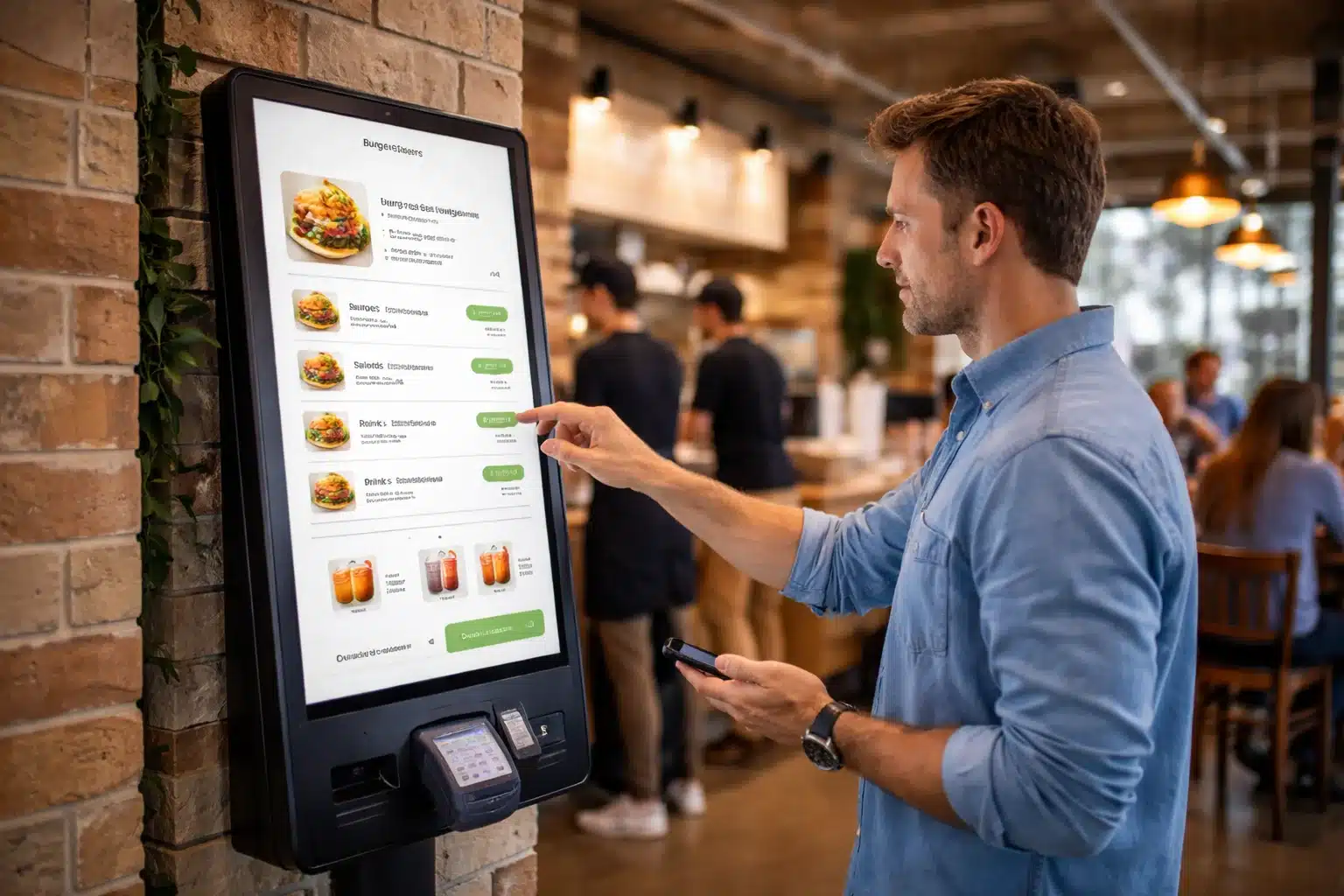
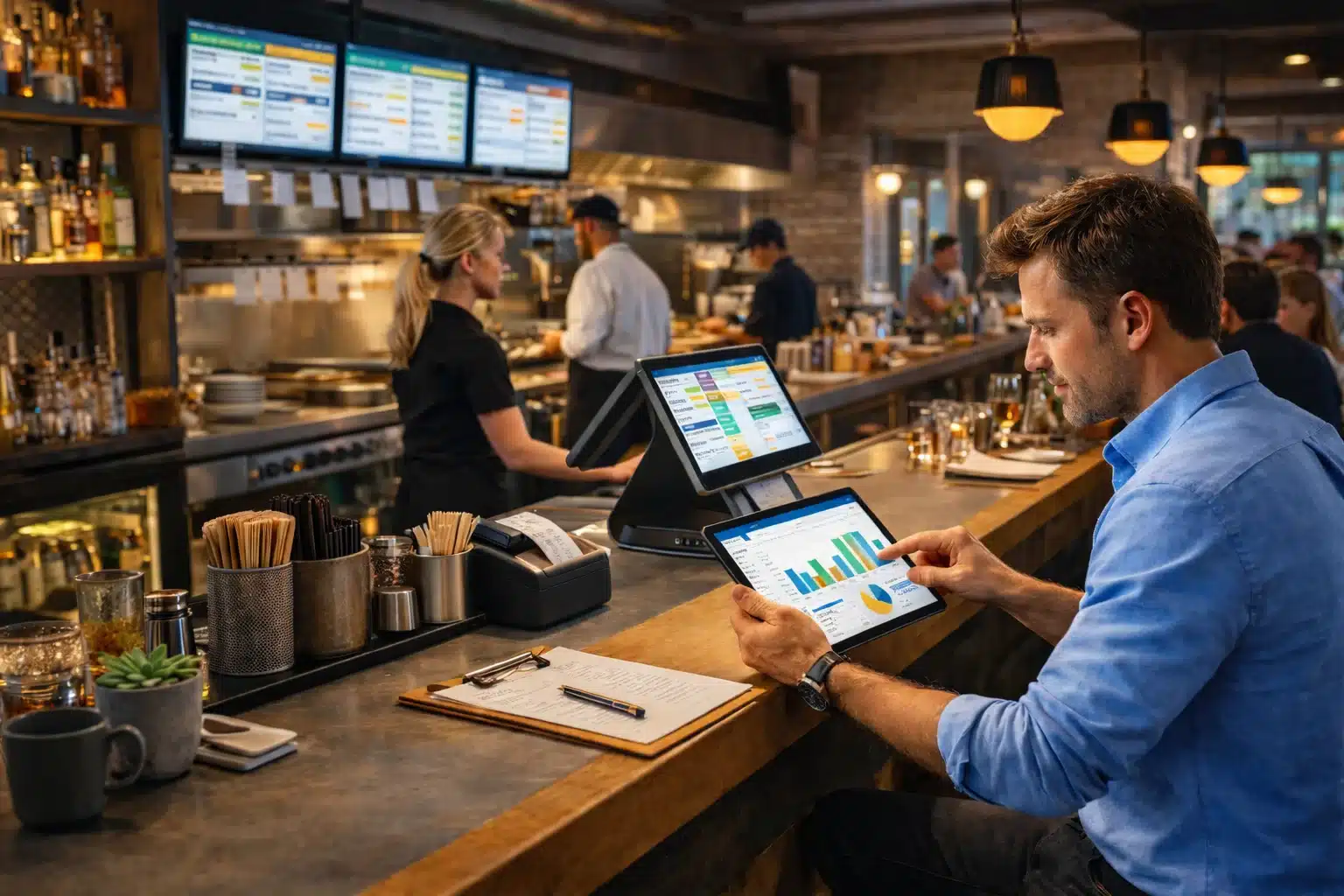
Supporting Custom Ordering with POS Systems
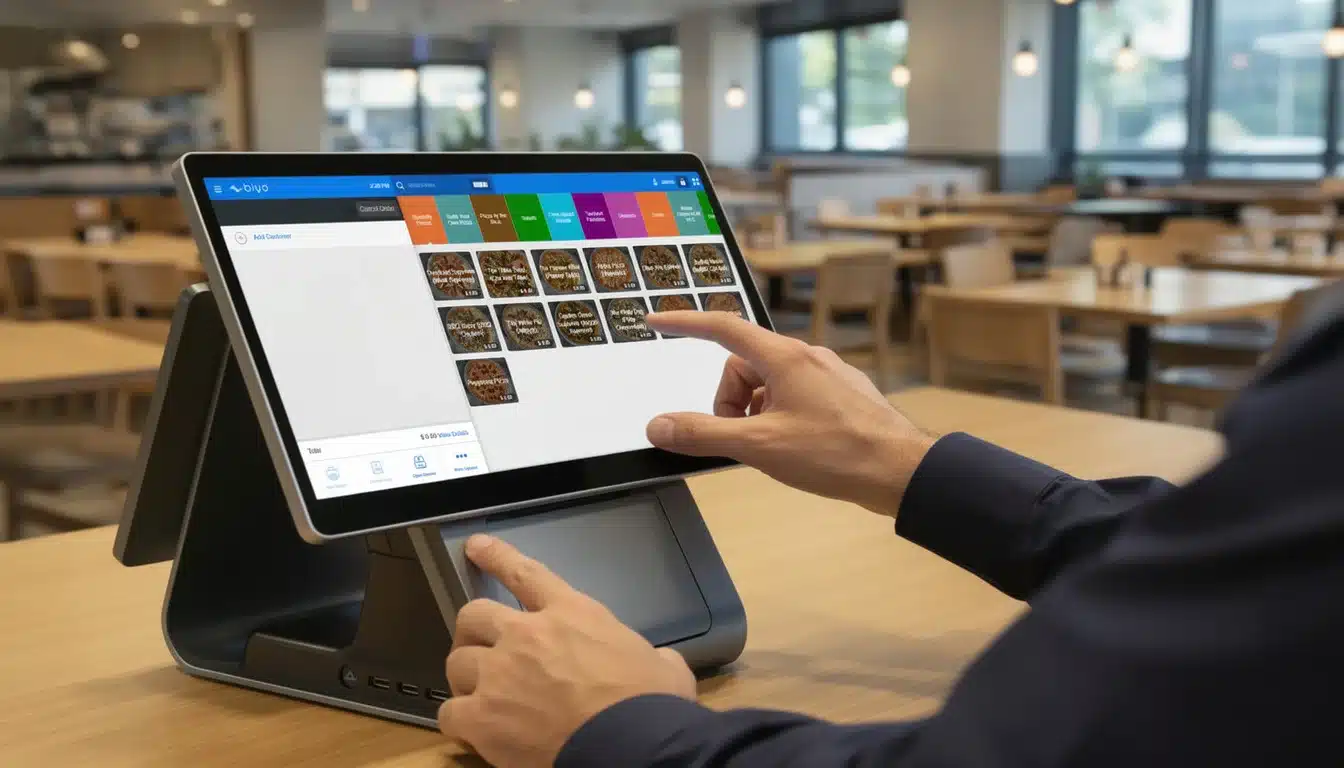
Modern POS systems, like Biyo POS, enhance the à la carte experience. They make it easy for restaurants to manage individual pricing and customize orders. With features like modular menu design, Biyo POS helps restaurants streamline the ordering process.
These systems also allow diners to enjoy a seamless, personalized ordering experience. Staff can quickly process orders and provide excellent service, ensuring customers enjoy their meal without delay.
With Biyo POS, restaurants can easily accommodate custom ordering requests, allowing diners to craft their perfect meal.
Frequently Asked Questions
What is the difference between à la carte and prix fixe?
À la carte menus feature individually priced dishes, allowing customers to choose what they want and pay for each item separately. In contrast, prix fixe menus offer a set number of courses for one fixed price, with limited customization.
Are à la carte menus more expensive than prix fixe menus?
Not necessarily. While à la carte menus may seem more expensive due to individual pricing, diners have control over what they order. They can skip dishes or choose smaller portions, making it a more budget-friendly option.
Can I customize my meal with an à la carte menu?
Yes, à la carte menus provide excellent customization options. You can swap ingredients, add extra sides, or modify dishes to fit your dietary preferences. This makes it ideal for personalized dining experiences.