When it comes to authentic Mexican cuisine, few dishes captivate the senses quite like al pastor. This flavorful and aromatic meat, often served in tacos or burritos, owes its irresistible taste to a unique blend of spices and seasonings. Understanding the al pastor meat seasoning ingredients is key to recreating the perfect balance of sweet, smoky, and savory flavors that make this dish unforgettable. Whether you’re a home cook, a restaurant owner, or a caterer using advanced POS systems to manage your kitchen operations, knowing these ingredients can elevate your culinary experience and business offerings alike.
Table of Contents
- The Origins and Essence of Al Pastor Seasoning
- Core Al Pastor Meat Seasoning Ingredients
- How to Prepare Al Pastor Seasoning at Home
- Regional and Modern Variations of Al Pastor Seasoning
- Bringing Al Pastor Flavor to Catering and Restaurant Businesses
- FAQ: Common Questions About Al Pastor Seasoning
The Origins and Essence of Al Pastor Seasoning
The story of al pastor begins with cultural fusion. Immigrants from Lebanon brought shawarma-style cooking to Mexico in the early 20th century. Mexican chefs adapted the technique using local pork and native seasonings, giving birth to the beloved al pastor. At the heart of this transformation was the creation of a vibrant and spicy marinade that turned simple pork into a culinary masterpiece.
The Influence of Middle Eastern Spices
One of the most fascinating aspects of al pastor meat seasoning ingredients is how they blend Middle Eastern and Mexican flavors. Cumin, garlic, and clove—spices once used in traditional shawarma—found their place in the Mexican pantry. When combined with native ingredients like chili peppers and annatto, they created an entirely new seasoning profile. The result is a marinade that is both earthy and slightly sweet, with layers of heat that evolve on the palate.
These spices also contribute to the vibrant reddish-orange color of al pastor meat. Annatto seeds, in particular, are responsible for that signature hue. While some modern cooks substitute paprika for convenience, traditionalists insist on the authentic seed for its subtle peppery aroma. By combining these spices carefully, you capture not only flavor but also the visual essence of this iconic dish.
Today, chefs around the world replicate this ancient blend to bring authentic Mexican flavors to their menus. From small street vendors to high-end restaurants using cloud-based POS systems for menu customization, the al pastor meat seasoning ingredients continue to define what authenticity tastes like.
The Role of Pineapple in Flavor Development
Pineapple is not merely a garnish in al pastor dishes; it plays a crucial role in the seasoning process. The natural enzymes in pineapple tenderize the meat, allowing it to absorb the spices deeply. The sweetness balances the smoky heat of chili and garlic, resulting in a perfectly rounded flavor profile.
Fresh pineapple juice is traditionally blended into the marinade along with vinegar, salt, and chili. This combination gives al pastor its tangy and slightly sweet edge. Restaurants that manage multiple branches often standardize this ratio using catering technology solutions to maintain consistency across locations.
When cooked on a vertical spit, the pineapple juices drip onto the meat, enhancing its caramelization and creating a distinct contrast between crispy edges and juicy centers. Whether for home or professional kitchens, including pineapple in the marinade is non-negotiable.
The Balance Between Heat and Sweetness
Perfecting al pastor seasoning is all about balance. Too much chili can overwhelm the sweetness, while too little spice makes the meat taste flat. Most recipes use guajillo and ancho chilies, which provide mild heat and a deep, smoky undertone. Adding a small amount of chipotle or pasilla gives it a bolder finish.
Meanwhile, sugar or pineapple juice ensures the flavors remain smooth and rounded. This harmony of spice and sweetness is what keeps diners coming back for more. Modern chefs use digital menu customization tools to fine-tune this balance and showcase their signature variations of al pastor.
The final touch is time. Allowing the meat to marinate overnight lets every ingredient blend seamlessly. The result is tender, flavorful pork that embodies the spirit of traditional Mexican street food.
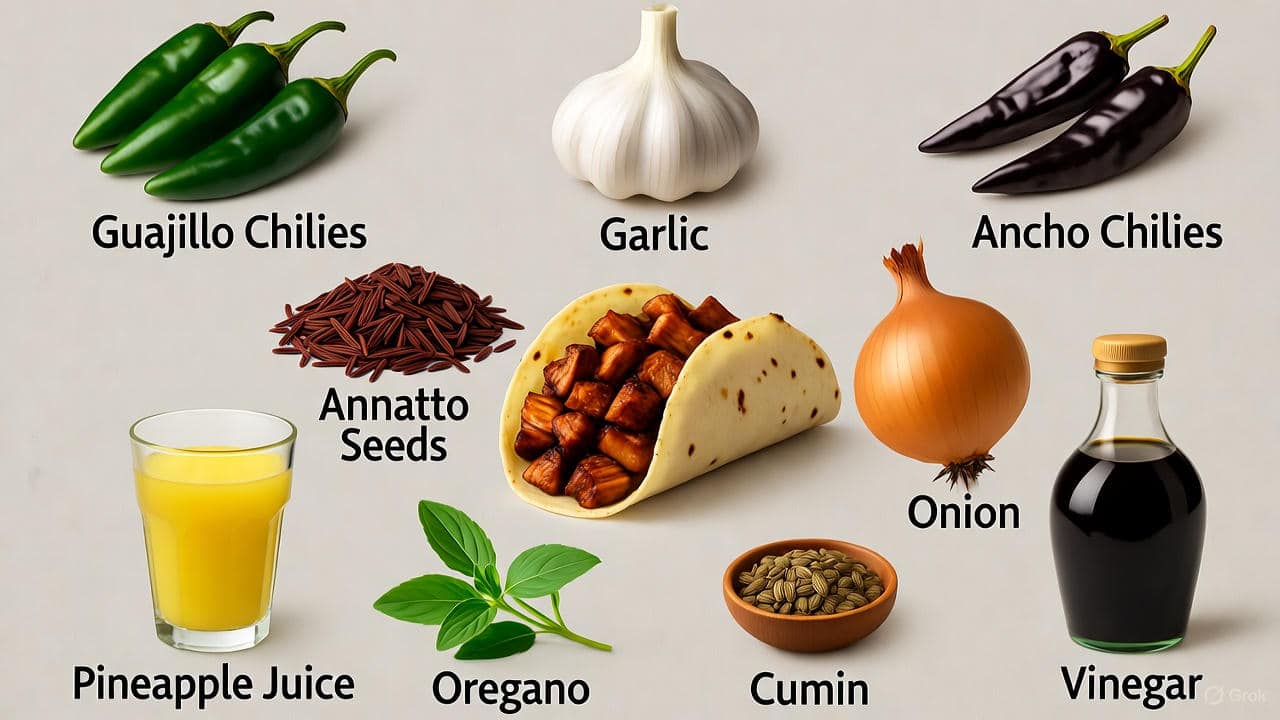
Core Al Pastor Meat Seasoning Ingredients
The foundation of al pastor lies in its meticulously chosen ingredients. Each spice and component plays a specific role in shaping the dish’s iconic taste. Whether you’re marinating pork for a food truck or a catering event managed through a mobile POS system, understanding these components is essential.
Chili Peppers: The Backbone of Flavor
The chili blend defines the intensity and depth of al pastor seasoning. Guajillo chilies offer mild heat and fruity undertones, while ancho chilies contribute a dark, smoky sweetness. This dual combination forms the core of the seasoning base. Some variations also add pasilla or chipotle for a more robust finish.
Chilies not only add spice but also color. Their natural pigments produce the rich reddish-orange hue that distinguishes al pastor from other meats. Properly rehydrated and blended, they create a thick paste that clings beautifully to the pork during marination.
From an operational standpoint, chefs in catering businesses rely on precise ingredient tracking systems within POS integrations. This ensures every batch uses the exact chili ratio, maintaining consistency across large-scale events or multiple branches.
Garlic, Onion, and Oregano: The Aromatic Core
These three aromatics form the foundation of the marinade’s fragrance. Garlic delivers punch, onion brings sweetness, and oregano adds a subtle herbal finish. Together, they create the aromatic backbone that ties the smoky and sweet elements together.
For best results, use fresh garlic and white onion rather than powders. The natural oils enhance both texture and depth. Mexican oregano, in particular, has a citrusy note that complements the chili and annatto blend perfectly.
In modern catering operations, having these ingredients prepped and portioned ahead of time—thanks to inventory tracking tools and order scheduling—helps streamline workflow and ensure every dish maintains top quality.
Annatto Seeds and Vinegar: Color and Tang
Annatto seeds are the secret to al pastor’s vivid color. When ground or soaked in oil, they produce a natural dye that gives the meat its iconic reddish tint. Beyond color, they add a gentle peppery flavor that enhances the other spices.
Vinegar, on the other hand, adds acidity and helps tenderize the pork. It balances out the richness of the fat and amplifies the spices’ brightness. Many traditional recipes use white vinegar, though apple cider vinegar works just as well.
Chefs running multi-location catering operations often log these ingredient ratios directly into their software systems for quality control. This ensures every batch of al pastor meat is as flavorful and consistent as the last.
How to Prepare Al Pastor Seasoning at Home
Making your own al pastor seasoning is simpler than it looks. With the right blend of ingredients and a bit of patience, you can recreate restaurant-quality flavor in your kitchen. Whether for home use or scaling in a professional setting, the process follows the same fundamental steps.
Gathering and Preparing Ingredients
Start by gathering your essential ingredients: guajillo and ancho chilies, garlic, onion, pineapple juice, vinegar, oregano, cumin, clove, and annatto seeds. Clean and de-seed the chilies before soaking them in hot water for about 15 minutes. This softens them for blending.
Next, blend all ingredients into a smooth paste. Adjust the consistency with a bit of pineapple juice or vinegar as needed. The goal is to achieve a thick, velvety texture that will coat the meat evenly.
Restaurant operators managing large events can automate ingredient lists and purchase orders through catering workflow management tools, ensuring they always have the right quantities on hand.
Marinating the Meat
Once your marinade is ready, pour it over thinly sliced pork shoulder or loin. Mix thoroughly to ensure every piece is well coated. For the best flavor, refrigerate the mixture for at least 12 hours, or ideally overnight.
Marination time allows the acids to break down the protein fibers, making the meat tender while infusing every bite with spice and sweetness. Turning the meat occasionally helps it marinate evenly.
Professional kitchens often use temperature-controlled storage and digital timers integrated into POS systems to manage marination and cooking schedules efficiently.
Cooking to Perfection
Traditionally, al pastor is cooked on a vertical rotisserie known as a trompo, similar to shawarma. However, home cooks can achieve similar results by grilling or roasting. The key is to cook the meat at medium heat until caramelized on the edges but still juicy inside.
Rotate or flip the meat occasionally to ensure even cooking. If using pineapple slices on top, let their juices drip onto the meat for added flavor. Once done, slice thinly and serve in tacos with onions, cilantro, and a squeeze of lime.
Businesses offering al pastor as part of their catering operations can benefit from real-time reporting and order scheduling features in modern POS software, ensuring timely delivery and consistent flavor across all events.
Regional and Modern Variations of Al Pastor Seasoning
While the traditional recipe remains iconic, chefs across the globe have developed creative variations of al pastor to suit regional tastes. From vegan options to fusion adaptations, these twists keep the dish evolving without losing its heritage.
Regional Mexican Variations
In Mexico City, al pastor remains true to its roots with pork and pineapple. However, regions like Puebla or Oaxaca experiment with local chilies and spices. Some even add orange juice or achiote paste to intensify the flavor.
These regional differences showcase how versatile al pastor meat seasoning ingredients can be. Each version carries its own story, reflecting the area’s produce, traditions, and cooking methods.
Restaurants using cloud-based POS solutions can easily manage such recipe variations across different branches, ensuring that regional authenticity is preserved while maintaining brand consistency.
Modern Global Adaptations
Outside Mexico, chefs have reimagined al pastor using different proteins like chicken, lamb, or tofu. These alternatives cater to diverse dietary preferences while maintaining the signature spice blend.
Fusion dishes, such as al pastor pizza or burrito bowls, are becoming popular in contemporary dining. The same core seasoning gives each dish a familiar warmth and depth, appealing to adventurous diners worldwide.
With catering operations software and client database tools, restaurant managers can test these modern variations, collect customer feedback, and refine their offerings for future events.
Vegan and Health-Conscious Versions
The plant-based movement has inspired vegan versions of al pastor, often using seitan or mushrooms instead of pork. The original marinade works perfectly with these ingredients, delivering the same smoky-sweet flavor without meat.
Chefs often emphasize natural ingredients and reduced sodium to appeal to health-conscious diners. These versions still rely on traditional spices, proving that the secret lies in the al pastor meat seasoning ingredients, not just the protein.
Thanks to digital catering business tools, it’s easier than ever to promote and sell these innovative versions online, track customer preferences, and manage orders efficiently.
Bringing Al Pastor Flavor to Catering and Restaurant Businesses
For catering professionals, al pastor is more than a delicious menu item—it’s a business opportunity. With proper POS integration, event management, and real-time inventory tracking, it’s possible to deliver consistent quality to every client while keeping operations efficient.
Streamlining Catering Operations with POS Systems
Modern catering relies on smart technology to simplify daily tasks. A well-chosen POS system helps manage order scheduling, billing automation, and staff coordination. This reduces errors and ensures every al pastor dish is served fresh and on time.
Platforms like Biyo POS allow catering companies to synchronize kitchen operations with customer orders, offering seamless communication between staff and clients. Whether tracking deliveries or customizing menus, efficiency is always within reach.
These systems also provide scalability for growing businesses, ensuring that flavor consistency and service quality remain top priorities.
Leveraging Cloud-Based POS for Menu Customization
A cloud-based POS allows restaurants and caterers to customize menus dynamically. Adding seasonal al pastor specials, managing ingredient costs, and updating prices become simple, even across multiple locations.
With features like inventory tracking and contract management, businesses can forecast supply needs accurately. This prevents shortages and keeps the kitchen running smoothly during large-scale events.
Menu customization also makes it easier to highlight signature recipes, giving customers a reason to return for more authentic al pastor dishes.
Boosting Customer Engagement and Sales
Customer communication tools integrated into POS systems can enhance relationships with clients. Sending personalized offers, reminders, or feedback requests creates a stronger bond and drives repeat sales.
Real-time reporting helps track which dishes perform best, allowing restaurants to make data-driven menu decisions. When paired with mobile POS solutions, these insights empower staff to take orders faster and improve customer satisfaction.
For entrepreneurs ready to upgrade their catering technology solutions, signing up for Biyo POS offers a gateway to smarter, scalable business management.
Whether you’re experimenting at home or scaling your catering business, mastering al pastor meat seasoning ingredients opens a world of culinary possibilities. And with the support of powerful restaurant tools like Biyo POS, your operations can be as flavorful and efficient as your recipes.
FAQ: Common Questions About Al Pastor Seasoning
What are the main al pastor meat seasoning ingredients?
The core ingredients include guajillo and ancho chilies, garlic, onion, oregano, cumin, annatto seeds, vinegar, and pineapple juice. Together, they create the sweet, smoky, and tangy balance that defines authentic al pastor.
Can I make al pastor seasoning without annatto seeds?
Yes, you can substitute annatto with paprika or a mix of turmeric and chili powder. However, traditionalists recommend using annatto for its unique color and mild peppery flavor.
How long should I marinate al pastor meat?
For the best flavor, marinate for at least 12 hours, preferably overnight. This allows the meat to absorb all the rich spices and ensures tender, juicy results when cooked.
Is al pastor seasoning spicy?
Al pastor has a mild to medium level of heat. You can adjust the spice by changing the chili ratio or using milder peppers if preferred.
Can I use al pastor seasoning on other meats?
Absolutely. The seasoning works beautifully on chicken, beef, lamb, or even tofu for vegan options. The blend of smoky, sweet, and tangy notes complements nearly any protein.