Boba shops have become cultural hubs, especially among students, young professionals, and families seeking customizable drinks and social spaces. However, as bubble tea demand grows, so does competition. New shops enter the market every year, often offering similar flavors, similar pricing, and similar experiences. In this crowded landscape, creative and strategically structured boba shop promotions are no longer optional — they are essential for survival and long-term growth.
Effective promotions do more than temporarily boost traffic. They shape customer behavior, increase average order value, improve customer lifetime value (LTV), and create emotional brand attachment. When designed with strategy instead of desperation, promotions become predictable revenue tools rather than random discount tactics.
This guide explores high-impact boba shop promotions through a business lens — balancing traffic generation with profitability, retention, and brand positioning.
Table of Contents
- Grand Opening and Seasonal Promotions
- Loyalty Programs and Rewards
- Student Discounts, Group Deals, and Happy Hours
- Social Media Campaigns and Influencer Collaborations
- Holiday Promotions and Customer Appreciation Events
Grand Opening and Seasonal Promotions
Your launch phase determines your long-term trajectory. Many shop owners treat grand openings as simple discount events. That is a mistake. A grand opening should establish brand identity, collect customer data, and set behavioral patterns that last.
Grand Opening Specials to Build Momentum
Buy-one-get-one-free campaigns and discounted combo deals are powerful at launch because they maximize trial volume. The objective is not short-term profit — it is sampling at scale. The more people who taste your product early, the faster word-of-mouth spreads.
However, smart owners attach conditions. For example:
- BOGO valid only with email or app signup
- Limited to off-peak hours
- Applies only to selected drinks
This ensures you build a customer database instead of just giving away margin.
Interactive events such as prize wheels, social media check-in bonuses, or live drink-making demonstrations increase perceived brand value beyond discounts. The goal is memorability, not just affordability.
Partnerships with nearby businesses also accelerate awareness. Cross-promotions with bakeries, bookstores, or gyms allow you to tap into established traffic pools.
Seasonal Specials to Maintain Excitement
Seasonal promotions serve two strategic purposes:
- Drive urgency
- Test new flavors with lower risk
Limited-time flavors like pumpkin spice milk tea or watermelon green tea encourage experimentation. Customers are more likely to try something new when it feels exclusive.
From a profitability standpoint, seasonal launches also allow you to test ingredient demand before committing to permanent menu expansion.
Rotating visuals, themed packaging, and consistent seasonal announcements condition customers to check back frequently.
Limited-Time Promotions and FOMO Psychology
Scarcity triggers action. Promotions framed as “This Week Only” or “While Supplies Last” activate urgency-based buying behavior.
Flash deals during slow hours — such as surprise 2–4 PM discounts — help rebalance traffic distribution without permanently lowering perceived value.
When customers believe opportunities are rare, they respond faster. Overuse, however, reduces urgency. Frequency discipline is critical.
Loyalty Programs and Rewards
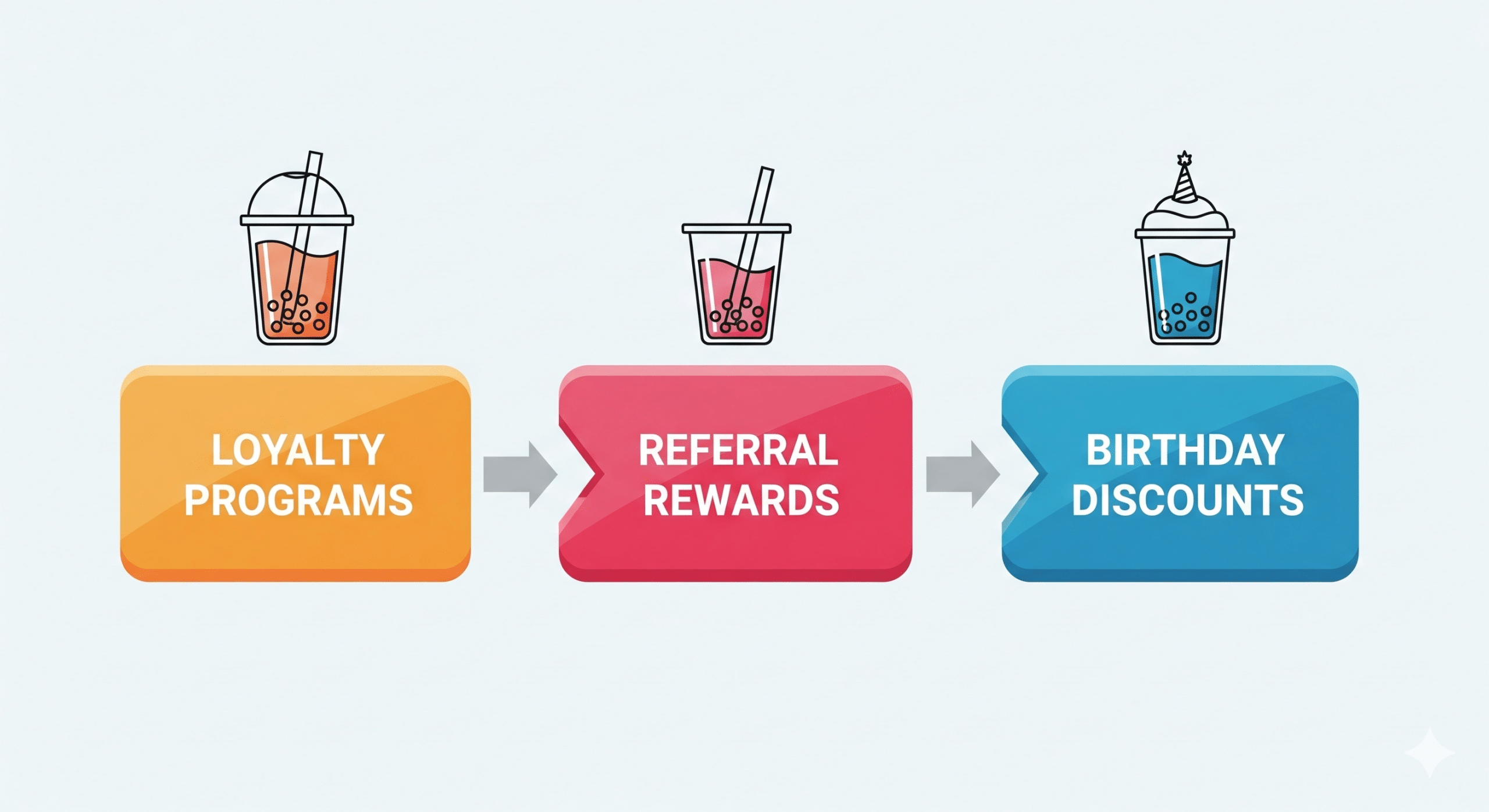
Acquiring new customers is expensive. Retaining existing ones is significantly cheaper. Loyalty systems convert occasional buyers into habitual visitors.
Digital Loyalty Programs
Modern customers expect frictionless reward tracking. Digital loyalty systems integrated with POS software eliminate physical punch cards and allow personalized incentives.
Examples of effective structures:
- Free topping after 5 purchases
- Free drink after 10 visits
- Double points during off-peak hours
Digital systems also provide data insights. You can analyze purchase frequency, preferred drinks, and visit timing to refine promotions.
Birthday rewards and milestone celebrations increase emotional connection while boosting group visits.
Referral Rewards for Organic Growth
Referral systems transform customers into acquisition channels. Offering both referrer and new customer a reward creates mutual incentive.
Tiered systems (e.g., bigger rewards after five referrals) maintain momentum instead of one-time spikes.
When combined with social media sharing, referral programs can significantly reduce paid advertising dependency.
Customer Appreciation as Retention Strategy
Customer appreciation days build community identity. Double-point days, exclusive previews, or loyalty-member-only flavors create belonging.
Customers who feel recognized are less price-sensitive.
Student Discounts, Group Deals, and Happy Hours
Promotions must match audience demographics. Shops near schools and offices require structured pricing strategies tailored to their core segments.
Student Discounts
Students are high-frequency, low-budget customers. A controlled 10–15% weekday discount builds habit without eroding margins.
Verification via student ID or digital coupon ensures the offer remains targeted.
Students also generate social media exposure organically, increasing brand visibility.
Group Discounts and Social Buying Behavior
Boba consumption is social. Structured group discounts increase average order value.
Examples:
- Buy 4, Get 1 Free
- 20% Off Orders Above $25
Bundling drinks with snacks further protects margins while increasing ticket size.
Happy Hour Revenue Optimization
Happy hour promotions fill low-demand time slots. Strategic discounting between 2–4 PM can stabilize daily revenue.
To protect profitability:
- Limit to selected items
- Avoid stacking with other discounts
- Encourage add-ons
Happy hour should train behavior toward slow periods — not cannibalize peak sales.
Social Media Campaigns and Influencer Collaborations
Visibility determines growth. Social platforms amplify both promotions and brand personality.
Engagement-Driven Campaigns
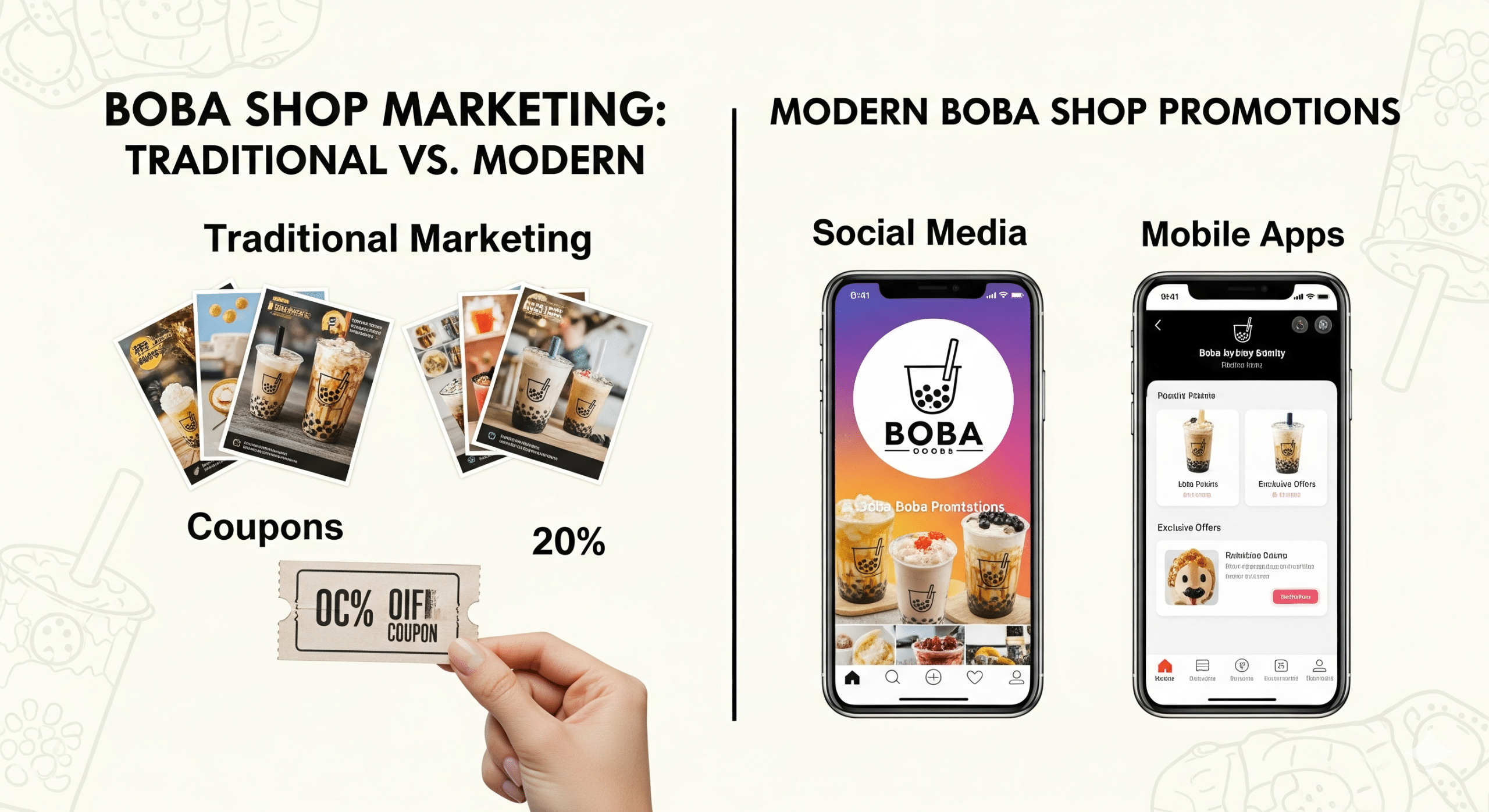
Contests encouraging photo posts with branded hashtags increase organic reach.
Behind-the-scenes preparation videos humanize your brand and increase emotional attachment.
Polls asking customers to vote for upcoming flavors increase participation and anticipation.
Influencer Strategy
Micro-influencers often deliver stronger ROI than large creators due to localized audiences.
Provide unique promo codes for tracking conversion impact.
Long-term partnerships outperform one-off posts.
Cross-Promotions
Partnering with nearby businesses creates shared exposure and bundled value offers.
Cross-promotions are especially effective during holidays and special events.
Holiday Promotions and Customer Appreciation Events
Holiday marketing drives emotional buying behavior.
Themed Seasonal Drinks
Valentine’s strawberry drinks, Christmas peppermint milk tea, or Lunar New Year specials create cultural relevance.
Pairing limited-time drinks with gift cards increases seasonal revenue.
Customer Appreciation Events
Live music, double loyalty points, and free samples create memorable in-store experiences.
Events deepen brand community and reduce churn.
Gift Cards and Mobile Rewards
Gift cards generate upfront cash flow and introduce new customers.
Digital rewards simplify redemption and allow data tracking.
Final Thoughts and Biyo POS
Strong boba shop promotions are not random discounts. They are structured behavioral tools designed to increase frequency, average order value, and long-term loyalty.
The difference between struggling shops and thriving shops is promotional discipline. Run promotions with intention, measure performance, adjust based on data, and protect brand value.
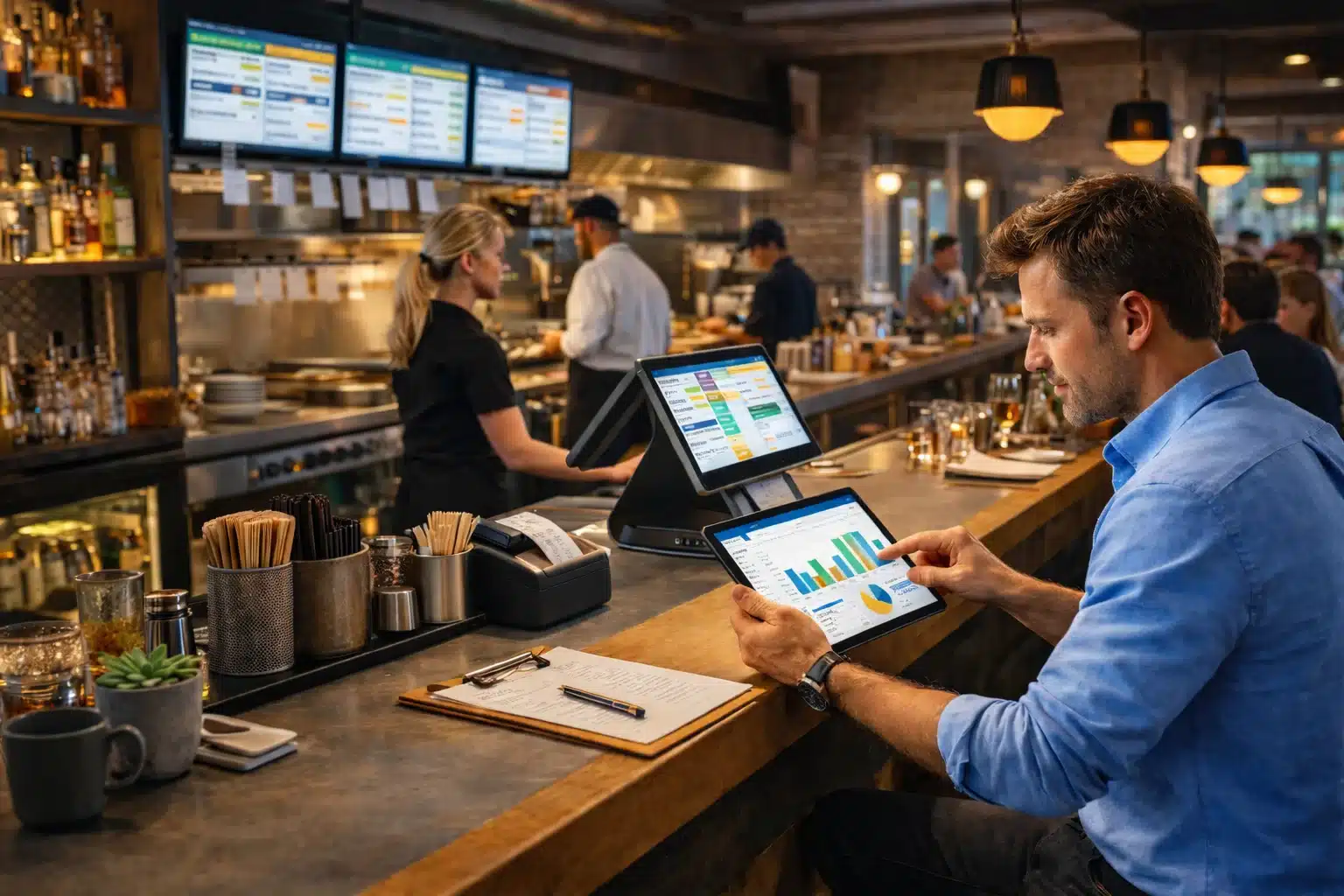
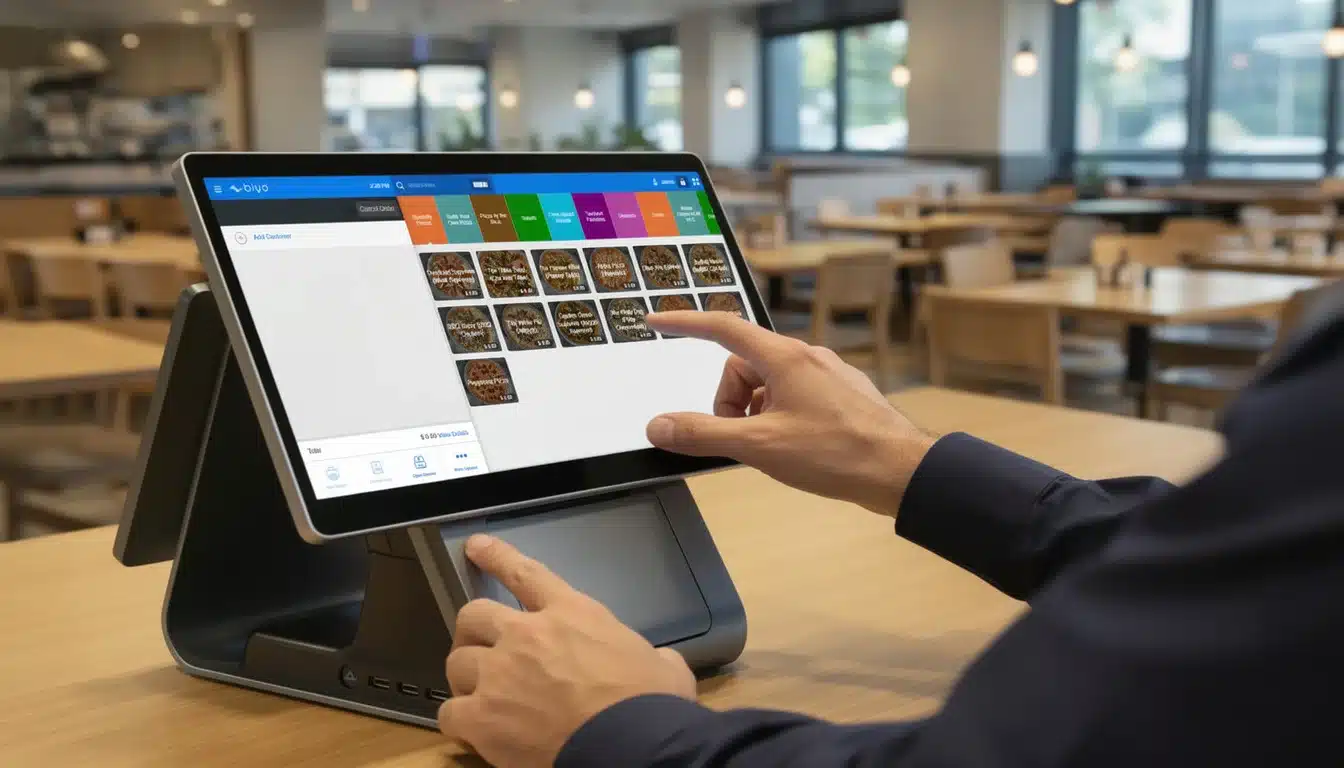
Using systems like Biyo POS allows shop owners to automate discounts, track loyalty engagement, and measure campaign ROI accurately. If you want to streamline your promotions and grow strategically, you can sign up here to get started.
FAQ: Boba Shop Promotions
What is the most profitable type of promotion?
Promotions that increase frequency without permanently lowering price — such as loyalty bonuses and time-based discounts — tend to deliver the strongest long-term profitability.
How often should promotions run?
Weekly micro-promotions combined with seasonal campaigns provide balance without over-discounting.
Do promotions reduce long-term margins?
Only when used excessively. Structured promotions focused on retention often increase lifetime value more than they reduce short-term margins.