Running a butcher shop in today’s competitive retail environment requires more than sharp knives and quality cuts. Customers demand speed, accuracy, and transparency, while owners need full control over inventory, costs, and profits. This is where a butcher POS system comes in. Designed specifically for meat retailers, butcher POS solutions go far beyond a cash register. They integrate weight scales, track meat yields, manage suppliers, and generate detailed sales reports. This article explores everything you need to know about butcher POS systems, from features and benefits to real-world applications that transform meat businesses.
Table of Contents
- Key Features of Butcher POS Systems
- Efficient Inventory and Shrinkage Control
- Sales, Analytics, and Customer Engagement
- Operational Efficiency and Staff Management
- Maximizing Profitability with Butcher POS
- Why Biyo POS Is the Right Choice
- FAQ: Butcher POS Systems
Key Features of Butcher POS Systems
A butcher POS is built with specialized features that meet the unique needs of meat retailers. Unlike generic POS systems, it accounts for weight-based pricing, perishable products, and detailed reporting that help businesses stay profitable.
Weight Scale Integration and Price Per Pound
One of the defining features of a butcher POS system is its seamless integration with digital weight scales. When a cut of meat is placed on the scale, the POS instantly calculates the total price based on the weight. This ensures accuracy in every transaction and builds trust with customers. Butcher shops thrive on fair and transparent pricing, and a POS that supports price per pound eliminates errors that often come with manual calculations.
Beyond accuracy, weight scale integration speeds up service. Customers don’t want to wait while staff manually tally up costs. By automating price per pound calculations, a butcher POS streamlines checkout. Staff can focus more on customer service instead of number crunching. The result is faster service and fewer mistakes, which translates to higher customer satisfaction.
For example, a customer buying five pounds of brisket sees the total cost instantly displayed. There’s no guesswork, and both the butcher and the customer know the exact price. In high-volume shops, this precision adds up, protecting profit margins while enhancing customer confidence.
Barcode Scanning and Label Printing
A modern butcher POS must support barcode scanning and label printing. This allows every cut of meat, from ribeye steaks to ground beef packages, to be labeled with product details, weight, and price. Barcodes enable quick scanning at checkout, eliminating delays. Instead of keying in product details, staff simply scan and process sales instantly.
Label printing also supports compliance with local health regulations. Labels can include expiration dates, batch codes, and nutritional details when required. This makes recalls or inspections much easier. If an issue arises with a batch of meat, a POS system with batch tracking helps identify and isolate affected products quickly. This protects both customers and the business.
For retailers selling wholesale to restaurants or grocery stores, barcode labels simplify order processing. Buyers can easily reconcile invoices against scanned barcodes, reducing disputes. The professional appearance of printed labels also enhances brand credibility.
Order Management and Payment Processing
Butcher POS systems are designed to handle multiple types of orders, whether they come from walk-in customers, wholesale clients, or pre-orders for special occasions. A central order management dashboard keeps track of pending, fulfilled, and recurring orders. This is particularly important during holidays when butcher shops face surges in customer demand.
Modern payment processing is also crucial. A butcher POS supports card payments, mobile wallets, and secure transactions. This flexibility ensures that no customer is turned away due to limited payment options. Offering smooth, secure payment builds customer loyalty and reduces abandoned sales. Moreover, integrated payment processing provides faster reconciliation of daily sales, saving hours of manual accounting work.
For shops expanding into online ordering, a butcher POS can synchronize with e-commerce platforms. Customers can place orders online, and staff fulfill them seamlessly. This integration ensures consistency across physical and digital sales channels.

Efficient Inventory and Shrinkage Control
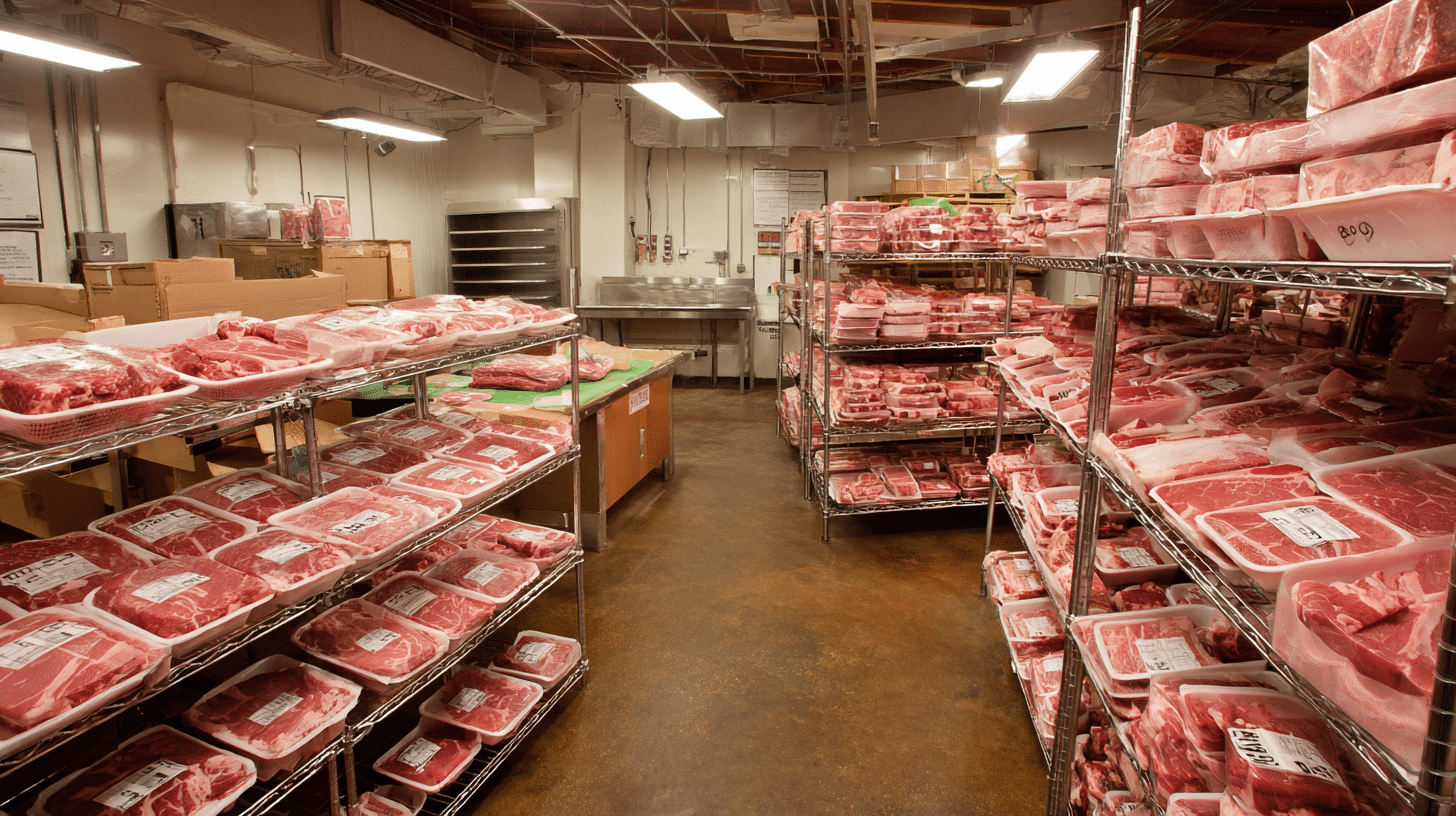
Inventory management is one of the biggest challenges for butcher shops. With perishable products, managing supply levels is essential to avoid waste and lost profits. A butcher POS provides real-time inventory tracking and shrinkage control to safeguard profitability.
Real-Time Inventory Tracking
Traditional inventory tracking relies on manual counts, which are prone to errors. A butcher POS updates inventory automatically with every sale. When a cut of steak is sold, the system deducts the weight from the inventory. This real-time visibility allows owners to make informed purchasing decisions and avoid stockouts.
For instance, if a popular sausage variety is running low, the POS alerts staff before supplies are exhausted. This helps maintain customer satisfaction by ensuring favorite items are always available. It also prevents over-ordering products that might spoil before being sold.
Real-time data is especially powerful when managing multiple store locations. Owners can see which branches are running low on specific cuts and transfer stock accordingly. This flexibility maximizes efficiency across the business.
Shrinkage Control and Batch Tracking
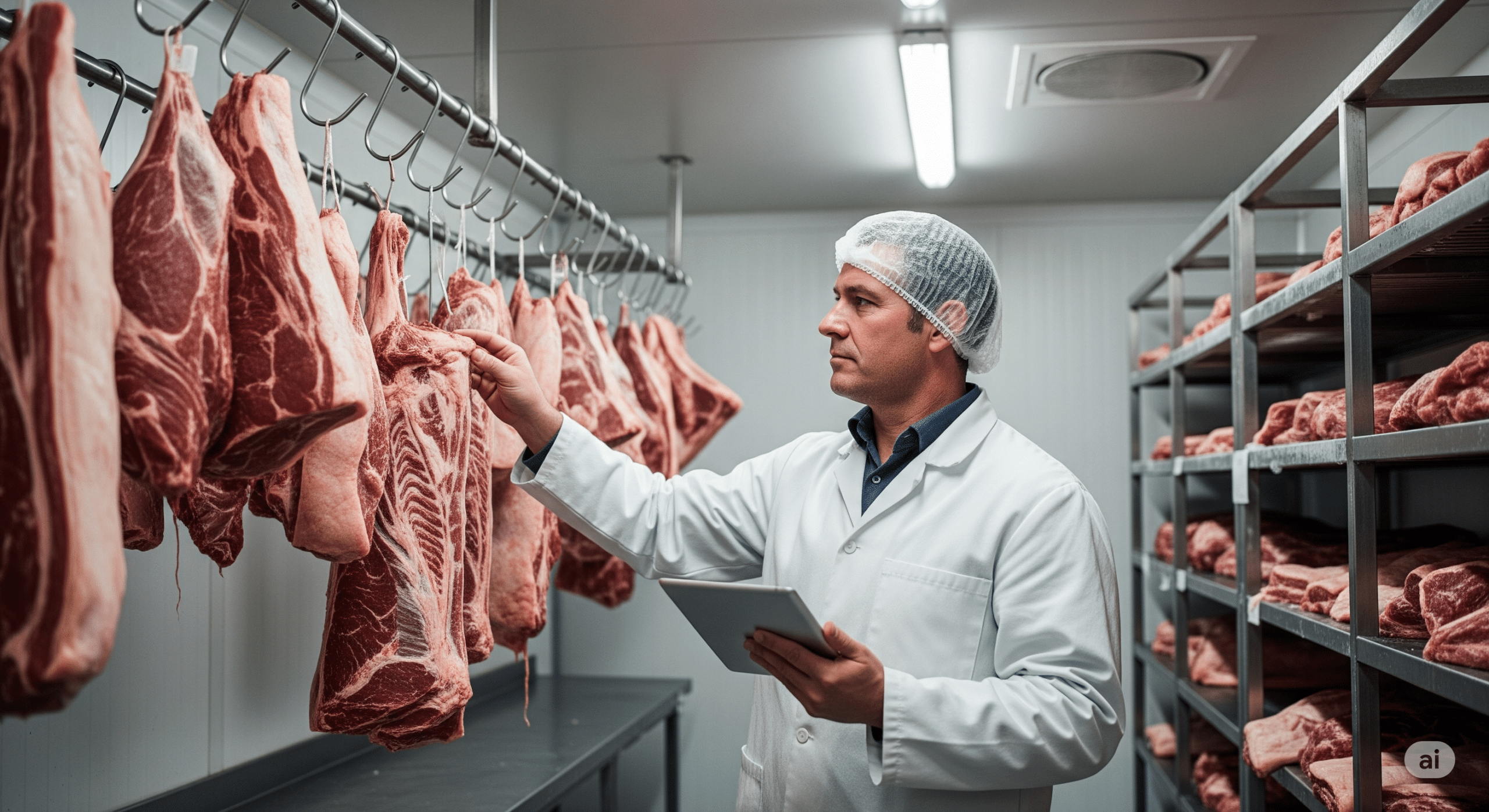
Shrinkage is one of the most costly issues for meat retailers. Losses due to spoilage, theft, or mismanagement eat directly into profits. A butcher POS combats shrinkage by monitoring products at every stage of the supply chain. Each batch can be tracked from supplier delivery to point-of-sale, giving owners visibility into where losses occur.
If a supplier provides inconsistent quality, batch tracking helps identify the source. This accountability not only protects profits but also strengthens supplier relationships. By addressing shrinkage at the root, butcher shops can negotiate better deals or switch vendors when necessary.
In addition, shrinkage reporting gives owners insight into patterns. If spoilage spikes during summer months, better cold storage planning can be implemented. With data-driven insights, shrinkage can be reduced, saving significant amounts over time.
Supplier Management and Wholesale Pricing
A butcher POS includes tools to manage supplier relationships. Owners can log supplier details, track purchase orders, and compare pricing trends over time. This ensures that the business sources quality meat at the best prices. The system also stores invoices and delivery records, which simplifies accounting and audits.
For wholesale clients, such as restaurants and caterers, customizable wholesale pricing is a valuable feature. The POS allows different pricing tiers based on customer contracts. For example, a restaurant that buys 50 pounds of lamb weekly may receive a discounted rate. This functionality fosters long-term client relationships and ensures fairness in bulk pricing.
By combining supplier management and wholesale pricing, butcher shops can create a transparent and profitable supply chain. The ability to quickly adjust to supplier costs also helps maintain profit margins despite market fluctuations.
Sales, Analytics, and Customer Engagement
To grow sustainably, butcher shops need more than operational efficiency. They need data-driven insights and strong customer relationships. A butcher POS system delivers powerful reporting tools and loyalty programs that support long-term success.
Sales Reporting and Retail Analytics
A butcher POS generates detailed sales reports, breaking down transactions by product, time, or staff member. Owners can see which cuts sell best during specific seasons or days of the week. For instance, steak sales may spike before weekends, while turkey sales rise near holidays. These insights help plan promotions and manage stock efficiently.
Retail analytics also identify underperforming products. If certain sausages rarely sell, the data supports decisions to discontinue or rebrand them. With accurate reports, butcher shops can experiment with pricing and promotions, measuring the results in real time.
Staff performance tracking is another advantage. By analyzing sales per employee, managers can identify top performers and provide training for those who need improvement. This ensures consistent customer service and higher revenue across the team.
Customer Loyalty Programs
Loyalty programs turn occasional buyers into regular customers. A butcher POS can track purchase history and reward frequent buyers with discounts or points. For example, after five purchases, a customer might earn a discount on their next order. These small incentives increase retention and encourage larger purchases.
Loyalty programs also provide valuable customer data. Shops can see which clients prefer premium cuts or value packs, tailoring promotions accordingly. This personalization strengthens customer relationships and boosts revenue. By offering targeted deals, butcher shops build trust and loyalty in ways that generic promotions cannot achieve.
In addition, loyalty programs help compete with supermarkets. Independent butcher shops can’t always beat big-box prices, but they can win on service and personalization. Loyalty rewards make customers feel valued, ensuring they return for quality products.
Customizable Menus and Order Options
Butcher POS systems offer customizable menus that make order-taking easier. Shops can create shortcuts for popular cuts, bundles, or prepared meat products. This saves staff time and ensures accuracy at checkout. Customers benefit from quick, consistent service that reflects their preferences.
Customizable menus also allow shops to highlight seasonal or promotional items. For instance, a summer BBQ package with ribs, sausages, and burgers can be set up as a one-click order. These bundles increase average order size while simplifying the sales process.
On the backend, customizable menus help with upselling. Staff can be prompted to suggest side products, such as marinades or seasonings. This not only boosts revenue but also enhances the customer experience with value-added recommendations.
Operational Efficiency and Staff Management
Operational efficiency determines whether a butcher shop thrives or struggles. With the right butcher POS, shops streamline staff management, order fulfillment, and compliance tasks, reducing costs and errors.
Staff Management and Scheduling
Managing a butcher shop workforce can be challenging. A POS system includes staff management tools for scheduling, role assignments, and performance tracking. Managers can set user permissions, ensuring that only authorized staff access sensitive functions like refunds or discounts.
Scheduling features help balance labor costs with demand. During peak hours, managers can assign more staff, while slower times require fewer employees. This ensures smooth operations without overspending on labor. With real-time performance data, managers can also incentivize high-performing staff through bonuses or recognition programs.
Staff accountability improves customer service. When employees know their performance is monitored, they are more likely to deliver accurate and friendly service. This builds trust and loyalty, benefiting the business in the long run.
Order Fulfillment and Accuracy
Order accuracy is non-negotiable in butcher shops. Customers expect the exact cut and weight they ordered. A butcher POS streamlines order fulfillment by displaying detailed instructions for each order. Staff can quickly verify the product, weight, and packaging before completing the sale.
For wholesale clients, order fulfillment is even more critical. Mistakes on bulk orders can strain relationships and hurt profits. POS systems reduce errors through automation and barcode verification. Each step is tracked, ensuring accountability and consistency across the team.
By minimizing mistakes, butcher shops save money on refunds or replacements. They also maintain strong relationships with both retail and wholesale customers, building long-term trust and stability.
Compliance and Secure Transactions
Food safety regulations are strict, especially for meat retailers. A butcher POS system supports compliance by tracking expiration dates, batch codes, and health inspection records. Digital storage of these records makes audits faster and less stressful. Instead of digging through paperwork, owners can produce reports instantly.
Secure transactions are another essential element. Modern POS systems use encryption to protect customer payment data. This reduces the risk of fraud and builds trust. When customers know their data is safe, they are more likely to return and recommend the shop to others.
Compliance and security tools not only protect the business from fines and lawsuits but also strengthen its reputation. In a market where trust is everything, this peace of mind is invaluable.
Maximizing Profitability with Butcher POS
Profitability in butcher shops depends on balancing costs, sales, and customer satisfaction. A well-implemented butcher POS makes this balance achievable by tracking margins, analyzing yields, and supporting smart business decisions.
Profit Margin Tracking
Profit margins can vary significantly between different cuts of meat. A POS system provides detailed margin tracking, showing exactly how much profit each product generates. Owners can see whether high-end cuts like filet mignon or value products like ground beef contribute more to overall profitability.
With this data, pricing strategies become more precise. Shops can adjust markups to maximize revenue without alienating customers. If margins on certain cuts are too thin, promotions can shift focus to more profitable items. This flexibility ensures the business stays competitive while maintaining profitability.
Profit margin tracking also helps manage wholesale contracts. Shops can ensure that bulk discounts still deliver adequate returns, avoiding hidden losses in volume sales.
Meat Yield Calculators
Yield calculators are built into many butcher POS systems. They help determine how much usable meat results from a carcass after trimming and processing. For instance, a side of beef may weigh 200 pounds, but only 130 pounds may be saleable. Yield calculators provide accurate insights into true costs and profitability.
By analyzing yields, butcher shops can price products more accurately. This prevents underpricing cuts and ensures that every part of the animal contributes to revenue. Shops can also identify which suppliers provide the best yields, strengthening purchasing decisions.
Over time, yield tracking reveals patterns that inform smarter business strategies. For example, if certain cuts consistently yield higher profits, shops may adjust marketing to highlight them. This strategic use of data ensures steady growth and financial stability.
Scalability and Business Growth
A butcher POS is not just a tool for daily operations. It’s a foundation for growth. As shops expand to multiple locations, POS systems ensure consistency across stores. Centralized reporting allows owners to monitor all branches from one dashboard, saving time and effort.
For businesses exploring e-commerce, POS systems integrate seamlessly with online platforms. This enables shops to sell nationwide while maintaining accurate inventory and fulfillment processes. By expanding into digital channels, butcher shops tap into new customer bases and revenue streams.
Scalability also means adapting to future technology. With cloud-based systems, butcher POS platforms can evolve with new features and integrations. This ensures that businesses stay competitive in an ever-changing market without costly overhauls.

Why Biyo POS Is the Right Choice
When it comes to selecting a butcher POS, Biyo POS stands out as an all-in-one solution. Designed for meat retailers, Biyo POS integrates weight scale pricing, barcode scanning, batch tracking, and loyalty programs in a single platform. Its cloud-based architecture allows real-time inventory tracking and sales reporting across multiple locations.
What sets Biyo POS apart is its focus on ease of use and customization. Butchers can set up menus tailored to their specific products, manage suppliers, and run detailed reports without technical expertise. With secure payment processing and compliance support, Biyo POS not only simplifies operations but also protects the business from costly errors.
For meat retailers looking to streamline operations, reduce waste, and maximize profits, Biyo POS provides the perfect balance of power and simplicity. It’s not just a tool—it’s a partner in growing a successful butcher business.
FAQ: Butcher POS Systems
What is a butcher POS system?
A butcher POS system is a specialized point-of-sale solution designed for meat shops and delis. It integrates weight scales, inventory tracking, label printing, and sales reporting to streamline operations and improve profitability.
How does a butcher POS help with inventory?
Butcher POS systems provide real-time inventory tracking. Every sale automatically updates stock levels, reducing manual errors. They also track expiration dates and batch codes, helping minimize spoilage and shrinkage.
Can butcher POS systems support wholesale pricing?
Yes. A butcher POS allows customizable wholesale pricing for restaurants, caterers, or other bulk buyers. This ensures consistent, fair, and profitable contracts for long-term business relationships.
Is Biyo POS suitable for multi-location butcher shops?
Absolutely. Biyo POS is cloud-based, which means owners can monitor sales, inventory, and staff performance across multiple locations from one dashboard. This makes scaling operations smooth and efficient.
Do butcher POS systems improve customer loyalty?
Yes. By offering customer loyalty programs, personalized promotions, and faster service, butcher POS systems encourage repeat purchases. They help independent butchers compete with larger retailers by creating strong customer relationships.