Restaurant profitability has become increasingly difficult to maintain. Rising food costs, labor challenges, inflation, and growing dependence on third-party delivery platforms have placed significant pressure on margins. While online ordering has become essential for modern restaurants, many operators are discovering that the convenience offered by third-party marketplaces comes at a substantial financial cost.
This is why more restaurants are investing in commission-free ordering. Rather than paying a percentage of every online order to external platforms, restaurants can accept orders directly through their own branded digital channels while retaining more revenue and strengthening customer relationships.
Commission-free ordering is not simply about reducing expenses. It gives restaurants greater control over customer data, marketing, loyalty programs, menu management, and long-term growth strategies. By owning the ordering experience, businesses can create stronger customer connections while protecting profitability.
This guide explores how commission-free ordering works, the financial advantages it offers, the role of POS integration, and how restaurants can build a sustainable direct-ordering strategy.
Third-party delivery marketplaces have helped restaurants expand their online presence, but they often charge significant commission fees for each order. Depending on the platform and service level, commissions can consume a meaningful percentage of every transaction.
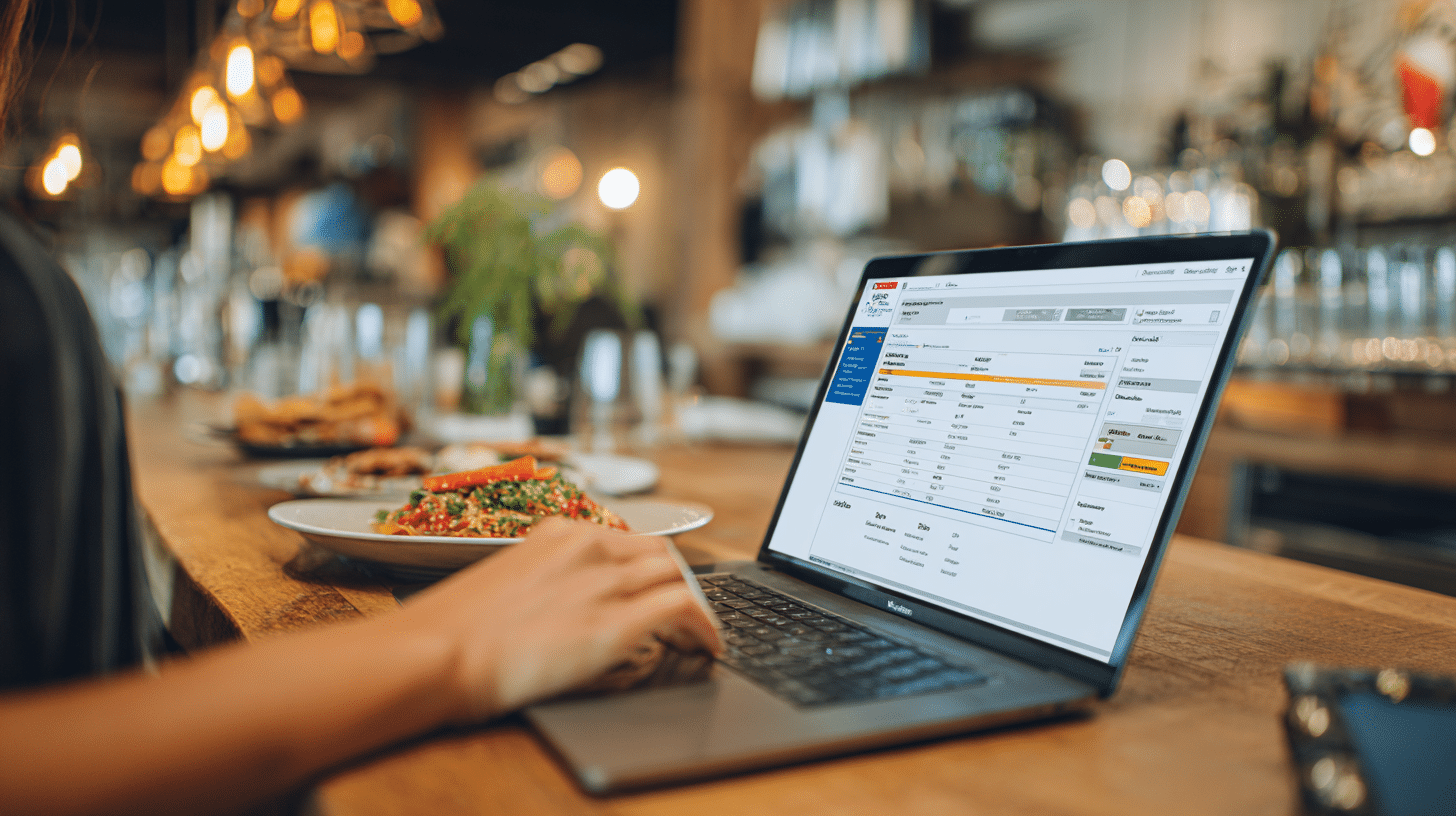
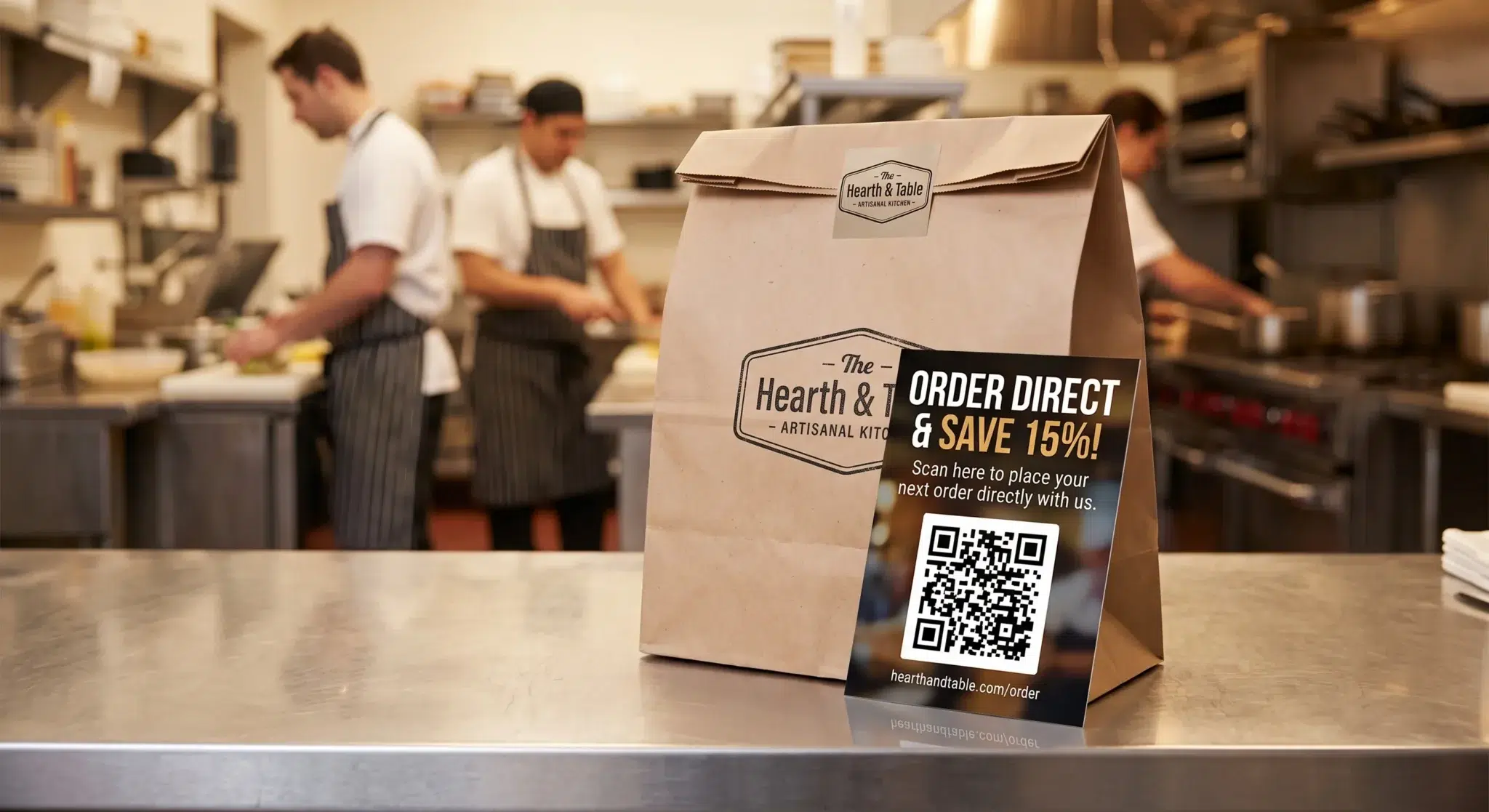
For restaurants operating with already tight profit margins, these fees can significantly reduce profitability. Commission-free ordering provides an alternative approach by allowing customers to place orders directly through restaurant-owned channels such as websites, mobile ordering pages, or branded applications.
When customers order directly, the restaurant maintains ownership of the customer relationship while keeping a larger portion of the revenue generated from each transaction.
The Economics of Direct Ordering
The financial impact of commission-free ordering becomes clear when viewed over time. Consider a restaurant generating $20,000 in monthly online sales. If a third-party platform charges a 20% commission, the restaurant pays $4,000 per month in fees.
Over the course of a year, those commissions total $48,000. For many independent restaurants, that amount represents a substantial portion of annual profit.
By encouraging customers to order directly, restaurants can redirect those funds toward marketing, staffing, operational improvements, equipment upgrades, or business expansion.
Direct Ordering vs Third-Party Marketplaces
Third-party platforms provide visibility and convenience, but they also create limitations. Restaurants often have limited access to customer information, reduced control over branding, and fewer opportunities to build direct customer relationships.
Direct ordering offers several advantages. Restaurants maintain ownership of customer data, control pricing and promotions, create customized experiences, and integrate loyalty programs more effectively.
Direct channels also provide greater flexibility when adapting menus, launching promotions, or implementing long-term customer retention strategies.
Why More Restaurants Are Making the Shift
Several factors are driving increased adoption of commission-free ordering. Rising marketplace fees, greater customer comfort with direct digital ordering, and increasing focus on profitability have encouraged many operators to reevaluate their online ordering strategies.
Consumers are increasingly willing to order directly from restaurants when the experience is convenient, fast, and rewarding.
As restaurants focus on long-term sustainability, direct ordering is becoming a critical component of modern revenue management.
Benefits of Zero Commission Orders for Restaurants
Commission-free ordering delivers benefits that extend far beyond cost savings. Restaurants gain greater control over profitability, customer relationships, and operational performance.
Maximizing Profit Margins
One of the most obvious benefits is increased profit retention. Every order processed through a direct channel allows restaurants to keep more revenue compared to commission-based marketplace transactions.
Higher margins provide additional flexibility during periods of rising costs or economic uncertainty.
Restaurants can use these retained funds to improve operations, strengthen marketing efforts, invest in technology, or enhance customer experiences.
Strengthening Customer Relationships Through Data Ownership
Customer data is one of the most valuable assets in modern restaurant operations. Direct ordering allows restaurants to collect information such as purchase history, contact details, ordering frequency, and customer preferences.
This information supports more personalized communication and targeted marketing efforts.
Instead of relying on anonymous marketplace transactions, restaurants can build meaningful relationships that encourage repeat business and long-term loyalty.
Creating Better Customer Experiences
Direct ordering channels allow restaurants to control the entire customer journey. From menu presentation and promotions to loyalty rewards and checkout experiences, restaurants can create a more consistent and branded interaction.
Customers benefit from clearer communication, personalized offers, and direct engagement with the businesses they support.
A stronger customer experience often contributes directly to higher retention rates and increased order frequency.
How POS Integration Enhances Direct Ordering
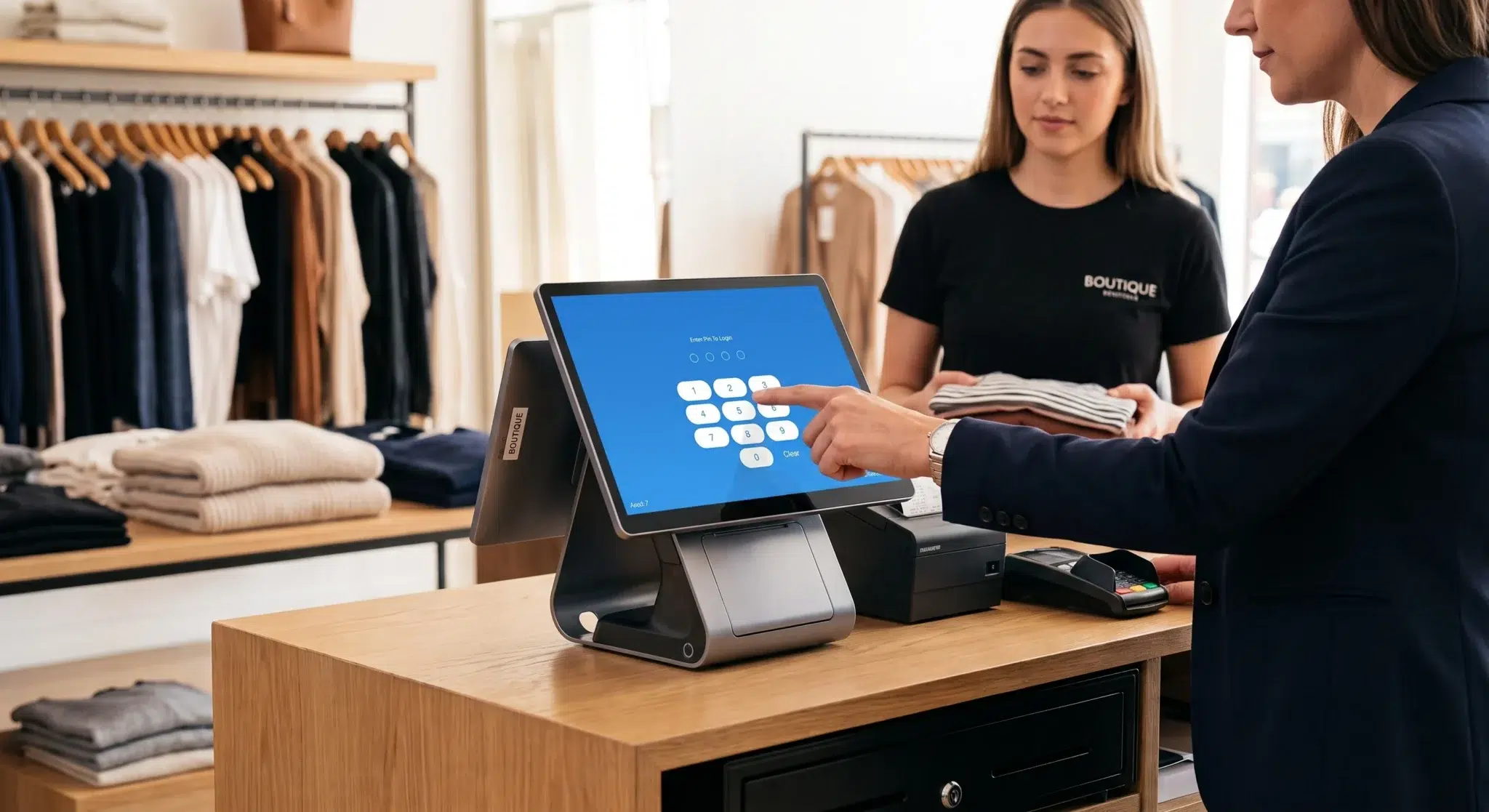
Commission-free ordering becomes significantly more effective when integrated directly with a restaurant’s POS system. Integration helps streamline operations while reducing manual work and improving accuracy.
Real-Time Order Synchronization
When online orders flow directly into the POS system, staff no longer need to manually enter information from multiple sources.
Orders appear instantly, reducing delays and minimizing opportunities for errors.
Faster order processing improves kitchen efficiency while helping restaurants handle higher order volumes more effectively.
Inventory Visibility and Menu Accuracy
POS integration helps maintain accurate inventory information across all ordering channels. As orders are placed, inventory levels update automatically.
This reduces the risk of overselling unavailable items and helps maintain accurate menu availability.
Integrated systems provide a complete view of business performance across dine-in, pickup, delivery, and online ordering channels.
Restaurant operators can analyze sales trends, customer behavior, and revenue performance from a centralized dashboard.
Better visibility supports more informed decision-making and stronger operational control.
Leveraging Branded Ordering Pages to Build Loyalty
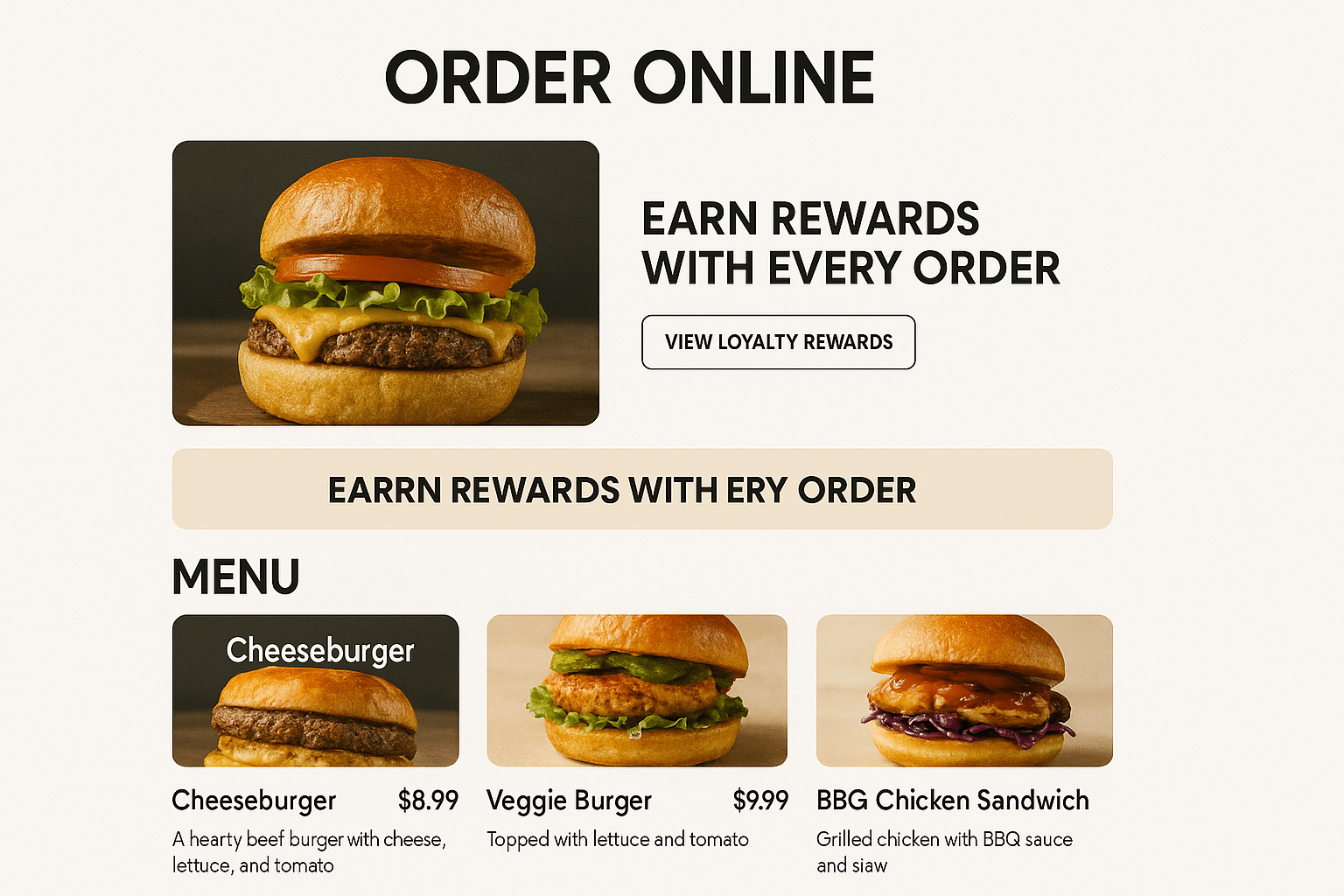
A branded ordering page serves as more than an online checkout tool. It acts as an extension of the restaurant’s brand and customer experience.
Strengthening Brand Identity
Unlike third-party marketplaces that standardize restaurant presentations, branded ordering pages allow businesses to control how customers experience the brand.
Restaurants can customize colors, logos, menu layouts, photography, promotions, and messaging to create a consistent identity.
Strong branding helps build recognition and encourages direct engagement.
Building Customer Trust
Customers are more likely to complete purchases when ordering pages provide clear information regarding pricing, preparation times, delivery expectations, and customer support.
Transparency helps reduce uncertainty and creates a smoother ordering experience.
Trust plays an important role in increasing conversion rates and encouraging repeat orders.
Integrating Loyalty Programs
Direct ordering platforms often allow restaurants to embed loyalty programs directly into the customer experience.
Customers can earn rewards, accumulate points, access exclusive offers, and receive personalized incentives without relying on third-party systems.
Loyalty programs help increase repeat business while strengthening long-term customer relationships.
Choosing a Cost-Effective Commission-Free Online Ordering System
Selecting the right platform is critical for long-term success. Restaurants should evaluate technology solutions based on ease of use, integration capabilities, scalability, and customer experience.
Ease of Management
Restaurant operators need systems that simplify daily operations rather than adding complexity. Menu updates, pricing adjustments, promotions, and order management should be easy to control from a centralized dashboard.
Simple workflows improve operational efficiency and reduce training requirements.
Ease of use often plays a major role in successful adoption.
Flexible Fulfillment Options
Restaurants should be able to support pickup, delivery, curbside service, and other fulfillment methods depending on operational needs.
Flexible fulfillment options help businesses adapt to changing customer preferences and market conditions.
Scalability becomes increasingly important as order volume grows.
Secure Payment Processing
A strong online ordering platform should support multiple payment methods, including credit cards, debit cards, mobile wallets, and contactless payments.
Secure transactions help build customer confidence while reducing checkout friction.
Payment flexibility often contributes to improved conversion rates and customer satisfaction.
How Biyo Helps Restaurants Maximize Direct Ordering Revenue
Restaurants looking to reduce commission expenses and strengthen customer relationships need technology that supports direct ordering without adding operational complexity. Biyo helps restaurants manage online ordering, POS operations, loyalty programs, reporting, and customer engagement through a unified platform.
With commission-free direct ordering capabilities, integrated POS functionality, branded ordering experiences, loyalty tools, and real-time reporting, Biyo POS helps restaurants retain more revenue while creating stronger customer connections.
Restaurant operators gain greater visibility into performance while maintaining control over branding, customer data, and ordering experiences.
If you’d like to explore how Biyo can support your restaurant’s direct ordering strategy, you can schedule a consultation and learn more about the platform.
Frequently Asked Questions
What is commission-free ordering?
Commission-free ordering allows restaurants to accept online orders directly through their own digital channels without paying percentage-based commissions to third-party ordering marketplaces.
How much money can restaurants save with direct ordering?
Savings vary based on sales volume and commission rates. Restaurants processing significant online order volume can often retain thousands of dollars annually by reducing or eliminating marketplace commissions.
Does commission-free ordering require POS integration?
While not always required, POS integration significantly improves efficiency by automating order flow, inventory updates, reporting, and operational management.
Can restaurants still offer delivery with commission-free ordering?
Yes. Restaurants can provide in-house delivery, partner with local couriers, or integrate delivery services while maintaining ownership of the customer relationship.
How does direct ordering improve customer loyalty?
Direct ordering allows restaurants to collect customer data, personalize promotions, offer loyalty rewards, and maintain ongoing communication that encourages repeat business.
Are branded ordering pages important?
Yes. Branded ordering pages help strengthen brand recognition, improve customer experiences, increase trust, and provide more control over how customers interact with the restaurant online.