Your restaurant entrance is the first handshake you have with potential customers. It sets the tone, tells a story, and communicates the quality of the experience waiting inside. With the right DIY restaurant entrance décor and signage tips, you can turn a simple doorway into an irresistible invitation. The best entrances blend creativity, brand identity, and functionality — all while being budget-conscious. Whether you’re aiming for rustic charm, modern elegance, or eclectic creativity, there’s a DIY approach to suit your style. By combining handmade signs, rustic décor, outdoor lighting, and personalized design elements, you can boost curb appeal, encourage walk-ins, and leave a lasting impression before guests even sit down to order.
Table of Contents
- Crafting Standout DIY Signage
- Transforming Ambience with Outdoor Lighting
- Infusing Personality with Rustic and Vintage Décor
- Elevating Warmth with Plants and Floral Displays
- Weaving Branding Seamlessly into Your Entrance
Crafting Standout DIY Signage
Signage is often the first element customers notice when approaching your restaurant. A thoughtfully designed sign does more than display your name — it communicates your personality, style, and attention to detail. The right sign can be the difference between someone walking past or walking in. In the competitive restaurant industry, where curb appeal is crucial, your signage should work like a 24/7 salesperson, attracting foot traffic even when you’re closed.
Handmade Signs for a Personal Touch
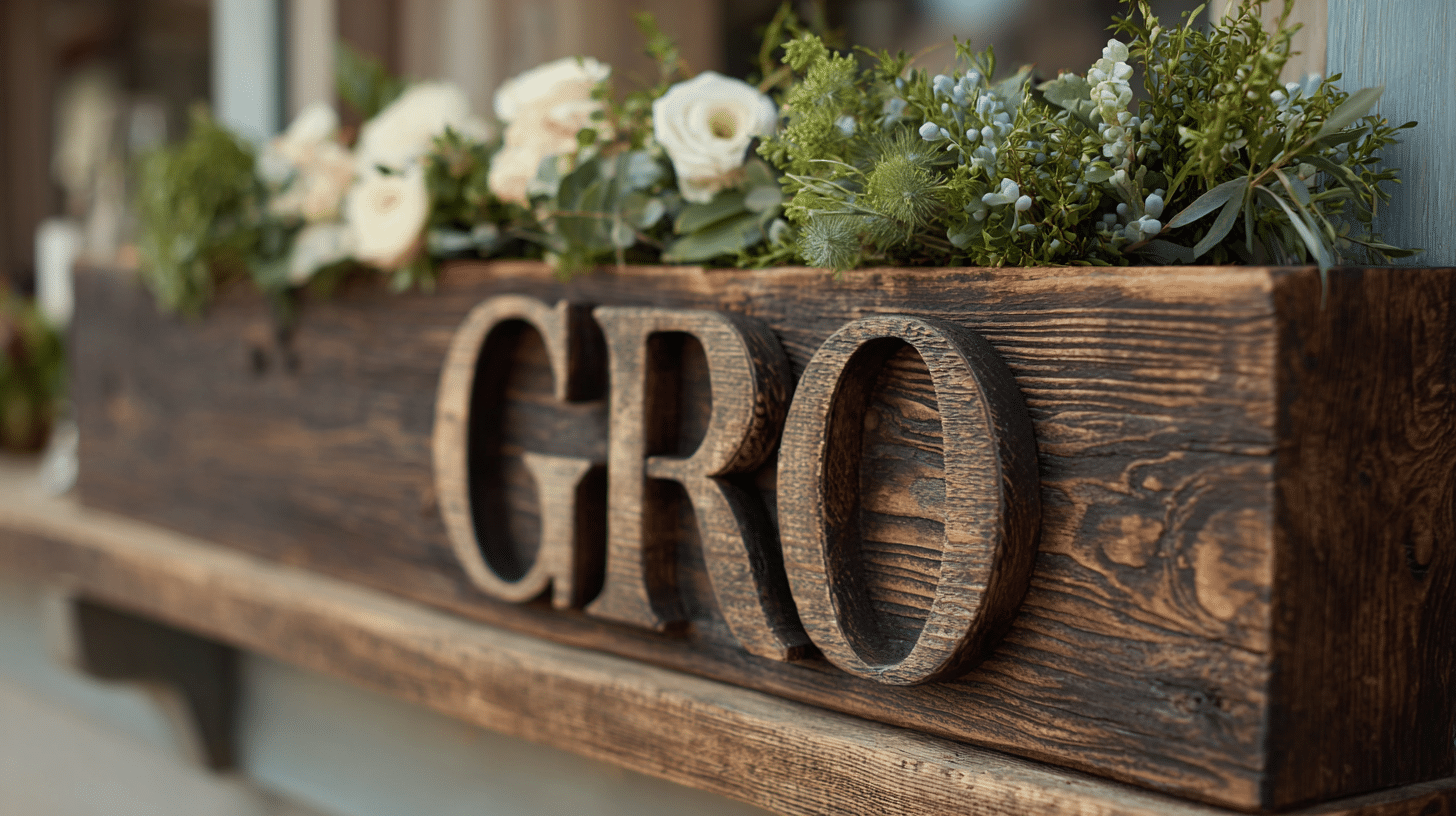
Handmade signs immediately convey warmth and authenticity. When customers see a hand-painted or hand-carved sign, they subconsciously associate it with care, quality, and individuality — qualities they hope to find in their dining experience. For example, a farm-to-table bistro might create a reclaimed wood sign with hand-brushed lettering and subtle floral embellishments. This not only reinforces the restaurant’s rustic and organic ethos but also makes the entrance feel more intimate and inviting.
From an operational standpoint, handmade signs are highly customizable and can be refreshed or updated without the expense of professional fabrication. Materials like reclaimed barn wood, weathered metal, or even slate offer durability and charm. Treating the sign with a clear outdoor sealant helps preserve its beauty against weather damage. Adding small artistic touches — like a painted border, carved emblem, or even embedded LED strip lighting — can transform a basic nameplate into a statement piece that catches the eye from across the street.
Placement is key. Signs should be mounted at eye level or slightly above, positioned to be visible from the most common pedestrian and vehicle approaches. For corner locations, consider double-sided hanging signs that catch attention from multiple angles. By blending visibility with artistry, your handmade sign becomes more than identification — it becomes an anchor point for your entire curb appeal strategy.
Chalkboard Menus for Flexibility
Chalkboard menus offer unmatched flexibility, making them a favorite for dynamic restaurants that change specials frequently. Their nostalgic, approachable look draws people in, encouraging them to linger and read. A well-designed chalkboard menu in your entrance area not only informs but entertains — think playful illustrations of signature cocktails, doodles of steaming dishes, or seasonal accents like autumn leaves or holiday snowflakes.
Using high-quality chalk markers instead of regular chalk ensures crisp, vivid lettering that withstands smudges and light rain. Organize information clearly, with a bold headline for daily specials, sub-sections for drinks or desserts, and a few highlighted items to spark curiosity. If you run happy hour promotions, listing them prominently can be an instant traffic driver during slower hours. The DIY element shines through when you add personal flourishes — quotes from the chef, fun puns, or community announcements that make your restaurant feel like a local hub.
From a business perspective, chalkboards are low-cost but high-impact. A simple A-frame placed on the sidewalk can significantly increase foot traffic, especially in high-pedestrian areas. Because they can be updated instantly, you can use them to test promotional messages, gauge customer interest, and adjust offerings in real time without printing costs.
LED Signage for Modern Visibility
For restaurants seeking a modern, high-visibility approach, LED signage offers a powerful solution. Unlike static signs, programmable LED boards allow you to rotate messages, showcase limited-time offers, and even display animated graphics. This adaptability means your entrance is always fresh, relevant, and engaging. Imagine a sushi restaurant flashing a “Half-Price Roll Tuesday” message in bright, inviting colors, or a café using soft amber LEDs to announce fresh pastries each morning.
DIY LED kits make it easier than ever to install and customize signage without hiring a professional. By pairing sleek LED displays with handcrafted frames — perhaps in reclaimed wood or brushed metal — you can blend contemporary tech with artisanal charm. This hybrid approach appeals to both traditionalists and modern diners. It also ensures visibility at night, which is critical for locations on dimly lit streets or those with evening-heavy traffic.
Beyond aesthetics, LED signs can serve as branding tools by consistently displaying your logo, tagline, and color palette. They can also be integrated with weather or time-based triggers — for instance, switching to a “Hot Soup Now” message when the temperature drops. This kind of real-time adaptability transforms your entrance into a dynamic, interactive marketing channel.
Transforming Ambience with Outdoor Lighting
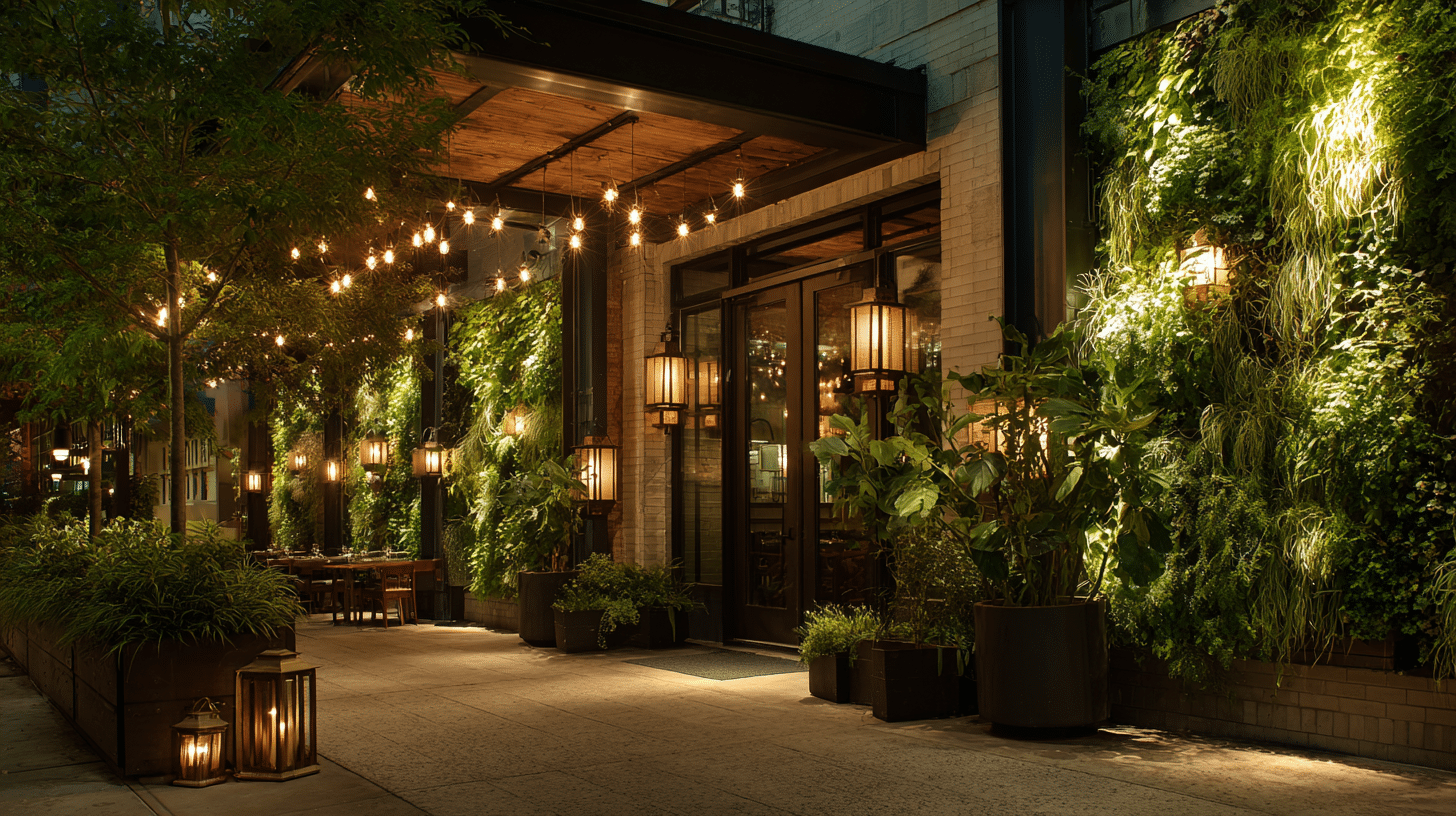
Lighting is one of the most effective ways to create atmosphere, guide customers to your entrance, and enhance the beauty of your décor elements. Properly planned outdoor lighting can highlight architectural features, signage, and landscaping, while also improving safety and accessibility after dark. With a few strategic DIY choices, you can turn your entrance into a warm, welcoming beacon that draws guests in.
String Lights for a Cozy Glow
String lights have become a staple in both casual and upscale restaurant entrances for their versatility and charm. When draped across awnings, wrapped around columns, or woven through pergolas, they create a gentle, magical glow that invites people to linger. This effect works particularly well for evening service, giving passersby a visual cue that your restaurant is a lively, inviting place to be.
Outdoor-rated LED string lights are durable, energy-efficient, and available in a variety of colors and bulb shapes. Warm white bulbs offer a timeless, cozy feel, while colored or festoon bulbs can add a playful or thematic touch. For seasonal flair, you might swap in themed colors — red and green for the holidays, orange for autumn, or pastel for spring.
From a functional standpoint, string lights can also be used to define spaces, such as guiding guests toward the entrance or highlighting an outdoor seating area. They can be mounted with minimal hardware, making them easy to install, remove, or rearrange as your décor evolves. The result is an adaptable lighting solution that enhances mood and visibility without requiring major electrical work.
Spotlights to Showcase Key Features
Spotlights offer precision in highlighting specific architectural or decorative elements. By directing a focused beam on your main sign, entry arch, or featured artwork, you create a visual hierarchy that draws the eye exactly where you want it. This is especially important in competitive dining districts, where your entrance needs to stand out against a backdrop of competing storefronts.
LED spotlights are energy-efficient and come in adjustable models that let you fine-tune angles and brightness. Position them so they illuminate without creating glare for guests or passing drivers. For a more dramatic effect, consider colored gels that can change the mood for seasonal events or themed promotions. For instance, a seafood restaurant might use a soft blue wash to evoke the ocean, while a steakhouse might opt for a warm amber glow.
Beyond aesthetics, spotlights improve safety by ensuring walkways and steps are well-lit. This not only makes your entrance more accessible but also reduces liability risks — an important consideration for any business owner.
Lanterns for Timeless Charm
Lanterns bring a sense of timeless elegance and romance to any entrance. Whether hung from wrought-iron hooks, placed along a pathway, or flanking a doorway, they create a focal point that feels both classic and intimate. Their design versatility means they can suit a wide range of styles, from rustic farmhouse to polished urban bistro.
Using battery-powered LED candles inside your lanterns offers the flickering beauty of real flames without the fire hazard. This makes them a practical choice for high-traffic entrances or windy outdoor environments. Decorative lanterns in materials like copper, brass, or blackened steel can be chosen to complement your broader décor theme.
Lanterns also pair beautifully with other elements such as potted plants or seasonal wreaths, creating layered, textured vignettes that draw the eye. Positioned strategically, they can frame your entrance in a way that feels both intentional and welcoming, encouraging guests to step inside.
Infusing Personality with Rustic and Vintage Décor
Rustic and vintage décor elements have a unique ability to create emotional resonance with guests. They remind people of simpler times, add character, and communicate authenticity. In the restaurant industry, where customers are increasingly drawn to spaces with a story, these elements can set you apart. By using reclaimed materials, vintage finds, and handmade features, you can give your entrance a timeless appeal while also being sustainable and budget-friendly.
Reclaimed Wood Signs for Eco-Friendly Storytelling
Reclaimed wood is not just a décor choice — it’s a conversation starter. Each plank has a history, from old barns and factories to dismantled ships or wine barrels. When used in signage, this material conveys both authenticity and environmental responsibility, appealing to diners who value sustainability. The texture, grain patterns, and imperfections of reclaimed wood make every sign unique, enhancing the handcrafted feel of your entrance.
To maximize durability, treat reclaimed wood with a weatherproof sealant before painting or carving your design. This not only preserves its character but also protects it from moisture, UV damage, and temperature changes. Hand-painting your restaurant’s name, logo, or tagline in bold, high-contrast colors ensures visibility from afar while maintaining the rustic aesthetic.
Pairing reclaimed wood signs with complementary materials such as wrought iron brackets or vintage lanterns can create a cohesive entrance theme. You might also add small decorative accents like hand-forged nails, rope borders, or etched designs that reflect your menu or culinary heritage. The result is signage that’s not only functional but deeply personal.
Painted Murals for Artistic Impact
Murals transform otherwise blank exterior walls into visual landmarks. A well-executed mural can become a photo backdrop, social media magnet, and local talking point — all while reinforcing your restaurant’s identity. For example, a coastal seafood spot might feature a colorful mural of ocean waves and marine life, while an Italian trattoria could showcase hand-painted Tuscan landscapes or grapevines.
From a branding perspective, incorporating your logo subtly within the mural ensures that every photo taken becomes free advertising. This approach blends art and marketing seamlessly. You can even collaborate with local artists, creating goodwill and community engagement. Many restaurants have found success by changing their murals seasonally or for special events, which keeps the entrance visually fresh.
Maintenance is crucial. Protect murals with a clear anti-graffiti coating and consider touch-ups as part of your regular upkeep. Lighting them with soft spotlights at night extends their visibility and enhances their color vibrancy. A mural done right can be one of the most cost-effective, high-impact marketing tools at your disposal.
Vintage Accents for Nostalgic Appeal
Vintage accents tap into nostalgia, evoking fond memories and creating a sense of familiarity. Think weathered milk cans filled with flowers, antique bistro chairs, or retro neon signs. These details can make guests feel at home before they even cross the threshold. They work especially well for restaurants with heritage-focused menus, like classic diners, farm-style cafés, or ethnic eateries celebrating traditional recipes.
Scouring flea markets, estate sales, and online vintage shops can yield affordable treasures that add authenticity. The key is curation — each piece should have a purpose and tie into the broader theme. For instance, a barbecue joint might display an old cast-iron smoker near the door, while a French café could use a vintage bicycle with a flower basket as a decorative prop.
To prevent your entrance from looking cluttered, limit the number of large vintage items and balance them with clean, modern elements. This contrast can make each vintage piece stand out even more, creating a layered look that feels intentional rather than haphazard.
Elevating Warmth with Plants and Floral Displays
Plants and flowers have a universal appeal. They soften hard surfaces, add color, and create an atmosphere of vitality and care. In a restaurant entrance, greenery communicates freshness, attention to detail, and a welcoming spirit. With the right plant selection and arrangement, you can make your entrance an ever-changing seasonal showcase.
Potted Plants for Versatility and Texture
Potted plants are one of the most flexible entrance décor options. They can be moved, swapped, and updated with minimal effort, allowing you to change the look of your entrance with the seasons or special events. Large planters with tall grasses or small shrubs can provide structure, while smaller pots of herbs or flowers add variety and fragrance.
When choosing pots, consider their material and color. Terra cotta adds a warm, Mediterranean feel, while metal or concrete pots offer a modern, industrial edge. Coordinating pot styles with your signage and other décor creates visual harmony. You might also experiment with asymmetrical arrangements to add dynamism to your entrance.
Practicality matters — select plants suited to your climate and light conditions, and ensure proper drainage to prevent root rot. Grouping pots of varying heights can create depth and draw the eye naturally toward your doorway, subtly guiding guests in.
Flower Arrangements for Seasonal Flair
Flower arrangements bring instant vibrancy and charm. Seasonal blooms not only refresh your entrance visually but also signal your restaurant’s connection to the time of year. In spring, tulips and daffodils can create a cheerful welcome; in summer, sunflowers and geraniums add bold color; in autumn, mums and ornamental kale bring warmth; and in winter, evergreens and poinsettias offer festive cheer.
For added personality, present flowers in unexpected containers — vintage crates, rustic buckets, or even repurposed wine barrels. This approach ties floral displays into the broader DIY aesthetic while making them more memorable. Placing arrangements near signage or menu boards can draw guests’ attention to key information.
Regular maintenance is essential for keeping flowers fresh and appealing. Wilting or faded blooms can have the opposite effect, signaling neglect. Set a schedule for watering, trimming, and replacing arrangements to keep your entrance consistently inviting.
Vertical Gardens for Compact Spaces
For restaurants with limited sidewalk or façade space, vertical gardens offer a stylish solution. These living walls can be mounted on fences, exterior walls, or freestanding frames, making them ideal for urban locations. Beyond aesthetics, they also contribute to improved air quality and a sense of environmental mindfulness.
Designing a vertical garden with a mix of flowers, foliage, and even edible herbs can create visual interest and functional benefits. Guests may be delighted to know that the basil in their pasta came from the lush display they admired on their way in. This transparency strengthens your farm-to-table narrative and builds trust.
Proper irrigation systems, such as drip lines or self-watering planters, are crucial for maintaining vertical gardens. Strategic lighting — especially if the wall is visible at night — can highlight textures and colors, making the display a standout feature around the clock.
Weaving Branding Seamlessly into Your Entrance
Every element of your entrance should reflect your brand identity. From colors and typography to materials and layout, consistency builds recognition and trust. A strong brand presence in your entrance doesn’t just look good — it reinforces the promise of the dining experience inside.
Custom Lettering for Instant Recognition
Custom lettering allows you to convey your brand’s personality before customers even read the words. The choice of font, size, and style sends subconscious cues — a sleek sans-serif suggests modernity, while a flowing script conveys elegance and romance. Matching your signage lettering with your menu design, website, and marketing materials creates a cohesive identity.
DIY lettering can be done using stencils, vinyl decals, or hand-painting, depending on your skill level and desired look. For a rustic theme, hand-painted letters on distressed wood may be ideal; for a contemporary space, vinyl-cut letters on glass offer a crisp finish. Incorporating subtle brand icons, like a chef’s hat, wine glass, or leaf motif, can reinforce your theme without overwhelming the design.
Placement matters as much as style. Ensure that your lettering is legible from the street and well-lit at night. Consistent visibility builds familiarity, which can increase the likelihood of repeat visits.
Window Displays for Visual Storytelling
Windows are prime real estate for storytelling. A thoughtfully designed display can showcase your menu, highlight your ambiance, or hint at the experience within. For example, a bakery might arrange fresh loaves, cake stands, and rolling pins in its window, while a seafood restaurant could display a curated selection of maritime artifacts alongside its daily catch board.
Rotating window displays seasonally or for special events keeps your entrance visually fresh and encourages passersby to stop and look. This creates opportunities for impulse visits, especially if your display includes menu highlights or promotional offers. Adding QR codes that link to your online menu or reservation system can convert curiosity into action instantly.
Lighting is key for window displays. Spotlights or soft ambient lighting can make the display visible at night, ensuring your branding works 24/7. Coordinating the color palette with your interior design strengthens the sense of cohesion as guests move from outside to inside.
Entryway Art for a Signature Statement
Entryway art can serve as both a decorative feature and a branding tool. This might be a sculptural installation, a hanging mobile, or even a mosaic floor at the threshold. The goal is to create something memorable and photogenic that becomes associated with your brand in guests’ minds.
For example, a Mediterranean restaurant might feature a tiled mural of a sunburst, while a modern fusion eatery could install a sleek, abstract metal sculpture. These artistic elements can double as photo spots for social media, giving your brand organic exposure every time a guest shares an image.
Integrating your logo or thematic colors subtly within the art ensures that even abstract pieces reinforce your brand identity. By investing in a signature entrance feature, you create a long-lasting marketing asset that continues to attract and impress visitors.
About Biyo POS
Biyo POS empowers restaurants to deliver a seamless customer experience from first impressions to final payment. Our system integrates beautifully with your branding, offering features like custom digital menus, contactless ordering, and real-time order tracking. Whether your entrance features rustic reclaimed wood signage or modern LED displays, Biyo POS ensures the service inside matches the inviting atmosphere you’ve created outside. With intuitive tools for inventory, staff management, and customer loyalty programs, Biyo POS helps your restaurant operate efficiently while leaving guests impressed at every touchpoint.
FAQ
How can I improve my restaurant entrance on a budget?
Focus on DIY solutions like handmade signs, chalkboard menus, and potted plants. These cost-effective elements can dramatically improve curb appeal without requiring large investments. Reclaimed materials and seasonal décor swaps can also keep your entrance looking fresh year-round.
What lighting is best for attracting customers?
String lights, spotlights, and lanterns are excellent choices. String lights create warmth, spotlights highlight key features, and lanterns offer timeless charm. Combining multiple lighting types can create a layered, inviting effect that works both day and night.
How often should I update my entrance décor?
Seasonal updates — at least four times a year — keep your entrance feeling relevant and exciting. More frequent changes, like weekly chalkboard menu updates or monthly floral swaps, can encourage repeat visits by offering something new to discover each time.