Imagine enjoying your favorite boba drink without the guilt of harming the environment. An eco-friendly boba cafe makes that possible by blending delicious beverages with sustainable practices. From reusable straws to energy-efficient equipment, these cafes are setting new standards for what it means to sip responsibly. They’re not just serving tea—they’re serving a vision of a greener future where every cup contributes to reducing waste and protecting the planet. Let’s dive into how eco-conscious cafes are shaping the way we enjoy bubble tea.
Table of Contents
- Sustainable Practices in Eco-Friendly Boba Cafes
- Eco-Conscious Menu Choices
- Building a Green Business Model
- Designing Sustainable Cafes
- Community Engagement and Eco-Branding
- How Biyo POS Supports Eco-Friendly Boba Cafes
- FAQ
Sustainable Practices in Eco-Friendly Boba Cafes
Sustainability is at the heart of every eco-friendly boba cafe. These cafes aim to reduce their carbon footprint by adopting innovative methods that balance customer satisfaction with environmental responsibility. The focus is on minimizing waste, cutting unnecessary energy use, and offering greener alternatives for packaging and materials. By embedding these practices into daily operations, eco-friendly cafes demonstrate that running a profitable business can go hand-in-hand with protecting the environment.
Using Biodegradable Cups and Compostable Materials
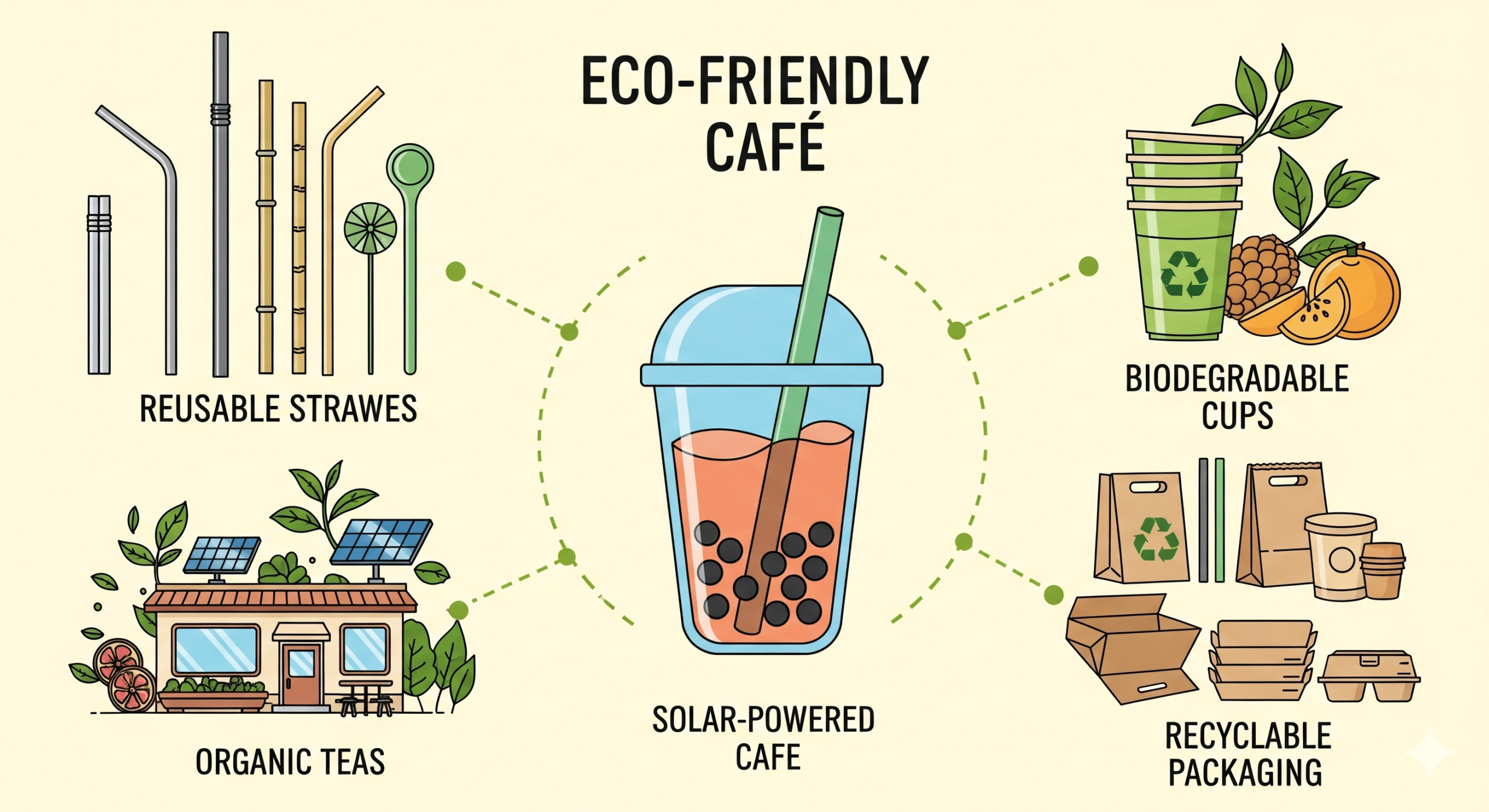
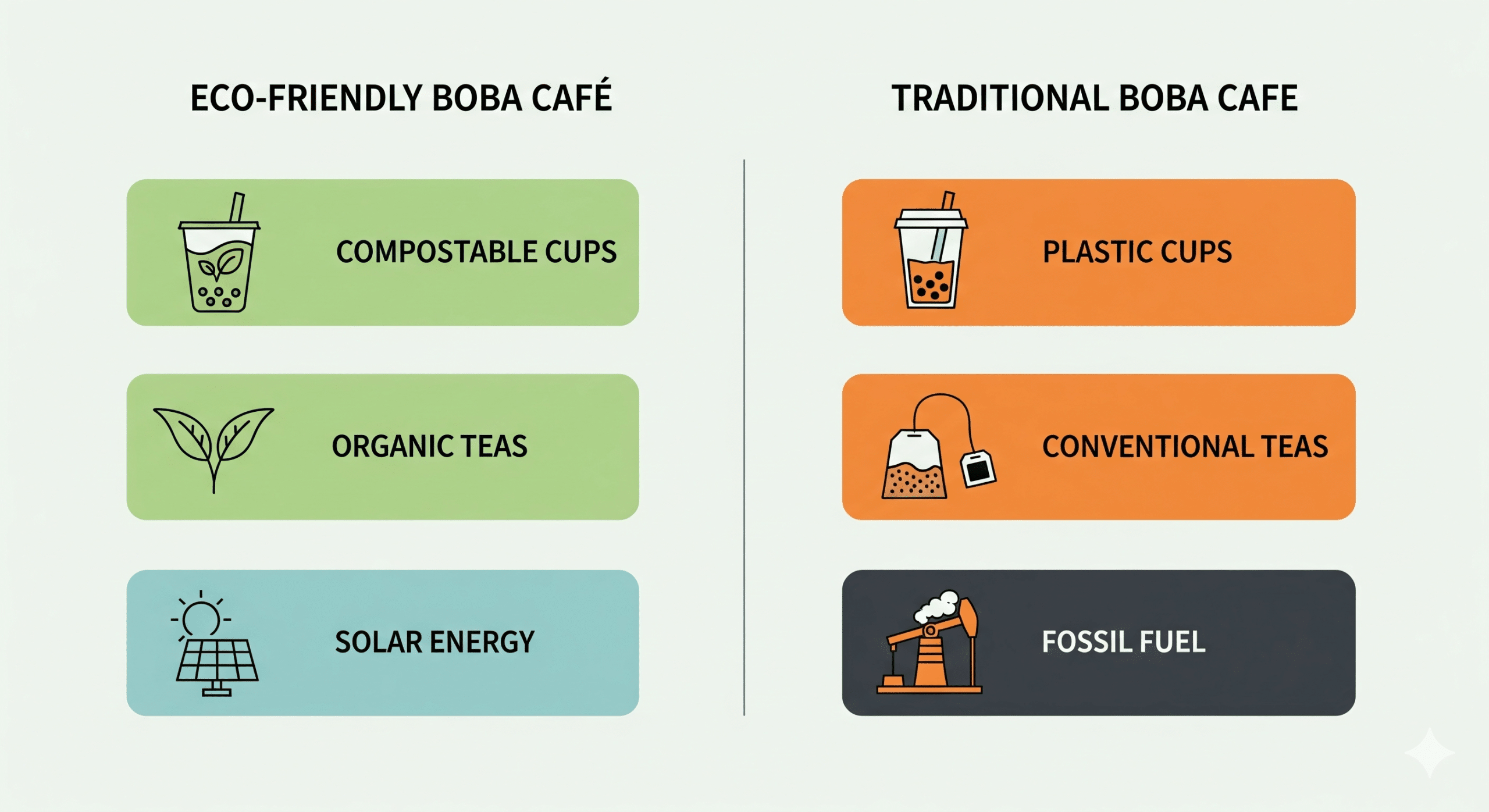
One of the most impactful ways to promote sustainability is through packaging. Eco-friendly boba cafes often replace plastic with biodegradable cups and lids made from plant-based materials. These compostable items break down naturally and do not pollute the environment like single-use plastics do. Customers appreciate these efforts because they can enjoy their favorite boba drink knowing that their cup won’t sit in a landfill for centuries.
Compostable materials also create an opportunity for businesses to educate consumers. Many cafes include clear labels that show how to dispose of the cup correctly. This helps customers feel engaged in the eco-conscious mission while raising awareness about the environmental impacts of traditional plastics. It’s not only about reducing waste; it’s also about reshaping habits.
By committing to compostable packaging, boba cafes align themselves with growing movements toward zero-waste lifestyles. This eco-friendly choice builds brand loyalty, especially among younger generations who are eager to support green businesses. Over time, small changes in packaging can create large-scale environmental benefits.
Encouraging Reusable Straws and Refill Programs
Plastic straws have become a symbol of unnecessary waste. Eco-friendly boba cafes combat this by offering reusable straws made of stainless steel, bamboo, or silicone. Customers can purchase these straws once and use them repeatedly, reducing the need for single-use alternatives. Many cafes even offer incentives, such as discounts, for those who bring their own straw.
Refill programs add another layer of sustainability. Some boba cafes encourage customers to bring their own reusable cups or containers. These programs not only cut down on packaging waste but also create a stronger connection between the customer and the cafe. It sends a clear message: sustainability is a shared responsibility between the business and its patrons.
Over time, such practices normalize eco-friendly habits. When customers see peers sipping from reusable straws or bringing personal cups, they’re more likely to adopt similar behaviors. That ripple effect extends beyond the cafe into the broader community.
Energy-Efficient Equipment and Zero Waste Practices
Running a cafe requires energy, but eco-friendly boba shops make conscious choices with their equipment. Refrigerators, blenders, and lighting systems are often upgraded to energy-efficient models. These machines consume less electricity, lowering both operating costs and the business’s carbon footprint. Over time, the savings from reduced energy bills can be reinvested into further sustainability projects.
Zero waste practices also play a major role. Cafes might compost leftover tea leaves or fruit scraps, turning them into natural fertilizers for local gardens. Some even donate surplus ingredients to community kitchens, ensuring nothing goes to waste. These efforts reflect a commitment to not just reducing waste but eliminating it wherever possible.
By investing in sustainable equipment and zero-waste systems, eco-friendly boba cafes create a closed-loop business model. Customers notice these efforts, and the brand gains recognition as a leader in environmentally responsible practices. It’s proof that profitability and sustainability are not mutually exclusive.
Eco-Conscious Menu Choices
The heart of every boba cafe is its menu. An eco-friendly boba cafe takes pride in offering drinks made with sustainable, plant-based, and organic ingredients. From fair trade teas to locally sourced fruits, every choice is intentional. The goal is to craft beverages that taste amazing while leaving a minimal impact on the environment.
Organic Teas and Fair Trade Sourcing
Tea is the foundation of every boba drink, and sourcing it responsibly is crucial. Eco-friendly cafes often select organic teas that are grown without harmful pesticides or synthetic fertilizers. These teas not only protect ecosystems but also ensure that customers enjoy a cleaner, healthier beverage. The flavor is richer, and the health benefits are greater.
Fair trade sourcing adds another layer of responsibility. By choosing fair trade teas, cafes support farmers with fair wages and safe working conditions. This creates a positive chain reaction that uplifts communities while providing customers with ethically sourced drinks. It transforms a simple cup of tea into a meaningful act of support for global sustainability.
When customers understand where their tea comes from, they feel more connected to the drink. Transparency in sourcing builds trust and enhances the overall cafe experience. It becomes more than just a drink—it’s a story of care, quality, and ethics.
Plant-Based Ingredients and Organic Alternatives
Eco-friendly boba cafes embrace plant-based ingredients as a way to minimize their environmental impact. Plant-based milk options, such as oat, almond, or soy, replace traditional dairy. These alternatives require fewer natural resources to produce and generate a lower carbon footprint. Customers also appreciate the inclusive menu that caters to lactose-intolerant and vegan lifestyles.
Beyond milk, organic sweeteners like agave or coconut sugar often replace processed sugars. Fresh fruits sourced from local farms also play a central role. This not only enhances flavor but also reduces the emissions caused by long transportation routes. Every ingredient is chosen to support sustainability without sacrificing taste.
The growing popularity of plant-based diets means that eco-friendly cafes stay ahead of consumer demand. Offering organic and plant-based options sets them apart as leaders in both taste and eco-consciousness. It’s proof that sustainability can be delicious.
Locally Sourced Produce and Seasonal Specials
Locally sourced produce is a cornerstone of sustainable menus. Eco-friendly boba cafes often partner with nearby farms to obtain fruits and herbs. This reduces transportation emissions while supporting the local economy. It also ensures that ingredients are fresher, which directly enhances the flavor of the drinks.
Seasonal specials highlight the importance of eating with the rhythms of nature. Offering a mango smoothie in summer or a spiced tea latte in autumn encourages customers to enjoy what’s naturally available. This reduces reliance on out-of-season imports that have a higher environmental cost.
These choices create a unique cafe identity. Customers associate eco-friendly boba cafes with freshness, quality, and sustainability. Over time, this identity fosters loyalty and repeat visits from eco-conscious consumers who value both taste and ethics.
Building a Green Business Model
A true eco-friendly boba cafe doesn’t stop at drinks and packaging. Sustainability runs through its entire business model. From sourcing to operations, every decision reflects a long-term vision of reducing environmental impact while creating a thriving business. This approach proves that being green is not a trend—it’s a strategy for resilience and growth.
Sustainable Sourcing and Supply Chain Management
One of the biggest challenges in the beverage industry is supply chain management. Eco-friendly boba cafes tackle this by focusing on sustainable sourcing. They build partnerships with suppliers who share the same eco-conscious values. This ensures that every step of the journey—from farm to cup—reflects a commitment to the environment.
By prioritizing suppliers with sustainable certifications, cafes can guarantee consistent quality while reducing their ecological footprint. This transparency appeals to eco-conscious consumers who demand more than just tasty drinks. They want to know that their purchase supports an environmentally responsible system.
Over time, strong supplier relationships create stability. The cafe is not just another buyer but a partner in a shared mission to make food and beverage industries more sustainable. This builds resilience and long-term trust on both ends.
Reducing Carbon Footprint Through Operations
Eco-friendly cafes adopt innovative methods to reduce their carbon footprint. Delivery systems might rely on electric scooters or bicycles instead of cars. Some cafes even offset their emissions by investing in renewable energy projects. These actions send a strong message: every aspect of the business matters when it comes to sustainability.
Inside the cafe, energy-efficient lighting and smart thermostats help cut down energy usage. Staff training also plays a role, with employees learning how to minimize waste and handle resources responsibly. These small steps add up to significant reductions in overall emissions.
Customers notice these efforts. Many eco-conscious consumers actively seek businesses that take measurable actions toward sustainability. By highlighting their carbon reduction strategies, cafes attract a loyal audience that values eco-responsibility as much as taste.
Refill Programs and Plastic-Free Options
Refill programs do more than reduce waste—they create repeat business. Eco-friendly cafes encourage customers to return with reusable containers by offering small discounts. These programs strengthen customer loyalty while aligning with sustainable values. Over time, they can even reduce the cafe’s costs for disposable packaging.
Plastic-free options are another cornerstone of green business models. From compostable straws to recyclable packaging, cafes eliminate plastic wherever possible. This reduces environmental harm and positions the business as a leader in sustainability. Customers associate the brand with responsibility and innovation.
When combined, refill programs and plastic-free initiatives boost both profitability and eco-conscious branding. They prove that going green is not just about ethics—it’s about smart business strategy that resonates with modern consumers.
Designing Sustainable Cafes
Beyond drinks and business models, the design of an eco-friendly boba cafe plays a vital role. From architecture to interior choices, everything can be tailored for sustainability. A well-designed cafe not only reduces environmental impact but also creates a space that attracts eco-conscious customers.
Eco-Friendly Interior Design and Materials
Eco-friendly cafes often use recycled or natural materials for their interiors. Tables, chairs, and counters may be crafted from reclaimed wood or bamboo. These materials are durable, attractive, and far more sustainable than traditional plastics or composites. They give the cafe a unique and authentic look that aligns with eco-conscious branding.
Paints and finishes are often chosen carefully, with many opting for low-VOC (volatile organic compound) options. These improve indoor air quality and create a healthier environment for both staff and customers. Lighting also plays a role, with LED systems replacing wasteful incandescent bulbs.
The overall design communicates a brand’s values without saying a word. Customers feel more connected to a business that reflects sustainability in every detail of its space. It’s proof that design and values can work hand-in-hand.
Solar-Powered Café Concepts
Some eco-friendly boba cafes take their sustainability commitment to the next level by investing in solar energy. A solar-powered café reduces reliance on fossil fuels while cutting operational costs in the long run. The initial investment pays off as electricity bills shrink and energy independence grows.
Solar energy also serves as a strong branding element. Customers appreciate the transparency of knowing their drinks are powered by renewable energy. It turns an ordinary cafe visit into a meaningful eco-conscious experience that goes beyond taste.
Investing in solar panels signals long-term commitment to sustainability. It’s not a temporary trend—it’s a permanent choice that aligns with the mission of being an environmentally sustainable cafe.
Green Spaces and Natural Ambiance
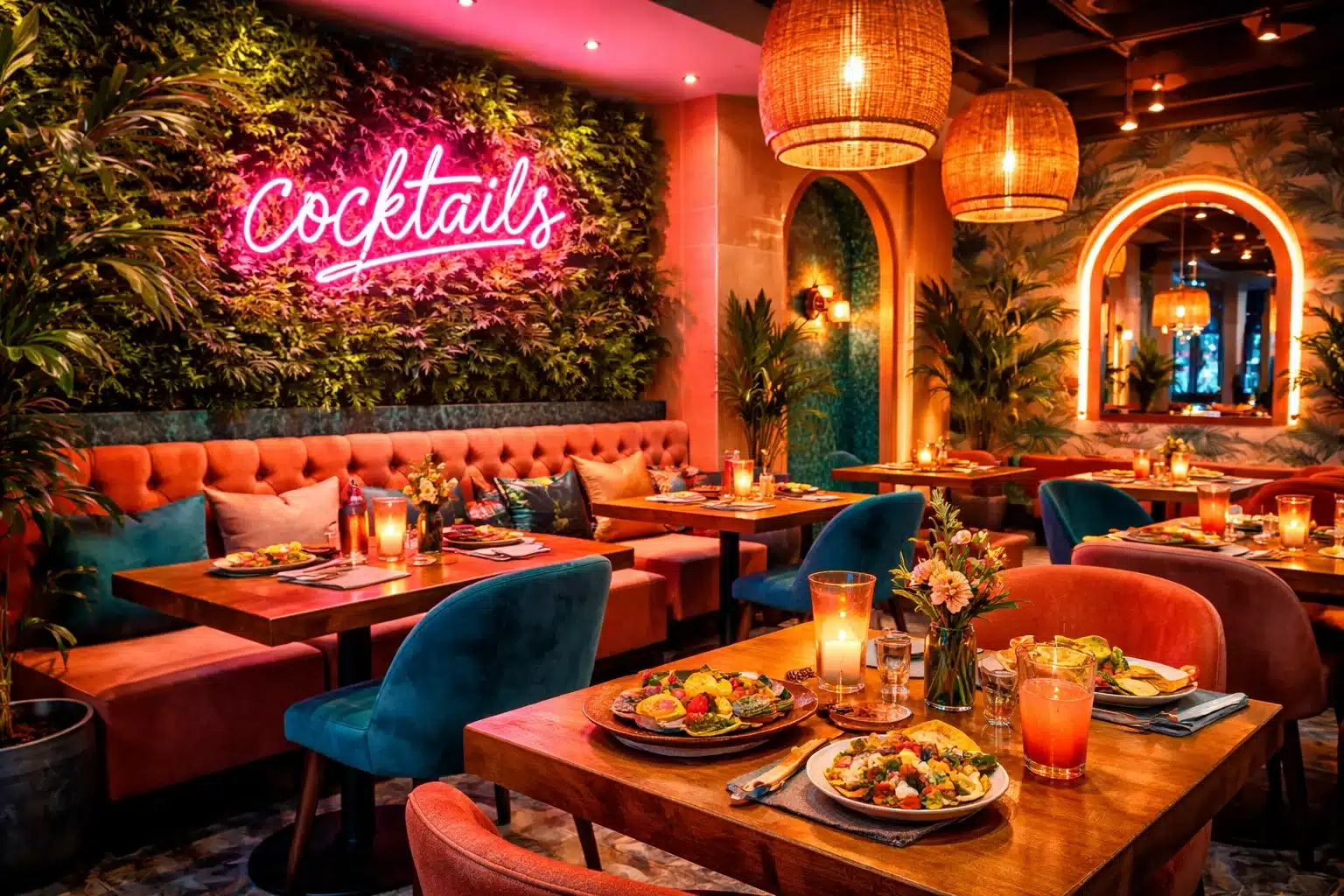
Incorporating plants and green spaces into the design adds both beauty and sustainability. Vertical gardens, indoor plants, and outdoor seating with greenery create a relaxing atmosphere. These features also improve air quality and reduce stress for customers. The result is a cafe that feels refreshing and alive.
Green design choices also help regulate temperature naturally. Plants can act as natural insulators, reducing the need for excessive heating or cooling. This creates a balance between comfort and energy efficiency, which is essential for eco-friendly businesses.
Customers associate these spaces with relaxation and health, making them more likely to return. A natural ambiance also encourages social sharing, with visitors posting photos of the beautiful environment online. This boosts brand visibility and attracts new customers organically.
Community Engagement and Eco-Branding
Sustainability is not just about what happens inside the cafe. Community engagement plays a key role in building a successful eco-friendly boba cafe. By involving the local community and creating strong eco-conscious branding, cafes establish themselves as more than businesses—they become movements.
Eco-Conscious Branding and Marketing
Branding is how customers perceive a cafe’s values. Eco-conscious branding highlights the sustainability efforts in every detail—from logos to packaging. A consistent message builds trust and communicates the cafe’s green mission clearly. For instance, using natural colors, earthy tones, and sustainable symbols reinforces eco values.
Marketing campaigns also emphasize sustainability. Social media posts, website content, and in-store signage share stories about eco-friendly practices. Customers feel inspired to support a cafe that communicates openly about its green initiatives. Transparency is the key to building a loyal eco-conscious customer base.
When branding aligns with sustainable actions, the message becomes authentic. Customers can tell when businesses are genuine, and they reward honesty with loyalty and referrals.
Collaborations with Local Green Businesses
Eco-friendly boba cafes often collaborate with other local green businesses. For example, a cafe might source pastries from a bakery that uses organic ingredients or partner with a composting service that supports urban gardening. These partnerships strengthen the community and build credibility.
Collaborations also expand visibility. Cross-promotions with green businesses attract new customers who already value sustainability. These joint efforts create a network of like-minded companies working toward shared goals. The result is a stronger, more resilient local economy that thrives on eco-conscious values.
By forming partnerships, cafes become part of a larger sustainability movement. They are no longer isolated businesses but integral parts of a green ecosystem that inspires change in the community.
Hosting Eco-Events and Educational Programs
Hosting events focused on sustainability brings the community together. Eco-friendly boba cafes often organize workshops on topics like composting, recycling, or zero-waste living. These events provide value to customers beyond drinks, positioning the cafe as a hub for learning and inspiration.
Educational programs for schools or local groups create long-lasting impacts. When children learn about sustainability in a fun and engaging environment, they carry those lessons forward. A cafe that contributes to education becomes a memorable part of a child’s growth and the community’s development.
Events also generate buzz. Customers share their experiences online, attracting attention to the cafe’s mission and practices. Over time, these events help transform the cafe into a respected community leader in sustainability.
How Biyo POS Supports Eco-Friendly Boba Cafes
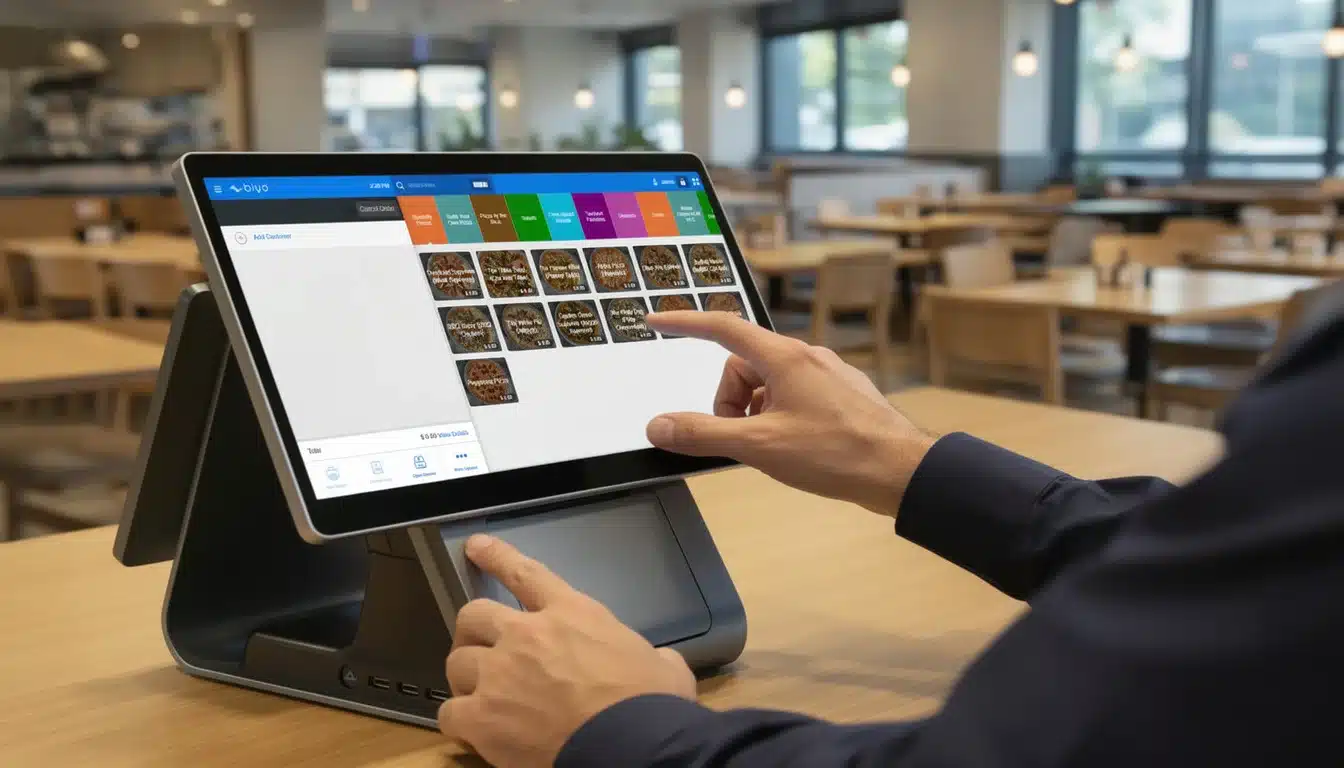
Running an eco-friendly boba cafe requires not just sustainable practices but also efficient operations. That’s where Biyo POS comes in. Biyo POS offers an all-in-one system for point-of-sale, inventory, and customer management. For eco-friendly businesses, efficiency means less waste, better resource management, and more sustainable growth.
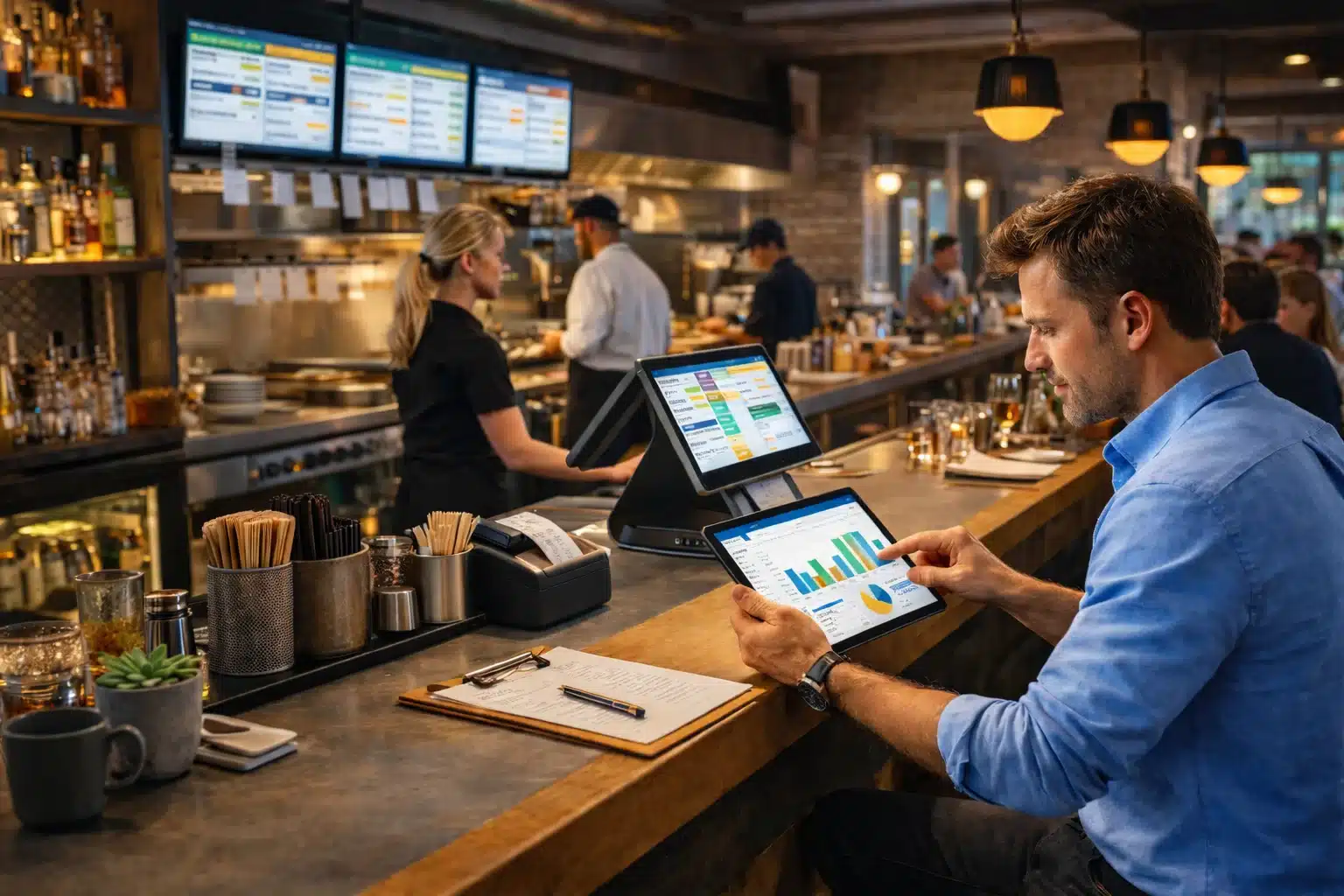
Biyo POS integrates inventory tracking that helps cafes minimize food waste by monitoring ingredient levels in real-time. Its smart analytics allow owners to identify which eco-friendly options are most popular, making it easier to expand sustainable menu items. Energy-efficient operations align with Biyo POS’s cloud-based system, reducing the need for costly and power-hungry servers.
For cafe owners ready to take the next step, sign up here to start building a sustainable business with Biyo POS. It’s not just about transactions—it’s about empowering eco-friendly cafes to thrive while reducing their environmental impact.
FAQ
What makes a boba cafe eco-friendly?
An eco-friendly boba cafe focuses on reducing environmental impact. This includes using biodegradable cups, offering reusable straws, sourcing organic teas, and adopting zero-waste practices. The design, operations, and branding all align with sustainability.
Do eco-friendly boba cafes cost more to run?
While some eco-friendly upgrades may have higher upfront costs, they often save money long term. Energy-efficient equipment, reduced waste, and refill programs lower expenses. Customers are also willing to pay slightly more to support green businesses, balancing out the investment.
Can an eco-friendly boba cafe still be profitable?
Yes, eco-friendly boba cafes can be highly profitable. By attracting eco-conscious customers, building strong brand loyalty, and saving on waste management, these cafes thrive financially while promoting sustainability. Green practices are increasingly seen as smart business strategies.