Boba tea, also known as bubble tea, has quickly become a global favorite. However, the rise in popularity also brings challenges, especially around waste and sustainability. If you’re passionate about starting a tea business that’s both profitable and environmentally conscious, exploring eco-friendly boba shop ideas is the perfect step. By embracing sustainable packaging, energy-efficient practices, and eco-conscious branding, you can serve delicious drinks while protecting the planet. This article provides a detailed guide filled with practical strategies to help you design a successful, green boba tea business.
Table of Contents
- Sustainable Packaging and Plastic-Free Options
- Energy-Efficient Equipment and Operations
- Green Ingredients and Local Sourcing
- Eco-Conscious Branding and Customer Engagement
- Environmentally Friendly Shop Design
- FAQ
Sustainable Packaging and Plastic-Free Options
One of the most pressing concerns for beverage businesses is packaging waste. Eco-friendly boba shop ideas should always begin with reducing plastic usage. Traditional plastic cups, lids, and straws contribute to pollution, but sustainable alternatives are widely available. From compostable materials to reusable programs, there are numerous ways to make your packaging greener and more appealing to eco-conscious customers.
Biodegradable Cups and Compostable Materials
Switching from plastic to biodegradable cups is a simple yet powerful change. These cups are designed to break down naturally, reducing the environmental impact of your shop’s daily operations. Compostable lids and sealing films can also complement these eco-friendly choices. Customers often notice these details, and they appreciate knowing their favorite drink isn’t contributing to long-term waste problems.
For example, cups made from cornstarch-based PLA or sugarcane bagasse are strong enough to hold hot or cold beverages. When disposed of properly, they decompose within a few months. Many green tea shops already use these solutions, positioning themselves as leaders in sustainable beverage business practices. This change is not only environmentally responsible but also a branding opportunity that signals care and quality.
To strengthen your sustainability message, train your staff to explain these packaging benefits to customers. Sharing how each cup reduces the shop’s carbon footprint helps create awareness. It turns every drink into part of a larger eco-conscious mission, which is exactly what eco-friendly drink shops should strive for. The conversation shifts from selling a product to creating positive environmental impact that customers can feel good about.
Reusable Straws and Refill Programs
Reusable straws are one of the most recognized eco-friendly boba shop ideas. Metal, bamboo, and silicone straws have all become popular alternatives to plastic. Offering branded reusable straws can even double as a marketing tool while helping reduce single-use waste. Many environmentally sustainable cafés sell these straws alongside their drinks, creating an additional revenue stream that also builds brand loyalty.
A refill program takes sustainability further. For instance, offering discounts when customers bring their own cups or containers encourages loyalty while cutting costs on disposable supplies. This approach aligns well with zero waste practices and gives regulars a reason to return. Over time, these programs normalize reuse and help your operation reduce ordering frequency for single-use items.
Introducing these changes requires clear communication. Posting signs, training staff, and including details on menus ensures customers know about these options. With gentle prompts at checkout and reminders on social media, customers adapt to a reusable culture. Your boba shop becomes a leader in eco-conscious beverage services and sets a standard that competitors may follow.
Recyclable Materials and Plastic-Free Options
Not all customers will bring reusable cups, so recyclable materials remain essential. Paper straws, recyclable PET cups, and cardboard carriers help minimize waste without sacrificing convenience. You can add clearly labeled bins near the exit to encourage correct sorting. When people see the system, they participate more and contamination rates drop.
Going plastic-free can also set your shop apart. Some boba businesses use glass jars with refundable deposits. Customers return the jars for cleaning and reuse, making the experience interactive and sustainable. This model reduces ongoing purchases of disposables and creates a memorable ritual that customers enjoy.
By combining compostable, reusable, and recyclable solutions, your boba shop creates a packaging system that supports both the environment and your brand identity. These choices prove that eco-friendly boba shop ideas are practical, profitable, and impactful. As more guests seek plastic-free options, your café becomes a go-to destination for guilt-free treats.
Energy-Efficient Equipment and Operations
Beyond packaging, your shop’s daily operations play a huge role in sustainability. Using energy-efficient equipment lowers costs while reducing your carbon footprint. Customers notice these efforts, especially when you communicate them as part of your green business certification goals. Energy savings benefit both the planet and your bottom line, making it an essential aspect of eco-friendly boba shop design.
Solar-Powered Shops and Renewable Energy
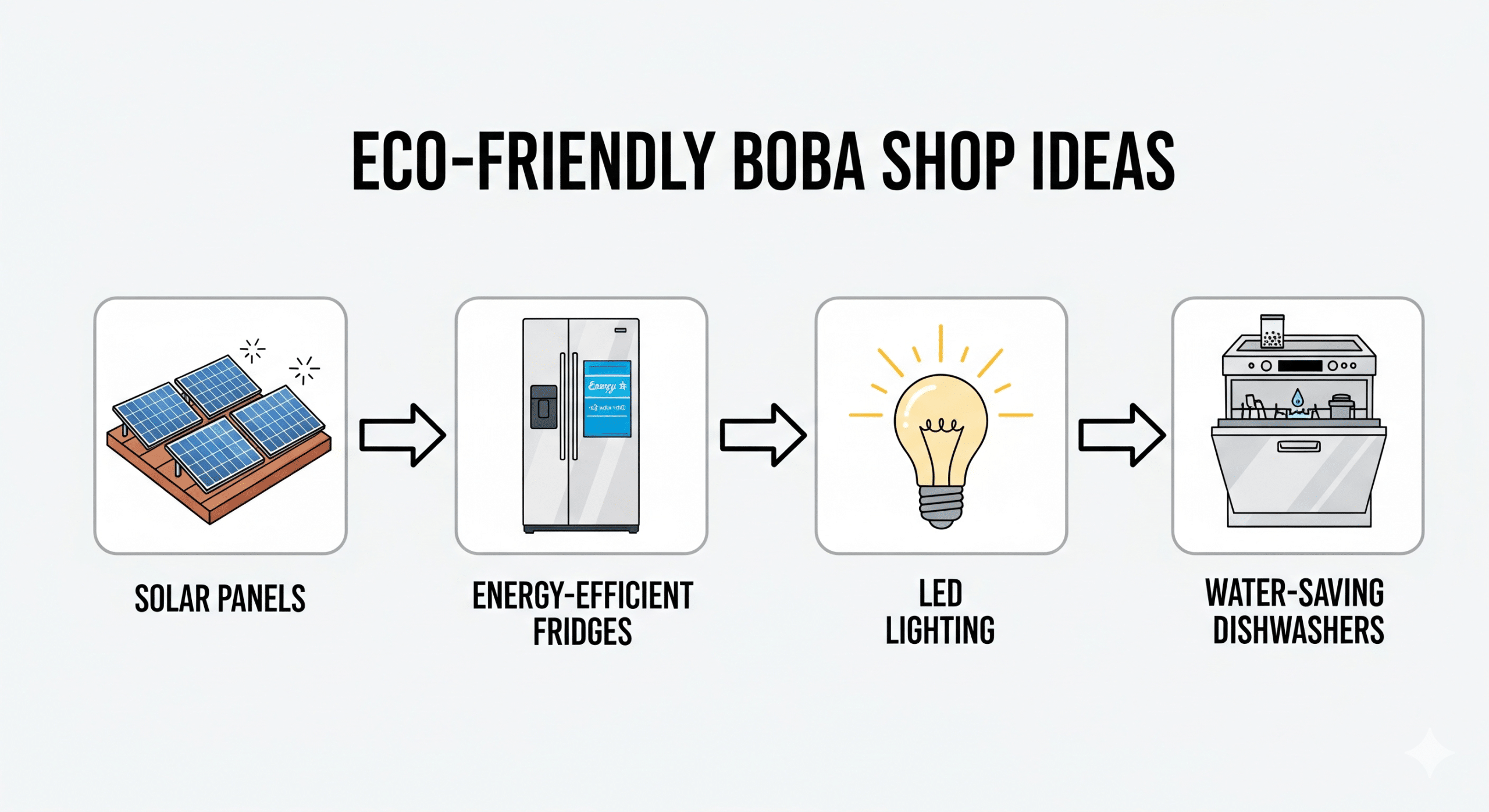
Investing in solar panels transforms your shop into a modern, eco-conscious space. Solar power reduces dependency on traditional electricity and highlights your commitment to cleaner energy. While the upfront investment may seem high, long-term savings and positive PR make it worthwhile for many locations with good sunlight.
Some shops even market their drinks as “solar-powered boba,” turning clean energy into part of their branding. That simple phrase captures attention and helps your store stand out. Guests enjoy knowing their drink comes from a shop that chooses renewables over fossil fuel–heavy grids.
Integrating renewable energy doesn’t stop at panels. You can enroll in community solar, purchase renewable energy credits, or evaluate small-scale wind options where feasible. Each step strengthens your reputation as a pioneer in eco-conscious bubble tea concepts while hedging against future utility rate hikes.
Energy-Efficient Equipment Choices
Choosing energy-efficient refrigerators, freezers, and blenders reduces electricity usage without sacrificing performance. Certified models often include better insulation and smarter compressors. These features cut peak loads and stabilize temperatures, which protects delicate ingredients like fresh fruit and organic teas.
For instance, a high-efficiency freezer not only consumes less electricity but also maintains tighter temperature bands. That stability reduces spoilage and keeps tapioca pearls, jellies, and dairy alternatives at ideal textures. Less waste means fewer emergency deliveries and a calmer prep routine during rushes.
By using energy-efficient equipment, your boba shop shrinks its carbon footprint while aligning with eco-friendly branding. Staff also benefit from quieter, cooler back-of-house spaces. The result is a consistent message that resonates with guests who actively seek sustainable beverage businesses.
Water Conservation and Zero Waste Practices
Water is an essential resource for any café, and conserving it is crucial for eco-friendly boba shops. Install low-flow faucets and aerators at sinks, and choose dishwashers with eco cycles. These small upgrades quickly reduce usage without slowing service or compromising sanitation.
Zero waste practices extend to water use as well. Capture rinse water where permitted for floor cleaning or plant care, and schedule batch washing to limit repeated warm-up cycles. Clear SOPs help the team follow the same routine every shift, which improves consistency and savings.
Conservation strategies also include staff training. Teach employees to shut off taps while scrubbing and to report leaks immediately. When everyone treats conservation as part of the craft, waste shrinks and utility bills follow. Over time, these habits become second nature and reinforce your green culture.
Green Ingredients and Local Sourcing
The drinks themselves are just as important as the packaging or equipment. Sourcing sustainable ingredients elevates your brand and connects customers to healthier, eco-conscious choices. Eco-friendly boba shop ideas shine brightest when plant-based ingredients, organic teas, and fair trade products form the foundation of your menu.
Plant-Based Ingredients for Sustainable Menus
Using plant-based ingredients lowers environmental impact and meets rising demand for dairy-free drinks. Oat, soy, and almond milks create creamy textures that pair well with black, green, and oolong bases. Offering multiple options gives guests easy ways to personalize their drink while staying aligned with your mission.
Beyond milk alternatives, plant-based toppings such as agar pearls, chia, and fruit jellies support sustainable operations. Many of these toppings require fewer resources and avoid animal-derived gelatin. As a result, your menu becomes inclusive for vegan and vegetarian customers without sacrificing flavor or fun.
Promote plant-based choices in signage and on social posts. When customers understand the environmental benefits, they feel good choosing them. Over time, those choices shift demand toward lower-impact ingredients and help your café stand out in a crowded market.
Organic Teas and Fair Trade Options
Organic teas avoid synthetic pesticides and support healthier soil systems. That often translates into cleaner flavors and a smoother cup. Highlight tasting notes and origin stories on your menu so customers can explore varieties with confidence.
Fair trade certification ensures farmers receive fair pay and work in safe conditions. When you source fair trade matcha, black tea, or herbal blends, you support communities at origin. Share supplier profiles on your website and in-store displays to make the impact visible.
Combining organic and fair trade purchases builds a strong ethical foundation. Guests appreciate transparency, and your brand earns trust. In many neighborhoods, that integrity becomes a key reason people choose your shop over others.
Local Sourcing and Carbon Footprint Reduction
Buying from local suppliers reduces transportation emissions and shortens lead times. Fresher fruit and herbs arrive with better aroma and color, which improves drink quality. Shorter routes also mean fewer boxes, less ice-pack waste, and less chance of damaged goods.
Work with nearby farms for seasonal flavors like strawberry, peach, or basil-lime. Rotate specials to match harvest cycles and tell the story on your menu boards. Customers enjoy discovering limited-time drinks that celebrate the region.
When local sourcing pairs with organic and plant-forward recipes, your menu feels both modern and responsible. These efforts make an immediate dent in your carbon footprint and help your café build deep ties with the community.
Eco-Conscious Branding and Customer Engagement
Branding plays a critical role in how customers perceive your shop. Eco-conscious branding ensures your sustainability efforts are visible and memorable. This approach not only attracts eco-aware customers but also encourages loyalty. Engaging customers in your mission turns your café into more than just a place to drink tea—it becomes a community hub for sustainable living.
Eco-Conscious Branding and Storytelling
Storytelling turns operations into meaning. Explain why you switched to biodegradable cups, invested in energy-efficient gear, or joined a refill program. When guests connect with your reasons, they support the mission and share it with friends.
Design choices can reinforce the story. Natural textures, green accents, and gentle typography signal calm and care. Menu icons for “plant-based,” “organic,” and “locally sourced” make eco wins easy to spot during ordering.
Carry the same voice across channels. Keep signage, social posts, and emails consistent and upbeat. When the message stays clear, customers trust it and remember it—which keeps your eco brand top of mind.
Customer Education and Engagement Programs
Education works best when it’s simple and visible. Place small cards near pickup that explain your compostable cups or fair trade teas. Invite customers to scan a QR code for deeper details or a short video from a supplier.
Build engagement into rewards. Offer extra points when guests bring a reusable cup or choose plant-based milk. Host monthly challenges—like a “plastic-free week”—and celebrate participants on your wall or feed.
Community events turn passive support into action. Host a tea-and-learn night with a local farm, or organize a neighborhood cleanup with free drink vouchers. These touchpoints create pride and make customers feel part of something bigger.
Digital Tools and Sustainable Operations
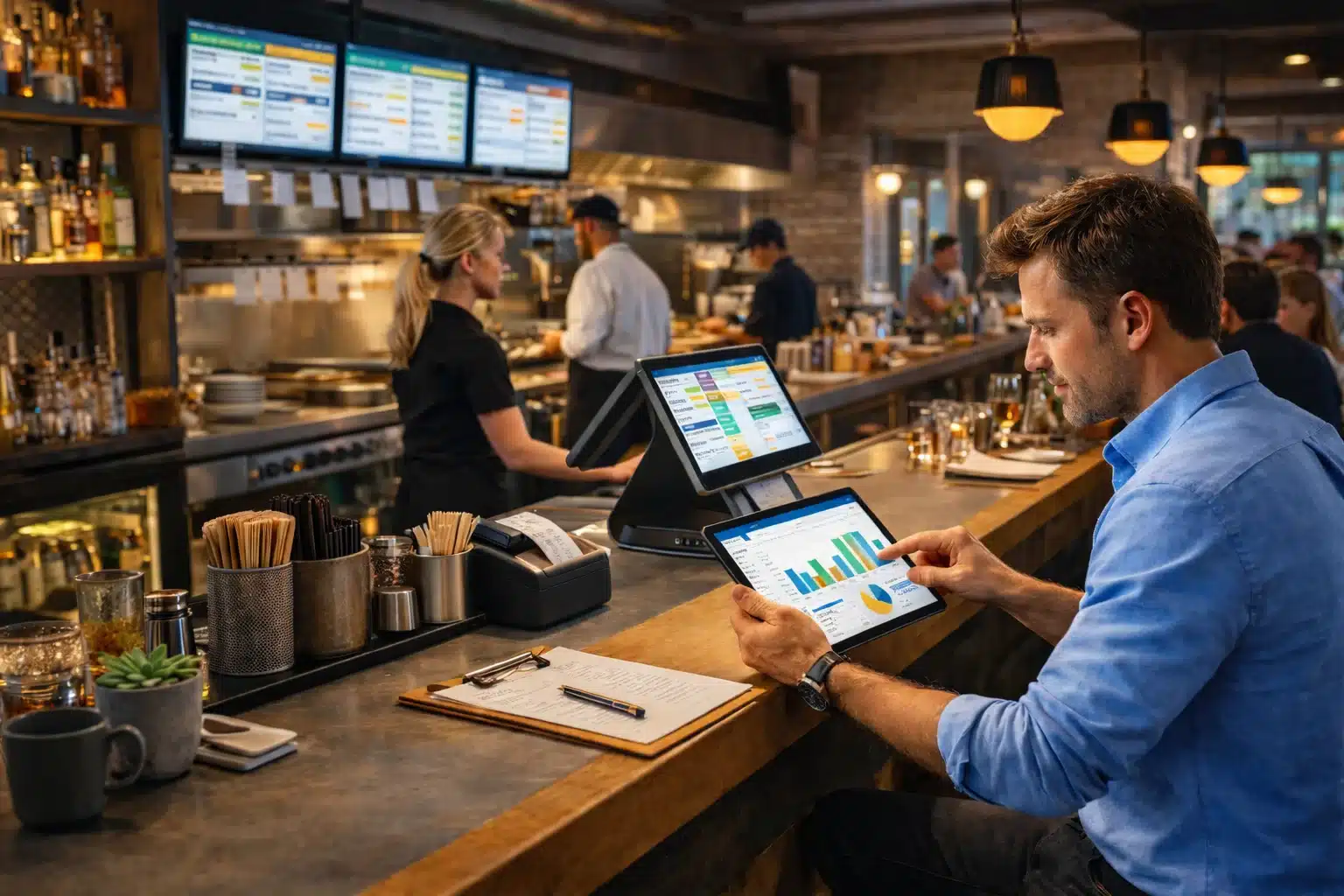
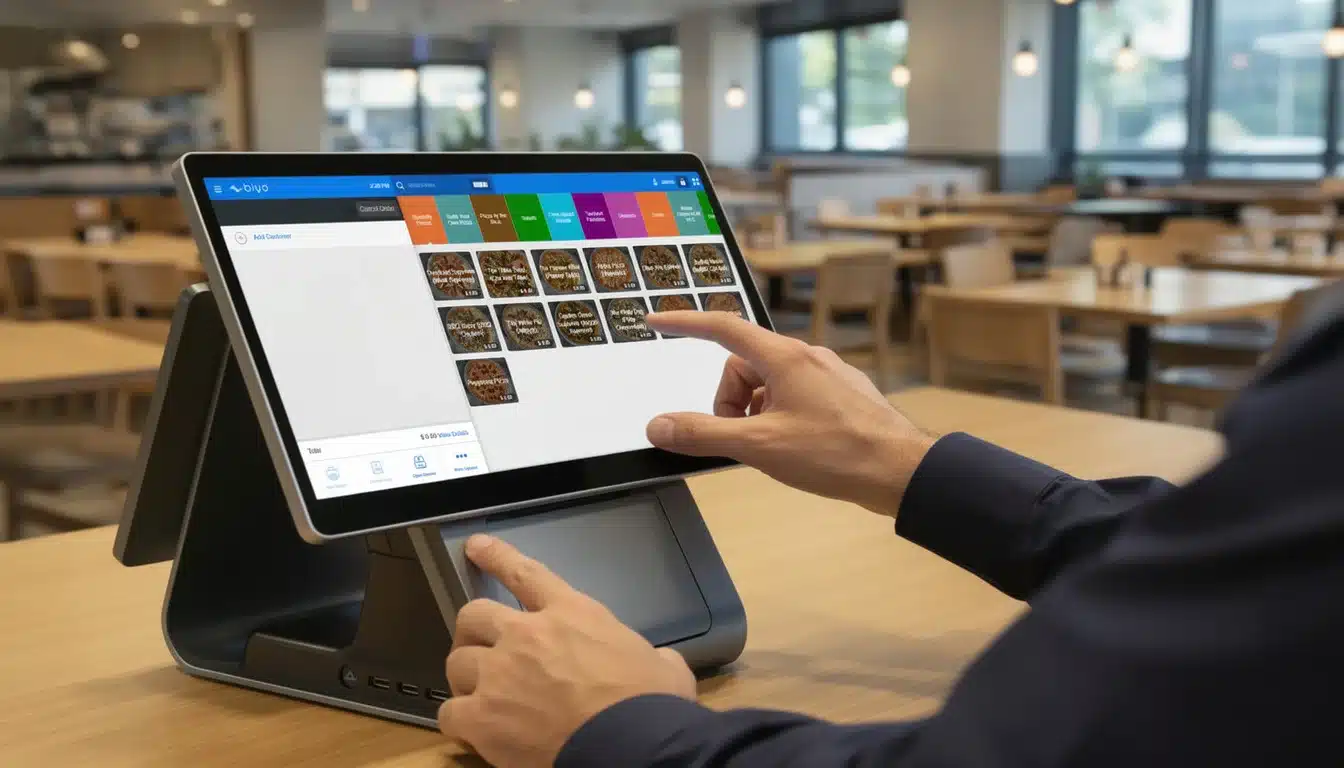
Digital tools reduce waste and speed up service. A point-of-sale like Biyo POS sends e-receipts, manages loyalty without plastic cards, and tracks inventory in real time. Those features cut paper use and prevent over-ordering that leads to spoilage.
Use your POS data to forecast demand and dial in prep volumes. With tighter forecasts, you cook fewer pearls late at night and avoid tossing leftovers. Better planning saves money and supports zero waste goals at the same time.
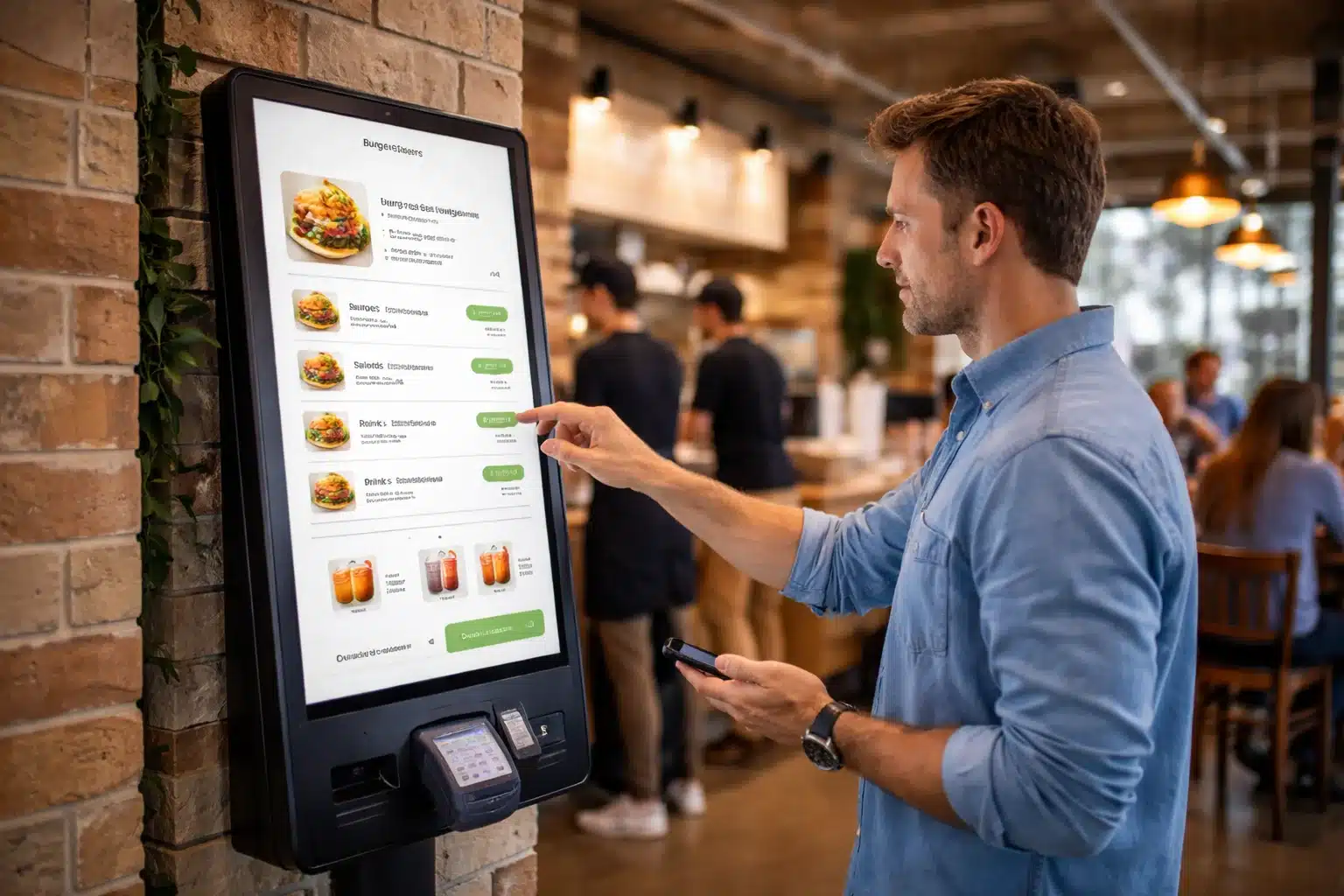
Digital menus and QR ordering also help. You can run A/B tests on eco messages, spotlight seasonal local flavors, and promote refill discounts. When guests see clear cues on their phones, adoption of green choices rises quickly.
Environmentally Friendly Shop Design
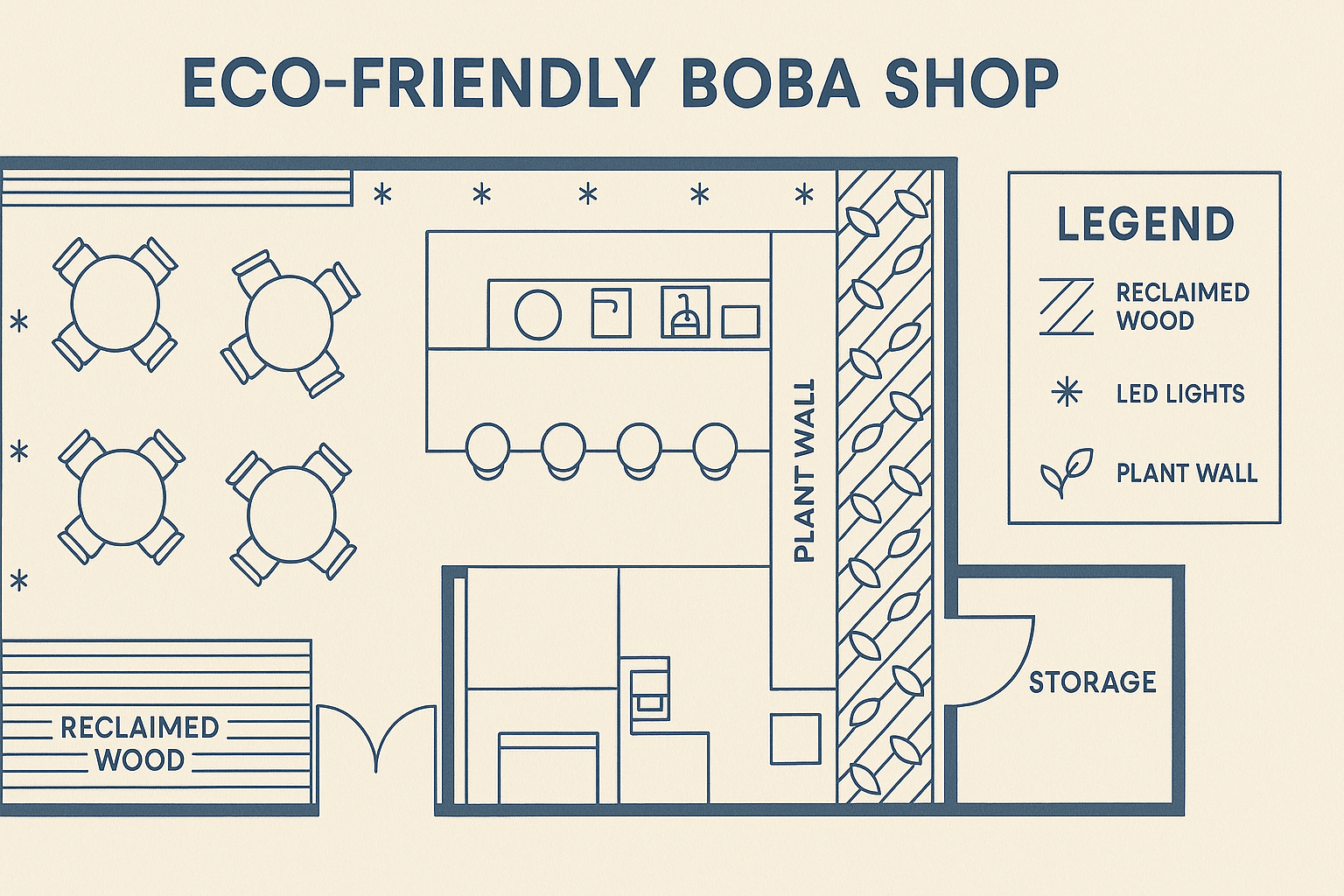
The design of your shop should reflect your eco-conscious mission. From furniture materials to lighting choices, every detail can support environmentally friendly design principles. Customers feel the difference when they walk into a space designed with sustainability in mind, and this impression becomes a key part of your brand identity.
Sustainable Materials and Eco-Friendly Furniture
Choose durable pieces made from reclaimed wood, bamboo, cork, or recycled metals. These materials look warm and modern while keeping new extraction to a minimum. Include care labels so guests can learn about the origin and lifecycle of your furniture.
Opt for finishes with low or zero VOCs to maintain healthy indoor air. Safer paints and sealants protect staff and customers during long shifts and busy weekends. Healthier air pairs well with plant-forward menus and completes the wellness story.
Even small touches matter. Recycled-paper table tents, compostable sample cups, and cloth towels for bar wiping reinforce your standards. When every detail points in the same direction, the design itself tells your sustainability story.
Energy-Efficient Lighting and Fixtures
Swap legacy bulbs for LEDs to cut consumption right away. Smart dimmers and occupancy sensors lower use during slow periods and after close. These changes pay back quickly and require little behavior change from the team.
Invite daylight in with larger windows or skylights where possible. Lighter interior colors and reflective surfaces help bounce natural light deeper into the room. Guests enjoy the bright, relaxed feel, and your meters spin slower during peak sun.
Plan maintenance on a schedule to keep fixtures clean and efficient. Dusty lenses and vents waste power and create heat. With regular care, your lighting stays efficient and your shop remains comfortable year-round.
Green Spaces and Indoor Plants
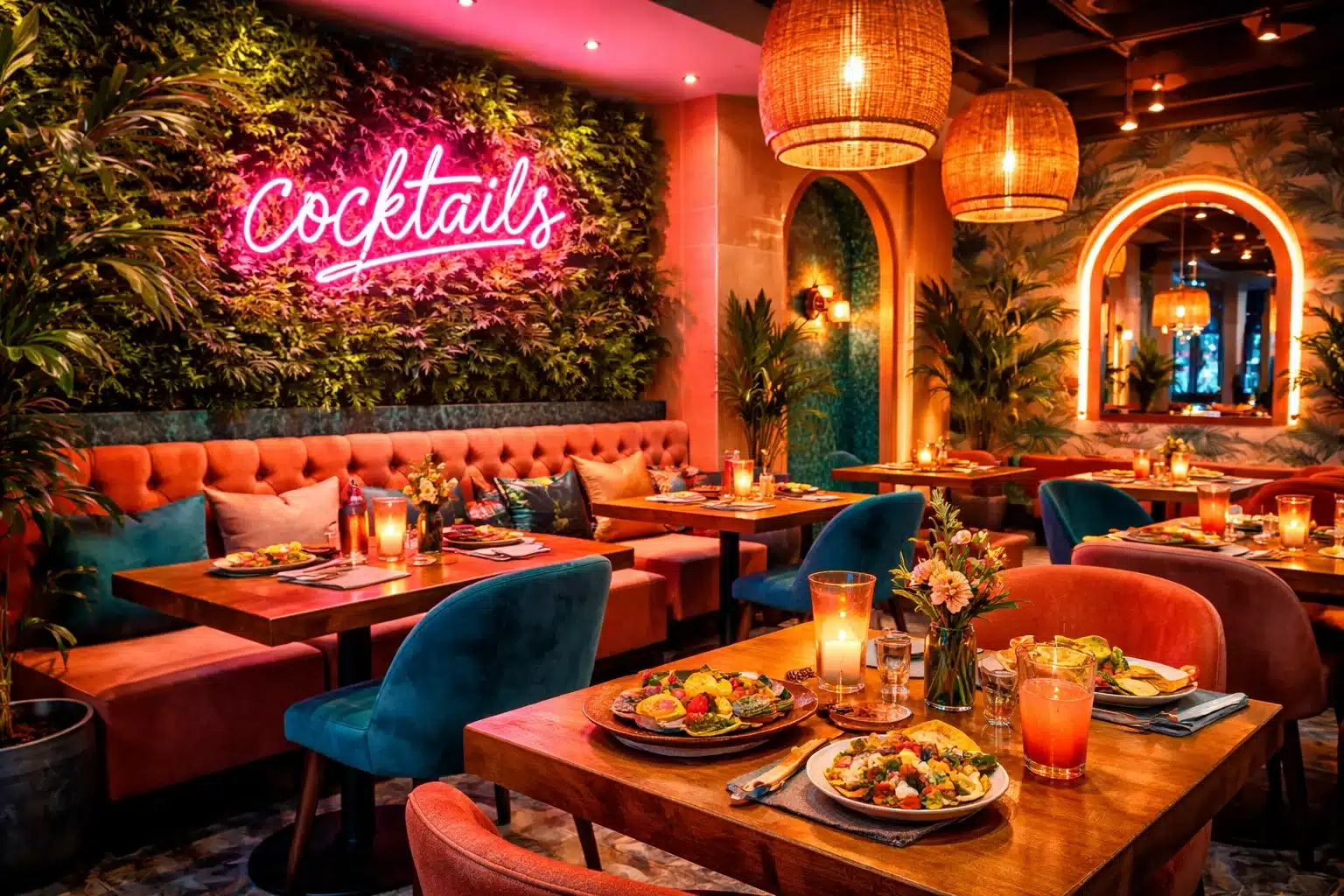
Plants soften hard surfaces and introduce calm. Place larger statement plants near windows and smaller varieties along the bar or pickup shelf. The greenery photographs well, which encourages guests to share their visit online.
Choose low-maintenance species that thrive indoors, such as pothos, snake plant, or ZZ plant. These options tolerate lower light and infrequent watering, which keeps upkeep simple for busy teams. Self-watering planters help new shops manage consistency.
Create a tiny herb corner if space allows. Mint, basil, and lemon balm can inspire rotating specials and garnish drinks. That living connection to ingredients underscores your eco values and delights curious customers.
Why Choose Biyo POS for Your Eco-Friendly Boba Shop?
Running an eco-conscious café requires the right tools. Biyo POS offers features that align with sustainable operations. From digital receipts that reduce paper waste to real-time inventory tracking that minimizes overstock, it’s built for green businesses. Biyo POS also integrates smoothly with loyalty programs and refill initiatives, helping you engage eco-conscious customers more effectively. Ready to grow your eco-friendly boba shop with smart technology? Sign up today and bring sustainability to every sale.
FAQ
What makes a boba shop eco-friendly?
An eco-friendly boba shop focuses on sustainable packaging, green ingredients, energy-efficient equipment, and eco-conscious branding. These elements work together to reduce environmental impact while creating a memorable customer experience.
How can packaging become more sustainable in a boba shop?
Packaging can be improved with biodegradable cups, compostable lids, reusable straws, and recyclable materials. Offering refill programs and deposit systems also helps reduce single-use waste significantly.
Why is local sourcing important for eco-friendly shops?
Local sourcing reduces transportation emissions, supports community farmers, and ensures fresher ingredients. It strengthens your shop’s sustainability while improving the taste and quality of your drinks.
Does eco-friendly equipment cost more?
Energy-efficient equipment may have higher upfront costs but saves money long term through lower utility bills and reduced maintenance. These savings quickly outweigh the initial investment, making them smart and sustainable choices.
How can customers be encouraged to support eco-friendly practices?
Customers can be engaged with discounts for reusable cups, educational signage, and loyalty rewards tied to sustainable actions. Clear communication and interactive programs help customers feel part of your eco-conscious mission.