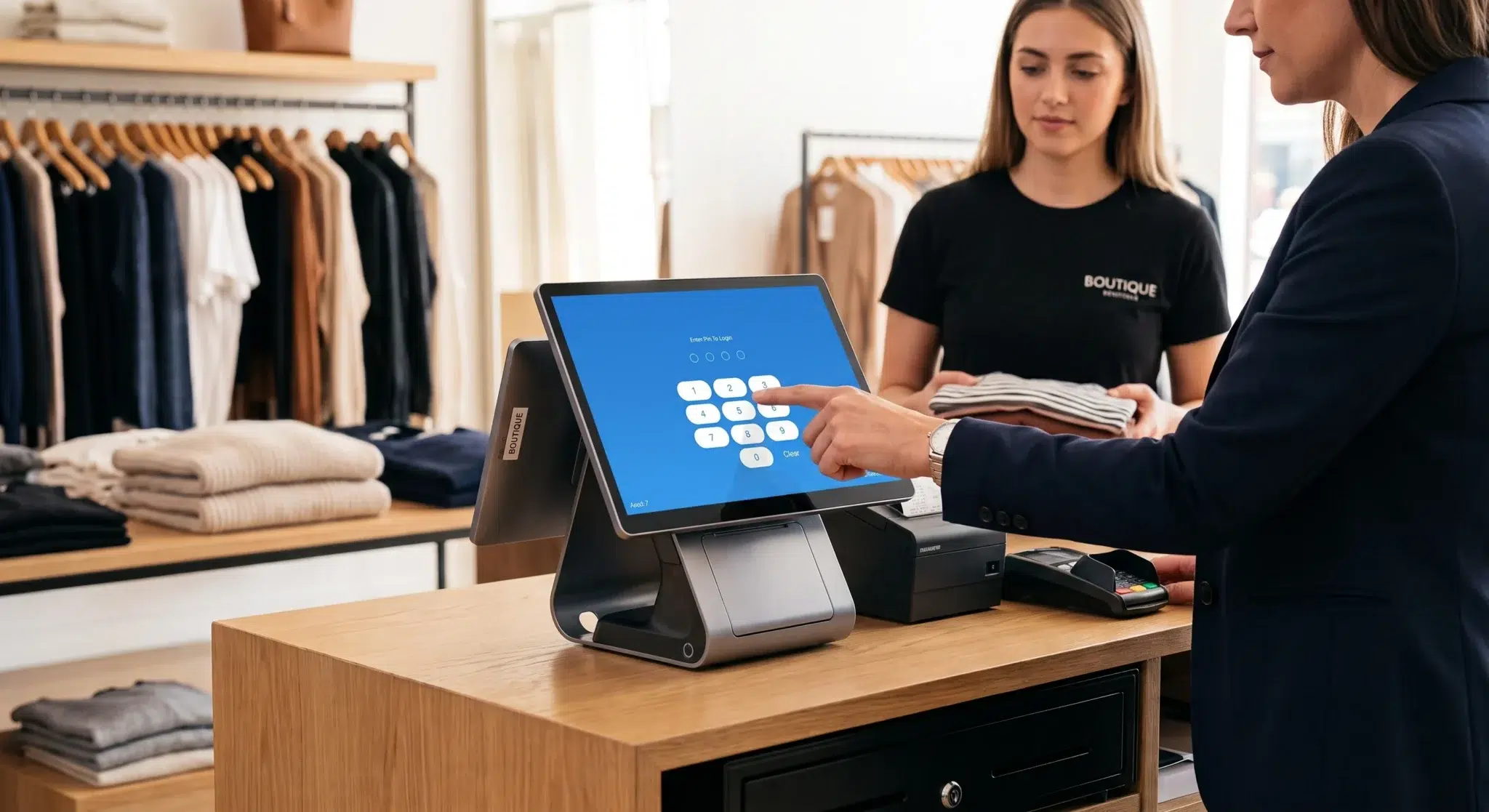
Preventing retail theft is not about turning stores into intimidating environments filled with barriers and suspicion. The most effective retailers create spaces that feel welcoming to honest customers while quietly discouraging theft through smart design, trained employees, and modern technology.
Retail theft continues to be one of the largest causes of inventory shrinkage for businesses of every size. From small convenience stores and clothing boutiques to national retail chains, theft-related losses reduce profitability, disrupt operations, and create additional stress for employees and management teams.
Industry studies estimate that many retailers lose between $500 and $2,500 per month due to theft and inventory shrinkage. In larger stores, organized retail crime can push losses significantly higher. Beyond direct financial damage, theft also impacts employee morale, customer trust, and operational efficiency.
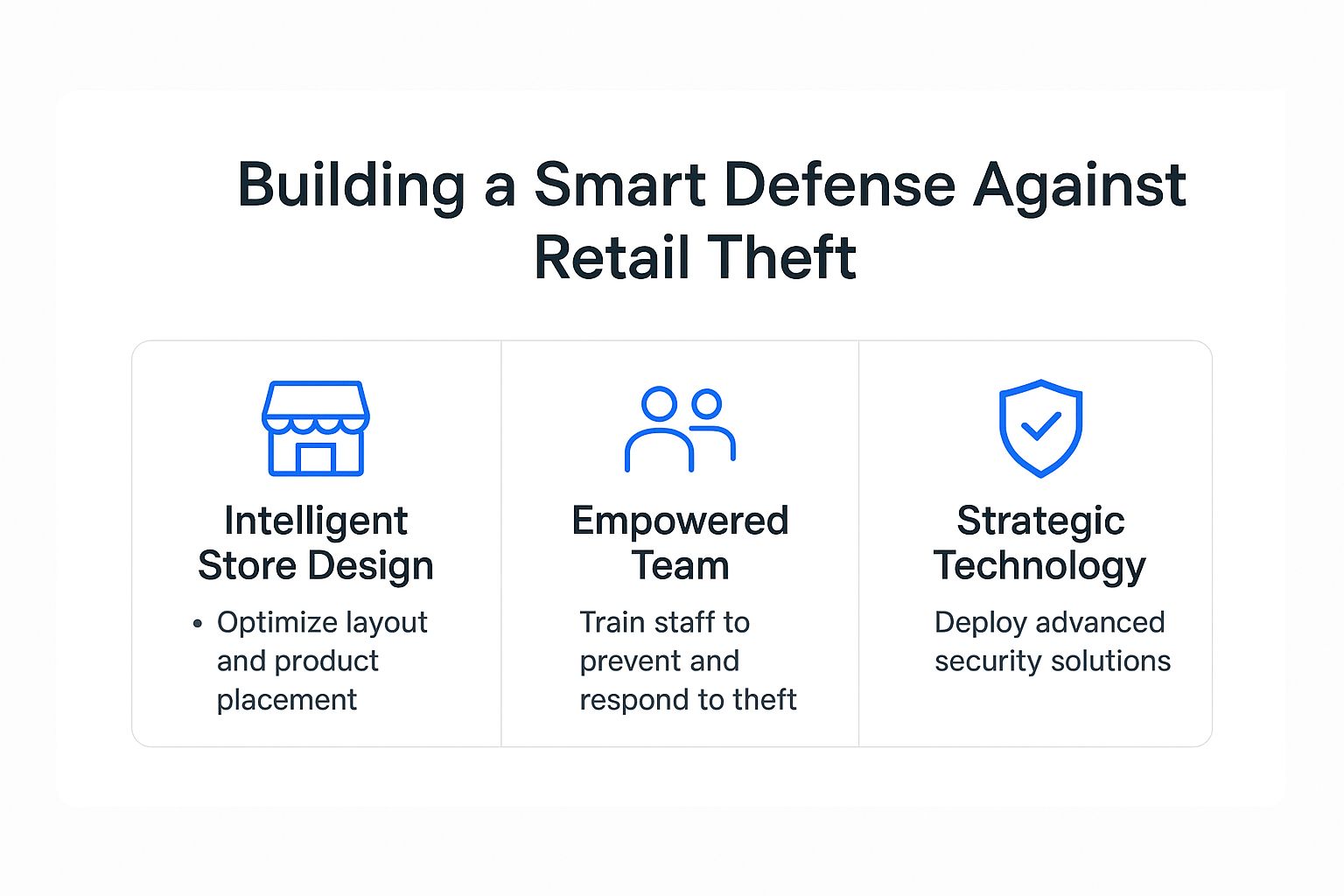
Successful retail theft prevention relies on a layered strategy that combines store layout optimization, proactive customer service, employee awareness, transaction monitoring, and security technology. Retailers that integrate these elements effectively can significantly reduce losses without creating a negative shopping experience.
Table of Contents
- Understanding Modern Retail Theft
- Using Store Layout as a Theft Prevention Tool
- How Employees Help Prevent Retail Theft
- Technology and Retail Theft Prevention
- Securing the Checkout and POS Area
- Inventory Tracking and Shrinkage Reduction
- Understanding Organized Retail Crime (ORC)
- Balancing Security and Customer Experience
- How Biyo POS Helps Retailers Reduce Theft
- Frequently Asked Questions
Understanding Modern Retail Theft
Retail theft has evolved significantly over the last decade. While opportunistic shoplifting still occurs frequently, retailers are increasingly facing sophisticated theft operations involving organized groups, fraudulent returns, internal theft, and coordinated inventory fraud.
Retail shrinkage generally includes several major categories:
- Shoplifting by customers
- Employee theft
- Fraudulent returns and refund abuse
- Administrative and inventory errors
- Organized retail crime operations
Retailers must understand these different forms of theft because each requires different prevention strategies and operational controls.
Opportunistic Shoplifting
Opportunistic shoplifting usually involves individuals stealing items impulsively when they believe employees are distracted or visibility is low. These incidents commonly target small, high-value products that can be concealed easily.
Examples include:
- Cosmetics
- Electronics accessories
- Alcohol
- Designer clothing
- Health and beauty products
These thefts often occur in poorly monitored areas or during busy shopping periods when employees are focused on customer service and checkout operations.
Organized Retail Crime (ORC)
Organized retail crime involves coordinated theft groups stealing large quantities of merchandise for resale through online marketplaces, flea markets, or unauthorized distribution networks.
Unlike impulsive shoplifting, ORC groups operate strategically and often target multiple stores across different regions. Many organized theft operations specifically focus on high-demand products that are easy to resell quickly.
Law enforcement agencies across the United States have increasingly prioritized ORC investigations because these theft networks often involve broader criminal activity and substantial financial losses.
Employee Theft and Internal Fraud
Internal theft remains one of the most difficult forms of retail shrinkage to detect because employees already have authorized access to inventory, cash drawers, and transaction systems.
Internal theft may involve:
- Unauthorized discounts
- Refund fraud
- Cash skimming
- Inventory manipulation
- Collusion with external thieves
Strong operational controls, POS monitoring, and inventory audits are essential for reducing internal theft risks.
Using Store Layout as a Theft Prevention Tool
Store design is one of the most effective yet overlooked retail theft prevention strategies. A well-designed store naturally increases visibility, improves employee awareness, and discourages suspicious activity.

Improving Visibility and Eliminating Blind Spots
Blind spots create opportunities for theft because suspicious activity becomes difficult for employees to observe. Tall shelving, cluttered displays, dark corners, and obstructed aisles all reduce visibility inside the store.
Retailers commonly improve visibility by:
- Using lower shelving heights
- Installing convex security mirrors
- Improving lighting throughout the store
- Reducing cluttered product displays
- Creating open floor layouts
High-risk areas such as fitting rooms, isolated aisles, and rear corners should receive additional visibility and employee monitoring.
Strategic Product Placement
Product placement directly influences theft risk. Expensive or frequently stolen items should remain within visible, high-traffic areas near checkout stations or employee workspaces.
Retailers often use:
- Locked display cases
- Security tethers
- Controlled-access cabinets
- Electronic security tags
These measures help protect high-value products while still allowing customers to browse comfortably.
Organized Shelving and Inventory Visibility
Organized displays make missing inventory easier to detect quickly. Employees can identify unusual gaps or suspicious product movement more efficiently when shelves remain clean, structured, and consistently stocked.
Stores with chaotic inventory layouts often struggle to identify shrinkage until much later, increasing overall theft losses.
How Employees Help Prevent Retail Theft
Employees remain one of the strongest deterrents against retail theft. Active customer service, situational awareness, and proper training significantly reduce theft opportunities without creating confrontational environments.

Customer Engagement as a Theft Deterrent
Simple customer interaction discourages many forms of shoplifting. Greeting customers, offering assistance, and maintaining visible employee presence signals awareness and accountability throughout the store.
Most shoplifters prefer environments where they can avoid attention entirely. Active customer service disrupts this anonymity while improving the experience for legitimate shoppers.
Recognizing Suspicious Behavior
Retail theft prevention training should focus on suspicious behaviors rather than personal profiling.
Common warning signs may include:
- Avoiding employee interaction
- Repeatedly scanning the environment
- Carrying oversized empty bags
- Frequently entering blind spots
- Closely watching employees instead of products
Employees trained to observe these behaviors can respond naturally by offering assistance or increasing visibility without escalating situations unnecessarily.
Internal Theft Awareness and Accountability
Retailers should also establish clear procedures that reduce opportunities for internal theft.
Common internal controls include:
- Manager approval for refunds
- Restricted access permissions
- Cash drawer audits
- Shift accountability tracking
- POS transaction monitoring
Strong accountability systems protect both the business and honest employees.
Technology and Retail Theft Prevention
Modern retail security technology provides powerful tools for monitoring transactions, tracking inventory, and identifying suspicious activity patterns.
AI-Powered Surveillance Systems
Modern surveillance systems now include artificial intelligence capabilities that analyze customer movement, monitor suspicious behavior, and detect unusual activity patterns automatically.
AI-based systems may identify:
- Loitering near high-value merchandise
- Rapid shelf clearing activity
- Suspicious movement patterns
- Repeated visits by known offenders
These tools allow retailers to respond proactively before theft occurs.
Electronic Article Surveillance (EAS)
Electronic Article Surveillance systems remain one of the most widely used retail theft prevention technologies.
EAS systems typically include:
- Security tags attached to merchandise
- Exit detection sensors
- Tag deactivation equipment
When tagged products leave the store without proper deactivation, alarms notify employees immediately.
POS Monitoring and Transaction Analytics
Point-of-sale systems provide valuable visibility into transaction behavior and employee activity.
Retailers can monitor for:
- Frequent refunds
- Excessive discounts
- Suspicious void activity
- Manual price overrides
- Unusual transaction timing
Advanced analytics help managers identify suspicious patterns early before losses become significant.
Securing the Checkout and POS Area
The checkout area serves as the final opportunity to detect theft before merchandise exits the store.

Managing Self-Checkout Risks
Self-checkout systems improve convenience but also introduce new theft risks such as item switching, barcode manipulation, and skipped scans.
Retailers commonly reduce self-checkout theft by:
- Limiting item quantities
- Assigning employees to monitor lanes
- Using AI-based weight verification systems
- Installing overhead surveillance cameras
Strengthening Traditional Checkout Procedures
Traditional checkout lanes also require operational safeguards.
Best practices include:
- Manager approval for large refunds
- Receipt verification procedures
- Cash drawer balancing
- Regular transaction audits
These procedures reduce both external theft and internal fraud opportunities.
Inventory Tracking and Shrinkage Reduction
Accurate inventory management is essential for identifying theft quickly and minimizing long-term losses.
Retailers using real-time inventory systems can detect shrinkage earlier by comparing sales activity against inventory movement continuously.
Important inventory control practices include:
- Cycle counting
- Regular physical inventory audits
- Automated low-stock alerts
- Supplier verification procedures
- Inventory reconciliation reports
Businesses using modern inventory management systems often reduce inventory discrepancies significantly compared to retailers relying on manual tracking methods.
Understanding Organized Retail Crime (ORC)
Organized retail crime has become increasingly sophisticated due to online resale marketplaces and coordinated theft operations.
ORC groups often target:
- Designer clothing
- Health and beauty products
- Electronics
- Luxury accessories
- Over-the-counter medications
Retailers combating ORC frequently collaborate with:
- Law enforcement agencies
- Retail crime databases
- Regional retail associations
- Surveillance sharing programs
Coordinated reporting and information sharing help retailers identify repeat offenders and larger theft patterns across multiple stores.
Balancing Security and Customer Experience
Retail theft prevention should never create a hostile shopping environment. Excessively aggressive security measures can damage customer trust and discourage legitimate shoppers from returning.
The most effective retailers integrate security subtly into normal operations while maintaining welcoming customer experiences.
Examples include:
- Friendly employee interaction
- Clean and organized store layouts
- Discreet surveillance systems
- Efficient checkout procedures
- Visible but non-intrusive security presence
When security feels natural and professional rather than confrontational, customers remain comfortable while theft risks decrease significantly.
How Biyo POS Helps Retailers Reduce Theft
Modern retail security increasingly depends on accurate transaction monitoring and real-time inventory visibility. Biyo POS helps retailers strengthen theft prevention strategies by combining inventory tracking, transaction analytics, and operational reporting into one centralized platform.
The system allows businesses to monitor suspicious refunds, unusual discounts, excessive void activity, and inventory discrepancies in real time. Retailers can additionally track stock movement across locations while improving inventory accountability.
Biyo POS also provides detailed reporting tools that help businesses identify shrinkage trends early before losses escalate into larger operational problems.
Retailers interested in improving operational visibility and reducing theft-related losses can create a Biyo POS account or explore the platform further by scheduling a live demo with the Biyo team.
Frequently Asked Questions
What is the most effective retail theft prevention strategy?
The most effective strategy combines store visibility, employee awareness, inventory tracking, customer engagement, and modern security technology.
How can retailers prevent theft without making customers uncomfortable?
Retailers can maintain positive customer experiences by using subtle security systems, friendly customer service, organized store layouts, and professional employee interaction.
What are common signs of employee theft?
Warning signs may include excessive refunds, unusual discounts, missing inventory, frequent voided transactions, and refusal to follow oversight procedures.
How does store layout affect theft prevention?
Open layouts, bright lighting, organized shelving, and reduced blind spots improve visibility and discourage shoplifting behavior.
What is organized retail crime?
Organized retail crime involves coordinated groups stealing large quantities of merchandise for resale through online marketplaces or unauthorized distribution channels.
How do POS systems help reduce theft?
POS systems help identify suspicious transaction patterns, monitor employee activity, track inventory movement, and detect operational irregularities.
Are self-checkout systems vulnerable to theft?
Yes. Self-checkout systems can increase theft risk if not monitored properly. Retailers often reduce risk through employee supervision, AI verification systems, and transaction limits.