In recent years, the food industry has been witnessing a massive shift towards delivery-centric models. One of the most innovative and transformative concepts to emerge is the ghost kitchen. Often referred to as a virtual kitchen or cloud kitchen, ghost kitchens are revolutionizing the way restaurants operate and deliver food to consumers. With the rise of online food delivery services and third-party delivery platforms, ghost kitchens have become the go-to option for many entrepreneurs looking to enter the food industry without the high overhead costs associated with traditional brick-and-mortar restaurants. In this article, we’ll explore everything you need to know about ghost kitchens, including their benefits, trends, and how they fit into the future of food delivery.
Table of Contents
- What Are Ghost Kitchens?
- How Do Ghost Kitchens Work?
- Benefits of Ghost Kitchens
- Ghost Kitchen Trends
- Virtual Restaurant Marketing
- FAQ
What Are Ghost Kitchens?
Ghost kitchens, also known as virtual kitchens or cloud kitchens, are commercial kitchen spaces that operate exclusively for food delivery. Unlike traditional restaurants, these kitchens do not have a physical dining area for customers to eat at. Instead, ghost kitchens are designed to prepare food specifically for online orders, often using third-party delivery platforms such as Uber Eats, DoorDash, and Grubhub. This model has gained traction due to its cost-effectiveness and ability to cater to the growing demand for quick, convenient food delivery.
What Makes a Ghost Kitchen Different?
At first glance, ghost kitchens might seem like any other food establishment, but their primary distinction lies in their delivery-first approach. Unlike traditional restaurants, ghost kitchens eliminate the need for physical storefronts and dining spaces, allowing them to operate more efficiently and reduce overhead costs. They also allow for more flexible menu offerings, as operators can quickly pivot and experiment with different cuisines or virtual brands without the risk associated with a traditional restaurant setup.
Another key difference is that ghost kitchens often operate from shared commercial kitchen spaces. These kitchens are equipped with the necessary tools and facilities to prepare large volumes of food efficiently. By utilizing a shared space, multiple brands or virtual kitchens can operate in a single location, maximizing resources and cutting down costs.
Moreover, the rise of ghost kitchens has led to the growth of a new business model known as “kitchen-as-a-service.” This concept allows restaurant owners and entrepreneurs to rent kitchen space on a flexible, as-needed basis, which is perfect for those looking to enter the food delivery space without investing in a full-scale kitchen setup.
Ghost Kitchens vs. Traditional Restaurants
Traditional restaurants focus on providing an in-person dining experience for customers, which involves maintaining a physical location, hiring servers, and offering ambiance to attract foot traffic. While these models have been successful for decades, the ghost kitchen concept represents a major departure from this norm. The ghost kitchen model eliminates the need for physical dining spaces, allowing businesses to focus solely on preparing and delivering food.
Traditional restaurants, on the other hand, must maintain a much larger operational structure, including front-of-house staff, a dining area, and potentially larger kitchen spaces. This setup comes with higher rent and utility costs. In contrast, ghost kitchens are often located in industrial areas with lower rent, and operators don’t have to worry about creating a restaurant ambiance. Their focus is entirely on efficient food production and delivery.
Additionally, ghost kitchens can take advantage of the booming demand for online food delivery. With the increasing popularity of food delivery apps and third-party platforms, ghost kitchens can cater to a wide range of customers without relying on walk-in traffic. In contrast, traditional restaurants are often limited by their location and the need for customers to dine on-site.
The Virtual Brand Advantage
One of the main advantages of ghost kitchens is their ability to run multiple virtual brands from the same kitchen space. A virtual brand is a restaurant concept that operates exclusively online without a physical storefront. For instance, a single ghost kitchen can simultaneously operate a pizza brand, a burger brand, and even an Asian cuisine brand, all under one roof.
This virtual brand advantage allows businesses to test different food concepts without the risk of committing to a full-scale restaurant. Operators can experiment with menus, optimize their offerings based on customer feedback, and pivot quickly if something isn’t working. This flexibility is especially valuable in an industry where consumer preferences can change rapidly.

How Do Ghost Kitchens Work?
Ghost kitchens operate on a relatively simple premise: they provide the space and tools needed for food preparation, but everything else is managed through online platforms. The process starts when customers place orders through third-party delivery apps. These platforms serve as the primary sales channel for ghost kitchens, which may not have their own branded apps or websites. Once an order is placed, the kitchen prepares the food, which is then picked up by a delivery driver and sent directly to the customer’s location.
Virtual Kitchens and Multi-Brand Kitchens
One of the unique aspects of ghost kitchens is the ability to operate multiple virtual brands under a single roof. This concept is known as a multi-brand kitchen, where different menus are offered from the same kitchen space. For example, one kitchen may prepare pizzas for one virtual restaurant, burgers for another, and Asian cuisine for yet another. This allows operators to cater to diverse customer tastes while maximizing kitchen efficiency.
By operating multiple virtual kitchens from the same location, businesses can test new concepts without incurring the high costs of opening separate physical locations. For instance, an entrepreneur could launch a new food brand with minimal investment and risk, simply by renting kitchen space and leveraging the power of third-party delivery platforms.
Virtual kitchens also allow for more flexible menu engineering. Kitchens can quickly tweak their offerings to match customer preferences, seasonal trends, or delivery demands without worrying about an in-person dining experience. This adaptability makes ghost kitchens a powerful tool in the fast-moving world of online food delivery.
The Delivery-Only Restaurant Model
At the heart of the ghost kitchen model is the delivery-only restaurant. These types of restaurants operate without a storefront and rely exclusively on food delivery services. The key to their success is the rapid rise of online food delivery platforms, which have become a staple in the lives of many consumers.
The delivery-only model also benefits from faster service and better logistical coordination. Ghost kitchens often focus on delivery-centric menus, meaning that their dishes are optimized for transportation. This ensures that the food arrives at the customer’s door in the best possible condition.
Since ghost kitchens do not need to worry about traditional restaurant costs—such as seating areas, wait staff, and in-person marketing—they can operate with a leaner budget and offer food at competitive prices. This model works particularly well for high-demand, easily-deliverable meals like pizza, burgers, and Asian food, but it can also be adapted for more niche markets.
Operating Efficiently with Technology
Technology is a vital part of how ghost kitchens operate. From order management systems to inventory tracking, the integration of technology ensures that everything runs smoothly. Many ghost kitchens use advanced kitchen management software to handle incoming orders, optimize food preparation, and ensure timely deliveries.
Additionally, technology also helps ghost kitchens keep track of customer preferences. By integrating customer data from third-party delivery apps, kitchens can tailor their offerings and improve customer satisfaction. With the aid of technology, ghost kitchens can streamline operations and maintain a competitive edge in the fast-paced food delivery market.
Benefits of Ghost Kitchens
Ghost kitchens offer a range of benefits to restaurant owners, entrepreneurs, and consumers alike. The biggest advantage for restaurant operators is the significant cost savings associated with not having to rent or maintain a physical storefront. Without the need for front-of-house staff or a dining area, ghost kitchen operators can focus their resources on food quality and delivery logistics.
Cost Savings and Flexibility
One of the main reasons ghost kitchens have gained popularity is their cost-effectiveness. Traditional restaurants require significant upfront investments in real estate, renovations, and equipment. In contrast, ghost kitchens can operate from existing commercial kitchen spaces, eliminating the need for expensive real estate or furnishings. This allows operators to allocate their budget toward food quality, marketing, and technology—key components for success in the digital food service industry.
Additionally, ghost kitchens provide flexibility for operators. They allow businesses to experiment with new concepts, test different menus, and adjust quickly to changing market conditions. With fewer overhead costs, operators can afford to take risks and adapt more rapidly than traditional restaurant owners.
For consumers, ghost kitchens provide greater access to a variety of cuisines and faster delivery times. Because these kitchens are optimized for food production and delivery, orders are often processed and delivered much quicker than at traditional restaurants. The focus on delivery-centric menus means customers can enjoy fresh, high-quality food without leaving their homes.
Access to Third-Party Delivery Platforms
Another major benefit of ghost kitchens is the ability to tap into established third-party delivery platforms like Uber Eats, Grubhub, and DoorDash. These platforms already have a large customer base, which allows ghost kitchens to reach a broad audience without the need for heavy marketing investments. By partnering with these platforms, ghost kitchens can access a steady stream of customers and streamline the delivery process.
Additionally, many third-party delivery platforms provide tools for restaurant operators to optimize their menus, manage orders, and track performance. This support helps ghost kitchens run smoothly and efficiently, with minimal operational complexity.
Adapting to Consumer Preferences
Ghost kitchens are designed to respond quickly to consumer demand. Because they focus on online orders and delivery, they are more flexible than traditional restaurants. Operators can adjust their menus based on consumer feedback or seasonal trends. If a dish becomes popular, a ghost kitchen can double down on it, optimizing production to meet demand.
This ability to adapt rapidly is an advantage in an industry where consumer tastes can shift overnight. Ghost kitchens can capitalize on new food trends or niche markets without the significant investment required by brick-and-mortar restaurants.
Ghost Kitchen Trends
The ghost kitchen industry is rapidly evolving, with new trends emerging to cater to the growing demand for digital food services. These trends reflect the increasing importance of speed, technology, and consumer preferences in the food delivery landscape.
Kitchen Automation and Technology
One of the most exciting trends in the ghost kitchen space is the integration of kitchen automation and advanced technology. Automation can help streamline food preparation, reduce human error, and increase the efficiency of kitchen operations. For instance, automated cooking equipment and robotics can prepare meals more quickly, allowing for faster turnaround times and improved consistency.
Additionally, many ghost kitchens are adopting digital ordering systems that integrate with third-party delivery platforms and kitchen management software. These systems help kitchen operators manage orders, track inventory, and optimize production schedules in real-time.
Technology is also being used to improve customer experiences. Some ghost kitchens are experimenting with AI-powered recommendation engines that suggest dishes based on a customer’s previous orders or preferences, further enhancing the convenience of delivery.
Q-Commerce Kitchens and Rapid Delivery
Another emerging trend is the rise of Q-commerce kitchens, which focus on ultra-rapid food delivery. These kitchens are designed to prepare and deliver food in as little as 10 to 20 minutes, capitalizing on the increasing demand for instant gratification. Q-commerce kitchens use hyper-local delivery hubs and advanced logistics to ensure that food reaches customers as quickly as possible.
For instance, some Q-commerce kitchens partner with courier services to dispatch delivery drivers immediately after an order is placed, ensuring that food is delivered at lightning speed. This trend is reshaping consumer expectations, as customers increasingly demand faster delivery times and greater convenience when ordering food.
Virtual Restaurant Marketing
As the popularity of ghost kitchens grows, so does the importance of effective marketing strategies. Since many ghost kitchens operate under virtual restaurant brands, it is crucial to create a strong online presence to attract customers. Digital marketing strategies like social media advertising, SEO, and influencer partnerships are essential for building brand awareness and driving orders.
SEO for Virtual Restaurants
Search engine optimization (SEO) plays a crucial role in the success of virtual restaurant marketing. By optimizing their online presence for relevant keywords, ghost kitchen operators can ensure that their brands show up in search results when potential customers are looking for delivery options. This includes creating high-quality content, optimizing menu listings, and managing online reviews.
With more customers searching for food options on Google and other search engines, a strong SEO strategy can give virtual restaurants a competitive edge. Focusing on local SEO is also important, as many ghost kitchens serve specific delivery areas.
Engaging Customers Online
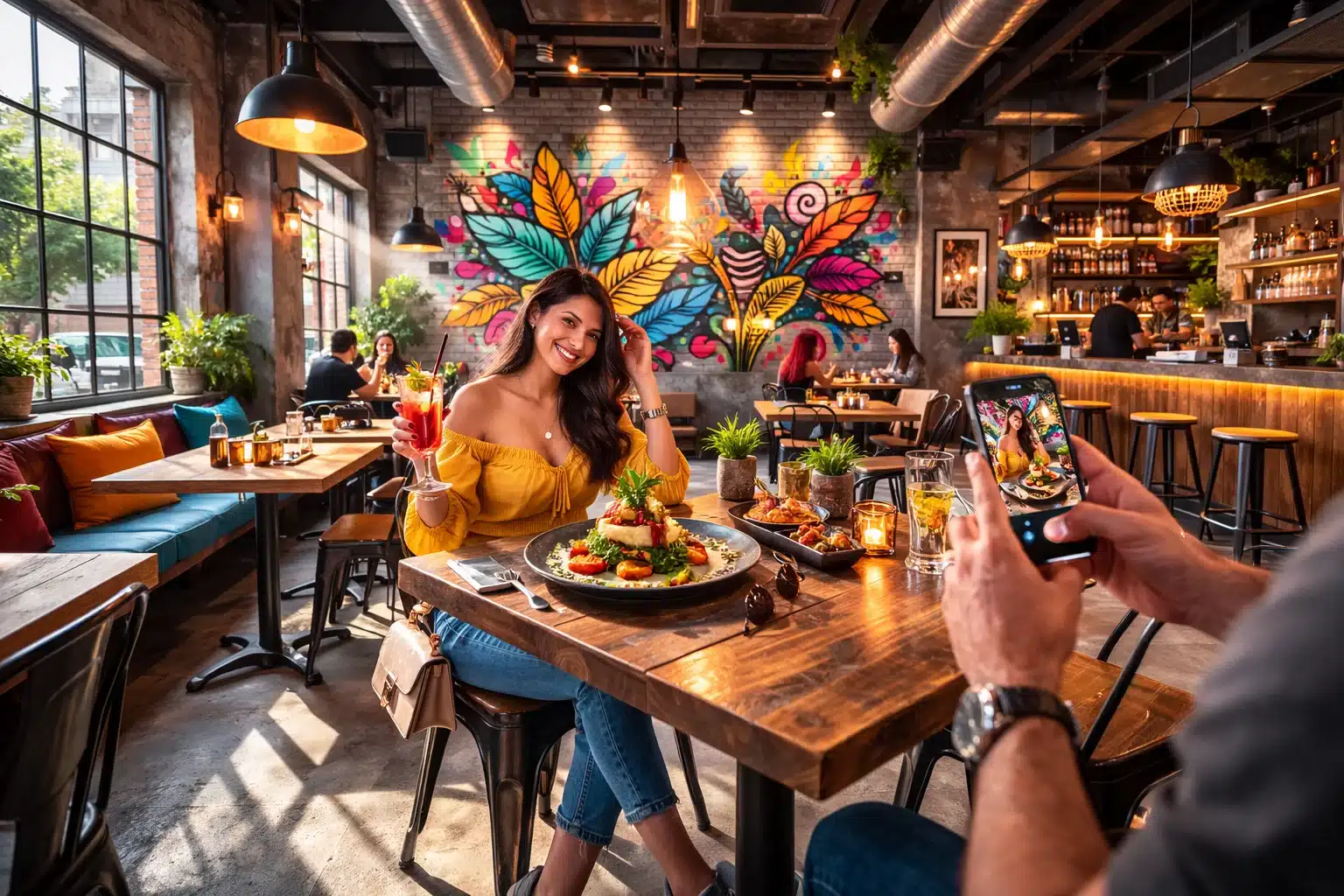
In addition to SEO, virtual restaurants must focus on engaging customers through online channels. Social media platforms, such as Instagram and Facebook, are essential tools for building customer loyalty and increasing brand visibility. Engaging with customers by sharing promotions, behind-the-scenes content, and interactive posts can create a strong connection between the brand and its audience.
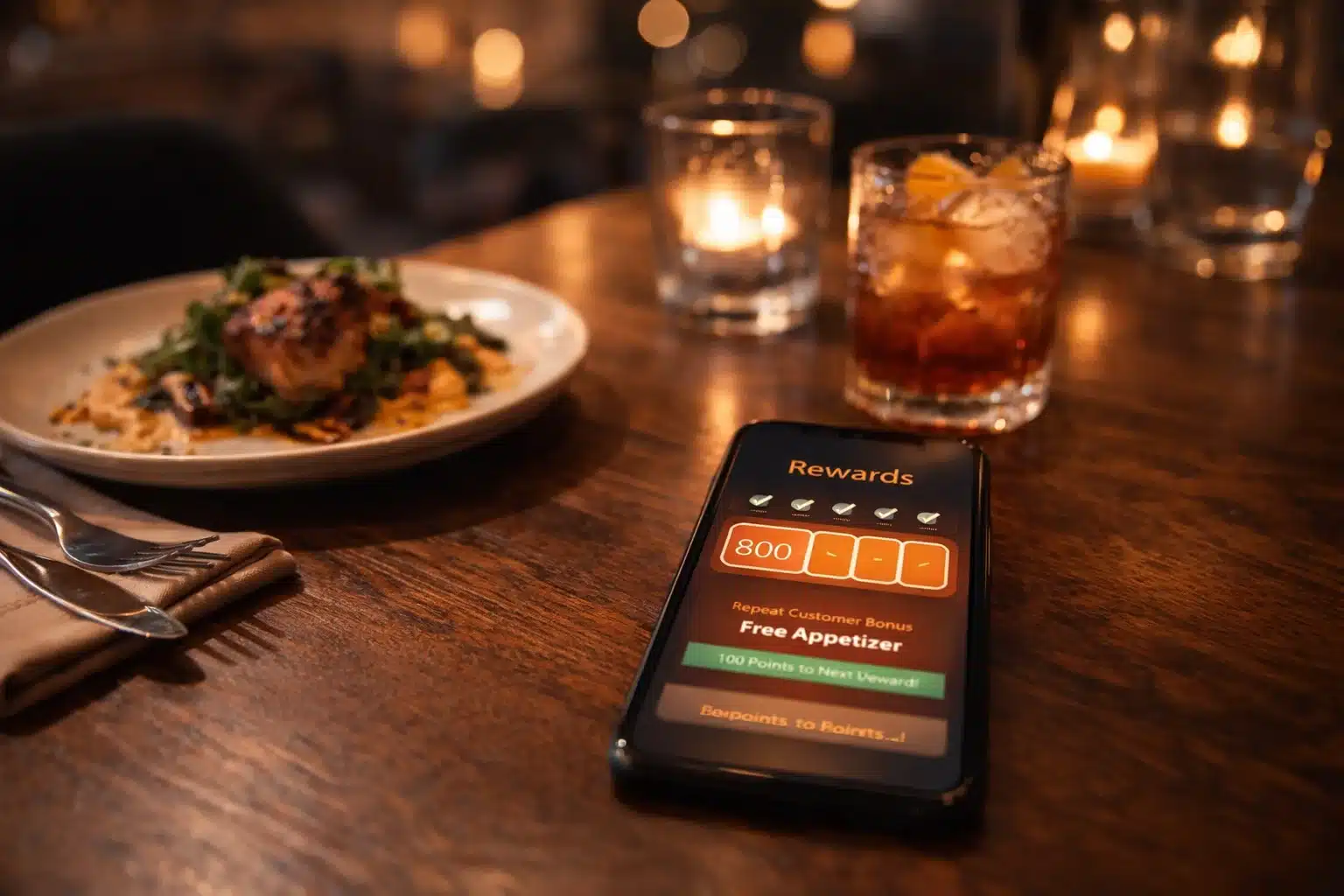
Interactive marketing strategies, such as offering discounts or rewards for repeat orders, can help keep customers coming back. Personalized marketing, where customers receive tailored offers based on their previous orders, is another effective way to encourage loyalty.

How does Biyo POS fit into the ghost kitchen model?
Biyo POS offers advanced point-of-sale solutions designed to streamline operations for ghost kitchens and virtual restaurants. With its seamless integration into third-party delivery platforms, Biyo POS helps kitchen operators manage orders, track inventory, and optimize menu offerings—all from one centralized system. Biyo POS is an essential tool for businesses looking to scale their ghost kitchen operations.
FAQ
What are the main benefits of a ghost kitchen?
Ghost kitchens offer cost savings, flexibility, and faster delivery times. They eliminate the need for physical dining spaces and front-of-house staff, allowing restaurant operators to focus on food quality and delivery logistics. Additionally, ghost kitchens can leverage third-party delivery platforms to reach a broad audience without significant marketing investments.
Can I start a ghost kitchen without a lot of capital?
Yes, one of the main advantages of ghost kitchens is that they offer a cost-effective entry point into the food delivery business. By renting kitchen space and leveraging third-party platforms, you can start a ghost kitchen with minimal upfront investment. This model eliminates the need for expensive real estate and front-of-house operations.
How do ghost kitchens handle food delivery?
Ghost kitchens rely on third-party delivery platforms to handle the logistics of food delivery. Once an order is placed through a delivery app, the kitchen prepares the food and a delivery driver picks it up for drop-off. Many ghost kitchens focus on optimizing their menus for delivery to ensure food quality during transit.
What types of businesses can operate a ghost kitchen?
Ghost kitchens are ideal for entrepreneurs looking to enter the food delivery market with minimal overhead. They can accommodate a variety of food businesses, from single-brand kitchens to multi-brand operations offering diverse menus. This model is especially appealing for restaurants wanting to experiment with new concepts or for individuals looking to start a food business without a physical storefront.