How Easy-to-Use Restaurant POS Software Transforms Service

How Easy-to-Use Restaurant POS Software Transforms Service

Running a restaurant is both exciting and demanding. Every day, managers and staff face challenges like managing orders, coordinating tables, ensuring timely service, and processing secure transactions. That’s why easy-to-use restaurant POS software has become one of the most important tools in modern hospitality. The right system combines simplicity with powerful features, allowing restaurants to increase efficiency without overwhelming employees. Whether you operate a small café or manage multiple fine-dining locations, choosing the right POS can improve customer satisfaction, reduce costs, and create smoother workflows.

Table of Contents

Why Restaurants Need Easy-to-Use POS Software

In the fast-paced hospitality industry, technology should make operations easier, not harder. Many restaurants struggle when using outdated or overly complicated systems, which slow down service and frustrate staff. In contrast, easy-to-use restaurant POS software ensures smoother workflows and empowers employees to serve customers efficiently. By reducing the learning curve and offering intuitive features, restaurants can focus on their true priority: delivering excellent dining experiences. The need for simplicity is not just about convenience—it’s about staying competitive in an industry where customer expectations continue to rise.

Streamlining Daily Operations

Restaurants operate on tight schedules where every second counts, especially during peak hours. An intuitive POS system eliminates wasted time by minimizing clicks, simplifying menus, and automating repetitive tasks. For example, instead of manually calculating bills or splitting checks by hand, a touchscreen POS can do it instantly with a few taps. This efficiency reduces errors and keeps orders moving quickly from servers to the kitchen. In high-volume restaurants, the difference between a clunky interface and an easy-to-use system can mean serving dozens more customers each night, which directly impacts revenue.

Order errors are another area where a simplified POS creates value. Complicated systems often result in mistakes like missing modifiers or assigning the wrong table. These errors lead to wasted food, customer complaints, and higher costs. Easy-to-use restaurant POS software solves this problem by offering clear order management tools and kitchen display integration. When servers can enter requests without confusion and kitchen staff see accurate digital tickets, errors drop dramatically. This not only saves money but also enhances the guest experience, as customers receive exactly what they ordered.

Training is also a major concern in the restaurant industry, where staff turnover is notoriously high. Traditional POS systems often require days of training, but intuitive platforms shorten this to just a few hours. For instance, a new employee can learn to navigate a touchscreen POS menu with minimal instruction, becoming productive almost immediately. By cutting down on training costs and time, restaurants gain a workforce that adapts quickly. This allows managers to focus on operations rather than continuously onboarding staff.

Enhancing Customer Experience

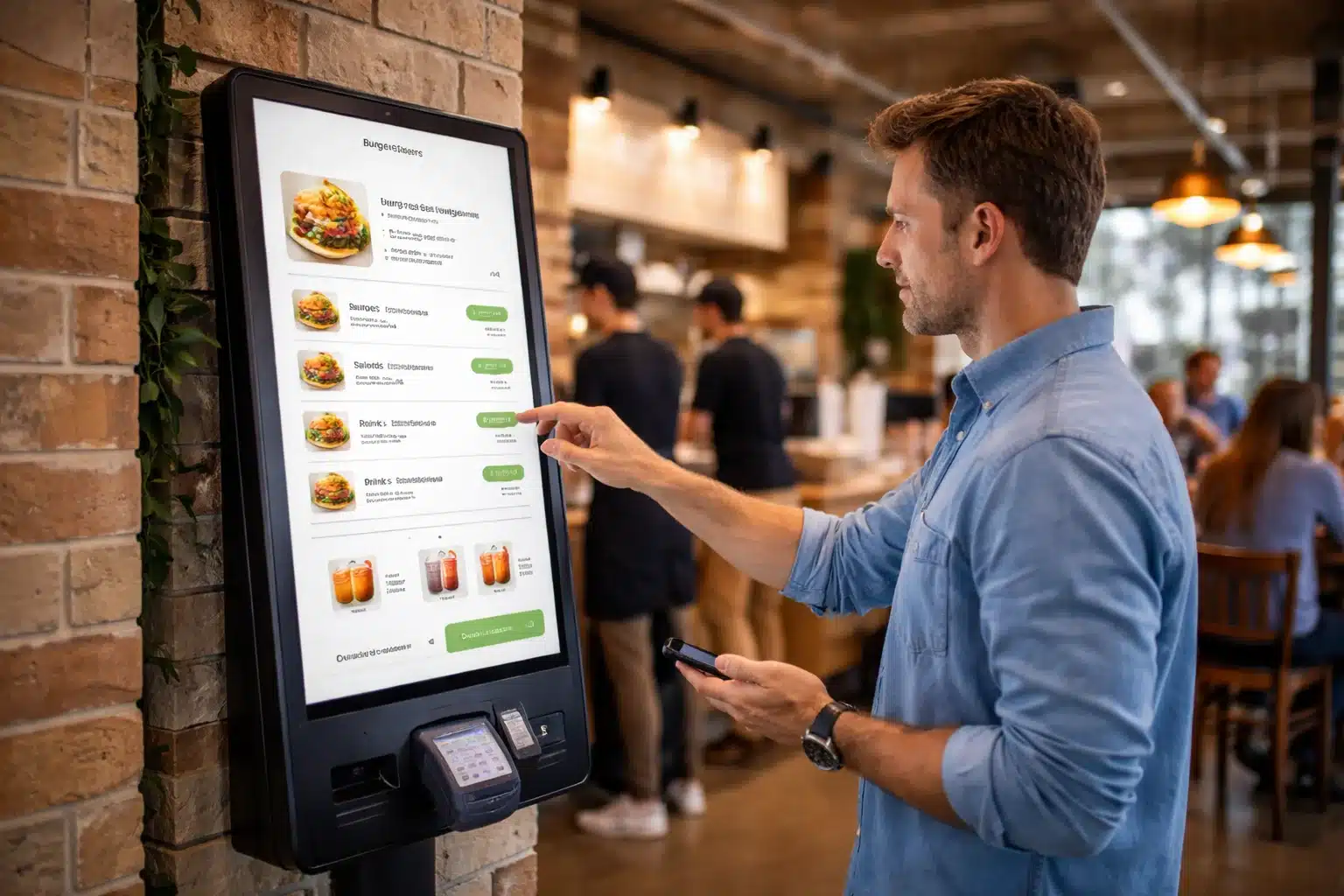
Modern diners expect quick, seamless service from the moment they walk in. A user-friendly POS directly influences this by reducing wait times, ensuring accurate orders, and offering flexible payment options. For example, mobile POS systems let servers take orders tableside, preventing delays that occur when walking back and forth to stationary terminals. Customers notice the efficiency and appreciate faster service, which often leads to better reviews and repeat visits. In a competitive industry, such advantages can determine whether a guest becomes a loyal customer or never returns.

Customization is another critical factor in customer satisfaction. Guests increasingly request gluten-free, vegan, or allergen-friendly modifications. With easy-to-use restaurant POS software, servers can quickly add these notes directly into the order without confusion. Kitchen staff then receive clear instructions through integrated kitchen display systems, reducing miscommunication. When guests see that their requests are handled carefully and accurately, it builds trust in the restaurant’s service and attention to detail.

Payment flexibility is also part of the modern dining experience. Customers want to pay using cards, mobile wallets, or contactless methods. A streamlined POS makes this process fast and secure. For instance, contactless payments allow guests to tap their phone or card at the table, avoiding long waits for a bill. This creates a smoother checkout experience that customers value, especially in fast-casual and busy urban restaurants. Providing convenience at this stage leaves a lasting impression and improves overall satisfaction.

Reducing Costs and Maximizing Profits

Easy-to-use POS software doesn’t just enhance customer service—it also boosts profitability. By integrating real-time analytics, restaurants can track sales performance and identify trends. For example, reports might show that certain menu items sell better on weekends, while others underperform. Managers can use this data to adjust pricing, reduce waste, and design promotions that increase sales. Without these insights, restaurants operate blindly and miss opportunities to maximize revenue. The ability to make informed decisions gives businesses a major financial advantage.

Labor costs are another area where an intuitive POS delivers savings. With staff scheduling tools, managers can align staffing with peak hours, preventing overstaffing during slow times and avoiding chaos during rush periods. This not only controls costs but also ensures smoother operations. Similarly, automated tip tracking saves hours of manual calculation each week, improving payroll accuracy and reducing disputes among employees. Efficiency in these areas translates directly into lower overhead and higher profitability.

Inventory management also benefits from POS integration. Restaurants frequently lose money due to spoilage or overordering. Easy-to-use restaurant POS software tracks ingredient usage in real time and alerts managers when stock runs low. For example, if a menu item sells out quickly, the system can recommend reordering before customers start asking for unavailable dishes. By maintaining accurate inventory, restaurants cut down on waste and ensure consistent customer satisfaction. These cost-saving features, combined with improved service, make modern POS systems essential for profitability.

Core Features of Easy-to-Use Restaurant POS Software

Not all POS systems are created equal. While some offer complex features that overwhelm staff, the best solutions strike a balance between functionality and usability. When evaluating easy-to-use restaurant POS software, it’s important to focus on core features that directly impact operations. From intuitive interfaces to secure payment options, these tools simplify daily tasks while supporting long-term growth. Below are some of the most critical features that restaurants should look for when choosing a POS solution.

Intuitive User Interface

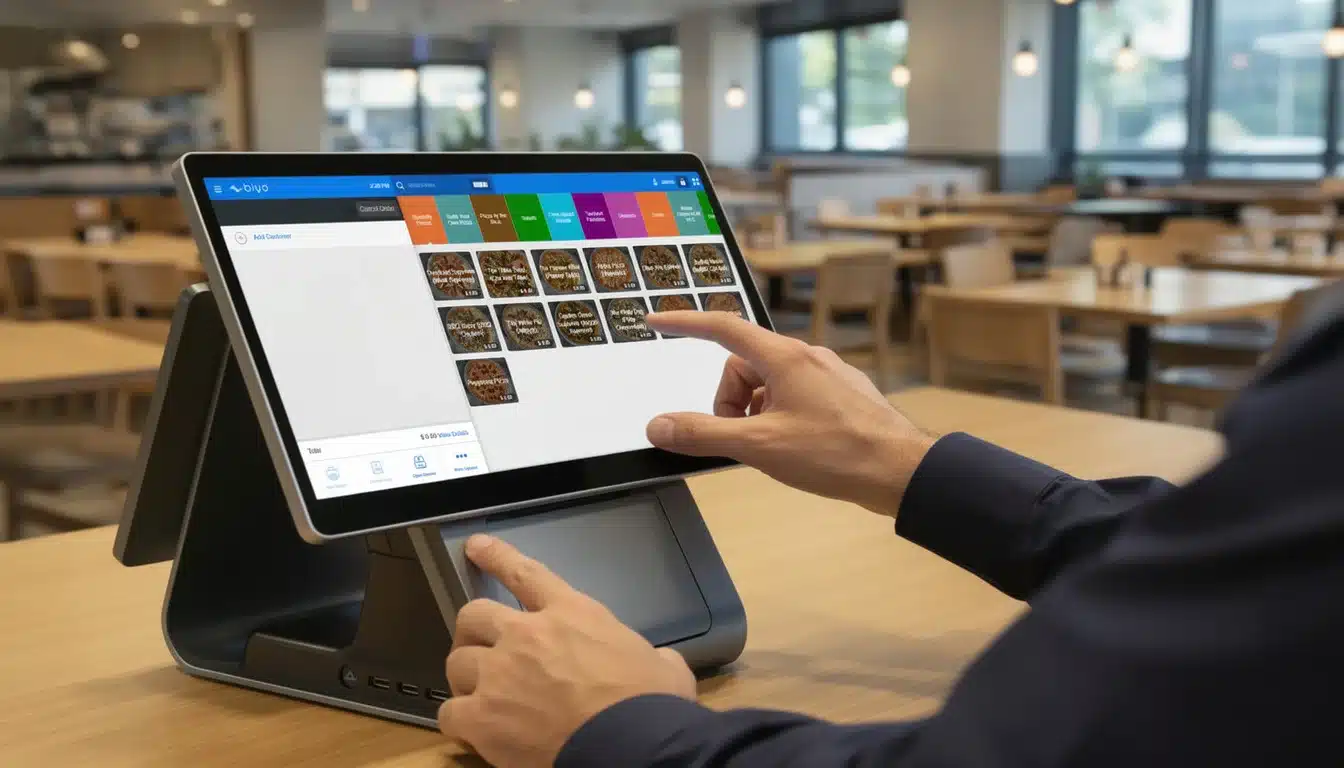
The hallmark of any easy-to-use POS system is its interface. A clear, intuitive design ensures that staff can operate the system without extensive training. Color-coded menus, logical navigation, and responsive touchscreens create an environment where employees feel confident even during busy shifts. For example, servers can quickly add items, apply discounts, or split bills without navigating through confusing menus. This clarity reduces stress and keeps operations running smoothly. In contrast, clunky systems slow down service and frustrate both staff and customers.

Mobile compatibility enhances the interface further by allowing orders to be taken on tablets or smartphones. This flexibility is particularly useful in large dining areas or outdoor seating sections. A server can approach a table, take the order directly on a mobile device, and send it instantly to the kitchen. This not only speeds up service but also reduces errors caused by handwritten notes or delayed entry. Restaurants that embrace mobile POS systems often report faster table turnover and increased revenue as a result.

Customizable dashboards are another essential feature. Different staff members have different needs, and an interface that adapts to their roles improves efficiency. For instance, a cashier may need quick access to payment options, while a manager may prioritize sales reporting and staff schedules. By tailoring the interface to individual roles, restaurants ensure that everyone works with the tools they need most. This personalization strengthens usability and makes daily tasks more enjoyable to complete.

Order Management and Table Control

Order management is at the heart of every restaurant POS. Easy-to-use systems simplify this process by making order entry, modification, and tracking seamless. For example, servers can add modifiers like “extra cheese” or “gluten-free” in seconds, ensuring that customer preferences are communicated clearly. Advanced features such as check splitting or moving items between tables can also be handled with minimal effort. These capabilities eliminate common frustrations for staff and enhance the overall dining experience.

Table management adds another layer of efficiency. Visual floor plans let staff see at a glance which tables are available, reserved, or waiting for service. This reduces confusion during busy shifts and helps hosts optimize seating arrangements. For example, if a family arrives and requires a large table, staff can instantly identify suitable options. By improving organization, table management features increase customer satisfaction and maximize seating capacity. This directly contributes to higher revenue per shift.

Integration with kitchen display systems further enhances order accuracy. Instead of printing paper tickets, orders appear instantly on digital screens in the kitchen. This eliminates delays and ensures that chefs see updates in real time. For example, if a customer decides to change their side dish, the modification appears instantly on the display. Such accuracy reduces food waste and ensures smoother communication between the front and back of house. Restaurants that adopt KDS integration often see faster service and fewer errors overall.

Payment Processing and Security

Reliable payment processing is non-negotiable in any restaurant. Easy-to-use POS systems provide multiple options, from traditional credit cards to mobile wallets and contactless payments. This flexibility caters to a wide range of customer preferences and reduces friction at checkout. For example, younger diners often prefer digital wallets, while older guests may stick with physical cards. By accommodating all methods, restaurants ensure that no customer feels limited by payment options. This inclusivity enhances satisfaction and encourages repeat business.

Security is equally important. Data breaches can ruin a restaurant’s reputation and result in costly fines. That’s why modern POS systems use encryption and tokenization to protect sensitive information. Secure transactions reassure customers that their payment details are safe, building trust in the business. For example, a guest using a mobile wallet expects their information to be encrypted and inaccessible to hackers. When restaurants deliver this level of protection, they differentiate themselves as reliable and trustworthy establishments.

Streamlined checkout is another advantage of easy-to-use restaurant POS software. Long waits to settle bills are frustrating for customers and reduce table turnover for restaurants. With fast payment screens and contactless options, staff can process transactions in seconds. For example, a table of four can split the bill and pay with different methods without confusion or delay. This efficiency ensures that tables are freed up faster, increasing overall revenue during busy hours. Secure and speedy transactions are a win for both customers and businesses.

How POS Software Boosts Efficiency in Restaurants

Efficiency is the foundation of every successful restaurant. Staff need to handle orders, payments, and table turnover as quickly as possible without sacrificing quality. An easy-to-use restaurant POS software is designed to optimize these processes by automating repetitive tasks, reducing errors, and giving managers real-time insights. From staff management to analytics and loyalty programs, the right POS system improves operations across the board. This not only makes day-to-day tasks easier but also helps restaurants achieve long-term growth in a highly competitive market.

Improved Staff Management

Managing staff in a busy restaurant is one of the most time-consuming responsibilities for managers. Without the right tools, scheduling shifts, tracking hours, and managing payroll can become overwhelming. Easy-to-use POS software often includes built-in staff management features, allowing managers to assign shifts, approve time-off requests, and monitor attendance in one place. For example, instead of relying on spreadsheets, managers can set up schedules directly in the POS, and staff members can clock in and out through the system. This ensures accuracy, reduces disputes, and streamlines payroll processing.

Tip tracking is another key feature that makes staff management easier. In many restaurants, tips are pooled and then distributed among employees. Calculating tips manually not only takes time but also risks errors that can create tension among staff. With POS-integrated tip tracking, every transaction is automatically logged, and distributions are calculated fairly and transparently. This keeps employees satisfied and motivated, which leads to better service for customers. Happy, well-managed staff directly contribute to a more efficient and customer-focused restaurant.

Performance tracking is also a valuable tool for managers. POS software can generate reports that show who is processing the most orders, upselling items, or handling the highest volume of transactions. This data helps managers identify top performers and areas where training may be needed. For example, if one server consistently sells more high-margin items, managers can use this insight to coach others on upselling strategies. By leveraging data, restaurants can improve staff performance while rewarding employees who go above and beyond.

Real-Time Analytics and Sales Reporting

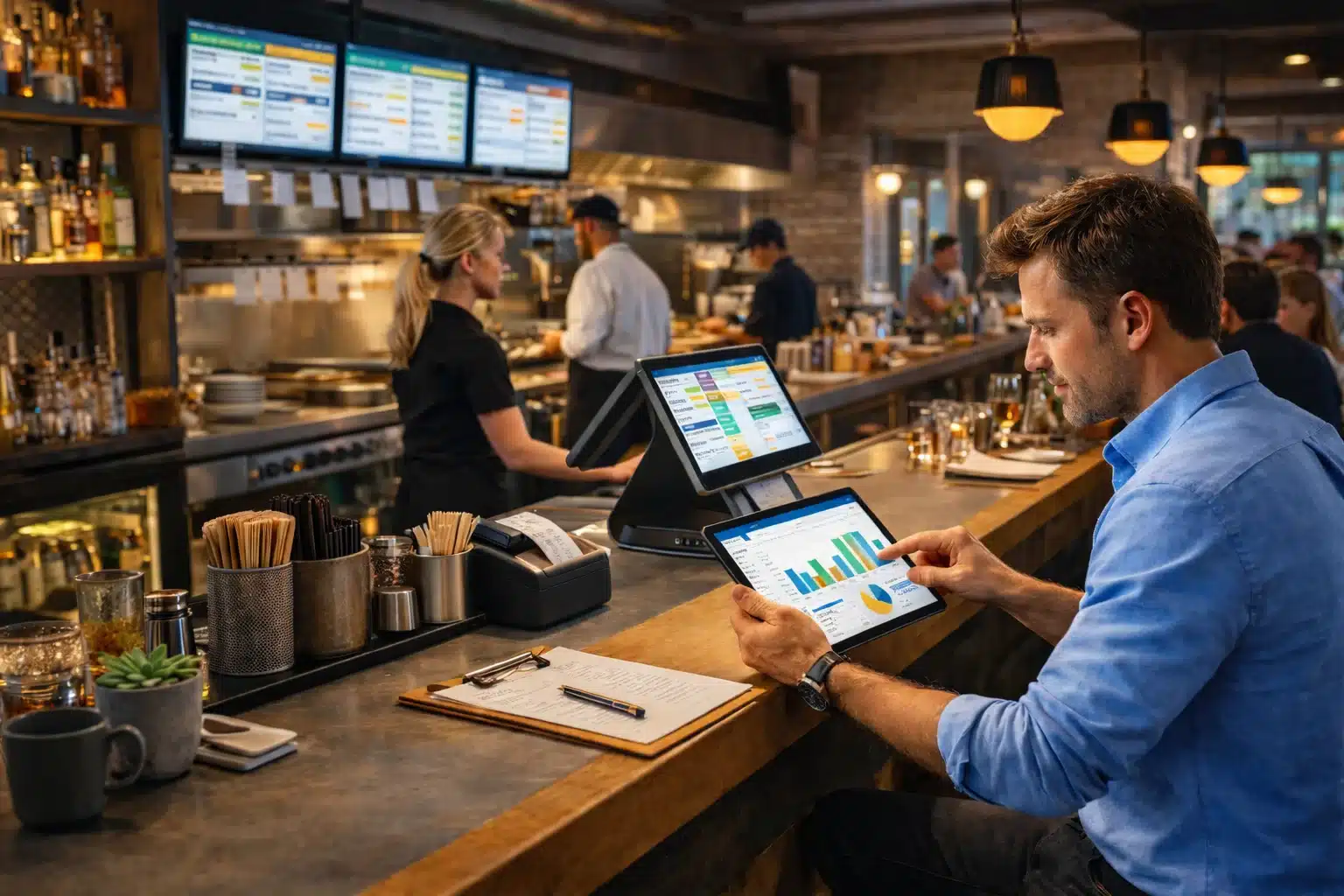
Access to real-time analytics is one of the most powerful benefits of easy-to-use restaurant POS software. Managers can instantly see sales numbers, best-performing menu items, and peak business hours. This data helps them make informed decisions, such as adjusting staffing levels or updating menus. For example, if a report shows that certain appetizers rarely sell, the restaurant can replace them with more profitable items. Instead of waiting until the end of the month to review performance, managers can make changes on the fly to boost profitability.

Inventory management becomes far more accurate with analytics integration. POS systems can automatically update stock levels as items are sold, helping managers avoid both shortages and waste. For instance, if a steakhouse sees a surge in ribeye orders, the system can send an alert that inventory is running low. Managers can then reorder before running out, preventing disappointment for customers. This level of real-time insight is impossible with manual tracking, making it a must-have for any efficient restaurant.

Financial reporting is another area where POS software shines. With detailed transaction histories and expense tracking, restaurants can simplify tax filing, audits, and compliance. Instead of digging through paper receipts or reconciling multiple systems, managers have everything stored digitally and organized. This not only saves time but also reduces errors that could cost money or cause compliance issues. Real-time reporting gives restaurants a level of financial control that ensures stability and supports future growth.

Streamlined Customer Loyalty Programs

Loyalty programs are essential for encouraging repeat business, and POS systems make them easier to manage. Instead of handing out punch cards or relying on customers to remember discounts, loyalty programs can be built directly into the POS. Each transaction automatically updates the customer’s account, rewarding them with points, discounts, or free items. For example, a coffee shop might reward customers with a free latte after ten purchases. This process is fully automated and requires no additional effort from staff or customers, which increases participation rates.

These programs also give restaurants valuable insights into customer behavior. POS analytics can reveal which customers visit most frequently, which menu items they prefer, and how much they spend per visit. Restaurants can use this data to create personalized promotions that encourage loyalty. For instance, if a customer often orders desserts, the system could send them a special discount on a new pastry item. This kind of personalization makes customers feel valued and encourages them to return more often.

Another advantage of POS-integrated loyalty programs is customer retention. In a competitive market where diners have endless options, offering rewards can be the deciding factor in where they choose to eat. Easy-to-use restaurant POS software ensures that loyalty programs run smoothly and without error, which increases customer trust. When customers see that their rewards are tracked accurately and redeemable without hassle, they are more likely to become repeat visitors. This not only boosts sales but also creates long-term relationships with loyal customers.

Choosing the Right POS System for Your Restaurant

With countless options on the market, finding the right POS solution can feel overwhelming. The key is to focus on factors that directly impact your restaurant’s operations, such as usability, scalability, and affordability. By carefully evaluating these aspects, you can select a system that not only meets today’s needs but also grows with your business. The right easy-to-use restaurant POS software should empower staff, satisfy customers, and deliver measurable returns on investment.

Evaluating Ease of Use

The most important factor in choosing a POS system is ease of use. A complicated interface will frustrate employees, slow down service, and lead to costly errors. In contrast, a simple, intuitive design ensures staff can handle orders, payments, and table management without hesitation. For example, touchscreen POS systems with large, clear icons make it easy for servers to navigate even during the busiest shifts. This reduces stress, improves confidence, and ensures smoother operations across the board.

Ease of use also shortens the training process, which is critical in an industry with high turnover rates. Instead of spending days learning a complex system, new employees can be trained within hours on an intuitive POS. This saves time and reduces costs for managers who would otherwise spend significant resources on training. For example, a fast-casual chain that hires seasonal workers can get staff up to speed quickly, ensuring consistent service even with a rotating workforce. Simplicity translates directly into efficiency and cost savings.

Testing the system before committing is essential. Many providers offer free trials or demos, which give managers and staff a chance to evaluate the interface firsthand. During these trials, pay attention to how quickly employees pick up on the system. If they struggle, it may not be the right fit. Prioritizing user-friendly design over unnecessary complexity ensures your POS becomes an asset rather than a burden. A system that staff actually enjoy using is far more likely to drive long-term success.

Scalability and Flexibility

Restaurants rarely remain the same size forever. A small café may expand into multiple locations, or a food truck might evolve into a brick-and-mortar chain. That’s why scalability is a critical factor when choosing easy-to-use restaurant POS software. Cloud-based solutions are particularly valuable because they allow managers to monitor multiple locations in real time from any device. For example, an owner of three restaurants can track sales, manage staff, and view reports across all locations without needing to be physically present at each one.

Flexibility is equally important. A good POS should work with various hardware setups, from traditional terminals to tablets and smartphones. This allows restaurants to adapt to changing customer expectations and service models. For example, during the pandemic, many restaurants adopted curbside pickup and mobile ordering. Those with flexible POS systems were able to adapt quickly, while others struggled to adjust. Flexibility ensures that your restaurant can pivot when necessary and stay competitive in an evolving market.

Integration with third-party tools is another sign of flexibility. Many restaurants rely on external apps for accounting, payroll, or delivery services. A POS that integrates with these tools creates a connected ecosystem, reducing manual work and improving data accuracy. For example, instead of manually exporting sales data into accounting software, the POS can sync automatically. This saves time and reduces errors while ensuring smoother operations across departments. Scalability and flexibility future-proof your restaurant against challenges and opportunities alike.

Affordability and Return on Investment

Cost is often the deciding factor when choosing a POS system. While some advanced systems come with a high price tag, many affordable options now provide powerful features without breaking the bank. When evaluating affordability, it’s important to consider the total cost of ownership, including hardware, software, and ongoing support. For example, a cloud-based POS may require less upfront investment than a traditional system, making it more accessible for small businesses. Affordable does not mean cheap—it means delivering maximum value for the price paid.

Return on investment (ROI) is just as important as upfront cost. A POS that reduces labor costs, increases table turnover, and boosts sales through accurate reporting quickly pays for itself. For instance, if a system helps reduce errors that previously cost hundreds of dollars in wasted food each month, the savings alone can justify the investment. Measuring ROI ensures that the POS is not just an expense but a tool that actively contributes to profitability.

Subscription pricing models also make POS systems more affordable for smaller restaurants. Instead of paying large upfront fees, businesses can spread costs over time. This model lowers financial risk and allows restaurants to access advanced features without major capital investment. Comparing plans and negotiating pricing can help find the best fit for your budget. By balancing cost with functionality, restaurants can select a POS that provides strong ROI while remaining affordable.

The Future of Restaurant POS Software

The restaurant industry is evolving rapidly, and technology is at the center of this transformation. Easy-to-use restaurant POS software will continue to play a vital role in helping businesses adapt to customer expectations, regulatory changes, and market shifts. The future lies in systems that integrate artificial intelligence, embrace cloud and mobile technology, and provide personalized customer experiences. By adopting these innovations early, restaurants can stay ahead of competitors and deliver the level of service today’s diners demand.

AI and Automation

Artificial intelligence is becoming a powerful force in the restaurant industry. AI-driven POS systems can analyze sales trends to predict demand, recommend staffing levels, and even suggest menu changes. For example, an AI-powered POS might detect that sales of iced drinks rise sharply during hot weather and prompt managers to adjust inventory accordingly. This predictive capability reduces guesswork and helps restaurants prepare for shifts in demand, ensuring smoother operations and higher profits.

Automation also extends to customer interactions. Chatbots integrated into POS systems can handle reservations, answer questions about menus, or confirm orders placed online. By automating these routine tasks, staff can focus more on delivering personalized service in the restaurant. For instance, instead of answering phone calls about opening hours, staff can spend more time engaging with guests, creating a more enjoyable dining experience. Automation reduces workload while enhancing customer satisfaction.

Back-office automation is another area of growth. Automated invoice processing, payroll calculations, and financial reconciliation eliminate tedious manual tasks. For example, instead of manually comparing invoices with orders, the POS can automatically flag discrepancies for review. This saves time, reduces human error, and allows managers to focus on strategic decision-making. As automation becomes more advanced, restaurants will see significant efficiency gains and cost savings.

Mobile and Cloud Integration

Cloud-based POS systems are already becoming the norm, and their importance will only grow in the future. With cloud integration, managers can access real-time sales and inventory data from anywhere, whether at home, traveling, or managing multiple locations. For example, a restaurant owner on vacation can still log in to monitor performance and resolve issues remotely. This flexibility gives businesses peace of mind and ensures continuous oversight regardless of location.

Mobile POS solutions will also continue to transform service models. Handheld devices allow servers to take orders and process payments tableside, eliminating unnecessary trips to stationary terminals. This reduces wait times and improves order accuracy. For fast-casual restaurants and food trucks, mobile POS systems are especially valuable because they provide the flexibility to serve customers wherever they are. Mobility and cloud integration ensure that restaurants stay agile and customer-focused in a constantly changing market.

Cost savings are another benefit of mobile and cloud solutions. Traditional systems often require expensive servers and IT infrastructure, while cloud-hosted platforms run with minimal hardware. Automatic updates also ensure that restaurants always have the latest features without needing costly upgrades. These savings make cloud and mobile solutions accessible to restaurants of all sizes, helping them compete with larger chains while keeping costs under control.

Enhanced Customer Personalization

Personalization is becoming a defining factor in the restaurant experience. Modern POS systems will increasingly use customer data to deliver tailored recommendations and promotions. For example, a regular customer who frequently orders pasta might receive a personalized discount on a new Italian dish. This targeted approach makes guests feel valued and increases the likelihood of repeat visits. Personalized experiences build loyalty and create stronger connections between restaurants and their customers.

Loyalty programs will evolve into advanced engagement platforms. Instead of generic discounts, customers may receive personalized offers via email, SMS, or mobile apps. For example, a customer who hasn’t visited in several weeks could receive a special “welcome back” discount. This proactive engagement keeps restaurants top-of-mind and drives repeat business. Easy-to-use restaurant POS software ensures that these programs run smoothly and deliver consistent value for both customers and businesses.

Personalization also extends to menu recommendations and service. With customer history stored in the POS, servers can greet guests by name and suggest their favorite dishes. For example, if a guest always orders a certain dessert, the system can remind staff to suggest it during their visit. This attention to detail enhances the dining experience and builds trust. As personalization technology advances, restaurants will deliver increasingly tailored experiences that set them apart from competitors.

About Biyo POS

If you’re searching for an easy-to-use restaurant POS software that combines simplicity with advanced features, Biyo POS is an excellent choice. Designed specifically for restaurants, cafés, and retail businesses, Biyo POS offers intuitive dashboards, mobile compatibility, and kitchen display system integration. With tools for order management, secure transactions, staff scheduling, loyalty programs, and real-time analytics, Biyo POS helps businesses streamline operations and improve customer satisfaction. You can sign up here to start using Biyo POS today and discover how it simplifies operations while boosting profits.

Frequently Asked Questions

What makes a restaurant POS software easy to use?

A restaurant POS is considered easy to use when it has an intuitive design, touchscreen interfaces, and logical navigation. These features reduce training time and allow staff to process orders and payments quickly, even during busy shifts. The goal is to make the system so seamless that employees can focus on customer service rather than technology.

How can POS software improve customer service?

POS software improves customer service by speeding up order entry, reducing errors, and offering flexible payment options such as contactless transactions. Customers benefit from shorter wait times, more accurate orders, and personalized loyalty programs. These improvements enhance the overall dining experience and encourage repeat visits.

Is cloud-based POS better than traditional systems?

Yes, cloud-based POS systems offer more flexibility, scalability, and cost savings compared to traditional setups. They allow managers to access data remotely, support automatic updates, and reduce the need for expensive hardware. This makes them ideal for restaurants of all sizes, especially those managing multiple locations.

Can small restaurants afford POS software?

Absolutely. Many providers offer affordable subscription-based POS systems that spread out costs over time. These solutions deliver powerful features like real-time analytics, inventory management, and secure payment processing without requiring heavy upfront investment. Small restaurants can enjoy the same benefits as larger chains while staying within budget.

Does Biyo POS support multi-location management?

Yes, Biyo POS is built to scale with growing businesses. Whether you manage a single café or multiple restaurant branches, the system provides centralized dashboards and real-time data. This allows owners to oversee operations across all locations efficiently, ensuring consistent performance and customer satisfaction.

Related Posts