Why Cash Handling Errors Are Costing Your Restaurant More Than You Think
Cash is still part of daily operations for many restaurants, even as digital payments grow. Unfortunately, cash also introduces risk. From small drawer shortages to repeated reconciliation issues, cash mistakes quietly eat into profits. Learning how to reduce cash handling errors in restaurants is not just about preventing theft. It is about building reliable processes that protect your margins, your staff, and your long-term financial health.
According to the National Restaurant Association, cash shrinkage and handling mistakes cost the average restaurant operator between 1% and 3% of annual revenue. For a restaurant doing $1 million per year, that is up to $30,000 quietly disappearing. The good news is that most cash handling errors are preventable — and with the right systems in place, you can significantly reduce them within a single week.
The Real Cost of Cash Handling Errors in Restaurants
Cash errors do not just hurt your bottom line in obvious ways. The ripple effects touch every part of your operation:
- Profit margin erosion: Even small, repeated errors add up to thousands of dollars lost per year.
- Staff morale damage: When cash goes missing and blame is unclear, it creates distrust among team members.
- Time wasted on reconciliation: Managers can spend hours each week investigating shortages instead of running the floor.
- Tax and audit risk: Inaccurate cash records create problems at tax time and raise red flags during audits.
- Customer experience impact: Slow cash handling and incorrect change frustrate guests and slow service.
Understanding these costs makes the solution feel urgent. Here is a practical, actionable five-day plan to dramatically reduce cash handling errors in your restaurant.
Day 1: Audit Your Current Cash Handling Process
Before you can fix a problem, you need to understand exactly where it is happening. On day one, shadow your cash handling process from open to close. Document every touchpoint where money changes hands.
Common error hotspots include:
- Opening drawer counts done quickly or without witnesses
- Mid-shift cash drops not recorded immediately
- Tip separation from sales amounts
- End-of-night safe drop with no second party verification
- Refunds or voids processed without manager approval
Create a simple spreadsheet or use your POS reports to track where discrepancies most often occur. This data will guide every other step this week.
Day 2: Set Strict Cash Drawer Standards
Standardization is the single biggest lever in reducing cash handling errors. Many restaurants allow different staff members to handle cash drawers in different ways, which makes errors nearly impossible to trace.
Implement these standards immediately:
- One drawer per employee: Never share a cash drawer between two people during the same shift. When accountability is shared, it disappears.
- Starting bank count confirmation: Every employee who touches a drawer must count and verify their starting bank before beginning service, signing off on a count sheet.
- Count bills from the customer: Train staff to count cash received out loud and leave it on the counter or register ledge until change is given. This prevents disputes.
- Set maximum drawer amounts: Define a maximum amount allowed in each drawer. When a drawer exceeds that amount, a cash drop to the safe is required immediately.
Day 3: Establish Proper Cash Drop and Safe Procedures
Cash drops — moving excess cash from the drawer to a secure safe — are one of the highest-risk moments in restaurant operations. Rushed or informal drop procedures are responsible for a significant share of cash discrepancies.
Build a formal cash drop protocol:
- All cash drops must be counted by the employee and a manager, separately, then compared
- Every drop must be recorded with time, amount, employee name, and manager signature
- Use tamper-evident bags for all drop envelopes
- Drops should happen at predetermined amounts (for example, whenever the drawer exceeds $300), not at random intervals
- The safe combination should only be known to managers — no exceptions
A documented drop log creates an auditable trail. If a discrepancy is discovered at end of night, you can trace every cash movement to find the source.
Day 4: Use Your POS System to Catch Errors in Real Time
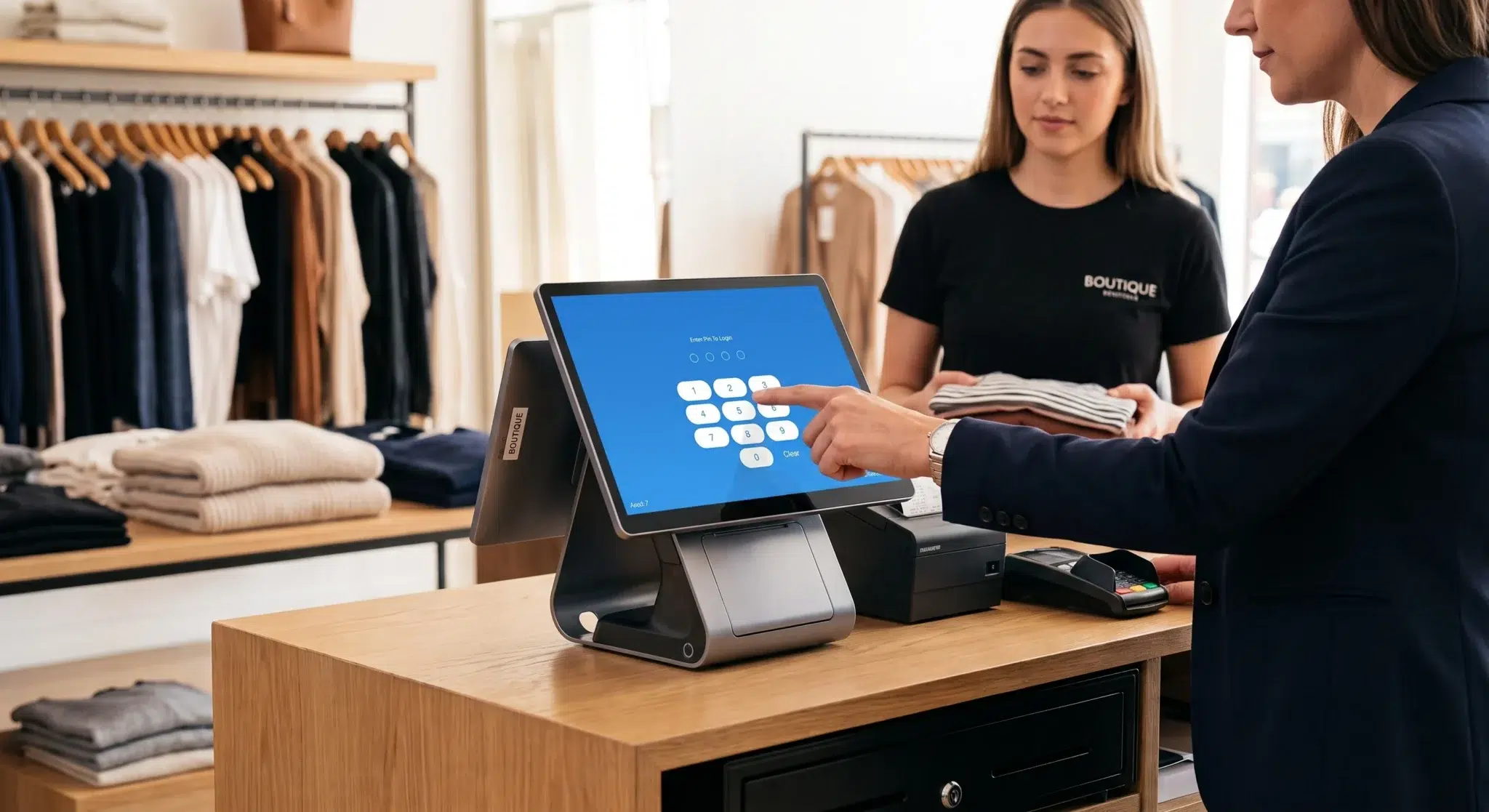
A modern point of sale system is one of your most powerful tools for reducing cash handling errors. Most restaurant owners use their POS primarily for order entry, but it contains financial controls that, when fully activated, dramatically reduce cash risk.
Key POS features to activate and review:
- Cash drawer open alerts: Configure your POS to alert you any time a cash drawer opens without an associated transaction.
- No-sale tracking: Every time a drawer opens for a no-sale transaction, it should be logged and require a reason code. Review this report daily.
- Void and refund reports: Pull these reports every morning. Any voids processed without manager approval should be flagged immediately.
- Shift reports and expected vs. actual counts: Train managers to reconcile expected cash against actual cash at the end of every shift, not just at end of night.
- Tip management: Use your POS tip settlement feature to separate declared tips from sales revenue clearly, preventing tip-related miscount errors.
If your current POS does not provide these controls, it may be time to upgrade to a system built specifically for restaurant cash management.
Day 5: Train Your Team and Create Accountability
Even perfect procedures fail without proper training and a culture of accountability. On day five, bring your team together for a focused 30-minute cash handling training session.
Cover these key points:
- Walk through the exact steps of opening and closing a cash drawer
- Demonstrate how to count back change to a customer
- Explain the cash drop procedure and why it matters
- Review what constitutes a policy violation and what the consequences are
- Invite questions — often, staff have been improvising because they were never properly trained
Introduce a clear accountability structure. This does not mean punishment for every small error. It means that every discrepancy is investigated, documented, and understood. When staff know that errors are tracked and followed up on, careless mistakes decrease significantly.
Ongoing Best Practices: Keep Errors Low After Week One
Reducing cash handling errors is not a one-time project. It is an ongoing management discipline. After your first week of reforms, maintain momentum with these habits:
- Daily manager cash audit: Every day, a manager reviews the previous day’s cash reports in the POS before service begins.
- Weekly trend review: Track shortage and overage amounts weekly. A pattern of shortages on certain shifts or from certain employees points to a specific problem.
- Surprise audits: Periodically conduct a mid-shift cash count without advance notice. This keeps all staff diligent.
- Regular retraining: Any time you onboard new staff or see errors increasing, revisit your training materials.
- Cashless options where possible: The most effective way to eliminate cash handling errors is to handle less cash. Promote digital payment options, and consider implementing a tip suggestion feature on your POS to reduce cash tip complexity.
How the Right POS System Reduces Cash Handling Risk
Not all POS systems are created equal when it comes to cash management. An entry-level system might track transactions but offer little in the way of cash control features. A restaurant-grade POS platform like Biyo POS provides:
- Real-time drawer tracking with manager alerts
- Automated shift reports that compare expected cash to actual cash
- No-sale and void logging with required approval workflows
- Multi-location visibility so you can monitor cash handling across all your locations from one dashboard
- Integrated tip management that eliminates tip miscounting errors
When your POS system is doing this work in the background, your managers spend less time investigating and more time running excellent service.
Frequently Asked Questions About Restaurant Cash Handling
What is the most common cause of cash shortages in restaurants?
The most common cause is informal or inconsistent procedures — specifically, shared cash drawers, skipped drawer counts, and unrecorded cash drops. Training and standardization fix the majority of shortages that are not caused by intentional theft.
How often should restaurants reconcile their cash drawers?
Drawers should be counted at the start and end of every shift. Many restaurants also conduct a mid-shift reconciliation when cash drops occur. The more frequently you count and document, the smaller and easier to trace any discrepancies will be.
Should restaurant staff count cash in front of customers?
Yes. Counting change back to a customer out loud and leaving the tendered bill on the counter until change is given is a best practice. It eliminates disputes about whether the correct amount was tendered and protects both the staff member and the customer.
How can I tell if a cash shortage is theft versus an honest mistake?
Look at patterns. Occasional, small, random shortages are usually honest mistakes. Consistent shortages tied to specific employees, shifts, or times of day suggest something more deliberate. Your POS reports — particularly no-sale logs and void reports — can help identify irregular patterns faster than manual review.
Can a POS system eliminate cash handling errors entirely?
No system eliminates human error entirely, but a good POS system can reduce cash discrepancies by 60 to 80 percent when its cash management features are fully used. The combination of solid procedures and the right technology gives you the best result.
Start Reducing Cash Errors This Week
You do not need a major overhaul to start protecting your restaurant’s cash. Implement one new procedure each day this week. By day five, your team will have the training, the tools, and the habits to prevent the majority of cash handling errors that quietly drain revenue from restaurants every day.
If you want to see how a purpose-built restaurant POS system can support your cash management process, schedule a demo with Biyo POS and see the difference that real-time cash controls can make for your operation.