Opening a sushi restaurant is an exciting and rewarding venture for food enthusiasts and entrepreneurs alike. With the growing popularity of Japanese cuisine, many people are eager to learn how to open a sushi restaurant that offers authentic, high-quality sushi. From sourcing the freshest seafood to designing a welcoming space for customers, every detail matters in building a successful sushi business. In this guide, we will walk you through the essential steps and considerations involved in starting your sushi restaurant, ensuring you’re well-equipped for success.
Table of Contents
- Developing Your Sushi Restaurant Concept
- Writing a Detailed Business Plan
- Securing Permits and Licenses
- Choosing the Right Location
- Designing Your Sushi Restaurant
- Menu Development and Sourcing Ingredients
- Building a Strong Team
- Marketing Your Sushi Restaurant
- Frequently Asked Questions
Developing Your Sushi Restaurant Concept
Before diving into the logistical and operational aspects, it’s crucial to define your sushi restaurant concept. This will serve as the foundation of your business, guiding decisions on menu offerings, restaurant design, and overall brand. Your concept should reflect the kind of experience you want to provide to customers and how it will differentiate your restaurant from competitors.
Identifying Your Unique Selling Proposition (USP)
Your USP is what sets your sushi restaurant apart from others in the market. It could be anything from offering an exclusive dining experience, specializing in sustainable seafood, or creating fusion sushi dishes. The goal is to find a niche that resonates with your target market. For example, a high-end omakase experience, a sushi bar with interactive chef presentations, or a casual conveyor belt sushi spot all offer unique dining experiences.
Consider what your customers value most: Is it the quality of ingredients, the experience of watching skilled sushi chefs, or perhaps the cultural authenticity of your menu? Identifying your USP will help you make key decisions about your sushi restaurant startup, such as the style of service, pricing, and marketing tactics.
Crafting a Japanese Cuisine Concept
A Japanese cuisine concept goes beyond just sushi; it encompasses other traditional dishes, such as sashimi, tempura, miso soup, and more. The type of Japanese cuisine you offer will shape your menu and the restaurant’s ambiance. Will you focus solely on sushi, or will you incorporate a broader range of Japanese dishes to appeal to a larger audience? A well-rounded Japanese cuisine concept can attract customers looking for a variety of authentic dishes, not just sushi.
It’s also essential to think about your sushi restaurant’s atmosphere. For instance, a contemporary sushi bar may incorporate minimalistic design elements, while a more traditional setting might feature wood-paneled walls and paper lanterns. Your concept should align with the vibe you want to create for your guests.
Target Audience and Market Research
Understanding your target audience is vital when determining your sushi restaurant concept. Conduct market research to identify local preferences and demographics. Are there many sushi enthusiasts in your area, or is sushi an emerging trend? Understanding who will frequent your restaurant will guide your decisions on everything from pricing to restaurant design. For example, a location near a university campus may attract younger customers seeking affordable, high-quality sushi. Conversely, an upscale neighborhood might be more interested in fine-dining sushi options.
Additionally, research the competition in your area. Are there other sushi restaurants nearby? If so, what sets your restaurant apart from theirs? By identifying your competitors’ strengths and weaknesses, you can better tailor your offerings and create a competitive advantage that makes your restaurant stand out.

Writing a Detailed Business Plan
A well-structured business plan is crucial when opening any restaurant, including a sushi restaurant. This document will act as a roadmap, outlining your goals, strategies, and financial projections. It is also necessary if you’re seeking funding from investors or banks.
Setting Clear Objectives and Goals
Start your business plan by defining clear, measurable objectives for your sushi restaurant. This could include revenue goals, the number of customers you plan to serve daily, and your restaurant’s expected growth over the next few years. Setting specific goals will help you stay focused and track progress over time.
Don’t forget to include both short-term and long-term objectives. Short-term goals may involve securing your location, hiring your sushi chefs, and opening for business. Long-term goals could be expanding your brand to multiple locations or adding a sushi bar franchise to your operations. By laying out a solid plan, you can ensure a clear path to success and growth.
Financial Planning and Budgeting
One of the most important components of your business plan is your financial outlook. Opening a sushi restaurant requires significant capital for various startup costs, such as securing a location, purchasing sushi kitchen equipment, and buying initial inventory. Include a detailed breakdown of your costs, along with projected revenues and profit margins.
Consider the costs of food, labor, rent, utilities, and marketing when creating your budget. A contingency fund should also be factored in to cover unexpected expenses. This is an area where seeking advice from an accountant or financial consultant can help you make sound decisions. Ensuring that you have a financial cushion will help you handle any challenges that arise during the startup phase.
Creating an Operational Strategy
Establishing your restaurant’s operational strategy is key to running a smooth operation. This includes staffing, supply chain management, food safety practices, and customer service standards. For a sushi restaurant, it is essential to have a strong operational plan to ensure consistent quality and efficiency in food preparation. This is especially critical when you’re sourcing delicate seafood ingredients that require precise handling and preparation.
To optimize operations, it’s helpful to create clear standard operating procedures (SOPs) that outline each task, from sushi preparation to customer service. This ensures consistency in food quality and customer experience, helping to reduce errors and maintain a high standard across the board.
Securing Permits and Licenses
Before you can open your sushi restaurant, you will need to obtain the necessary permits and licenses. These requirements vary by location, so it’s important to check with local authorities to ensure you’re meeting all legal and regulatory requirements.
Restaurant Permits for Japanese Cuisine
To operate a restaurant, you’ll need a business license, a health department permit, and a food establishment permit. These documents are essential to ensure your business complies with local laws and health regulations. Sushi restaurants, in particular, must adhere to strict food safety guidelines due to the nature of raw fish and other seafood ingredients.
You may also need a liquor license if you plan on serving alcohol at your restaurant. This process can take time, so it’s important to apply for the appropriate licenses well in advance of your planned opening date. Each type of license or permit will have specific requirements, so ensure that you allocate enough time to complete these tasks properly.
Food Safety Compliance
Food safety compliance is crucial when operating a sushi restaurant. Given that raw fish and seafood are central to your menu, you must implement rigorous food safety practices to avoid contamination and ensure the safety of your customers. You’ll need to have trained staff who understand the importance of handling raw ingredients properly, including proper storage, hygiene, and preparation techniques.
One way to stay ahead is to have a dedicated food safety manager who monitors daily operations and ensures all health standards are followed. Regular inspections from health department officials will also be a part of the process, so maintaining high standards at all times is essential. Compliance with food safety regulations will help build trust with customers and avoid potential legal issues down the road.
Sushi Restaurant Licenses and Health Inspections
In addition to obtaining general permits, sushi restaurants often face additional scrutiny during health inspections. Health inspectors will focus on food handling, preparation, and storage of raw ingredients. You may be required to demonstrate your knowledge of food safety regulations and the steps you’ve taken to ensure the quality and safety of the sushi you serve. Ensuring your staff undergoes sushi chef training and follows best practices for food safety will help you pass inspections with flying colors.
In preparation for inspections, make sure that your kitchen is organized, clean, and well-maintained at all times. Keeping detailed records of ingredient sourcing, food storage temperatures, and staff training can help streamline the inspection process and avoid any potential setbacks when opening your restaurant.
Choosing the Right Location
Location is one of the most critical factors when opening a sushi restaurant. A prime location will drive foot traffic, boost brand visibility, and contribute to overall success. It’s important to select a site that aligns with your concept and target audience.
Analyzing Foot Traffic and Demographics
To find the best location for your sushi restaurant, consider the area’s foot traffic and demographics. High-traffic areas near office buildings, shopping centers, or residential neighborhoods can offer significant opportunities for customers. Research the local market to determine if there’s a strong demand for sushi in the area. For example, a location near a university campus may be a great spot to attract younger customers looking for affordable, high-quality sushi.
Additionally, analyze the competition in the area. Are there other sushi restaurants nearby? If so, what sets your restaurant apart from theirs? By researching your competition, you can find a unique angle for your restaurant to stand out in the market. A location that offers exclusivity or fills a gap in the market will give your sushi restaurant an edge over other nearby businesses.
Accessibility and Parking
Ensure that your location is easily accessible to customers, with sufficient parking space or public transportation options. Customers should feel comfortable visiting your restaurant without worrying about parking difficulties. If your location is in a busy city center, look for parking garages or street parking nearby. For areas with limited parking, consider providing valet services to enhance customer experience.
Another key consideration is the safety and convenience of the area. For instance, a location in a well-lit, safe area may be more appealing to customers. In addition to parking, make sure that the surrounding infrastructure, such as public transport, walking access, and nearby amenities, aligns with your target customer base.
Building Lease and Costs
The cost of leasing a commercial space can vary depending on location and the size of the restaurant. It’s important to understand the terms of your lease agreement, including rent escalations and any potential hidden fees. Negotiate with the landlord to ensure you’re getting a fair deal that allows you to budget appropriately for startup and operational costs.
Make sure to budget for potential expenses related to the building, such as renovations or improvements to meet your restaurant’s concept. You may also need to invest in equipment, signage, and marketing materials to attract customers to your new location. Understanding all aspects of the lease and associated costs will prevent future surprises and help you make informed financial decisions.
Designing Your Sushi Restaurant
The design and layout of your sushi restaurant play a significant role in shaping the customer experience. Whether you’re creating a sleek modern sushi bar or a traditional Japanese dining room, your restaurant’s design should reflect the concept and atmosphere you aim to create.
Choosing the Right Interior Design
Interior design should complement the ambiance of your restaurant. A sushi restaurant’s design can range from minimalist and modern to traditional and rustic. Think about how your design can enhance the dining experience. For example, if you’re aiming for a high-end, fine-dining experience, you may opt for elegant furniture, soft lighting, and a more intimate setting. On the other hand, a more casual sushi bar could feature an open kitchen layout, high stools, and a vibrant, contemporary aesthetic.
Consider cultural elements of Japanese design as well, such as bamboo accents, sliding doors, or low tables for a more authentic experience. Whatever your choice, make sure the design aligns with your concept and creates a welcoming environment for customers. A well-designed space contributes to the overall customer experience, encouraging them to return and recommend your restaurant to others.
Optimal Layout for Sushi Preparation and Service
The layout of your kitchen and dining area is essential for efficiency and customer satisfaction. Your sushi kitchen should be designed to accommodate the sushi preparation process, which often requires specialized equipment like sushi rice cookers, fish refrigerators, and sushi rolling stations. Create a clear workflow to ensure chefs can prepare food quickly and effectively.
The dining area should be spacious enough to accommodate your guests while maintaining a comfortable and inviting atmosphere. Consider seating arrangements that allow for interaction with sushi chefs, whether through an open kitchen or sushi bar seating. This interaction can enhance the overall customer experience and create a memorable dining event. Additionally, make sure that the dining area is comfortable and efficient for staff to navigate, ensuring smooth service and customer satisfaction.
Creating a Welcoming Customer Experience
Your restaurant’s interior design should also promote a positive customer experience. Comfortable seating, clear signage, and a pleasant ambiance all contribute to making customers feel welcome and at ease. Pay attention to small details like lighting, music, and décor to create a space that encourages relaxation and enjoyment.
Incorporating personal touches, such as Japanese artwork or seasonal decorations, can help enhance the atmosphere and make customers feel more connected to the restaurant’s theme. Additionally, easy-to-read menus and welcoming staff will ensure customers feel comfortable and well taken care of during their dining experience. A well-thought-out design and ambiance will leave a lasting impression on guests and encourage them to return.
Menu Development and Sourcing Ingredients
Your menu is the heart of your sushi restaurant. Crafting a diverse and exciting menu is key to attracting customers and offering them a memorable dining experience.
Creating a Diverse Sushi Menu
Your menu should offer a variety of sushi options, catering to different tastes and dietary preferences. This includes sushi rolls, sashimi, nigiri, and specialty rolls. Offering a mix of traditional and creative sushi options can attract a broad audience, from sushi purists to those seeking unique flavor combinations.
In addition to sushi, consider including other popular Japanese dishes like tempura, miso soup, or ramen to round out your menu. Keep in mind that the key to a successful sushi restaurant is providing high-quality, fresh ingredients. Ensuring your menu highlights premium options like toro (fatty tuna) or uni (sea urchin) will elevate your restaurant’s appeal. Offering seasonal specials or limited-time items can also keep your menu fresh and exciting for regular customers.
Sourcing Fresh, Sustainable Seafood
One of the most important aspects of your sushi menu is sourcing high-quality seafood. Since sushi relies heavily on fresh fish and seafood, it’s essential to establish strong supplier partnerships to ensure the ingredients are consistently top-notch.
Work with reputable suppliers who offer sustainable seafood options. Not only does this help protect the environment, but it also appeals to the growing number of consumers who prioritize sustainability in their food choices. Regularly review your supplier relationships to ensure quality and freshness are maintained across all your dishes. Transparent sourcing practices will also build trust with your customers, especially those concerned about ethical eating.
Cost Management in Menu Development
When developing your menu, it’s important to keep cost management in mind. The cost of ingredients, especially seafood, can fluctuate, so you need to ensure your menu pricing reflects these changes while maintaining profitability. Regularly assess food costs and adjust your menu pricing when necessary.
Work closely with your chefs and suppliers to track costs and implement efficient inventory management systems to minimize waste. Proper portion control and ingredient usage are essential to keeping your food costs in check. Maintaining a balance between quality and cost will help your sushi restaurant stay competitive and profitable in the long run.
Building a Strong Team
A successful sushi restaurant depends on the quality and skill of its team. From sushi chefs to servers and kitchen staff, every employee plays a key role in delivering a top-tier customer experience.
Hiring Skilled Sushi Chefs
Sushi chefs are the backbone of your restaurant. Their expertise in preparing sushi and sashimi is crucial to delivering the high-quality dishes that will keep customers coming back. Ensure that your chefs are well-trained and knowledgeable in traditional Japanese sushi-making techniques, from rice preparation to fish slicing and presentation.
In addition to technical skills, a good sushi chef should have a passion for the craft and the ability to work under pressure in a fast-paced environment. Offering ongoing training and development opportunities will help maintain high standards and keep your team engaged and motivated. Hiring skilled sushi chefs is an investment in the quality and reputation of your restaurant.
Staff Training and Customer Service
While sushi chefs are integral, excellent customer service is equally important. Training your front-of-house staff in customer service best practices will help create a welcoming atmosphere and encourage repeat business. Your staff should be knowledgeable about the menu, be able to make recommendations, and address any customer concerns promptly.
It’s important that your staff can anticipate customer needs, whether that means refilling drinks or providing information about ingredients. Consistent staff training ensures that all employees understand the restaurant’s standards and contribute to a seamless dining experience. Strong customer service can be the difference between a one-time visitor and a loyal, returning customer.
Fostering a Collaborative Work Environment
A positive, collaborative work environment is key to maintaining a happy and productive team. Encourage communication and teamwork between the kitchen and service staff to ensure smooth operations. Regular team-building activities can also help strengthen relationships and improve morale, resulting in better service and higher customer satisfaction.
Leadership plays a critical role in fostering a supportive environment. Be sure to recognize hard work, provide constructive feedback, and create a space where employees feel comfortable contributing ideas. A unified, motivated team will work together to deliver exceptional experiences for your customers, boosting the success of your sushi restaurant.
Marketing Your Sushi Restaurant
Effective marketing is essential for attracting customers to your sushi restaurant, particularly during your opening phase. A well-executed marketing strategy can help generate buzz and establish your brand in the community.
Leveraging Digital Marketing for Restaurants
In today’s digital age, it’s crucial to have a strong online presence. Utilize social media platforms like Instagram, Facebook, and Twitter to showcase your sushi dishes, share behind-the-scenes content, and engage with customers. High-quality photos of your sushi creations can entice potential customers and help build excitement around your restaurant.
Social media is an excellent tool for storytelling. Share the story behind your restaurant, introduce your team, or highlight the sourcing process for your ingredients. This creates a deeper connection with your audience and can increase customer loyalty over time. Additionally, consider implementing email marketing campaigns to keep customers informed about new menu items, special events, or promotions.
Promotions and Special Events
Offering promotions or hosting special events can help attract new customers. For example, hosting a sushi-making class or a happy hour with discounted sushi rolls can generate interest. Additionally, consider offering a loyalty program or discounts for repeat customers to keep them coming back.
Special events such as tasting menus, seasonal celebrations, or sushi-themed parties can also create excitement and bring in new patrons. By regularly hosting events, you can keep your restaurant in the public eye and encourage customers to visit frequently.
Building Relationships with Local Businesses
Forming partnerships with local businesses can be a great way to promote your sushi restaurant. Collaborate with nearby cafes, bars, or event venues to cross-promote each other. Consider hosting joint events or offering special deals for customers who visit both establishments.
Engaging with the local community can help you build a loyal customer base. Support local events or sponsor activities in your neighborhood to increase visibility and demonstrate your commitment to the area. By networking with nearby businesses, you can create a sense of camaraderie and support, which will enhance your restaurant’s reputation and attract more customers.

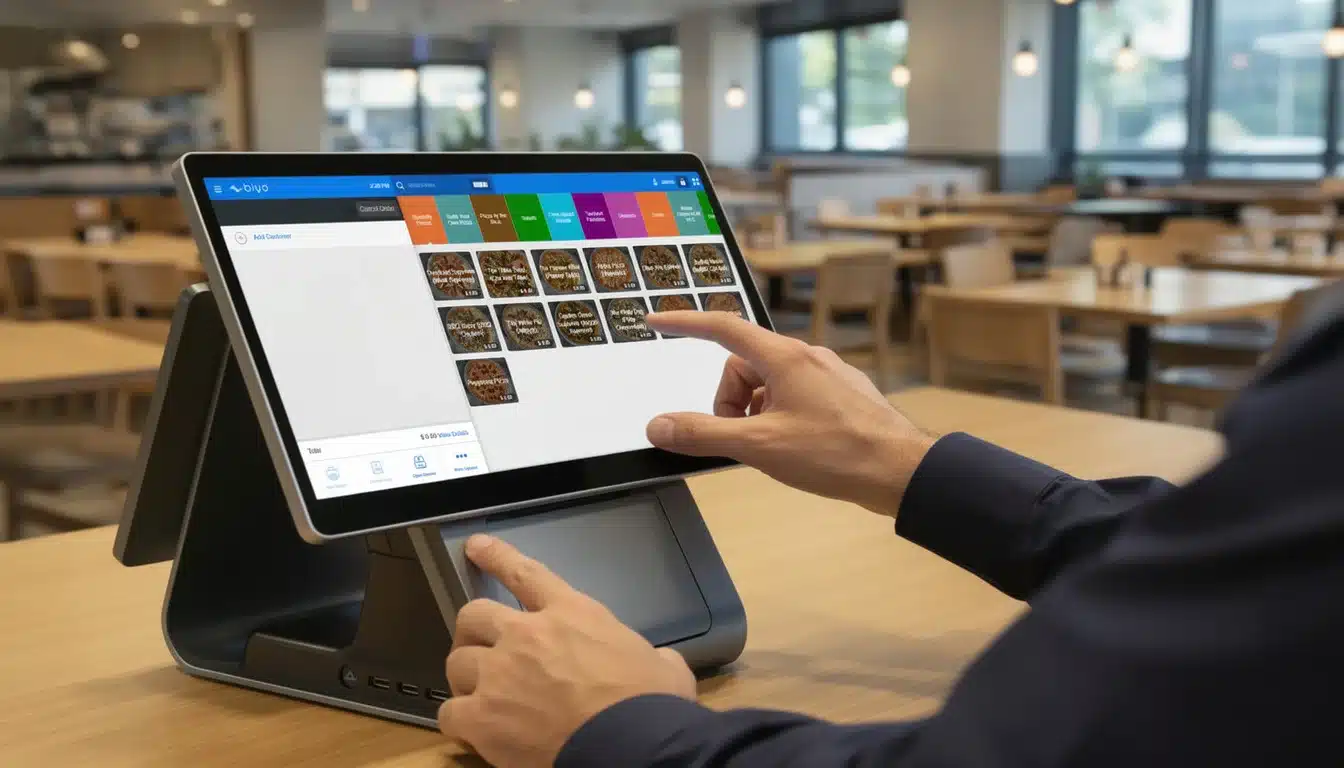
Biyo POS offers a user-friendly, comprehensive point-of-sale system designed for restaurants, providing tools for inventory management, sales tracking, and customer engagement. Whether you’re opening a sushi restaurant or any other type of eatery, Biyo POS can help streamline operations and improve your bottom line.
Frequently Asked Questions
How much does it cost to open a sushi restaurant?
The cost of opening a sushi restaurant can vary significantly depending on factors like location, size, and concept. On average, startup costs range from $250,000 to $500,000, which covers expenses such as lease agreements, kitchen equipment, staff training, and permits.
What kind of equipment is needed to open a sushi restaurant?
Key equipment for a sushi restaurant includes sushi rice cookers, commercial refrigerators for seafood storage, sushi knives, fish storage tanks, sushi display cases, and specialized kitchen tools for rice preparation and fish cutting.
How can I make my sushi restaurant stand out?
To make your sushi restaurant stand out, focus on providing an exceptional customer experience, offering unique sushi dishes, and creating a visually appealing space. Build a strong brand identity and use effective digital marketing strategies to generate buzz around your restaurant.