Cutting boards are indispensable kitchen accessories that play a vital role in food prep. Whether you are slicing vegetables, dicing meat, or chopping herbs, the right cutting board ensures safety, efficiency, and cleanliness. With a wide range of materials such as wooden boards, plastic boards, and bamboo boards, selecting the best cutting surface can seem overwhelming. This guide dives into everything you need to know about cutting boards—from material choices and design features to food safety and maintenance tips.
Table of Contents
- Types of Cutting Boards: Materials and Benefits
- Key Features to Look for in Cutting Boards
- Food Safety and Hygiene with Cutting Boards
- Maintaining and Cleaning Your Cutting Boards
- Cutting Boards in Modern Kitchens and Beyond
Types of Cutting Boards: Materials and Benefits
Choosing the right material for your cutting board is essential because it affects durability, knife safety, and food hygiene. Among the most popular materials are wooden boards, plastic boards, and bamboo boards. Each has its unique strengths and ideal use cases. Exploring these options will help you make an informed decision that suits your cooking style and kitchen needs.
Wooden Boards: Classic and Knife-Friendly
Wooden cutting boards, typically made from hardwoods such as maple, walnut, or cherry, have long been celebrated for their classic appeal and functional advantages. These boards provide a solid, yet forgiving cutting surface, which is gentle on knives, helping to maintain sharp edges longer. Their dense grain structure absorbs small knife impacts without causing deep grooves, preserving both the board’s integrity and your knife’s lifespan. For instance, chefs often prefer wooden boards when preparing delicate items like herbs or soft fruits, where precision is key.
Besides their durability and knife friendliness, wooden boards bring an elegant aesthetic to any kitchen. Their warm, natural grain patterns often double as a serving platter for cheese, charcuterie, or appetizers during gatherings. This multifunctional use elevates the kitchen experience and adds a touch of rustic charm. However, wooden boards require regular maintenance, such as oiling with food-safe mineral oil, to prevent cracking or warping caused by moisture fluctuations. An oiled wooden board also resists staining and reduces bacteria infiltration by sealing the wood fibers.
Moreover, wooden boards possess natural antibacterial properties. Scientific studies have shown that hardwood surfaces like maple inhibit bacterial growth more effectively than many synthetic materials. This occurs because the wood’s porous nature traps bacteria, which then die off over time. Nevertheless, proper cleaning and drying after each use remain crucial to keep wooden boards hygienic. For example, wiping the board with diluted vinegar or lemon juice post-cleaning can enhance its antibacterial effect without harming the wood.
Plastic Boards: Versatile and Easy to Clean
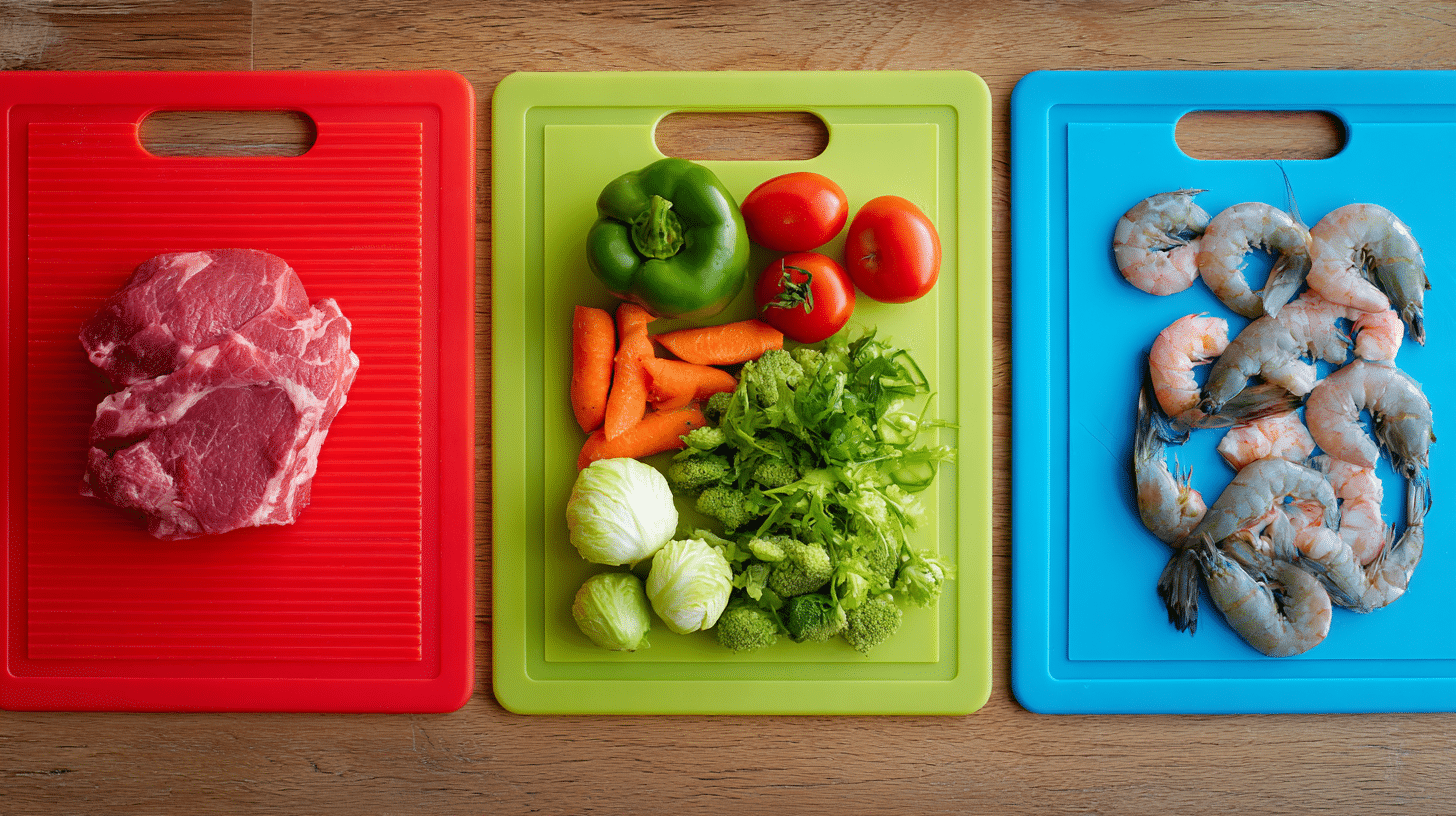
Plastic cutting boards, often made from polyethylene or polypropylene, have become a staple in modern kitchens due to their affordability, light weight, and ease of cleaning. One of their standout advantages is their compatibility with dishwashers, which provides an efficient and thorough sanitation process. This is especially important when handling raw meats or seafood, where eliminating cross-contamination is critical. For instance, a busy home cook might assign a red plastic board exclusively for raw chicken and a green one for vegetables, leveraging color-coded systems to maintain food safety.
Additionally, plastic boards often come in a variety of colors and sizes, enhancing kitchen organization and versatility. Their lightweight nature means they can be easily moved around, stored, or even used outdoors for picnics or camping. However, plastic boards can develop deep knife grooves over time, which can harbor bacteria if not cleaned properly. It’s important to inspect boards regularly and replace them if the surface becomes heavily scored. Using a plastic board with a juice groove can help contain liquids and reduce mess during food prep.
Despite some concerns about plastic’s environmental impact, many brands now offer recyclable or BPA-free plastic boards, catering to health-conscious consumers. When properly maintained, plastic boards provide a hygienic and practical surface for a variety of kitchen tasks, from chopping vegetables to slicing bread. Regular cleaning with hot, soapy water or dishwasher cycles ensures that these boards remain safe for use in any kitchen environment.
Bamboo Boards: Eco-Friendly and Durable
Bamboo cutting boards have gained popularity as an eco-friendly alternative to traditional hardwood boards. Bamboo is a fast-growing grass that regenerates quickly without the need for replanting, making it a sustainable resource. Its natural hardness surpasses many hardwoods, providing a durable and long-lasting cutting surface that resists knife marks better than many other woods. This toughness makes bamboo boards ideal for heavy chopping tasks like cutting root vegetables or breaking down poultry.
Beyond durability, bamboo boards are lightweight, making them easy to handle and store, yet sturdy enough to withstand frequent use. Many bamboo boards feature juice grooves that capture liquids and keep counters clean, enhancing their practicality. Similar to hardwood boards, bamboo requires routine care, such as oiling with mineral oil, to maintain moisture balance and prevent splitting. Without this maintenance, bamboo can become brittle and prone to cracking.
Bamboo also offers natural antibacterial properties, which, combined with proper cleaning, help maintain a hygienic food prep surface. For example, bamboo boards can be sanitized by wiping with a vinegar solution or diluted bleach, followed by thorough rinsing. This process ensures bacteria do not accumulate in the board’s fibers. For cooks who value sustainability without sacrificing functionality, bamboo boards strike a perfect balance between environmental responsibility and kitchen performance.
Key Features to Look for in Cutting Boards
When selecting cutting boards, considering specific features can significantly improve your food prep experience. Features like non-slip surfaces, juice grooves, and color-coded options ensure safety, convenience, and cleanliness. Knowing what to look for helps you choose cutting boards that align perfectly with your kitchen routines.
Non-Slip Surface: Stability for Safer Food Prep
One of the most important features to consider in a cutting board is its ability to remain stable on your countertop. Boards with a non-slip surface or rubberized feet prevent sliding and slipping, which significantly reduces the risk of accidents. For example, when slicing slippery ingredients like tomatoes or onions, a cutting board that grips firmly keeps your hands safe and your cuts precise. This stability allows you to focus fully on food prep without hesitation.
Manufacturers often incorporate silicone edges, rubber pads, or textured undersides to enhance grip. Some wooden boards feature built-in non-slip strips that keep them securely in place, even on smooth surfaces like granite or marble. Additionally, textured cutting surfaces can help prevent food items from sliding around while chopping, giving you greater control and accuracy.
In professional kitchens, non-slip boards are especially valued because they reduce preparation time and minimize injuries during busy shifts. For home cooks, investing in cutting boards with non-slip features offers peace of mind and an elevated cooking experience. Always test your cutting board’s grip before use to ensure safe, efficient food prep.
Juice Groove: Keeping Your Counter Clean
A juice groove is a shallow channel carved around the edges of a cutting board, designed to catch juices released during slicing or chopping. This feature proves invaluable when working with juicy fruits, vegetables, or raw meats. For instance, cutting a ripe watermelon or a juicy tomato often results in sticky, dripping juice. A well-designed juice groove collects these liquids, preventing spills and stains on your countertop.
Juice grooves also improve kitchen hygiene by containing potentially hazardous raw meat juices. This containment prevents cross-contamination with other foods or surfaces. Some juice grooves are deeper or removable for easier cleaning, offering added convenience. When purchasing chopping boards, look for models with smooth, easy-to-clean juice grooves to ensure hygiene and functionality.
Furthermore, juice grooves can double as a reservoir for marinating or seasoning chopped ingredients, allowing flavors to mingle right on the board. This practical feature enhances both the cooking process and cleanup efficiency. Overall, juice grooves are a simple but powerful addition that enhances your kitchen’s cleanliness and safety.
Color-Coded Boards: Enhancing Food Safety
Color-coded cutting boards provide a straightforward yet highly effective way to prevent cross-contamination. By assigning specific colors to different food categories—red for raw meat, green for vegetables, yellow for poultry, blue for seafood—home cooks and professionals can easily maintain strict hygiene standards. This method reduces the risk of foodborne illnesses by ensuring bacteria from raw proteins don’t transfer to ready-to-eat foods.
Color coding is particularly helpful in busy kitchens or for families with multiple cooks. It simplifies workflow, reduces confusion, and trains all users to follow proper food safety protocols. For example, a home cook can use a red board exclusively for raw beef and a green board for fresh herbs and salads, ensuring that harmful pathogens don’t mix with fresh produce.
Many plastic cutting board sets come with color-coded options, which are lightweight, dishwasher safe, and affordable. Even wooden or bamboo boards are now offered with colored edges or patterns to support food safety practices. Incorporating color-coded boards into your kitchen accessories is a smart investment that promotes a clean, organized, and safe cooking environment.
Food Safety and Hygiene with Cutting Boards
Maintaining food safety when using cutting boards is essential to prevent contamination and protect health. Proper handling, cleaning, and storage practices are key to keeping cutting surfaces hygienic and safe for food prep.
Antibacterial Properties of Different Materials
Different cutting board materials offer varying degrees of natural antibacterial protection. Wood, especially hardwoods like maple, contains tannins and porous structures that can trap bacteria and cause them to die off naturally. This quality makes wooden boards a safer choice when properly maintained. For example, a wooden board used exclusively for vegetables and fruits, regularly cleaned and dried, can resist bacterial buildup effectively.
Bamboo boards share similar antibacterial traits due to their dense fibers and natural compounds. Their tightly woven grain limits bacterial penetration and growth, providing a clean food prep surface when cared for properly. To enhance hygiene, many cooks treat bamboo boards with food-safe oils and clean them with natural disinfectants like lemon juice.
Plastic boards do not possess inherent antibacterial properties but can be sanitized thoroughly using hot water, soap, and dishwasher cycles. Their non-porous surface means bacteria do not penetrate deeply, but knife grooves can trap food particles if not cleaned well. Regular inspection and replacement of plastic boards help maintain food safety in this category.
Cross-Contamination Prevention Techniques
Cross-contamination is a primary cause of foodborne illnesses and can occur when bacteria from raw foods transfer to ready-to-eat items through cutting boards. Preventing this requires careful practices such as using separate boards for raw meat, poultry, seafood, and vegetables. Color-coded cutting boards make this system easy to implement and remember.
Additionally, thoroughly cleaning cutting boards after each use reduces bacteria buildup. Washing boards with hot, soapy water immediately after handling raw meat removes most contaminants. For extra precaution, sanitizing with a vinegar solution or diluted bleach helps kill lingering bacteria. Avoid placing cooked foods on boards that have held raw ingredients unless they have been properly cleaned.
Proper storage of cutting boards in a dry, ventilated area also helps prevent bacterial growth. Keeping boards upright on a rack or hung on hooks allows air circulation, drying the surfaces and discouraging mold. Combined, these strategies maintain a hygienic food prep area and protect your family’s health.
Choosing Knife-Friendly and Durable Materials
Selecting cutting boards that balance knife-friendliness and durability enhances food prep quality and safety. Knife-friendly boards, such as wooden and bamboo boards, absorb knife impact without dulling blades quickly. This prolongs the sharpness of your knives, making cutting tasks smoother and safer.
Durability ensures that boards withstand frequent use without cracking, splitting, or warping. High-quality hardwood boards or well-made bamboo boards excel in this regard, often lasting years with proper care. Plastic boards offer moderate durability but tend to develop deep grooves faster, which can harbor bacteria if not replaced regularly.
For example, a chef preparing delicate sushi or fine herbs benefits from a wooden board’s smooth surface, while heavier meat cutting might require a tougher butcher block. Matching the board’s material to your typical kitchen tasks maximizes both knife protection and board longevity.
Maintaining and Cleaning Your Cutting Boards
Proper care and cleaning of cutting boards extend their usability and maintain a hygienic food prep environment. Understanding the best cleaning techniques and maintenance routines is crucial for any kitchen enthusiast.
Easy Cleaning Tips for Different Board Types
Plastic cutting boards shine in their ease of cleaning. Most plastic boards are dishwasher safe, allowing you to sanitize them thoroughly with high temperatures and detergents. If a dishwasher isn’t available, washing plastic boards with hot, soapy water and a scrub brush works well. After washing, inspect the surface for deep cuts and replace if necessary to avoid bacteria buildup.
Wooden and bamboo boards require more careful handling. Avoid soaking them or using a dishwasher, as excess water can cause warping and cracking. Instead, wash these boards promptly after use with mild soap and warm water. Scrub gently with a sponge, rinse quickly, and dry immediately with a clean towel to prevent moisture absorption.
To keep wooden and bamboo boards in top condition, regularly apply food-safe mineral oil or beeswax. This treatment replenishes lost oils, seals the surface, and helps prevent cracking or warping. Many chefs recommend oiling boards monthly or whenever the wood appears dry. This routine not only protects the board but also maintains a smooth, knife-friendly cutting surface.
Removing Stains and Odors
Cutting boards, especially wooden and bamboo ones, can absorb stains and odors from foods like beets, garlic, or onions. To lift stains naturally, sprinkle coarse salt or baking soda onto the board’s surface. Using half a lemon, scrub the salt into the stains while squeezing lemon juice to combine the cleaning power. After scrubbing for a few minutes, rinse and dry the board thoroughly. This method brightens the surface and neutralizes strong odors without harsh chemicals.
For stubborn smells, soaking the board briefly in a vinegar and water solution helps disinfect and deodorize. Vinegar’s acidic nature breaks down odor-causing compounds, making your board smell fresh again. Remember to rinse well and dry immediately to protect the wood. Avoid using bleach on wooden boards, as it can damage fibers and leave harmful residues.
These simple, natural techniques extend your cutting board’s lifespan and ensure your kitchen smells inviting, even after chopping pungent ingredients like garlic or onions.
When to Replace Your Cutting Boards
Despite careful maintenance, cutting boards eventually wear out. It’s vital to replace them once they develop deep cuts, cracks, or severe warping. Such damage creates crevices where bacteria can hide and multiply, posing a food safety risk. For plastic boards, visible knife grooves or discoloration are clear signs it’s time for a new one. Wooden boards may last longer but should be replaced if they split or become too thin.
Regular inspection of your cutting boards is essential. If you notice a rough surface that’s hard to clean or warping that prevents a stable cutting surface, it’s safer to invest in a replacement. For instance, professional kitchens typically replace plastic boards every few months, while wooden boards may last years if well maintained.
Choosing durable materials initially and following proper care routines can extend the life of your cutting boards, but prioritizing food safety means timely replacement is always necessary. Fresh, well-maintained boards ensure cleaner, safer food prep every time.
Cutting Boards in Modern Kitchens and Beyond
Cutting boards continue to evolve as essential kitchen accessories, combining functionality with design and innovation. They play a key role in the food prep process, whether in home kitchens, professional environments, or catering setups.
Butcher Blocks and Large Cutting Surfaces
Butcher blocks represent the pinnacle of cutting board design, offering a large, sturdy surface ideal for heavy-duty chopping and butchering. Constructed from thick slabs of hardwood, these blocks withstand the force of cleavers and large knives used for breaking down whole animals or large cuts of meat. Their weight and thickness protect countertops and provide a stable workspace that doesn’t shift during intense prep.
Besides their practical benefits, butcher blocks add a timeless aesthetic to kitchens, often serving as kitchen islands or multifunctional prep stations. They can be customized with juice grooves, integrated storage, or even built-in sharpening stones. Chefs appreciate butcher blocks for their durability, ease of repair, and knife-friendliness. Routine sanding and oiling can restore a butcher block’s surface to like-new condition, making it a long-term kitchen investment.
Home cooks who prepare large meals or enjoy entertaining will find butcher blocks invaluable for their versatility and performance. From carving roasts to chopping vegetables, these large cutting surfaces accommodate various tasks with ease.
Lightweight Boards for Everyday Convenience
While butcher blocks suit heavy-duty tasks, lightweight boards offer quick, convenient options for everyday kitchen use. Plastic and bamboo boards are particularly favored for their portability and easy storage. A lightweight board can be carried around the kitchen or even outdoors for picnics, camping, or tailgating.
These boards often come in various sizes, allowing cooks to choose the perfect surface depending on the task—small boards for quick chopping or larger ones for meal prep. Their ease of cleaning, often being dishwasher safe or quick to hand wash, makes them practical for fast-paced kitchens. For example, a busy parent might keep a small plastic board handy for chopping snacks while using a larger bamboo board for dinner prep.
Lightweight boards also suit kitchens with limited counter space, where flexibility and storage are priorities. The ability to grab a board and move it freely enhances cooking flow and convenience.
Integrating Cutting Boards with Kitchen Technology
Modern kitchens increasingly embrace technology, and cutting boards are becoming part of this trend. Some boards now feature antimicrobial coatings that inhibit bacterial growth, enhancing food safety. Others incorporate integrated scales, timers, or smart sensors to track portion sizes and nutritional information, catering to health-conscious cooks.
In commercial kitchens, technology integration goes further. For instance, Biyo POS systems can synchronize with kitchen tools to streamline inventory management, track food prep stages, and ensure compliance with food safety standards. Such integration allows chefs and managers to monitor ingredient usage and waste in real time, optimizing operations.
Looking ahead, cutting boards might evolve to include embedded sensors that detect contamination or measure ingredient freshness. These innovations will further blend traditional kitchen tools with smart technology, making food prep safer and more efficient.
Biyo POS supports these modern kitchen needs by offering versatile, user-friendly point of sale solutions that integrate smoothly with kitchen workflows. Their features help restaurants and caterers track inventory, manage orders, and uphold food safety standards with ease, making them an ideal partner for kitchens that rely on quality cutting boards and other essential accessories.
Frequently Asked Questions about Cutting Boards
What is the best material for cutting boards?
Wooden and bamboo boards are excellent choices because they are knife-friendly, durable, and have natural antibacterial properties. Plastic boards are also good for their easy cleaning and color-coded options but may wear out faster.
How often should I replace my cutting board?
Replace your cutting board when it shows deep grooves, cracks, or warping. This typically means every 1-3 years for plastic boards and longer for well-maintained wooden or bamboo boards.
Can cutting boards go in the dishwasher?
Plastic cutting boards are usually dishwasher safe, while wooden and bamboo boards should be hand washed and dried immediately to prevent damage.
How do I prevent cross-contamination with cutting boards?
Use separate boards for raw meat, vegetables, and seafood. Color-coded boards are especially helpful for keeping food groups separate and reducing contamination risk.
What features should I look for in a cutting board?
Look for a non-slip surface for stability, a juice groove to catch liquids, and durable, knife-friendly materials. Color-coded sets can enhance food safety and organization.