Order accuracy is one of the most important performance indicators in any restaurant operation. Every correctly fulfilled order contributes to customer satisfaction, operational efficiency, and long-term profitability. Whether customers are dining in, ordering online, picking up takeout, or using delivery services, they expect to receive exactly what they ordered, prepared correctly and delivered on time.
Inaccurate orders create a chain reaction of problems. They increase food waste, slow kitchen operations, generate customer complaints, and can damage a restaurant’s reputation. In highly competitive foodservice environments, even small mistakes can impact customer loyalty and future revenue.
Fortunately, restaurants have more tools than ever to improve order accuracy. Modern POS systems, kitchen display technology, digital ordering platforms, staff training programs, and workflow optimization strategies all contribute to reducing errors and creating more consistent customer experiences.
This guide explores why order accuracy matters, how technology helps reduce mistakes, and what restaurants can do to build reliable systems that improve both customer satisfaction and operational performance.
Table of Contents
- The Importance of Order Accuracy in Food Service
- Technology Enhancing Order Accuracy
- Staff Training and Communication for Precise Orders
- Workflow Optimization for Error Reduction
- Measuring and Maintaining Order Accuracy
- How Biyo Helps Restaurants Improve Order Accuracy
- Frequently Asked Questions
The Importance of Order Accuracy in Food Service
Order accuracy refers to the ability to deliver exactly what the customer requested without omissions, substitutions, preparation mistakes, or communication errors. While this may seem like a basic operational requirement, maintaining consistently high order accuracy can be challenging in fast-paced restaurant environments.
Every interaction between customers, servers, kitchen staff, delivery teams, and technology systems creates opportunities for errors. Restaurants that prioritize order accuracy build stronger customer relationships while operating more efficiently.
Accurate orders improve trust, reduce operational waste, and help restaurants maintain a positive reputation in increasingly competitive markets.
Customer Satisfaction and Repeat Business
Customers expect their orders to be fulfilled correctly every time. When restaurants consistently deliver accurate orders, customers feel confident returning and recommending the business to others.
This becomes especially important when handling dietary restrictions, allergy requests, ingredient modifications, or customized orders. Correctly preparing meals according to customer instructions demonstrates attention to detail and builds trust.
Positive experiences often translate into stronger customer loyalty, better reviews, and increased word-of-mouth referrals.
Reducing Costs Associated with Mistakes
Order errors create direct financial costs for restaurants. Incorrect meals often require remakes, replacements, refunds, or discounts. These issues increase food waste, labor costs, and operational inefficiencies.
When mistakes occur frequently, restaurants spend valuable resources correcting problems instead of serving additional customers.
Improving order accuracy helps protect profitability while reducing unnecessary waste and operational disruptions.
Impact on Brand Reputation and Operational Efficiency
A restaurant’s reputation depends heavily on consistency. Customers remember both positive and negative experiences, particularly when order errors affect convenience, timing, or dietary requirements.
Restaurants known for reliable service and accurate order fulfillment often build stronger customer trust than competitors that struggle with consistency.
Operationally, fewer mistakes mean smoother workflows, less stress for employees, and better overall service quality.

Technology Enhancing Order Accuracy
Modern restaurant technology has significantly improved the ability to process orders accurately and efficiently. Digital systems help eliminate many of the communication challenges associated with traditional paper-based processes.
POS Integration and Real-Time Updates
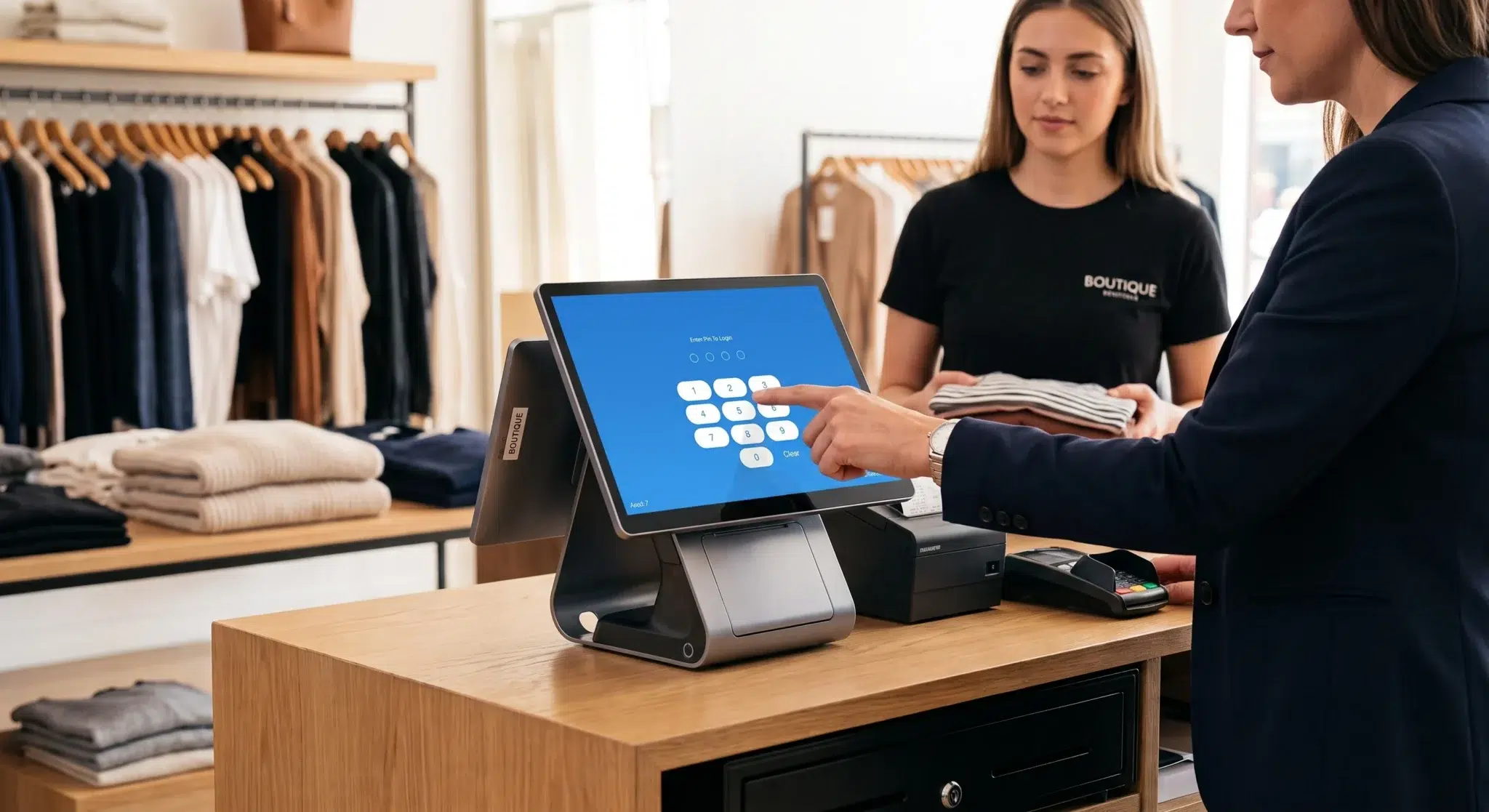
Modern POS systems serve as central communication hubs between customers, servers, kitchen staff, and management teams. Orders entered into the system can be transmitted instantly to the kitchen with all modifications and special instructions included.
This eliminates issues caused by handwritten tickets, verbal communication errors, or forgotten modifications.
Real-time updates also help staff respond quickly to menu changes, inventory shortages, and operational adjustments.
Kitchen Display Systems and Ticket Accuracy
Kitchen Display Systems (KDS) replace paper tickets with digital order screens that provide clear, organized, and highly visible instructions for kitchen staff.
Special requests, allergy alerts, modifications, and order priorities can be highlighted automatically to ensure they receive appropriate attention.
KDS technology improves communication between front-of-house and kitchen teams while reducing the likelihood of missed details.
Digital Ordering and Seamless Processing
Online ordering platforms and mobile applications allow customers to enter their own preferences directly. This reduces interpretation errors and ensures modifications are captured accurately.
When digital ordering systems integrate directly with POS platforms and kitchen displays, orders flow seamlessly through the restaurant without requiring manual re-entry.
This streamlined process improves both speed and accuracy while creating a more consistent customer experience.
Staff Training and Communication for Precise Orders
Technology alone cannot eliminate order errors. Employees remain a critical part of maintaining accuracy throughout the customer journey.
Importance of Staff Training in Order Accuracy
Well-trained employees understand how to take orders correctly, communicate effectively, and utilize technology properly. Training should cover menu knowledge, allergy procedures, modification handling, POS usage, and customer communication techniques.
Employees who understand the importance of order accuracy are more likely to pay attention to details and follow established procedures.
Ongoing training helps reinforce best practices while adapting to menu updates and operational changes.
Enhancing Kitchen Communication and Collaboration
Strong communication between front-of-house and kitchen teams reduces misunderstandings and improves operational consistency.
Clear procedures for confirming special requests, handling substitutions, and communicating inventory shortages help prevent avoidable mistakes.
Restaurants that encourage collaboration often experience smoother operations and higher order accuracy rates.
Utilizing Order Verification and Confirmation Practices
Verification procedures create additional layers of protection against errors. Servers can repeat orders back to customers before submitting them, while kitchen staff can review modifications before preparation begins.
Final order checks before food leaves the kitchen help identify potential issues before they reach customers.
These simple verification practices significantly reduce the likelihood of costly mistakes.
Workflow Optimization for Error Reduction
Operational workflows directly influence order accuracy. Efficient processes help employees manage high order volumes while maintaining attention to detail.
Implementing Efficient Order Processing Systems
Integrated systems reduce the need for duplicate data entry and manual communication. Orders should flow directly from ordering channels to the kitchen with minimal intervention.
Automation helps eliminate unnecessary steps that create opportunities for mistakes.
Streamlined workflows support both speed and consistency during busy service periods.
Standardizing Procedures to Ensure Consistency
Standard operating procedures create consistency across all aspects of order management. Employees should follow clearly documented processes for taking orders, handling modifications, preparing meals, and verifying accuracy.
Consistency helps reduce variability and improves training effectiveness.
Standardized workflows also make it easier to identify and correct operational issues when they arise.
Leveraging Quality Control and Feedback Loops
Quality control measures help restaurants monitor performance and identify recurring issues. Regular audits, manager reviews, and staff feedback sessions provide valuable insight into operational challenges.
Encouraging employees to report concerns and suggest improvements helps create a culture focused on continuous improvement.
Restaurants that actively monitor performance are better positioned to maintain high accuracy standards.
Measuring and Maintaining Order Accuracy
Improving order accuracy requires ongoing measurement and evaluation. Tracking performance helps restaurants identify trends and prioritize improvements.
Key Metrics to Monitor Order Accuracy
Restaurants can measure order accuracy using metrics such as error-free order percentages, customer complaints, refunds, remakes, and correction requests.
POS reporting systems often provide detailed operational data that helps identify where errors occur most frequently.
Monitoring these metrics consistently supports data-driven decision-making and operational improvement.
Maintaining Accuracy Through Continuous Improvement
Order accuracy should be viewed as an ongoing process rather than a one-time objective. Regular training, technology updates, workflow evaluations, and performance reviews help maintain high standards.
Recognizing employee achievements and sharing performance improvements can help reinforce positive behaviors.
Continuous improvement creates long-term operational benefits and stronger customer experiences.
Role of Customer Feedback and Adaptation
Customer feedback provides valuable insight into real-world performance. Reviews, surveys, and direct conversations often reveal issues that internal reporting may not identify.
Listening to customers helps restaurants identify opportunities for improvement while demonstrating commitment to service quality.
Businesses that adapt based on customer feedback often build stronger relationships and greater customer loyalty.

How Biyo Helps Restaurants Improve Order Accuracy
Order accuracy improves when restaurants combine effective processes with reliable technology. Biyo helps restaurants streamline communication between front-of-house staff, kitchen teams, and customers through an integrated platform designed for operational efficiency.
With POS integration, real-time order transmission, kitchen display system compatibility, and digital ordering tools, Biyo helps reduce common sources of errors while improving speed and consistency.
Restaurant operators can also access reporting and analytics tools that help identify recurring issues, monitor operational performance, and improve workflow efficiency over time.
If you’d like to see how Biyo can help improve order accuracy and streamline restaurant operations, you can schedule a consultation. Restaurants ready to explore the platform can also create an account and learn more about its capabilities.
Frequently Asked Questions
What is order accuracy?
Order accuracy refers to delivering exactly what a customer requested without errors, omissions, substitutions, or preparation mistakes.
Why is order accuracy important in restaurants?
Order accuracy improves customer satisfaction, reduces food waste, minimizes operational costs, protects brand reputation, and supports long-term customer loyalty.
How can technology improve order accuracy?
Technology such as POS systems, kitchen display systems, and digital ordering platforms helps automate communication, reduce manual entry, and ensure modifications are captured correctly.
What role does staff training play in order accuracy?
Training helps employees understand procedures, utilize technology effectively, communicate clearly, and maintain attention to detail throughout the ordering process.
How can restaurants measure order accuracy?
Restaurants commonly track order errors, customer complaints, refunds, remakes, correction requests, and overall error-free order percentages to evaluate performance.
What is a Kitchen Display System (KDS)?
A Kitchen Display System is a digital solution that replaces paper tickets by displaying orders electronically in the kitchen, helping improve communication, organization, and accuracy.
How does customer feedback help improve order accuracy?
Customer feedback helps identify recurring issues, highlight opportunities for improvement, and provide valuable insight into how operational changes affect the overall guest experience.