Starting a grocery business is an exciting venture filled with opportunities to serve your community. However, before opening your doors, it’s essential to understand the various licenses and permits for a new grocery store. These legal requirements ensure your business operates safely, meets public health standards, and complies with local, state, and federal regulations. Navigating this process can feel overwhelming, but with the right guidance, you can make it straightforward and stress-free.
In this guide, we’ll explore every major license and permit you need, from your basic business license to more specialized permits like health department approval, zoning clearance, and food handler certification. Understanding each requirement helps you stay compliant and avoid costly fines or delays when launching your store.
Table of Contents
- Business License Requirements and Registrations
- Health and Safety Permits for Grocery Stores
- Zoning, Building, and Occupancy Approvals
- Sales Tax and Resale Permits
- Specialized Food and Environmental Licenses
- How Biyo POS Simplifies Grocery Store Operations
- Frequently Asked Questions
Business License Requirements and Registrations
Every grocery business must start with the proper legal foundation. Acquiring your business license and completing state registration are the first steps toward becoming a legitimate entity. These documents authorize your store to operate within your city or county. Without them, your store could face penalties or even forced closure. Obtaining these credentials early ensures you can focus on building your brand and attracting customers.
Understanding the General Business License
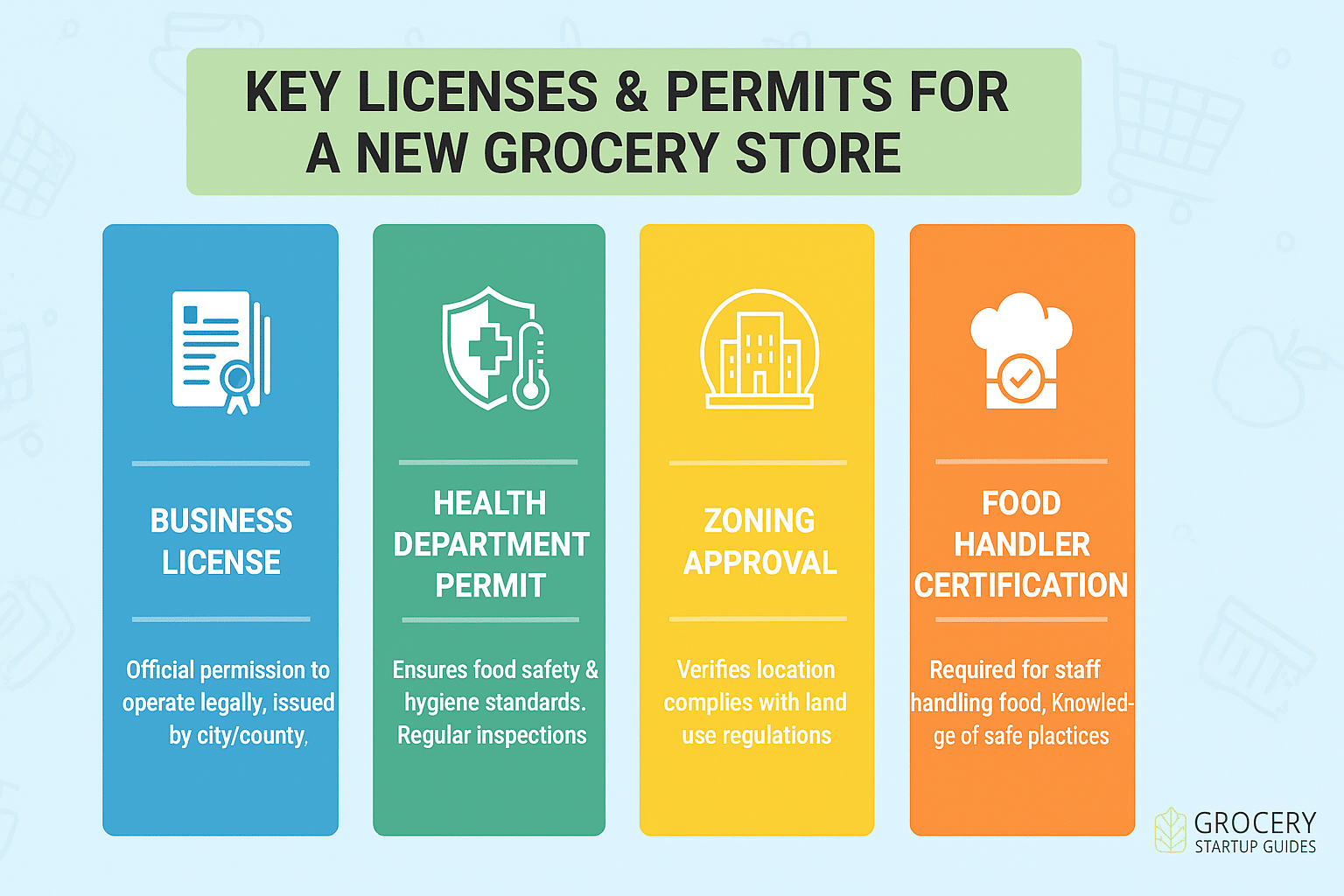
The general business license is the cornerstone of your grocery store’s legal setup. It’s issued by your city or county and certifies that your business can legally operate in that jurisdiction. Each municipality may have slightly different requirements, but typically, you’ll need to submit your business name, ownership details, and a small registration fee. This process helps the government keep records of all operating businesses for tax and regulatory purposes.
For new grocery store owners, this step establishes your identity as a formal business entity, often under a DBA (“Doing Business As”) or LLC. Many grocery startups also register their federal Employer Identification Number (EIN) during this stage to simplify tax filing and employee management. Keeping copies of all licenses and permits is critical, as inspectors often request them during routine checks.
While this might seem like a simple formality, it is a legal safeguard for both you and your customers. It signifies that your store follows proper local business regulations and is prepared to meet retail compliance standards.
Registering with the State and Obtaining Tax IDs
After securing a local business license, you must register your business with your state government. State registration ensures that your grocery store complies with broader commercial and taxation rules. This often includes filing paperwork with your state’s Secretary of State and obtaining your state tax identification number.
Many states also require separate sales tax registration for businesses that sell tangible goods, including groceries. Even if some food items are tax-exempt, your business must still report transactions accurately. Having these identifiers in place allows you to legally collect and remit sales tax where required.
Taking care of these tax-related registrations early prevents financial complications later. It also strengthens your credibility with suppliers and other partners who prefer working with legally registered businesses.
Complying with Local Business Regulations
Every county or city has unique rules for retail operations. These local business regulations may include specific operating hours, parking space requirements, or waste management guidelines. Ignoring them can result in unexpected penalties or suspension of your business license.
Before signing a lease, consult your local business development office to confirm your grocery store location meets all required standards. Some cities require additional approvals for signage or advertising displays. Staying proactive about compliance keeps your operations smooth and prevents unexpected hurdles down the road.
When you handle registration and compliance early, you can focus on the bigger picture—serving customers, managing inventory, and growing your store’s reputation.

Health and Safety Permits for Grocery Stores
Food safety is one of the most heavily regulated aspects of running a grocery store. Your store must meet local and state health department standards to ensure the food you sell is safe for public consumption. This includes obtaining a health department permit, food handler certification, and passing a public health inspection.
Health Department Permit and Food Establishment License
The health department permit confirms that your grocery store follows all necessary sanitation and hygiene standards. Health inspectors review your storage practices, refrigeration systems, employee cleanliness, and pest control measures before granting approval. This inspection protects both customers and your brand’s reputation.
In many regions, you must also obtain a food establishment license. This license certifies that your premises meet structural and equipment requirements for food handling. You’ll typically need to submit a floor plan, refrigeration specifications, and cleaning schedules to your local health authority.
Without these permits, you cannot legally store or sell perishable food. Maintaining compliance ensures you avoid shutdowns during surprise inspections and maintain customer trust in your store’s quality.
Food Handler Certification and Employee Health Permits
Every employee who handles food must hold a valid food handler certification. This certification educates staff on proper food storage, cross-contamination prevention, and safe cooking temperatures. Many states require new employees to complete this training within 30 days of hire.
Some jurisdictions also require employee health permits. These confirm that staff members are physically fit to handle food and free of contagious diseases. Regular health checks and documentation reinforce your commitment to public safety and responsible business practices.
Ensuring your employees are properly trained not only meets legal requirements but also improves efficiency. Trained staff understand how to prevent waste, maintain hygiene, and uphold food quality—saving your business time and money in the long run.
Environmental Health and Waste Disposal Permits
Beyond personal hygiene, grocery stores must also follow environmental health guidelines. An environmental health permit ensures that your store manages food waste, grease, and chemical products safely. If you sell products like cleaning agents or operate an in-store deli, this permit is mandatory.
In addition, a waste disposal permit guarantees that garbage, spoiled food, and packaging are properly removed and processed. Grocery stores generate significant waste, and compliance with disposal standards reduces health risks and supports environmental sustainability.
Following these guidelines demonstrates your store’s responsibility toward the community and local ecology, both of which strengthen your reputation as a trustworthy retailer.
Zoning, Building, and Occupancy Approvals
Before opening your grocery store, you must verify that your chosen location is legally approved for retail use. This involves obtaining zoning approval, building permits, and an occupancy permit. These permissions ensure that your property meets construction, safety, and accessibility standards.
Zoning Approval and Location Compliance
Every city has zoning laws that determine which areas can host certain types of businesses. Applying for zoning approval ensures that your grocery store operates in a properly zoned retail district. Setting up in a non-compliant area could lead to fines or eviction.
Before signing a lease, consult your local zoning department. They’ll verify whether your property qualifies for retail use and whether it meets parking, traffic, and noise restrictions. If your location doesn’t comply, you can request a zoning variance or choose another property.
Ensuring zoning compliance from the start prevents costly relocations and builds a strong foundation for your store’s long-term success.
Building and Fire Safety Permits
Once zoning is approved, the next step is securing a building permit. This permit verifies that your property’s construction and renovations comply with local codes. Whether you’re installing new shelves, electrical systems, or refrigeration units, all modifications require proper approval.
Alongside this, your store must pass a fire safety inspection. Fire inspectors review your alarms, sprinkler systems, and emergency exits to ensure customer safety. Maintaining up-to-date inspection records is crucial to avoid violations during surprise audits.
Both permits work together to ensure that your grocery store remains safe, accessible, and compliant with structural standards.
Occupancy and ADA Compliance
The final step before opening your doors is obtaining an occupancy permit. This permit verifies that your building meets safety standards and is ready for public use. Inspectors check ventilation, plumbing, and accessibility features before issuing approval.
Compliance with the Americans with Disabilities Act (ADA) is equally important. Grocery stores must provide accessible entrances, restrooms, and aisles for all customers. Failing to meet ADA requirements can result in legal penalties and harm your brand image.
These steps ensure your grocery store operates safely, inclusively, and legally from day one.
Sales Tax and Resale Permits
To legally sell goods, your grocery store must obtain a resale permit and register for sales tax. These permits help you collect taxes appropriately and buy inventory tax-free from wholesalers.
Understanding Sales Tax Registration
Sales tax registration enables your store to collect and remit taxes on taxable items. Even though groceries are often partially exempt, you still need to register to ensure compliance. Registration also simplifies bookkeeping and reporting for your accountant or tax software.
States may require monthly, quarterly, or annual tax filings depending on your revenue. Staying organized ensures you meet deadlines and avoid penalties. Keeping accurate records also helps during audits or when expanding into new regions.
Proper registration also signals professionalism to your vendors, helping you negotiate better terms and build trust.
Obtaining a Resale Permit
A resale permit allows your grocery store to purchase inventory wholesale without paying sales tax upfront. You’ll later collect sales tax from customers when selling taxable products. This process ensures taxes are collected only once per transaction chain.
Resale permits often need renewal every few years. Always keep your permit number updated with suppliers to avoid disruptions in purchasing. Some suppliers may also verify your permit status before processing large orders.
Maintaining valid permits saves money and demonstrates your store’s commitment to following retail laws responsibly.
Special Cases: Alcohol and Tobacco Sales
If your grocery store plans to sell alcohol or tobacco, you’ll need specialized permits. An alcohol license allows you to sell beer, wine, or spirits depending on your state’s restrictions. Tobacco sales require a separate retail tobacco permit.
These licenses often come with strict compliance requirements, including age verification systems, labeling standards, and product placement rules. Regular audits ensure that stores follow these policies consistently.
Having these permits not only keeps you legally protected but also opens new revenue opportunities through diversified product offerings.
Specialized Food and Environmental Licenses
Beyond standard retail permits, grocery stores must often obtain additional licenses for refrigeration, signage, and environmental safety. These specialized permits ensure your equipment, waste management, and advertising meet official guidelines.
Refrigeration Compliance and Equipment Permits
Refrigeration is at the heart of grocery operations. Local authorities often require refrigeration compliance checks to confirm your units maintain proper temperatures and use safe refrigerants. This protects perishable goods from spoilage and keeps energy consumption within approved limits.
Any installation or upgrade involving plumbing, electrical, or HVAC systems may also require a separate equipment permit. Keeping your store’s refrigeration compliant reduces energy costs and ensures consistent product quality.
Maintaining detailed maintenance logs demonstrates your ongoing commitment to safety and compliance during inspections.
Signage Permits and Advertising Compliance
Your grocery store’s exterior signage is often subject to city approval. A signage permit ensures your signs meet size, lighting, and placement regulations. These permits protect the visual harmony of your neighborhood and prevent hazards like blocked sightlines or excessive brightness.
When designing your store’s branding, work with a licensed contractor familiar with local sign ordinances. Violating signage codes can lead to costly removal orders or fines. Keeping your advertising compliant not only avoids penalties but also enhances your store’s curb appeal.
Clear and attractive signage is a powerful marketing tool when executed within legal boundaries.
Environmental Responsibility and Community Health
As communities focus on sustainability, environmental responsibility becomes a key factor in retail operations. Some municipalities require separate environmental health permits for stores that handle significant waste or recycling operations.
Grocery stores that manage composting, reusable packaging, or renewable energy initiatives may receive incentives for eco-friendly practices. Complying with these standards positions your store as a responsible community member and enhances your brand image.
Demonstrating environmental awareness not only fulfills legal obligations but also attracts eco-conscious customers who appreciate responsible business practices.
How Biyo POS Simplifies Grocery Store Operations
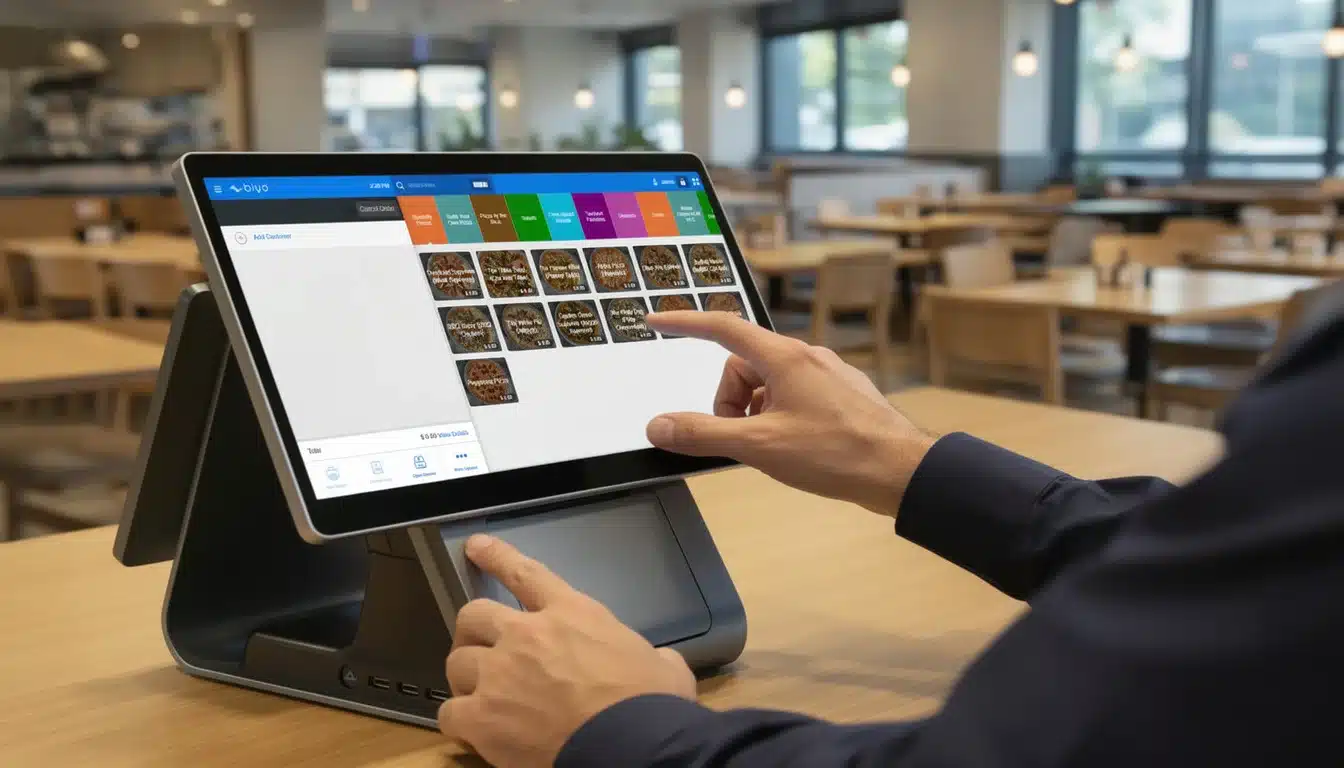
Running a grocery store requires more than just meeting licensing obligations—it demands smart tools to manage daily operations. Biyo POS offers a modern, cloud-based point-of-sale system that simplifies compliance, inventory control, and employee management. Whether you’re tracking perishable stock, monitoring sales tax, or managing staff certifications, Biyo POS helps you stay organized and efficient.
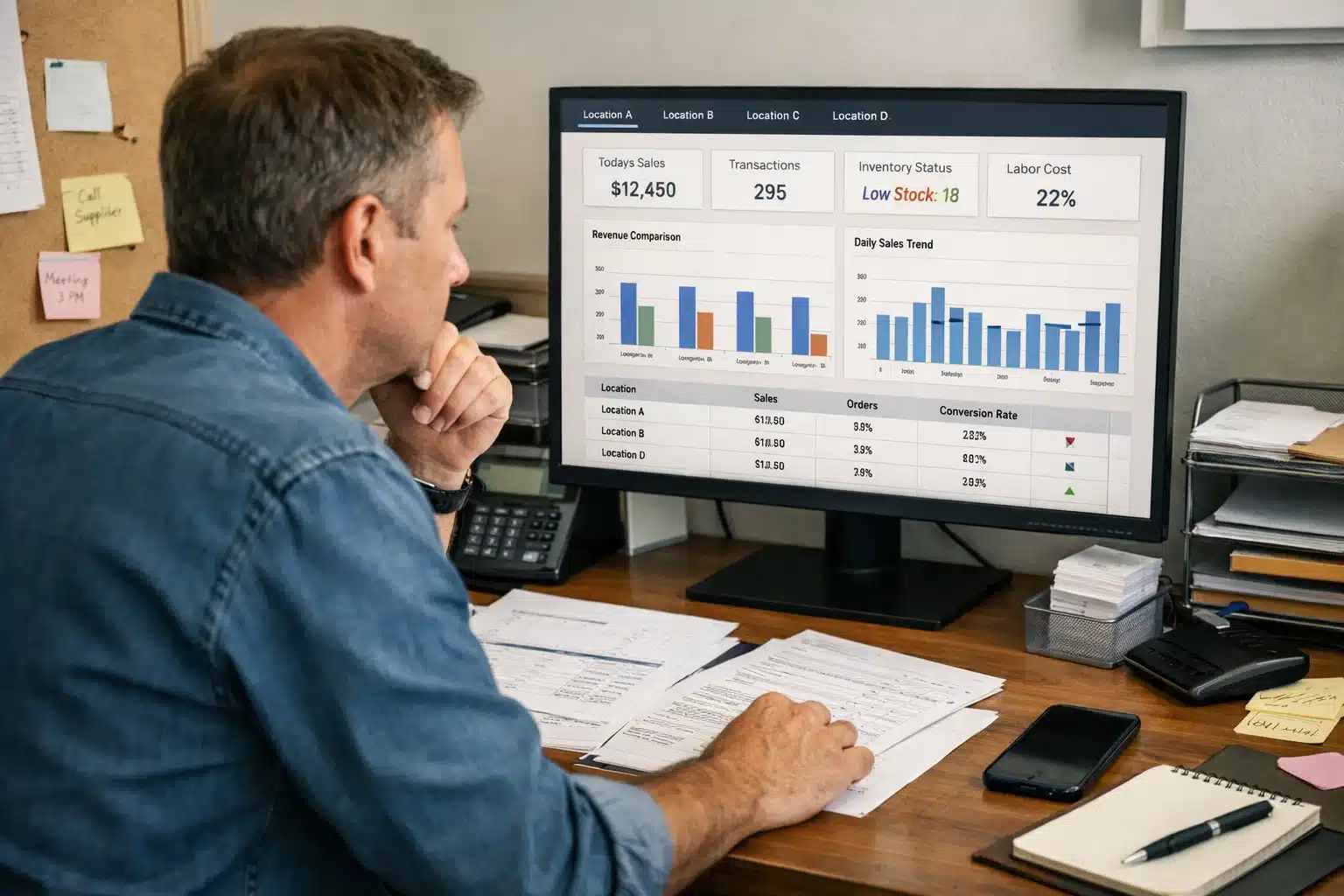
Biyo’s platform includes built-in reporting for compliance audits, real-time updates for food safety checks, and seamless integration with accounting tools. You can also handle multiple store locations, manage suppliers, and access data from anywhere.
To experience a seamless retail management solution designed for grocery businesses, sign up for Biyo POS today and take your operations to the next level.
Frequently Asked Questions
What are the essential licenses needed to open a grocery store?
You’ll need a business license, health department permit, zoning approval, and occupancy permit. Depending on your location, you may also need food handler certification, resale permits, and fire safety inspections.
Do I need a food handler certification for my grocery employees?
Yes. Employees who handle unpackaged food must complete certified food safety training. This ensures proper hygiene and compliance with health department regulations.
How long does it take to get all grocery store licenses?
The timeframe varies by location but typically takes between 30 to 90 days. Applying early and submitting complete documents helps you avoid delays.
Can I operate while waiting for my permits?
No. Operating without required permits can result in fines or business closure. Always wait for official approval before opening to the public.
How can Biyo POS help with compliance tracking?
Biyo POS offers built-in tracking tools to monitor licenses, inspections, and renewal dates, ensuring your grocery store remains compliant year-round.