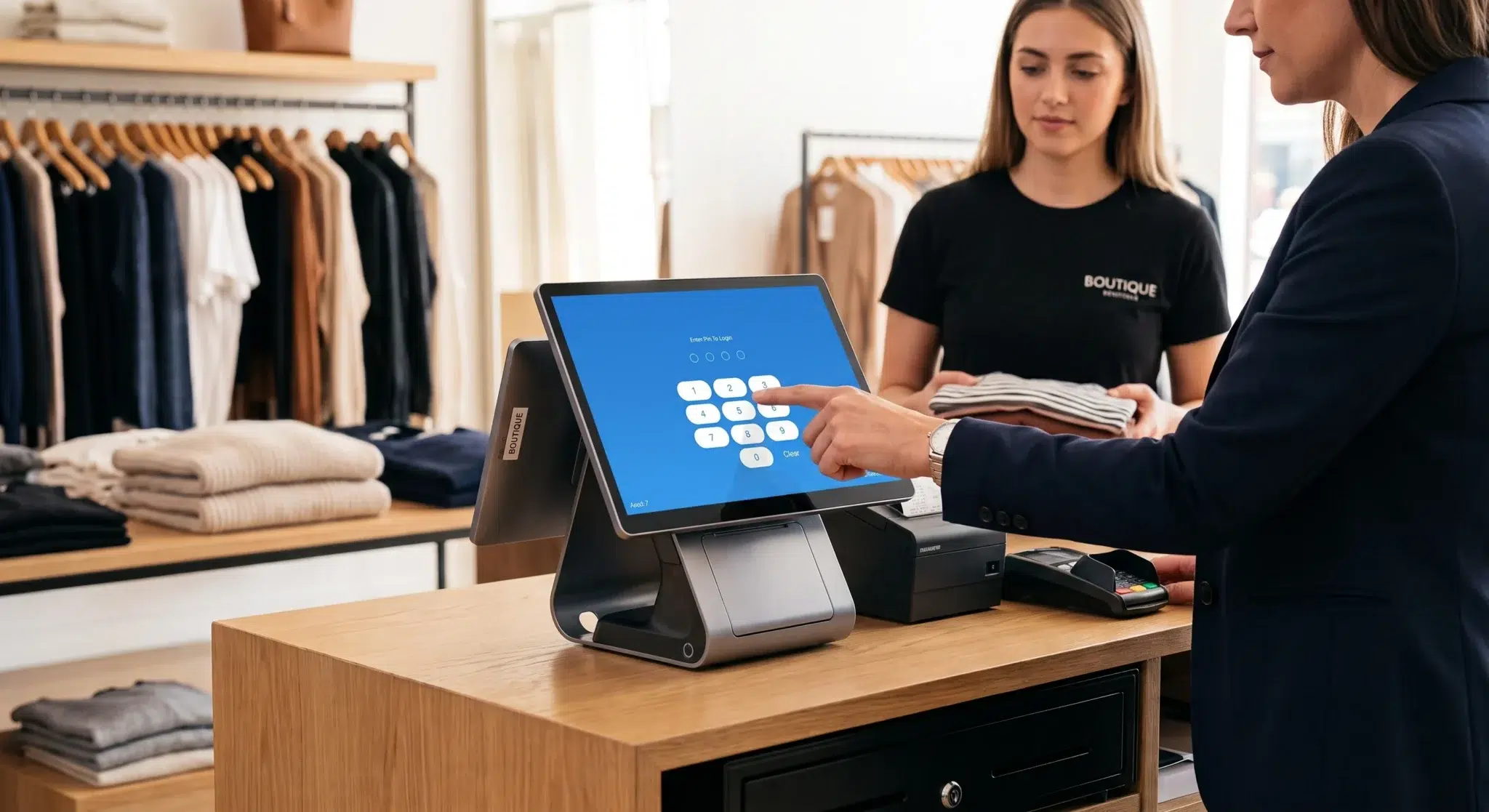
Obtaining a liquor license in Illinois is one of the most important legal and operational steps for businesses planning to sell or serve alcohol. Whether you are opening a restaurant in Chicago, a craft beer store in Springfield, a bar in Peoria, or organizing a temporary alcohol-serving event, securing the correct liquor license is essential for operating legally and avoiding major penalties.
Illinois liquor licensing is heavily regulated through both state and local authorities. Businesses must comply with rules established by the Illinois Liquor Control Commission (ILCC) while also meeting additional municipal requirements that often vary significantly depending on the city or county.
That complexity is where many business owners run into problems.
Liquor license applications in Illinois involve:
zoning verification, inspections, application fees, background checks, training requirements, local approvals, and ongoing compliance responsibilities.
Even small mistakes can delay approval for weeks or months.
For restaurants, bars, grocery stores, liquor retailers, hotels, and event organizers, alcohol sales can represent a major source of revenue and customer demand. However, selling alcohol without proper licensing or failing to maintain compliance can result in:
fines, business interruptions, lawsuits, license suspension, or permanent revocation.
That is why understanding the licensing process before opening your business is critical.
In this complete guide, we’ll explain the different types of liquor licenses in Illinois, how the application process works, major compliance requirements, common mistakes businesses make, licensing costs, local versus state regulations, and how businesses can maintain long-term compliance successfully.
Table of Contents
- Types of Liquor Licenses in Illinois
- The Illinois Liquor License Application Process
- Key Requirements for a Liquor License in Illinois
- Maintaining Compliance After Approval
- Liquor License Costs and Fees in Illinois
- Common Liquor License Application Mistakes
- Local vs. State Liquor License Rules
- Why Compliance Matters for Illinois Businesses
- How Technology Helps with Liquor License Compliance
- How Biyo POS Helps Illinois Businesses Stay Compliant
- Frequently Asked Questions
Types of Liquor Licenses in Illinois
Illinois offers several categories of liquor licenses depending on how and where alcohol will be sold.
Choosing the correct license type is extremely important because each category includes different rules, operational limitations, and compliance obligations.
The three primary categories are:
- On-premise liquor licenses
- Off-premise liquor licenses
- Special event liquor licenses
Additional subcategories may apply depending on your business model and municipality.
On-Premise Liquor License
An on-premise liquor license allows businesses to sell and serve alcohol for consumption at the business location itself.
This license is commonly used by:
restaurants, bars, lounges, hotels, breweries, nightclubs, and entertainment venues.
For example, a Chicago steakhouse with an on-premise license may legally serve:
wine, cocktails, beer, and spirits directly to customers dining inside the establishment.
Obtaining this type of license usually requires:
health inspections, zoning approval, fire safety compliance, and responsible alcohol service training.
Some municipalities also require neighborhood hearings where local residents can provide feedback before approval.
Businesses holding on-premise licenses must also maintain ongoing compliance related to:
ID verification, intoxication management, alcohol storage, sales reporting, and operating hours.
Off-Premise Liquor License
An off-premise liquor license allows businesses to sell alcohol in sealed containers for consumption elsewhere.
This license is typically used by:
liquor stores, grocery stores, convenience stores, and specialty beverage retailers.
For example, a grocery store in Illinois may sell:
bottled wine, packaged beer, or sealed liquor containers for customers to take home.
However, customers cannot consume alcohol inside the store unless separate permissions are granted.
Off-premise licenses often include stricter rules related to:
sales hours, product handling, age verification procedures, and inventory management.
Some Illinois communities also limit the number of off-premise licenses available, making approval more competitive.
Special Event Liquor License
Special event liquor licenses are designed for temporary alcohol service at:
festivals, fundraisers, weddings, fairs, corporate gatherings, concerts, and private events.
These licenses are usually issued for short periods ranging from one day to several days depending on the event.
Applicants often need to provide:
security plans, insurance documentation, event layouts, crowd management procedures, and age verification protocols.
For example, a three-day craft beer festival in Illinois may require:
temporary alcohol permits, security staff, fencing plans, and municipal approval before operating legally.
Despite their temporary nature, special event licenses still carry serious compliance responsibilities.
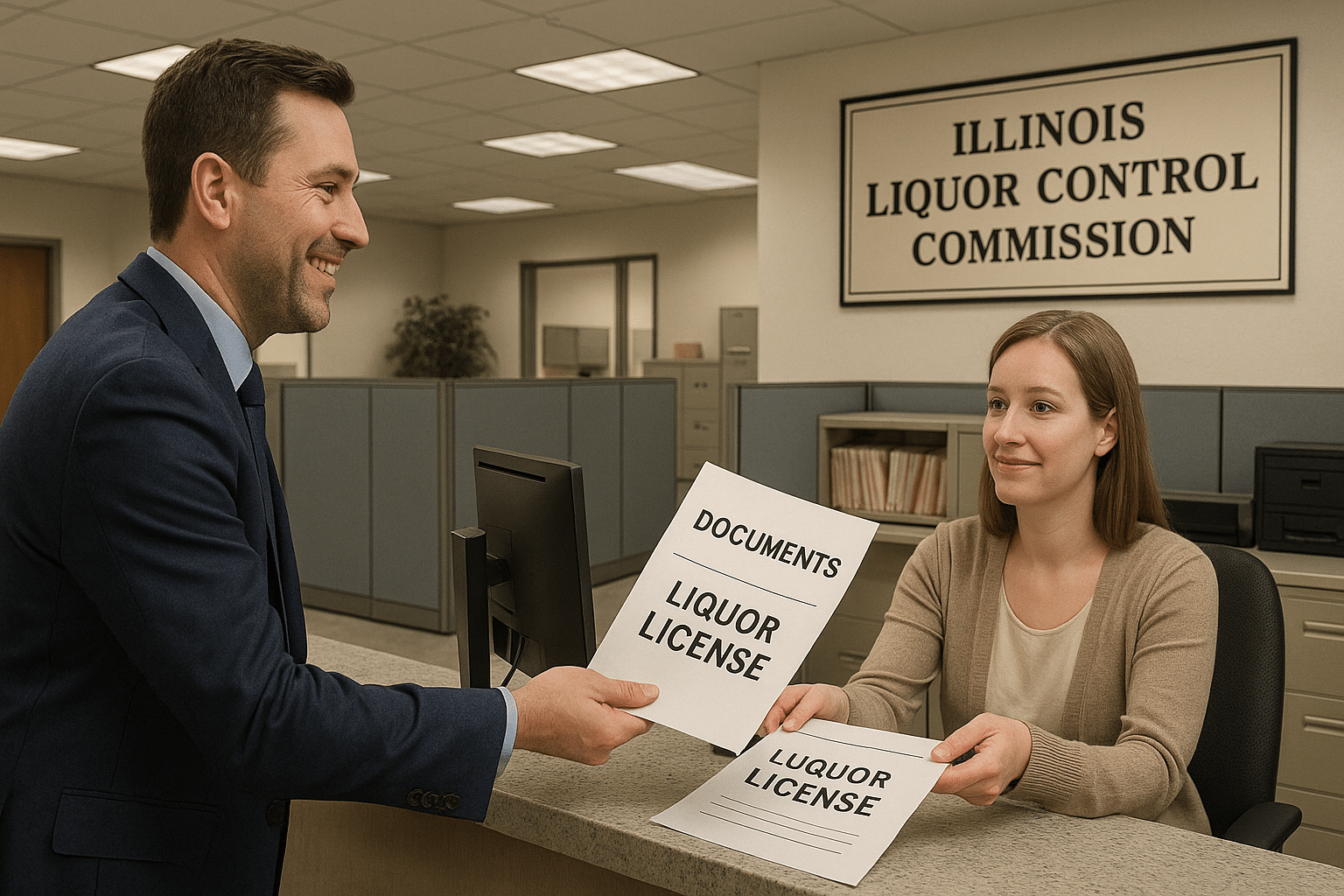
The Illinois Liquor License Application Process
The liquor license application process in Illinois involves both state and local approvals.
Businesses must usually receive approval from their municipality before final authorization from the Illinois Liquor Control Commission.
The process typically involves several major steps.
Preparing Documentation
Before applying, businesses should gather all required documents.
Common requirements include:
- Business registration documents
- Articles of incorporation or LLC paperwork
- Lease agreements or proof of property ownership
- Zoning approval documentation
- Tax identification numbers
- Business floor plans
- Background check information
- Health department certifications
Many applications are delayed simply because documentation is incomplete or outdated.
Businesses should also verify local zoning regulations before signing leases or investing heavily in buildouts.
Some Illinois areas prohibit alcohol sales entirely or impose distance restrictions near:
schools, churches, parks, or residential zones.
Submitting the Application
After documentation is prepared, businesses submit applications to both:
local liquor authorities and the Illinois Liquor Control Commission.
Application fees vary significantly depending on:
license type, municipality, and business category.
In Chicago, some liquor licenses cost several thousand dollars annually, while smaller towns may charge only a few hundred dollars.
Applications often require notarization and formal signatures.
Some municipalities allow online submissions while others require in-person filing.
After submission, regulators review:
ownership structure, criminal history, zoning compliance, operational plans, and supporting documentation.
Inspections and Final Approval
Most liquor license applications require inspections before approval.
Inspectors may evaluate:
fire safety systems, emergency exits, lighting, signage, kitchen compliance, alcohol storage, and surveillance systems.
Businesses may also undergo:
background investigations and community hearings depending on location.
Once all inspections and approvals are completed successfully, the liquor license is issued and must be displayed visibly at the business location.
Key Requirements for a Liquor License in Illinois
Illinois liquor licensing requirements exist primarily to protect public safety and ensure responsible alcohol sales.
While requirements vary slightly by municipality, several core obligations apply broadly.
Background Checks
The Illinois Liquor Control Commission conducts background checks on:
owners, officers, and sometimes managers listed on liquor license applications.
Convictions involving:
fraud, alcohol-related violations, violent offenses, or certain financial crimes may impact eligibility.
Businesses should always disclose relevant information honestly because failing to report criminal history can create more serious problems than the conviction itself.
Zoning Compliance
Zoning approval is one of the most important parts of the application process.
Your business location must legally permit alcohol sales under local zoning rules.
Municipal zoning boards may evaluate:
parking availability, neighborhood impact, operating hours, building layout, and proximity to restricted locations.
Ignoring zoning requirements is one of the fastest ways to lose time and money during the application process.
Responsible Alcohol Service Training
Many Illinois municipalities require alcohol-serving employees to complete:
state-approved responsible beverage service training programs.
Training usually covers:
- ID verification procedures
- Recognizing intoxication signs
- Refusing service properly
- Preventing underage alcohol sales
- Understanding Illinois alcohol laws
Businesses should maintain updated training records because inspectors may request documentation during audits or investigations.
Maintaining Compliance After Approval
Receiving a liquor license is only the beginning.
Businesses must maintain ongoing compliance throughout the life of the license.
Illinois regulators regularly conduct:
scheduled inspections, surprise audits, complaint investigations, and renewal reviews.
Violations may result in:
fines, temporary suspension, restrictions, or permanent revocation.
License Renewals
Most Illinois liquor licenses require annual renewal.
Businesses must usually submit:
updated business information, renewal fees, and proof of ongoing compliance.
Missing renewal deadlines can interrupt alcohol sales and damage business operations.
Many businesses create compliance calendars to avoid missed deadlines.
Routine Inspections
Inspectors may review:
employee certifications, signage, surveillance systems, alcohol storage practices, and age verification procedures.
Businesses should remain inspection-ready at all times rather than preparing only during renewal periods.
Internal compliance audits help businesses identify problems early before regulators issue penalties.
Adapting to Law Changes
Illinois liquor laws continue evolving over time.
Municipalities may change:
alcohol sales hours, outdoor service regulations, entertainment rules, or security requirements.
Businesses should monitor:
ILCC updates, municipal ordinances, and industry association announcements regularly.
Failing to adapt to regulatory changes can create unintentional violations.
Liquor License Costs and Fees in Illinois
The total cost of obtaining and maintaining a liquor license in Illinois depends on:
license category, municipality, operational complexity, and compliance requirements.
Application Fees
Initial application costs may range from:
a few hundred dollars to several thousand dollars annually.
For example:
Chicago liquor licenses are typically much more expensive than licenses in smaller towns or rural areas.
Special event permits usually cost less because they are temporary.
Ongoing Compliance Costs
Businesses should also budget for:
- Annual renewal fees
- Employee training programs
- Security systems
- Legal consultations
- Compliance software
- Insurance coverage
- Inspection preparation
These recurring costs are often overlooked during business planning.
Hidden Expenses
Unexpected expenses may include:
zoning appeals, legal representation, neighborhood hearings, technology upgrades, and emergency compliance corrections.
Businesses increasingly invest in:
age verification scanners, POS systems, digital inventory tracking, and compliance monitoring tools to reduce operational risk.
Common Liquor License Application Mistakes
Many businesses delay their liquor license approval because of preventable mistakes.
Submitting Incomplete Applications
Missing signatures, incorrect forms, outdated zoning letters, and incomplete background information commonly delay approvals.
Using application checklists helps businesses avoid simple errors.
Ignoring Local Regulations
Some applicants focus only on state requirements while overlooking local rules.
However, municipalities often impose stricter standards than the state itself.
Ignoring local ordinances may result in rejection even if state-level requirements are satisfied.
Underestimating Processing Time
Liquor license approval can take:
45 days to six months depending on location and license type.
Businesses should begin the process early rather than waiting close to opening dates.
Rushed applications usually create more mistakes and delays.
Local vs. State Liquor License Rules
Illinois uses a dual regulatory system involving both:
state-level oversight and local municipal authority.
This creates additional complexity because businesses must comply with both levels simultaneously.
State-Level Rules
The Illinois Liquor Control Commission establishes:
licensing categories, training standards, enforcement procedures, and statewide alcohol regulations.
State rules apply uniformly throughout Illinois.
Local Authority Rules
Municipal governments may impose stricter requirements related to:
- Operating hours
- Entertainment restrictions
- Zoning rules
- Outdoor alcohol service
- License quotas
- Security requirements
For example, some Chicago precincts prohibit alcohol sales entirely while other areas impose stricter operational conditions.
Balancing Both Levels of Compliance
Businesses must follow whichever regulation is stricter.
If state law allows alcohol sales until 2 a.m. but local rules require midnight closure, businesses must stop alcohol sales at midnight.
Multi-location businesses operating across several Illinois cities may require different compliance procedures at each location.
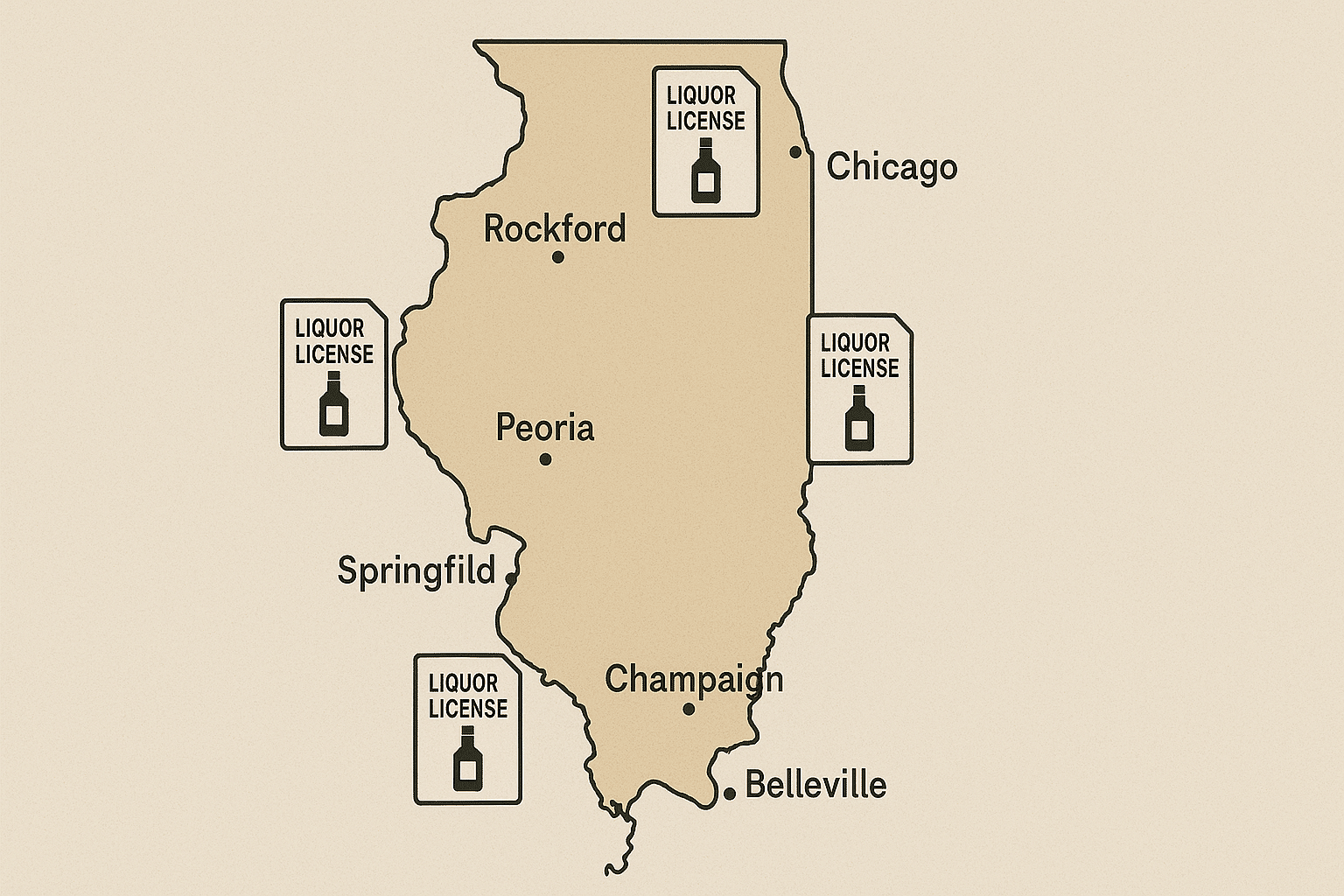
Why Compliance Matters for Illinois Businesses
Liquor license compliance affects much more than legal operation.
Strong compliance protects:
business reputation, customer trust, operational stability, and long-term profitability.
Alcohol-related violations can create:
negative publicity, lawsuits, financial penalties, insurance problems, and licensing restrictions.
Businesses that prioritize compliance usually experience:
better operational consistency, lower legal risk, stronger customer confidence, and smoother regulatory relationships.
Compliance also improves employee accountability because expectations remain clear and consistently enforced.
How Technology Helps with Liquor License Compliance
Modern businesses increasingly use technology to simplify alcohol compliance responsibilities.
POS systems and compliance software can help businesses manage:
- Age verification
- Employee training records
- Sales reporting
- Inventory monitoring
- Audit preparation
- Transaction tracking
- Operational reporting
Automated systems reduce manual errors while improving documentation accuracy.
Technology also improves operational visibility, helping managers identify compliance issues before regulators intervene.
For businesses handling high alcohol sales volume, integrated operational tools often become essential for long-term risk management.
How Biyo POS Helps Illinois Businesses Stay Compliant
Biyo POS helps Illinois businesses simplify liquor license compliance through integrated cloud-based management tools.
The platform supports:
age verification workflows, inventory tracking, sales reporting, employee management, transaction analytics, and operational monitoring.
Businesses can use these tools to:
improve compliance visibility, reduce manual mistakes, maintain accurate records, and streamline alcohol sales operations.
Biyo POS also helps businesses manage employee accountability and operational consistency more effectively.
If you want to modernize your liquor sales operations and simplify compliance management, you can explore the platform directly through the Biyo POS signup page.
Frequently Asked Questions
How long does it take to get a liquor license in Illinois?
The process may take anywhere from 45 days to six months depending on the municipality, license category, inspections, and local hearing requirements.
Do businesses need both local and state approval?
Yes. Illinois liquor licensing requires approval from both local liquor authorities and the Illinois Liquor Control Commission.
What are common reasons liquor license applications get delayed?
Common delays include incomplete paperwork, zoning issues, missing documents, failed inspections, and local approval problems.
Can liquor licenses be revoked after approval?
Yes. Violations involving underage sales, overserving customers, operating outside approved hours, or repeated compliance failures may result in suspension or revocation.
Are employee alcohol service training programs mandatory?
Many Illinois municipalities require employees serving alcohol to complete state-approved responsible beverage service training programs.
How does Biyo POS help businesses with liquor license compliance?
Biyo POS helps businesses manage age verification, reporting, inventory tracking, operational monitoring, and employee accountability through integrated cloud-based tools.