Running a catering business across multiple locations is not just about scaling operations—it’s about maintaining consistency, controlling costs, and delivering the same quality experience everywhere. As operations expand, complexity increases exponentially. This is where multi-location catering management becomes essential.
Instead of relying on disconnected tools and manual coordination, modern catering businesses use centralized systems to unify scheduling, inventory, logistics, and reporting. The result is faster decision-making, reduced operational friction, and scalable growth without chaos.
This guide breaks down how to manage multi-site catering operations effectively, where businesses typically fail, and what actually drives efficiency at scale.
Table of Contents
- Centralized Operations and Scheduling
- Inventory Synchronization and Kitchen Workflow
- Delivery Logistics and Order Tracking
- Cross-Location Reporting and Analytics
- Client, Billing, and Vendor Management
- Implementation Strategy (What to Do First)
- How Biyo Solves Multi-Location Complexity
- FAQ
Centralized Operations and Scheduling
Managing multiple catering locations without a centralized system creates fragmentation. Schedules conflict, communication breaks down, and resources are misallocated. Centralized systems eliminate this by giving management full visibility across all operations.
Staff Coordination Without Chaos
Each location has different staffing needs, and manual scheduling quickly becomes inefficient. Centralized scheduling platforms allow managers to assign staff based on availability, role, and demand across all sites.
This reduces idle time, prevents shortages, and balances workloads. Staff also gain access to schedules in real time, improving accountability and reducing back-and-forth communication.
Event Scheduling at Scale
When handling multiple events across locations, visibility is everything. A unified scheduling system allows managers to view all bookings, timelines, and resource requirements in one place.
This prevents overlaps, ensures proper resource allocation, and allows proactive planning instead of reactive problem-solving.
Integrated Communication Systems
Scattered communication tools create delays and errors. Centralized communication platforms ensure that updates, changes, and instructions reach the right teams instantly.
This alignment reduces operational mistakes and ensures every team works from the same information.

Inventory Synchronization and Kitchen Workflow
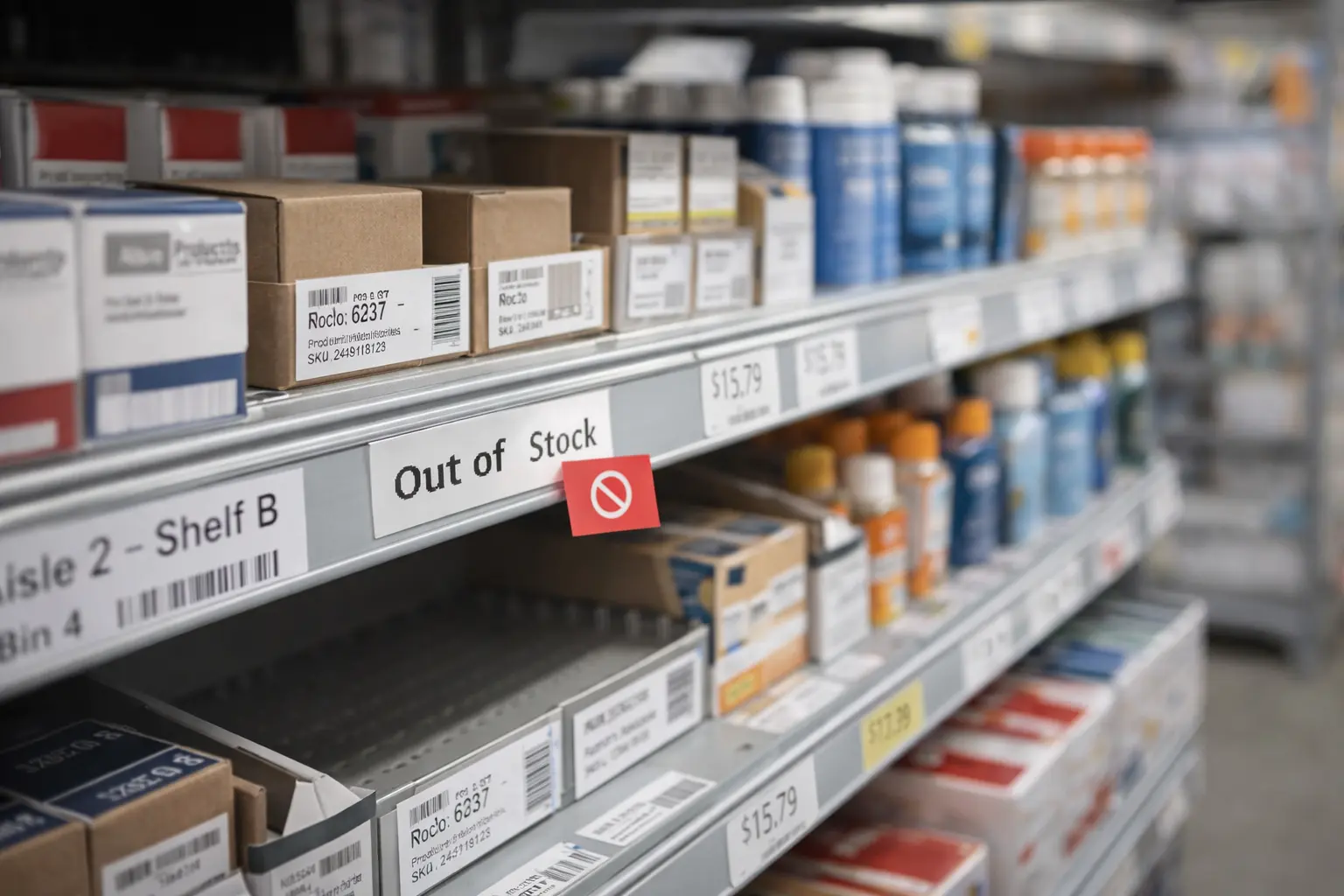
Inventory mismanagement is one of the biggest profit leaks in catering businesses. Without synchronized data, locations either overstock or run into shortages.
Real-Time Inventory Visibility
Centralized inventory systems allow all locations to update stock levels automatically. Managers can see availability across all branches and redistribute resources instead of placing redundant orders.
This reduces waste and improves cost efficiency.
Kitchen Workflow Standardization
Consistency is critical in catering. Standardized workflows ensure that every dish meets the same quality regardless of location.
Digital kitchen systems assign tasks, display orders in real time, and reduce confusion between front and back of house teams.
Vendor and Cost Control
Managing suppliers across multiple locations requires centralized oversight. Tracking vendor performance, pricing, and delivery times ensures better negotiation and cost control.
This creates a more efficient and predictable supply chain.
Delivery Logistics and Order Tracking
Delivery is where operational efficiency directly impacts customer experience. Delays or errors damage trust quickly.
Smart Routing Systems
Route optimization tools use real-time data to determine the fastest delivery paths. This reduces delays, lowers fuel costs, and ensures timely service.
Real-Time Order Tracking
Tracking systems provide visibility for both managers and clients. Customers can see order status, while managers can monitor delivery progress and resolve issues proactively.
Performance Analytics
Tracking delivery metrics such as time, accuracy, and cost allows continuous improvement across all locations.
Cross-Location Reporting and Analytics
Data is what separates scalable businesses from struggling ones.
Real-Time Insights
Managers can monitor revenue, costs, and performance across all locations instantly. This enables faster decision-making and better control.
Comparative Analysis
Comparing locations reveals which strategies work best. High-performing locations become models for others.
Customer Feedback Integration
Analyzing feedback across locations helps identify recurring issues and improve service quality.
Client, Billing, and Vendor Management
Operational efficiency is not just internal—it extends to client relationships and financial systems.
Centralized Client Data
Maintaining a unified client database ensures consistent service across all locations.
Automated Billing
Automating invoices and payments reduces errors and improves cash flow.
Vendor Coordination
Centralized vendor management improves accountability and ensures consistent supply quality.

Implementation Strategy (What to Do First)
This is where most catering businesses fail—they try to implement everything at once.
Instead, prioritize in this order:
- Step 1: Centralize scheduling and communication
- Step 2: Implement inventory synchronization
- Step 3: Optimize delivery and logistics
- Step 4: Introduce analytics and reporting
- Step 5: Automate billing and client management
This phased approach reduces disruption and ensures each system is properly adopted before scaling further.
The biggest mistake is trying to scale without structure. Systems must come before growth.
How Biyo Solves Multi-Location Complexity
Biyo POS directly addresses the challenges outlined above by combining scheduling, inventory, reporting, and billing into one platform.
Instead of juggling multiple tools, businesses get a centralized system that:
- Synchronizes operations across locations
- Provides real-time data for decisions
- Reduces manual workload
- Improves operational consistency
This is not just convenience—it’s operational control.
To see how it works, you can schedule a demo or sign up here.
FAQ
What is multi-location catering management?
It is the process of managing operations across multiple catering sites using centralized systems.
What is the biggest challenge?
Maintaining consistency and coordination across locations.
What should be implemented first?
Scheduling and communication systems.
How does technology help?
It centralizes data, automates workflows, and improves decision-making.
Is it suitable for small businesses?
Yes, especially those planning to scale.