The concept of the non-prix fixe menu offers diners a refreshing alternative to traditional set-price meal options. Unlike fixed menus where guests pay a single price for a predetermined sequence of dishes, this approach embraces flexibility, allowing guests to pick and choose items according to their preferences. This style reflects the growing demand for customizable dishes and a dining experience that prioritizes individual tastes and dynamic ordering. If you love having the freedom to select meals without being bound by fixed prices, the non-prix fixe menu might just be the perfect fit for you.
Table of Contents
- What Is a Non-prix Fixe Menu?
- Advantages of Non-prix Fixe Menus
- How Non-prix Fixe Differs From À La Carte
- Customization and Flexibility in Dining
- Implementing Non-prix Fixe Menus with Biyo POS
- Frequently Asked Questions
What Is a Non-prix Fixe Menu?
The non-prix fixe menu is a style of menu that contrasts sharply with the traditional prix fixe menus commonly found in many fine dining restaurants. Rather than offering a fixed series of courses for one price, this menu features individual pricing for each dish. This allows customers to tailor their meal to suit their appetite and budget. Diners can pick single items or combine various dishes as they wish, creating a truly personalized dining experience.
Origins and Definition of Non-prix Fixe
The term “prix fixe” translates to “fixed price” in French, typically referring to a menu where guests pay one set fee for multiple courses. The non-prix fixe menu breaks away from this concept by removing the predetermined pricing structure. This style emphasizes freedom of choice and itemized billing, which allows guests to select dishes independently rather than as part of a rigid package. This shift aligns with modern diners’ preferences for flexibility and variety, making it easier for restaurants to cater to diverse tastes.
This approach to dining has roots in the growing popularity of à la carte menus and customizable meal options, which provide a more tailored experience. Many chefs and restaurateurs began noticing that diners prefer the freedom to pick exactly what they want, rather than following a fixed course structure. As a result, the non-prix fixe menu offers a way to combine the benefits of à la carte and more personalized dining options into one.
For example, a restaurant might offer a rotating selection of appetizers, mains, and desserts, each priced separately. Guests can mix and match items—perhaps starting with a seasonal salad, choosing a chef’s special entrée, and ending with a simple sorbet, all without paying a flat fee. This kind of open menu system reflects the contemporary dining landscape where flexibility and guest preference drive meal choices.
Key Characteristics of a Non-prix Fixe Menu
Several features set the non-prix fixe menu apart from fixed-price menus. One of the most important is itemized billing. Each dish is priced individually, so guests see the exact cost of every selection, which allows for transparency and more control over spending. This is especially valuable for diners who want to try just one course or create a multi-course meal without overpaying.
Another defining characteristic is selective ordering. Unlike prix fixe menus where customers must accept all courses, the non-prix fixe menu empowers guests to pick exactly what they desire. For example, someone might order only a main dish without an appetizer or dessert, or vice versa. This flexibility also benefits those with dietary restrictions, as they can avoid dishes containing allergens without disrupting a set menu.
Moreover, the menu variety in a non-prix fixe setting tends to be broad and dynamic. Chefs often include specials, seasonal ingredients, or dishes that highlight local flavors. A restaurant might offer a grilled salmon with a customizable sauce selection or a pasta dish with options for portion size. This diverse and tailored approach enhances the dining experience, providing customers with choices that suit their mood, appetite, and budget.
Examples of Non-prix Fixe Menus in Practice
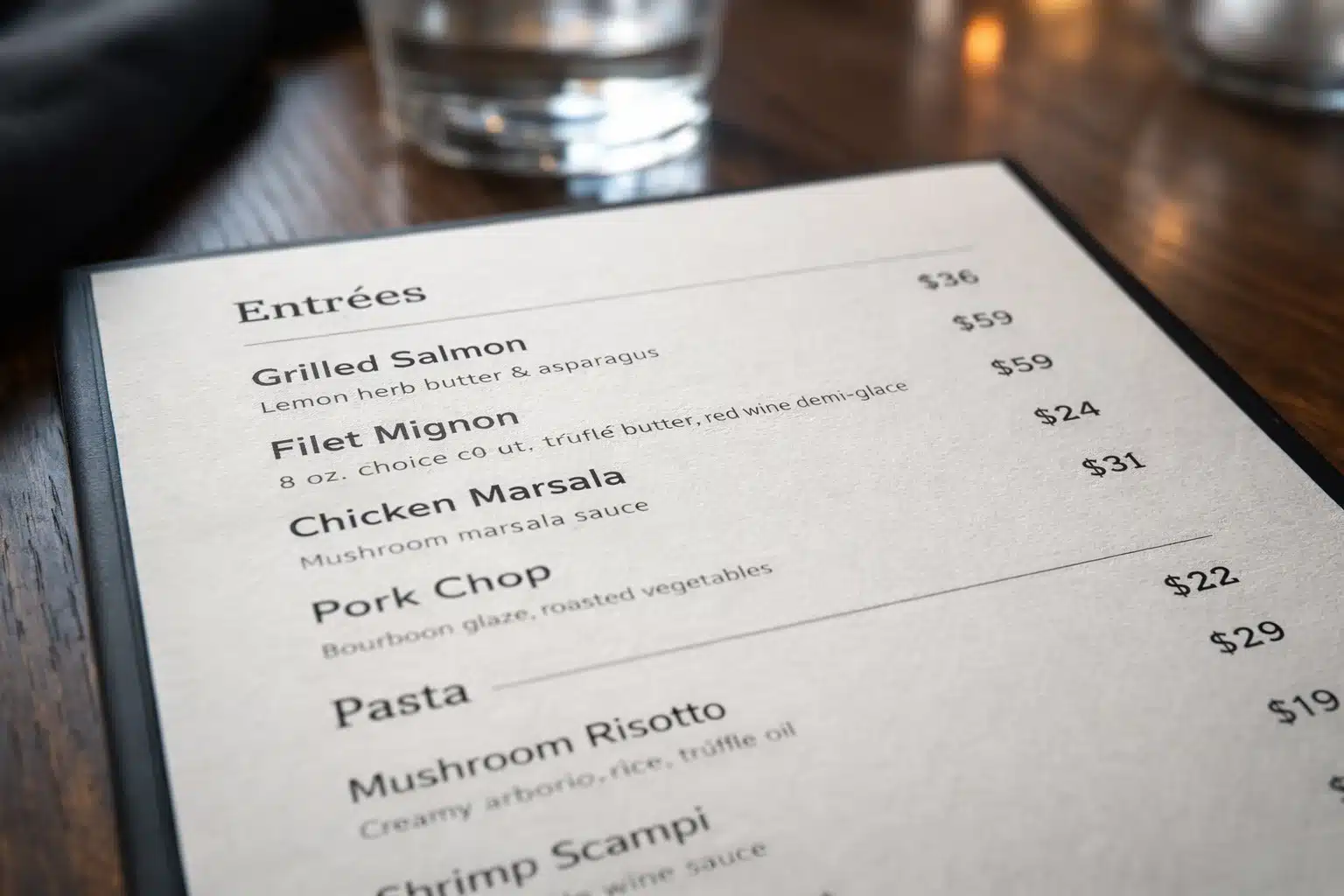
Many bistros and casual fine dining establishments adopt the non-prix fixe menu style to cater to varied customer preferences. For instance, a popular restaurant may feature a menu where the appetizer could be anything from a light gazpacho priced at $8 to a heartier charcuterie board at $18. Mains might include dishes like a customizable steak with add-ons or a vegetarian risotto available in different portion sizes.
These menus allow guests to create combinations that work best for them. Someone might opt for three small plates instead of a traditional three-course meal or choose to indulge in a large entrée alone. Restaurants that use this approach often highlight chef’s specials or seasonal dishes that can be swapped out weekly, giving regular customers new experiences without changing the entire menu.
In practice, the non-prix fixe menu can also include options like build-your-own salads, where customers select ingredients and dressings at individual prices. This makes dining highly personalized and interactive. This level of flexibility appeals not only to food enthusiasts but also to those who prefer clear and straightforward pricing without surprises on the bill.
Advantages of Non-prix Fixe Menus
The non-prix fixe menu offers numerous advantages that benefit both customers and restaurants. By embracing flexibility and customization, it addresses modern dining preferences and improves operational efficiency. Let’s delve deeper into these benefits.
Empowering Customer Preference
One of the greatest strengths of the non-prix fixe menu lies in empowering customer preference. Diners gain complete control over what and how much they order, making it easier to match meals with appetite, taste, and budget. For example, a guest who prefers smaller portions can choose just one or two dishes instead of a full set menu, reducing waste and increasing satisfaction.
Additionally, guests with dietary restrictions or specific tastes benefit greatly. They can avoid unwanted ingredients without fear of missing out on a whole meal, something often difficult with prix fixe options. This customization can lead to a more positive dining experience and higher likelihood of repeat visits.
Restaurants that highlight this empowerment tend to build stronger relationships with their clientele. Offering personalized meals shows respect for individual needs and makes dining feel more welcoming and tailored. This approach resonates especially well with millennials and Gen Z diners, who value customization highly.
Offering Menu Diversity and Flexibility
Another key advantage is the ability to offer broad menu diversity and flexibility. Because dishes are individually priced and not part of a fixed set, chefs can experiment more freely. Seasonal ingredients, daily specials, or trending cuisines can be incorporated without altering the entire menu structure.
For example, a chef may feature a seasonal mushroom risotto one week and switch to a fresh seafood dish the next. This keeps the menu exciting and encourages repeat business from guests eager to try new options. Flexibility also helps restaurants adjust quickly to ingredient availability or cost fluctuations.
This dynamic approach benefits the kitchen as well. By focusing on a wider range of customizable dishes rather than rigid set meals, chefs can respond more effectively to customer feedback and trends. Ultimately, the non-prix fixe model fosters innovation and keeps the dining experience fresh and appealing.
Streamlining Restaurant Operations and Billing
From an operational perspective, the non-prix fixe menu simplifies billing and inventory management. Itemized billing ensures guests receive clear invoices detailing exactly what they ordered and how much it costs. This transparency builds trust and reduces confusion at the end of the meal.
Additionally, restaurants can better forecast ingredient needs by tracking sales of individual items rather than fixed meal sets. For example, if a popular appetizer consistently sells well on its own, the kitchen can increase stock accordingly. This reduces waste and helps maintain profitability.
Modern point-of-sale systems like Biyo POS enhance these benefits by offering seamless order tracking, easy menu updates, and detailed reporting. This technology supports restaurants in managing the complexities of a flexible, customizable menu while maintaining excellent service speed and accuracy.
How Non-prix Fixe Differs From À La Carte
At first glance, the non-prix fixe menu and à la carte dining may appear very similar since both focus on individual dish selection and pricing. However, subtle differences distinguish these concepts in practice and philosophy.
Understanding À La Carte Dining
À la carte dining allows guests to select individual dishes, each priced separately, creating a meal tailored to personal preference. Typically, the menu is divided into starters, mains, and desserts, with set prices for each dish. This model is traditional and well-established in many restaurants worldwide.
While à la carte offers flexibility in selection, it usually maintains a fixed menu structure with a clear sequence of courses. For example, customers are expected to choose one appetizer, one main, and optionally a dessert, with prices set per item but with little room for altering dishes or portions.
This style suits formal dining where guests want to pick from classic dishes, often prepared in standard ways. Although guests can create their own meal combinations, customization beyond selecting menu items is generally limited.
Distinctive Features of Non-prix Fixe Menus
The non-prix fixe menu goes beyond à la carte by emphasizing meal customization and dynamic menu updates. Unlike static à la carte menus, non-prix fixe menus often allow diners to customize portion sizes, swap ingredients, or combine dishes more freely. This approach creates a more interactive and personalized dining experience.
For instance, a non-prix fixe menu might offer a build-your-own pasta option where customers select type of pasta, sauce, protein, and vegetables, each priced separately. This level of flexibility is typically absent in traditional à la carte menus, which present fixed dishes.
Furthermore, non-prix fixe menus tend to change more frequently, highlighting seasonal or chef’s specials alongside regular items. This dynamic nature makes the menu feel more alive and adaptable to customer preferences and ingredient availability.
Customer Experience Differences
From a customer perspective, dining with a non-prix fixe menu often feels more personal and less restrictive. The ability to choose portion sizes or ingredient substitutions means guests get exactly what they want, enhancing satisfaction.
In contrast, à la carte dining, while flexible, often adheres to fixed dish compositions with limited customization. This can be less appealing to those who want to experiment or require dietary modifications. For example, a gluten-free diner may struggle to adapt à la carte options but find non-prix fixe menus more accommodating.
Ultimately, the non-prix fixe model offers a more open and interactive experience, inviting guests to participate in creating their perfect meal rather than simply ordering off a fixed menu.
Customization and Flexibility in Dining
Modern diners crave meals that fit their unique tastes, lifestyles, and dietary needs. The non-prix fixe menu embraces this trend by offering unparalleled customization and flexible ordering options that traditional menus often lack.
The Rise of Personalized Meals
Personalized meals allow diners to choose not only what they eat but also how they eat it. This includes selecting ingredients, adjusting portion sizes, and combining dishes in innovative ways. The non-prix fixe menu supports this movement by pricing dishes individually and allowing modifications, making it easy for guests to craft meals tailored specifically to them.
For example, a guest may order a salad but ask for additional protein like grilled chicken or tofu at an extra cost. They might also choose to have a dressing on the side or substitute a gluten-free base. These options improve the dining experience by respecting individual preferences and needs.
This trend also fits dietary lifestyles such as keto, veganism, or food allergies, helping restaurants accommodate a broader clientele without complicating menu design.
Flexible Ordering and Dynamic Menus
Flexible ordering means guests are not confined to predetermined courses or meal structures. They can select any combination of items, adjust portions, or skip courses entirely. This freedom makes dining more enjoyable and less stressful, particularly for groups with diverse tastes.
Dynamic menus complement this flexibility by frequently updating offerings based on seasons, ingredients, or chef creativity. A non-prix fixe menu can easily incorporate daily specials or limited-time dishes without disrupting pricing models.
For instance, a restaurant might offer a winter menu featuring hearty root vegetable dishes, then switch to lighter, fresh seafood options in summer. Because pricing is itemized, these changes occur seamlessly, keeping the menu exciting and relevant.
Balancing Menu Variety with Operational Efficiency
While extensive menu variety is desirable, it can challenge kitchen operations and inventory management. The non-prix fixe menu balances this by enabling customizable orders while maintaining manageable ingredient stocks and workflows.
Restaurants can analyze sales data of individual items to forecast demand accurately and minimize waste. For example, if a particular customizable dish gains popularity, the kitchen can prepare accordingly, ensuring consistent quality and availability.
Utilizing systems like Biyo POS, restaurants streamline order tracking, pricing adjustments, and inventory updates, enabling them to offer menu diversity without compromising efficiency or profitability.
Implementing Non-prix Fixe Menus with Biyo POS
Adopting a non-prix fixe menu requires a point-of-sale system capable of handling individual dish pricing, flexible ordering, and dynamic menu management. Biyo POS is designed with these needs in mind, making it an excellent partner for restaurants looking to implement or optimize such menus.
Seamless Itemized Billing and Order Management
Biyo POS enables restaurants to assign separate prices to each menu item, simplifying billing and providing transparency for customers. When guests order customizable dishes or several single items, the system accurately calculates totals and generates clear receipts showing every charge.
This capability reduces errors, speeds up payment processes, and builds trust with diners who appreciate seeing exactly what they are paying for. Additionally, Biyo POS’s intuitive interface allows staff to quickly input custom orders, reducing wait times and improving service quality.
For example, a server can easily add a special request for an ingredient substitution or portion adjustment without hassle, and the system updates pricing accordingly. This flexibility supports the non-prix fixe dining philosophy perfectly.
Flexible Menu Configuration and Updates
Biyo POS allows restaurants to modify menus instantly to reflect new dishes, price changes, or chef’s specials. This flexibility supports the dynamic nature of non-prix fixe menus by making it easy to keep offerings fresh and exciting.
Restaurants can highlight seasonal items, limited-time offers, or customizable options without reprinting menus or disrupting operations. For instance, adding a new appetizer with several customizable toppings is straightforward, and the POS system handles pricing for each variant.
This agility helps restaurants respond quickly to trends, ingredient availability, and customer feedback, maintaining a competitive edge in a fast-evolving dining market.
Insights and Reporting to Optimize Menu Offerings
One of the key benefits of Biyo POS is its powerful reporting tools, which provide detailed insights into sales trends, popular dishes, and customer preferences. For restaurants with non-prix fixe menus, this data is invaluable for fine-tuning menu offerings and pricing strategies.
For example, if a particular customizable dish sells exceptionally well, managers can promote it more heavily or adjust inventory to meet demand. Conversely, underperforming items can be re-evaluated or removed to streamline the menu.
These data-driven decisions help improve profitability, reduce waste, and enhance the overall guest experience. Biyo POS empowers restaurants to operate their non-prix fixe menus efficiently while catering precisely to customer desires.

For restaurants aiming to offer a modern, flexible dining experience through a non-prix fixe menu, Biyo POS is the perfect technological partner. Its robust features simplify order management and billing while enabling creative menu customization and dynamic updates, helping you delight your customers and boost your bottom line.
Frequently Asked Questions
What exactly does non-prix fixe mean?
Non-prix fixe means a menu without a fixed price for a set meal. Instead, each dish is priced separately, allowing guests to choose and pay for individual items according to their preference.
How is a non-prix fixe menu different from à la carte?
Although both feature individually priced dishes, a non-prix fixe menu often allows greater customization, portion control, and frequent menu updates. It offers a more dynamic dining experience compared to the typically static à la carte menus.
Can I customize my meal on a non-prix fixe menu?
Yes. The non-prix fixe menu encourages customization such as ingredient substitutions, portion size adjustments, and combining dishes in various ways, all priced individually.
Why do restaurants choose non-prix fixe menus?
Restaurants adopt non-prix fixe menus to offer greater flexibility, cater to diverse customer preferences, manage inventory efficiently, and provide transparent pricing, enhancing customer satisfaction.
How does Biyo POS support non-prix fixe menus?
Biyo POS supports non-prix fixe menus through flexible menu management, itemized billing, fast order processing, and detailed analytics, helping restaurants optimize operations and improve guest experiences.