Opening a restaurant in Kansas is both an ambitious and rewarding journey. With its vibrant hospitality industry, supportive business environment, and diverse dining culture, Kansas offers aspiring restaurateurs many opportunities to succeed. Cities like Wichita, Kansas City, and Overland Park continue to see growth in local dining scenes, creating demand for unique restaurant concepts and quality food experiences.
However, launching a restaurant requires more than culinary passion. Successful restaurateurs must understand licensing requirements, zoning laws, startup costs, staffing strategies, and marketing techniques. Careful planning ensures that new restaurant owners avoid costly mistakes while building a strong foundation for long-term profitability.
This guide walks through the most important steps involved in opening a restaurant in Kansas. From obtaining licenses and choosing the right location to managing startup costs and building strong supplier relationships, you’ll learn the essential strategies needed to start and grow a successful Kansas restaurant.
Table of Contents
- Understanding Licenses and Permits
- Choosing the Right Location and Zoning
- Managing Startup Costs and Equipment
- Menu Planning and Supplier Selection
- Restaurant Marketing and Community Engagement
- How Biyo POS Supports Restaurant Owners
- Frequently Asked Questions
Understanding Licenses and Permits
Before opening a restaurant in Kansas, securing the proper licenses and permits is essential. These approvals ensure your restaurant operates legally while protecting public safety and maintaining industry standards.
Business License and Registration
The first step in opening a restaurant in Kansas is registering your business with the Kansas Secretary of State. Many restaurant owners choose an LLC because it separates personal and business liabilities. After registration, you must obtain an Employer Identification Number (EIN) from the IRS, which is required for payroll, taxes, and hiring employees.
Additionally, Kansas businesses must comply with local city licensing requirements. Cities often require restaurants to obtain operational permits before opening. These licenses confirm that your business meets legal requirements for operating in that municipality.
Food Service Permits and Health Department Approval
Restaurants must also obtain food service permits from the Kansas Department of Agriculture or the local health department. Health inspectors evaluate commercial kitchens for sanitation, food storage safety, and cross-contamination prevention.
Proper kitchen design is critical to passing inspections. Restaurants must provide adequate refrigeration, maintain safe cooking temperatures, and separate raw food preparation from ready-to-eat foods. Meeting these requirements ensures both compliance and food safety.
Liquor License and Compliance Rules
Restaurants planning to serve alcohol must apply for a liquor license through Kansas Alcoholic Beverage Control. Different licenses allow different alcohol types, such as beer, wine, or full mixed beverages.
Alcohol sales often increase restaurant profits, but strict compliance rules apply. Staff must check identification carefully and avoid serving intoxicated customers. Violations can result in fines or suspension of your liquor license.

Choosing the Right Location and Zoning
Location plays a major role in restaurant success. Kansas offers a wide range of environments, from urban restaurant districts to suburban communities and rural towns.
Understanding Zoning Requirements
Zoning regulations determine where restaurants are legally allowed to operate. Local zoning offices confirm whether a property can be used for food service.
Restaurant spaces must also meet fire safety regulations, ADA accessibility requirements, and building codes. Working with contractors experienced in restaurant construction helps ensure compliance.
Evaluating Customer Accessibility
Accessibility affects how easily customers can reach your restaurant. Key factors include parking availability, proximity to busy streets, and nearby residential or commercial areas.
Understanding local demographics helps restaurants align their concept with neighborhood preferences. A casual café may thrive near college campuses, while a family restaurant may perform better in suburban areas.
Lease Negotiations and Legal Considerations
Restaurant leases often include important legal clauses affecting operations. Some leases restrict signage, exhaust systems, or outdoor seating.
Hiring a commercial real estate attorney can help identify hidden costs or unfavorable lease conditions. Negotiating favorable lease terms protects your financial stability during the early stages of your business.
Managing Startup Costs and Equipment
Startup costs represent one of the biggest challenges when opening a restaurant in Kansas. Careful budgeting prevents financial stress during the early months of operation.
Estimating Startup Costs
Startup costs depend on the restaurant’s size and concept. Small cafés may require around $80,000 to $150,000 in startup capital, while full-service restaurants may exceed $500,000.
Expenses typically include renovations, kitchen equipment, furniture, inventory, licensing fees, and employee training.
Investing in Restaurant Equipment
Commercial kitchens require specialized equipment such as ovens, refrigeration units, dishwashers, prep stations, and storage systems.
Energy-efficient appliances reduce long-term operating costs and improve sustainability.
Balancing Payroll and Hiring Costs
Labor costs are one of the largest ongoing expenses for restaurants. Kansas employers must comply with wage laws, workers’ compensation rules, and tax regulations.
Providing competitive wages and positive workplace culture helps reduce employee turnover.
Menu Planning and Supplier Selection
Your restaurant menu defines your brand identity and directly influences profitability.
Crafting a Menu That Fits Your Market
Restaurants should design menus that match their target audience and neighborhood demographics.
Using menu engineering strategies helps promote high-profit items while maintaining customer satisfaction.
Working with Local Suppliers
Many Kansas restaurants work with local farms and vendors to source fresh ingredients. Supporting local suppliers strengthens community relationships while ensuring quality products.
Ensuring Food Safety and Quality
Restaurants must train employees on proper food handling procedures, safe cooking temperatures, and sanitation practices. Consistent quality control builds customer trust and encourages repeat visits.
Restaurant Marketing and Community Engagement
Once your restaurant opens, marketing becomes essential for attracting customers and building long-term brand recognition.
Building a Strong Brand Identity
Your restaurant brand includes your logo, interior design, menu style, and overall customer experience.
Leveraging Digital Marketing Tools
Social media platforms allow restaurants to promote dishes, events, and promotions. High-quality food photos and engaging posts help attract new customers.
Engaging with the Local Community
Community involvement strengthens restaurant reputation. Sponsoring local events, collaborating with nearby businesses, and participating in charity events can increase visibility and customer loyalty.

How Biyo POS Supports Restaurant Owners
Opening and managing a restaurant involves many operational challenges. Technology can simplify these processes significantly.
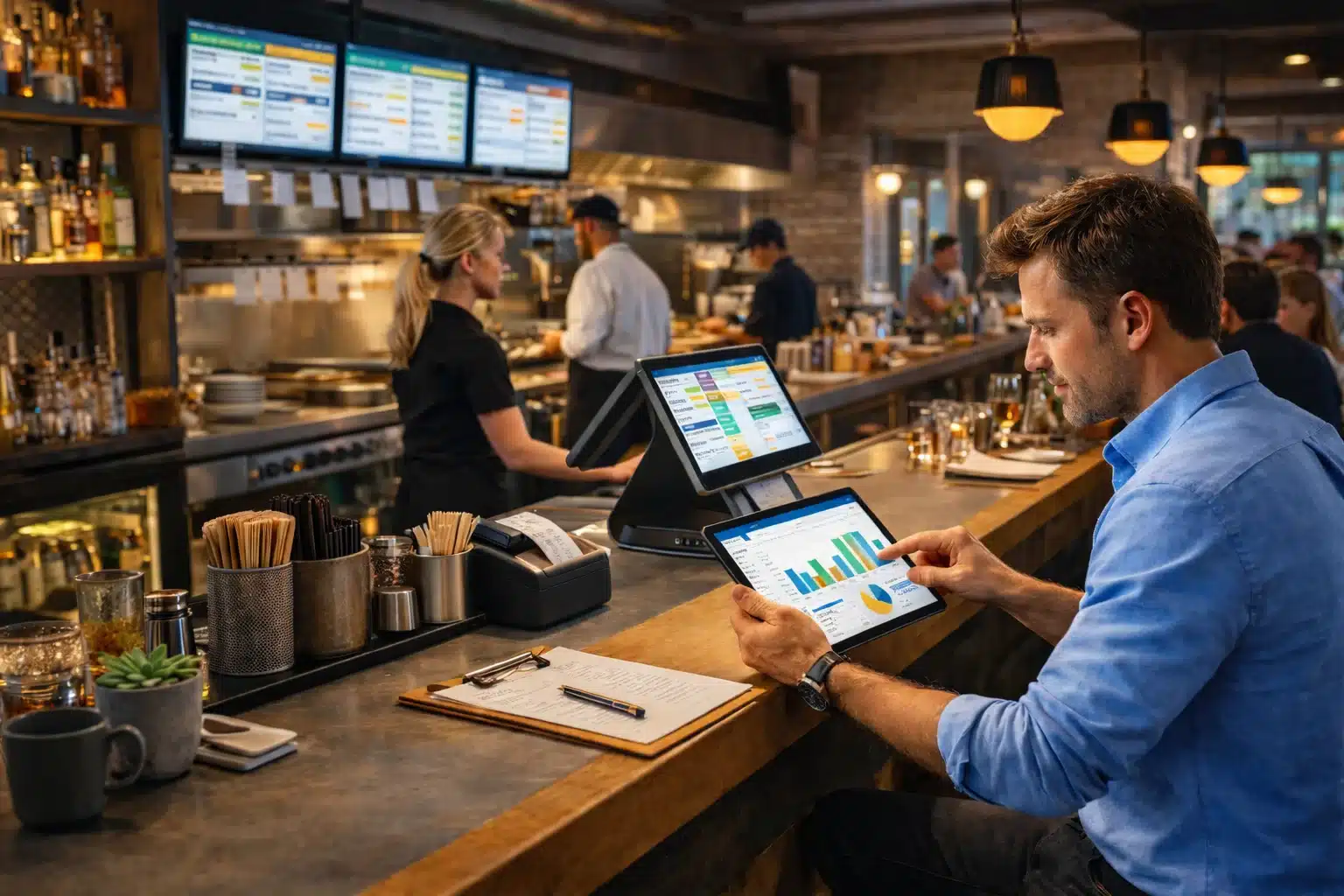
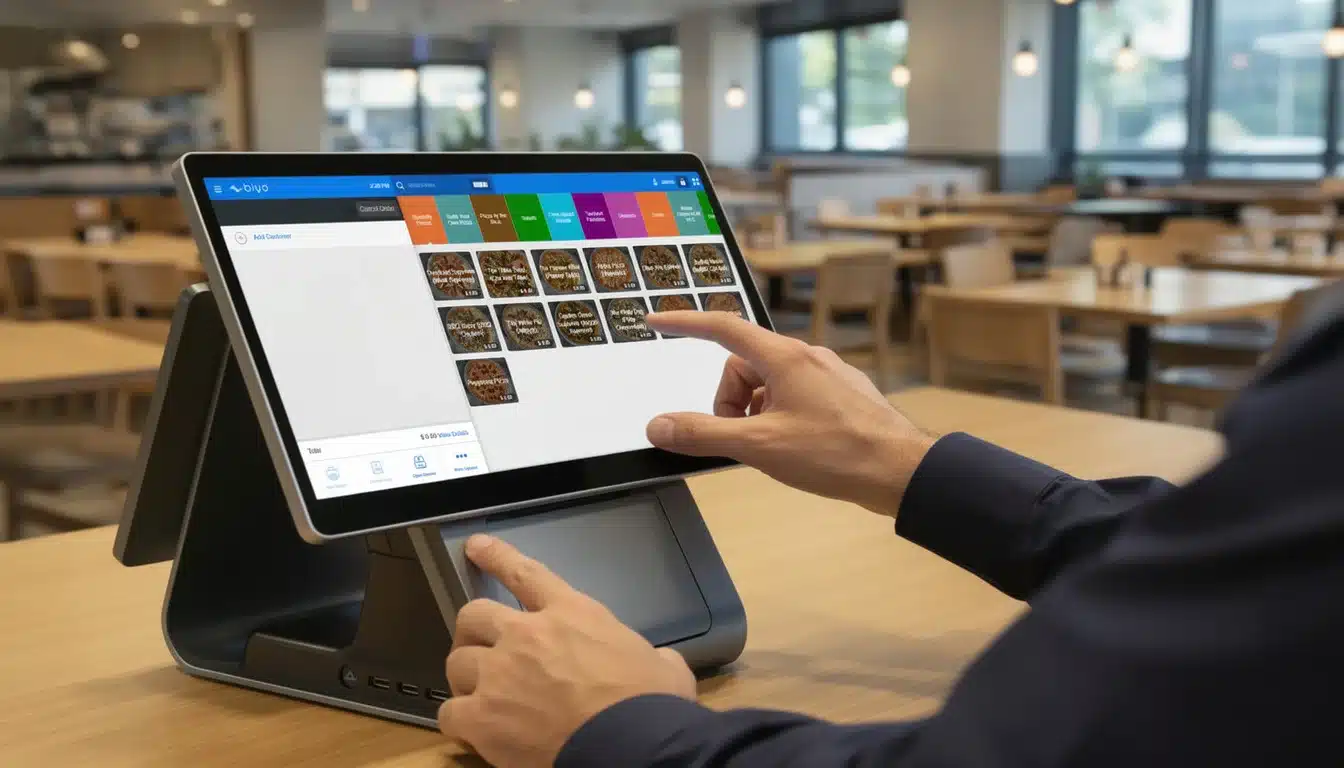
Modern POS systems like Biyo POS help restaurant owners manage orders, payments, inventory, and employee scheduling from a single platform.
Restaurants can track real-time sales data, monitor inventory levels, and identify best-selling menu items. Owners can also schedule a demo with Biyo POS to explore how integrated POS systems streamline restaurant operations.
Frequently Asked Questions
What permits are required to open a restaurant in Kansas?
You typically need a business license, food service permit, health inspection approval, and food handler certifications. Restaurants serving alcohol must also obtain a liquor license.
How much does it cost to open a restaurant in Kansas?
Startup costs range from $80,000 for small cafés to over $500,000 for full-service restaurants depending on location and size.
How long does it take to open a restaurant in Kansas?
Opening a restaurant usually takes six months to one year due to licensing approvals, inspections, and renovations.
Can restaurants serve alcohol in Kansas?
Yes, but restaurants must obtain a liquor license from the Kansas Alcoholic Beverage Control division and comply with alcohol service regulations.
How can POS systems help restaurant owners?
POS systems help manage orders, track inventory, process payments, and analyze sales data, making restaurant operations more efficient.