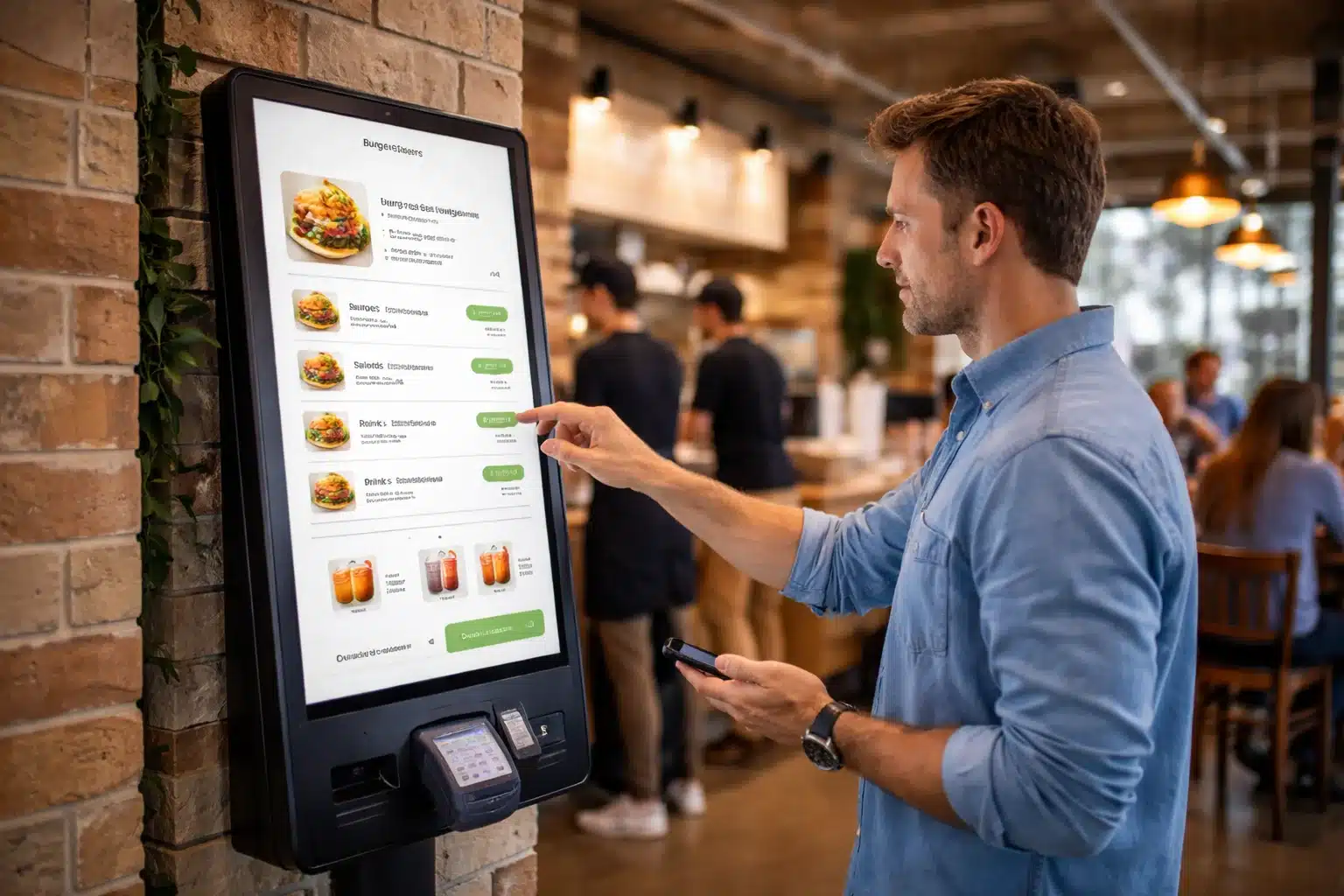
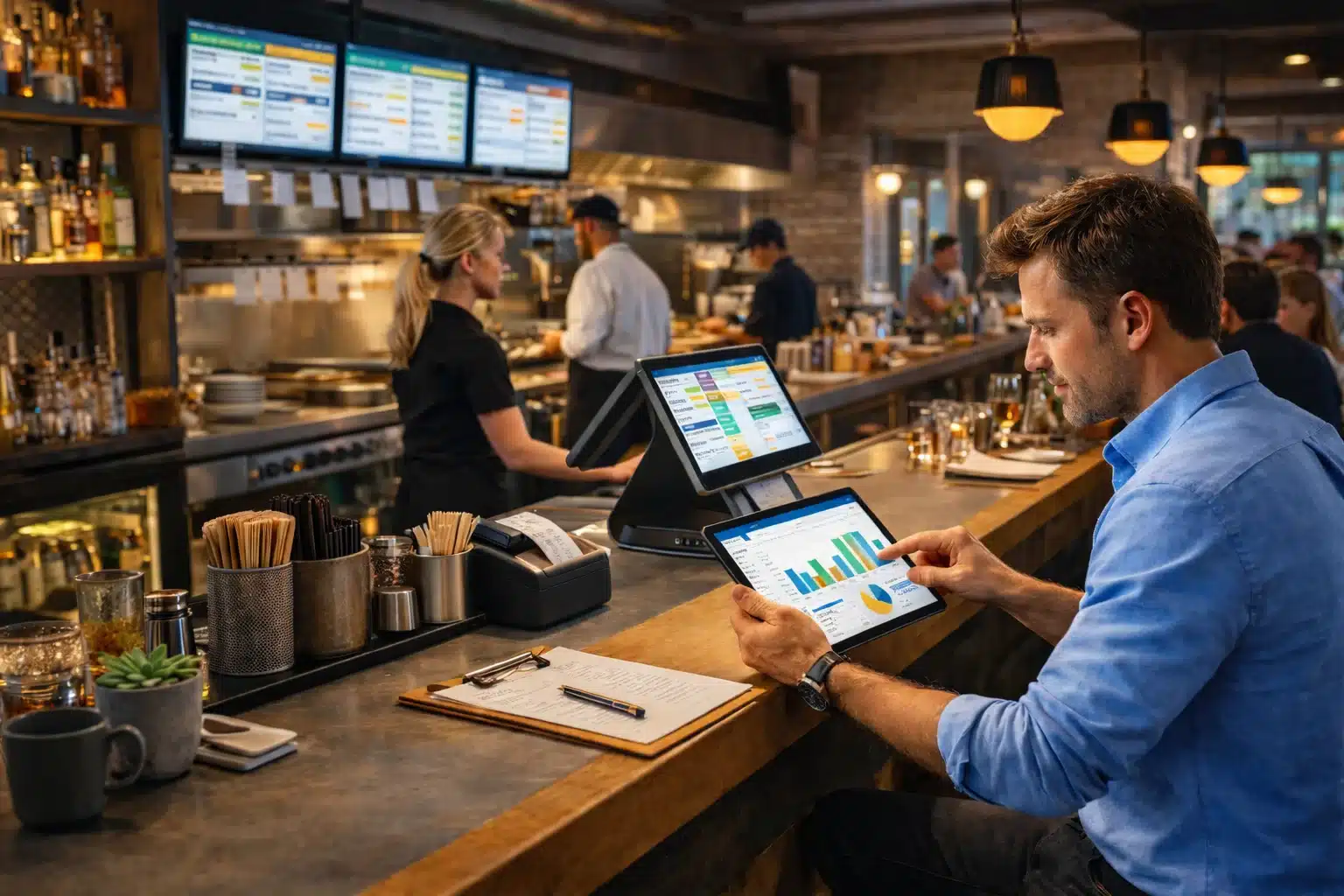
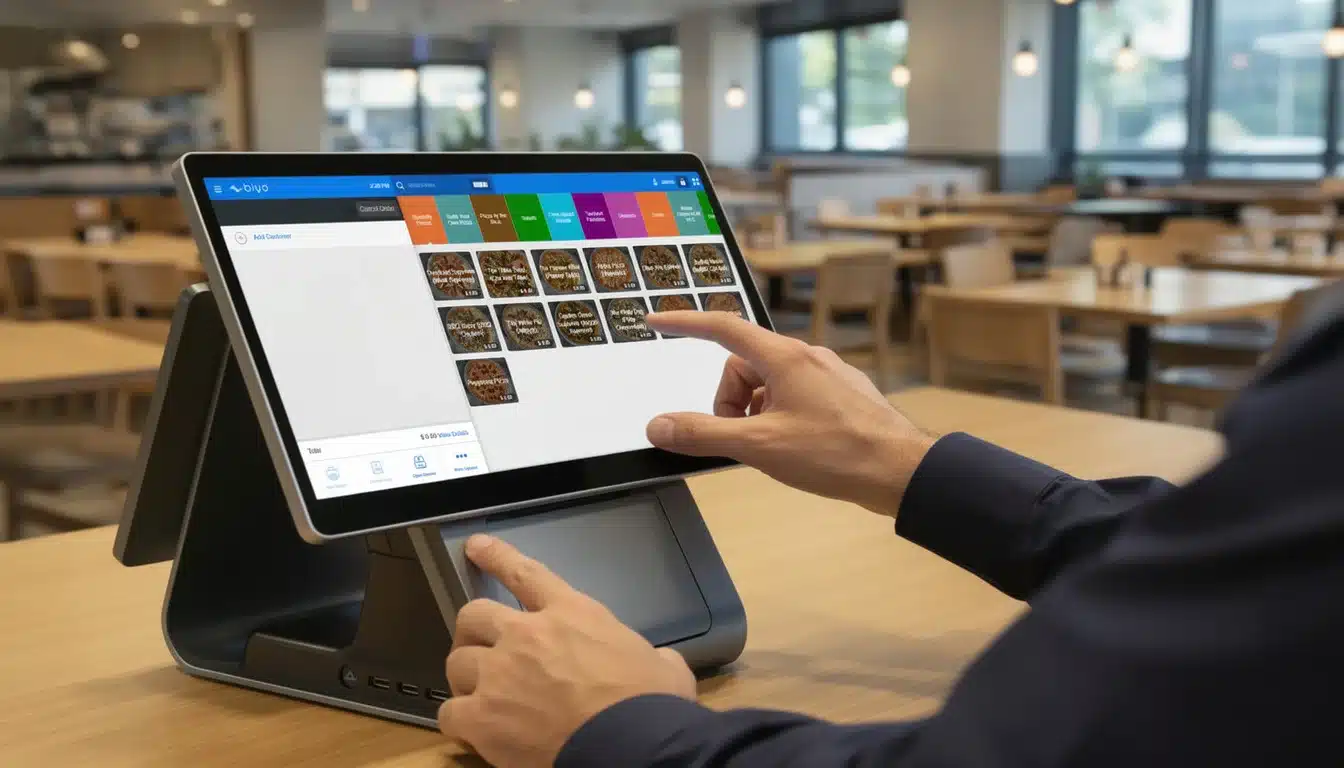
In today’s fast-paced world, payment flexibility has become a cornerstone for businesses aiming to enhance customer satisfaction and boost sales. Offering multiple payment options is no longer a luxury but a necessity, as customers expect to pay their way—whether that means using mobile wallets, credit cards, or even splitting payments across different methods. This article dives deep into the concept of payment flexibility, exploring how adaptable payment systems can transform checkout experiences, support diverse customer preferences, and ultimately grow your business.
Table of Contents
- Why Payment Flexibility Matters for Modern Businesses
- Key Payment Methods Boosting Flexibility
- Technological Advancements Enabling Flexible Payments
- How Payment Flexibility Enhances Customer Experience
- Implementing Payment Flexibility in Your Business
- About Biyo POS
- Frequently Asked Questions
Why Payment Flexibility Matters for Modern Businesses
Businesses today face customers with a wide range of payment preferences. Some prefer cash, others lean on credit cards, while many want the convenience of mobile wallets or contactless transactions. Payment flexibility allows companies to accommodate this variety, which can significantly influence buying decisions. When customers find their preferred payment method unavailable, frustration builds, and abandonment rates soar. By offering flexible payment options, businesses reduce friction and invite more sales.
Also, flexible payment systems help companies stay competitive in a crowded marketplace. Customers often compare checkout experiences as much as product quality. A business that supports multiple payment methods signals that it values convenience and innovation, attracting tech-savvy shoppers and traditional buyers alike. This inclusive approach broadens market reach and strengthens brand loyalty.
Finally, payment flexibility adapts to changing consumer trends. For example, the rise of subscription billing and installment plans responds to demand for budget-friendly purchases. As a result, businesses that incorporate adaptable payment methods remain relevant and responsive, improving revenue streams and long-term customer relationships.
Meeting Diverse Customer Payment Preferences
Customer payment preferences vary widely depending on factors like age, location, and shopping context. While younger customers might favor mobile wallets such as Apple Pay or Google Wallet, others may rely on credit cards or cash. Providing payment flexibility means your business can cater to these differences seamlessly. By doing so, you create an inclusive environment where every shopper feels comfortable completing their purchase.
For instance, restaurants often benefit from offering both contactless and cash payment options. Tourists or occasional visitors may lack certain payment methods, so having alternatives avoids losing potential sales. Meeting diverse payment preferences improves customer satisfaction and fosters repeat visits.
Adapting payment options also supports accessibility. People without bank accounts or those who prefer to manage spending with prepaid cards can shop without barriers. As a result, companies with flexible payment systems reach a wider audience and uphold customer-centric values.
Reducing Cart Abandonment Through Flexibility
Shopping cart abandonment is a persistent challenge for both online and brick-and-mortar stores. One common reason customers abandon their purchases is the lack of suitable payment options at checkout. When faced with limited choices, shoppers may leave without buying, reducing conversion rates and hurting business growth.
Offering multiple payment methods such as credit cards, digital wallets, and installment plans addresses this pain point effectively. Customers feel empowered to choose how to pay, lowering hesitation and increasing the likelihood of completing transactions. In particular, providing split payments or deferred payment plans helps customers manage larger purchases more comfortably.
Ultimately, payment flexibility serves as a strategic tool to combat abandonment. By understanding and embracing customer needs, businesses can reduce lost sales and improve overall profitability.
Staying Ahead in a Competitive Market
With numerous businesses vying for customer attention, providing payment flexibility offers a distinct competitive edge. Those who fail to adapt risk alienating potential buyers who expect modern, convenient payment options. In contrast, companies that integrate diverse payment methods position themselves as forward-thinking and customer-focused.
For example, retailers that support tap-to-pay and QR code payments simplify checkout, speeding up service and enhancing the shopping experience. This efficiency attracts busy customers who value fast and hassle-free transactions. Meanwhile, businesses offering multi-currency support gain access to international markets, broadening their customer base and boosting sales.
Therefore, investing in adaptable payment systems not only meets customer expectations but also drives growth. Businesses that prioritize payment flexibility future-proof themselves and maintain strong market relevance.
Key Payment Methods Boosting Flexibility
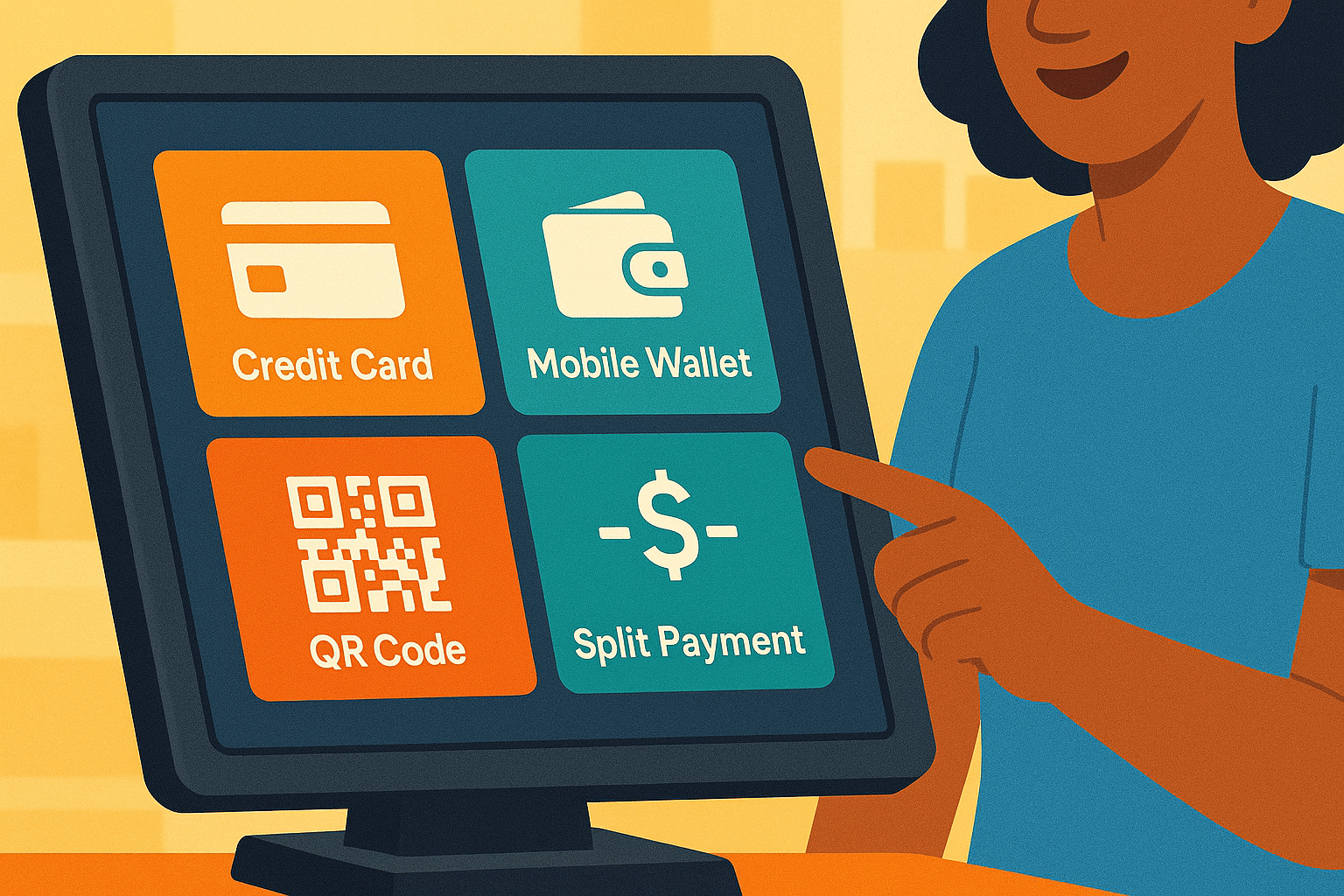
Understanding the variety of payment methods available helps businesses choose the right options to implement. Each payment type offers unique advantages and caters to specific customer needs. Here we explore some of the most popular payment methods that contribute to robust payment flexibility.
Credit Card Support and Digital Wallets
Credit card payments remain a staple in retail and service industries due to their widespread use and reliability. Supporting major credit cards ensures most customers can pay conveniently. Coupling credit card support with digital wallets, like Apple Pay, Google Pay, or Samsung Pay, enhances convenience by enabling customers to pay securely using their smartphones or wearables.
Digital wallets store encrypted payment information and allow tap-to-pay or QR code payments, reducing checkout time. Customers appreciate the speed and security of these options. For businesses, integrating credit card and digital wallet payments broadens appeal and encourages repeat visits.
Moreover, digital wallets often include biometric authentication, which adds an extra layer of security. This feature helps reduce fraud, giving customers peace of mind and protecting merchants from chargebacks.
Split Payments and Installment Plans
Offering split payment options allows customers to divide a single transaction across multiple payment methods or cards. This feature is particularly useful for higher-priced items or group purchases. For example, a group dining experience can be easily settled when the bill is split between different credit cards or mobile wallets.
Installment plans provide an alternative by allowing customers to pay over time. This deferred payment method makes expensive purchases more accessible without requiring full payment upfront. Retailers can partner with third-party services or integrate subscription billing systems to facilitate installment payments.
Both split payments and installment plans boost customer convenience and purchasing power. These flexible methods reduce friction at checkout and help businesses close more sales by adapting to customer financial preferences.
Contactless and QR Code Payments
Contactless transactions, enabled by Near Field Communication (NFC) technology, have surged in popularity due to their speed and hygiene benefits. Customers simply tap their card or device near a terminal, completing payment almost instantly. This method is especially useful in busy retail settings or quick-service restaurants where fast service is crucial.
QR code payments offer another contactless option that works well for both in-store and online environments. Customers scan a merchant’s QR code using a smartphone app, then confirm payment securely. This approach supports cashless transactions and eliminates the need for physical cards or terminals.
Businesses embracing contactless and QR code payments provide customers with convenient, secure ways to pay. These methods reduce lines and enhance the overall shopping experience, making them essential for modern payment flexibility.
Technological Advancements Enabling Flexible Payments
The evolution of payment technology has paved the way for highly adaptable and secure payment systems. Innovations like POS integration, mobile banking, and encrypted transactions empower businesses to offer diverse payment options while safeguarding customer data. Here’s how technology supports payment flexibility in today’s market.
POS Integration for Streamlined Transactions
Point of Sale (POS) systems have transformed from simple cash registers into powerful hubs that integrate multiple payment methods. Modern POS platforms connect seamlessly with credit card processors, digital wallets, subscription services, and installment plan providers.
This integration allows businesses to manage sales, inventory, and customer data in one place. For example, when a customer opts for a split payment or subscription billing, the POS system processes it smoothly without requiring manual intervention. This reduces errors and accelerates checkout.
Furthermore, POS systems support multi-currency transactions, enabling businesses to cater to international customers effortlessly. By adopting POS integration, merchants gain a flexible, scalable payment infrastructure that adapts as customer needs evolve.
Secure Checkout Through Encryption and Tokenization
Security is a top concern for both customers and merchants. Advanced encryption protocols protect payment data as it travels between devices and payment gateways. Tokenization replaces sensitive card information with unique tokens, minimizing exposure to fraud or theft.
These security measures ensure that no actual payment data is stored or transmitted in a vulnerable form. Customers feel confident using their preferred payment methods, whether online or in-store. For businesses, secure checkout processes reduce liability and build trust with buyers.
Security technology also supports compliance with regulations like PCI DSS (Payment Card Industry Data Security Standard), which many payment processors require. Maintaining these standards is essential for businesses to operate payment systems legally and safely.
Mobile Banking and Real-Time Payment Processing
Mobile banking apps have revolutionized how customers interact with their finances, offering instant fund transfers, balance checks, and payment approvals. Integration with payment systems enables customers to complete transactions directly from their banking apps or mobile wallets.
Real-time payment processing enhances payment flexibility by allowing instant confirmation of transactions. This immediacy improves cash flow for businesses and reduces delays in order fulfillment. Customers enjoy knowing their payments have cleared without waiting.
Additionally, some payment platforms offer peer-to-peer transfer options, which simplify group payments and social transactions. These innovations make payment processes more convenient and adaptable for a variety of scenarios.
How Payment Flexibility Enhances Customer Experience
Offering diverse payment options directly impacts how customers perceive your brand and their overall shopping experience. Payment flexibility contributes to convenience, security, and satisfaction—key factors that drive loyalty and repeat business.
Increasing Convenience and Speed
Customers today expect fast, hassle-free checkouts. When businesses provide multiple payment options, customers can select the method that suits them best, whether it’s tapping a card, scanning a QR code, or splitting the bill. This freedom reduces wait times and eases the purchasing process.
Convenient payment methods also cater to different environments. For example, busy cafes benefit from contactless payments to speed up service, while online stores rely on secure digital wallets to streamline checkout. Meeting these needs improves customer satisfaction and encourages positive reviews.
Convenience goes beyond speed; it includes offering flexible payment schedules like installment plans. When customers can budget payments, they’re more likely to make larger purchases, increasing your average order value.
Building Trust with Secure Payment Options
Security is critical in today’s digital landscape. By providing encrypted transactions and tokenization, businesses reassure customers that their sensitive information is safe. This trust encourages customers to use a wider variety of payment methods without fear of fraud.
Additionally, flexible payment systems often support biometric authentication, such as fingerprint or facial recognition, which adds an extra layer of protection. Customers who feel secure are more likely to complete purchases and return in the future.
Building trust through secure payment methods also helps protect your business from chargebacks and fraudulent claims, preserving your reputation and profitability.
Encouraging Repeat Business and Loyalty
Customers who enjoy seamless, flexible payment experiences tend to develop loyalty to brands that respect their preferences. By offering adaptable payment options, businesses demonstrate they care about customer convenience and financial realities.
Subscription billing and automated payments foster ongoing relationships, especially in service industries. Customers appreciate not having to manually pay each time, reducing friction and strengthening brand attachment.
Loyal customers also provide valuable word-of-mouth marketing. When payment flexibility contributes to positive experiences, customers are more likely to recommend your business to friends and family, amplifying your reach.
Implementing Payment Flexibility in Your Business
Adopting payment flexibility requires careful planning and the right technology. Businesses need to evaluate customer preferences, choose appropriate payment methods, and integrate secure systems. Here’s how to approach this transformation effectively.
Assessing Customer Payment Preferences
Begin by gathering data on how your customers prefer to pay. Surveys, sales data, and market research can reveal which methods are most popular and which gaps exist in your current offerings. Understanding this landscape guides decisions on which payment options to prioritize.
For example, if a large portion of your clientele uses mobile wallets or prefers contactless payments, investing in NFC-enabled terminals is essential. Conversely, if customers request installment plans, partnering with financing providers may be a smart move.
Regularly reassess these preferences to stay ahead of trends. Payment habits evolve, so your system must be flexible enough to adapt quickly to new demands.
Choosing the Right Payment Solutions
Select payment gateways and POS systems that support a broad spectrum of payment methods. Look for platforms offering features like multi-currency support, split payments, and secure checkout. Integration capabilities are critical to ensure smooth operation across online and physical stores.
When choosing solutions, prioritize ease of use for both customers and staff. Complex systems can lead to errors and slow down transactions, negating the benefits of payment flexibility. Training your team on new payment tools also ensures a smooth rollout.
Additionally, consider scalability. Your payment system should grow with your business, adding new features or methods as needed without significant disruptions.
Ensuring Compliance and Security
Compliance with industry standards and regulations is non-negotiable. Ensure your payment solutions meet PCI DSS requirements and incorporate encryption and tokenization technologies. These measures protect customer data and reduce legal risks.
Regular security audits and updates keep your payment systems safe from emerging threats. Educate employees about best practices to avoid security lapses that could compromise sensitive information.
By prioritizing security and compliance, you not only protect your business but also reinforce customer trust, which is crucial for long-term success.
About Biyo POS
Biyo POS offers an all-in-one point of sale solution designed to maximize payment flexibility for businesses of all sizes. With seamless integration of multiple payment methods—including credit card support, mobile wallets, contactless transactions, and installment plans—Biyo POS empowers merchants to meet diverse customer preferences effortlessly. Its secure checkout process, multi-currency support, and robust POS integration ensure smooth, fast, and reliable transactions every time. By choosing Biyo POS, businesses gain a technology partner dedicated to enhancing customer convenience and driving sales growth through adaptable payment solutions.
Frequently Asked Questions
What is payment flexibility and why is it important?
Payment flexibility refers to a business’s ability to accept a variety of payment methods, such as credit cards, mobile wallets, cash, and installment plans. It’s important because it accommodates different customer preferences, reduces checkout friction, and increases sales.
How can businesses implement payment flexibility?
Businesses can implement payment flexibility by integrating versatile POS systems and payment gateways that support multiple payment methods. They should also assess customer preferences and ensure security compliance.
What are some popular payment methods to offer for flexibility?
Popular payment methods include credit cards, mobile wallets (Apple Pay, Google Pay), contactless payments, QR code payments, split payments, and installment plans.
How does payment flexibility improve customer experience?
Payment flexibility increases convenience and speed at checkout, provides secure options, and supports customer budgeting through installment or deferred payments, all of which enhance satisfaction and loyalty.
Can payment flexibility help businesses reach international customers?
Yes. Supporting multi-currency payments and digital wallets allows businesses to serve international customers easily, expanding market reach and driving growth.