In today’s hyper-competitive marketplace, understanding and leveraging POS data benefits can be the difference between barely keeping up and driving sustained growth. Modern point of sale systems have evolved far beyond simple transaction processing. They now function as comprehensive data hubs, capturing every interaction between your business, your products, and your customers. This information—when collected, analyzed, and applied strategically—can uncover sales trends, optimize inventory, improve customer loyalty, and sharpen marketing strategies. By using the insights hidden in your POS data, you can make proactive, informed decisions that not only solve immediate problems but also lay the groundwork for long-term success.
Table of Contents
- Sales Insights and Revenue Tracking
- Understanding Customer Behavior
- Inventory Optimization and Loss Prevention
- Improving Operational Efficiency
- Strategic Marketing and Demand Forecasting
Sales Insights and Revenue Tracking
Among the most impactful POS data benefits is the ability to track and interpret sales and revenue in ways that were once only possible for large corporations. A well-implemented POS system records each sale in granular detail, allowing businesses to go beyond simply knowing how much money came in. You can identify which products or services are driving revenue, when your peak sales periods occur, and how seasonal changes affect your business. By understanding these patterns, you can fine-tune pricing strategies, allocate staff more effectively, and develop promotions that are timed to deliver maximum impact.
Real-Time Revenue Monitoring
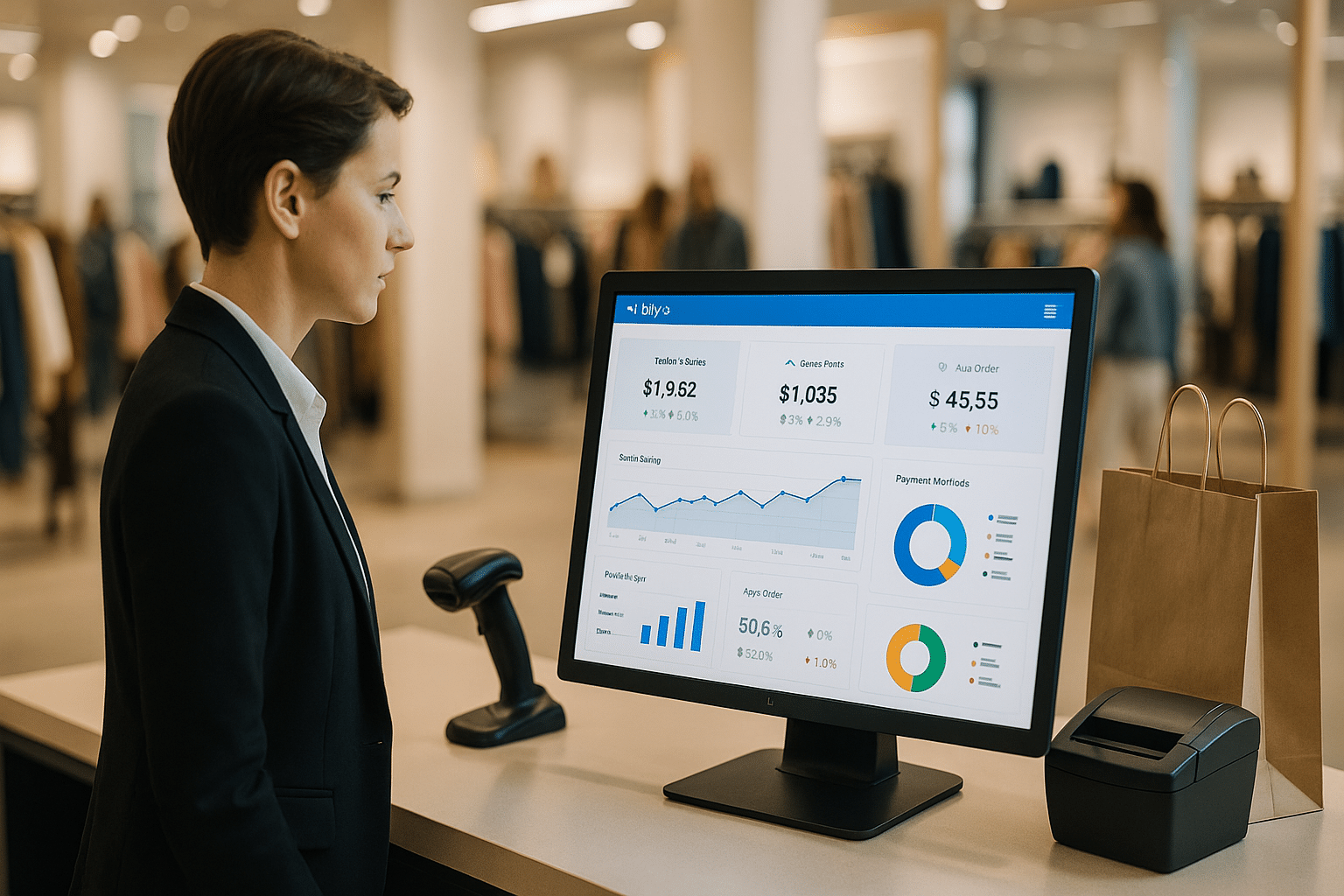
Real-time revenue monitoring gives business owners the power to react instantly to changes in performance. Instead of waiting for weekly or monthly reports, you can log into your POS dashboard at any time and see exactly how much you’ve earned today, this week, or this month. This immediacy is especially valuable in fast-moving industries like food service or retail, where unexpected slowdowns can be addressed on the spot. For example, if a café notices a mid-afternoon sales slump, it might launch a happy hour coffee special right away to drive traffic. The integration of real-time analytics also allows multi-location businesses to compare store performance side-by-side, enabling quick decisions about resource allocation or localized promotions. This proactive approach helps avoid missed opportunities and ensures your revenue is always being optimized.
Beyond reacting to dips in performance, real-time tracking also reveals upward trends as they happen. Suppose a new product starts selling significantly better than anticipated; you can immediately ramp up marketing efforts, adjust inventory orders, and capitalize on the momentum before the trend peaks. The speed at which you can identify and act on these trends directly impacts profitability. With today’s competitive landscape, the ability to make these adjustments within hours rather than days can be a decisive advantage.
Another benefit is in team accountability. Managers can set daily revenue goals and track progress throughout the day. This transparency fosters healthy competition among staff and keeps everyone focused on achieving targets. When employees see their contribution reflected in live numbers, it often boosts motivation and morale, further driving performance.
Identifying Top-Selling Products
Knowing which products or services bring in the most revenue is a foundational advantage of POS data benefits. Your POS system can generate detailed reports that rank products by units sold, gross revenue, or profit margin. This information allows you to spotlight top performers in your marketing campaigns, bundle them with other items to increase average transaction values, and ensure they are always well-stocked. In retail, for example, identifying that a certain brand of sneakers consistently outsells others could lead to negotiating better supplier terms or expanding the line.
The historical data also provides insight into shifts in consumer preferences. You may notice that a product’s popularity rises during specific times of year or in response to broader market trends. For instance, a clothing store might find that a particular style of jacket spikes in sales every October, prompting earlier stock replenishment in future seasons. Recognizing and acting on these trends helps businesses stay ahead of competitors who rely on guesswork.
Top-seller analysis also supports innovation. Restaurants can use sales data to experiment with new menu items, comparing their performance against established favorites. Over time, this approach can help evolve your offerings while minimizing the risk associated with introducing new products.
Profit Margin Tracking
Tracking profit margins in detail is a crucial part of making informed business decisions. Your POS system doesn’t just record sales—it can integrate with your cost-of-goods-sold (COGS) data to show exactly how much you’re earning on each item sold. By keeping a close eye on these figures, you can detect when supplier costs increase or when a product’s selling price is no longer aligned with its profitability. This level of insight allows you to adjust prices or sourcing strategies quickly, ensuring your margins remain healthy.
For example, if you run a restaurant and notice that the cost of a key ingredient has risen significantly, you can either find an alternative supplier, adjust portion sizes, or slightly increase menu prices to maintain margins. Without real-time margin tracking, such changes might go unnoticed until the quarterly financial review—by which time you could have already lost substantial profit.
In addition, analyzing margins over time helps you identify which product categories contribute most to your bottom line. You may discover that while one category has lower sales volume, its high margins make it a more valuable focus for marketing efforts. This strategic reallocation of attention can result in greater overall profitability without increasing operational costs.
Understanding Customer Behavior
Gaining a deep understanding of customer behavior is one of the most transformative POS data benefits available to modern businesses. Every purchase a customer makes is a piece of a larger puzzle that reveals preferences, habits, and potential future needs. By connecting these data points, businesses can create highly personalized experiences that foster loyalty and increase sales. Instead of relying on assumptions, you can use concrete purchase history, visit frequency, and product preferences to shape your marketing, service, and inventory strategies.
Customer Purchase Patterns
Analyzing purchase patterns gives you insight into the rhythm of your customers’ buying decisions. A POS system can highlight combinations of products that are frequently purchased together, such as coffee and a pastry in a café or shampoo and conditioner in a retail store. Once identified, these patterns can be leveraged through strategic product placement, bundle pricing, or promotional offers designed to increase average transaction values. For example, if data shows that customers often purchase certain wines with specific cheeses, a wine shop can create curated “wine and cheese night” packages to entice buyers.
Tracking patterns over time also reveals how external factors influence buying behavior. Seasonal changes, holidays, local events, or even weather conditions can affect sales volumes for certain items. A garden supply store, for instance, might see a spike in seed sales after the first warm weekend of spring. By understanding these correlations, you can prepare marketing campaigns and inventory levels ahead of anticipated demand, ensuring customers always find what they’re looking for.
These insights go beyond inventory planning—they also enhance customer satisfaction. When shoppers see that their preferred products are consistently available, they’re more likely to return. Over time, the business builds a reputation for reliability, a quality that significantly impacts customer retention and referral rates.
Customer Retention Strategies
One of the most powerful ways to leverage POS data benefits is to improve customer retention. Your POS can identify your most valuable customers by tracking metrics like total spend, frequency of visits, and responsiveness to promotions. This enables you to develop loyalty programs or personalized incentives that keep your top customers engaged. For example, a restaurant might send a “thank you” discount to customers who visit more than twice a month, encouraging them to come back even more often.
Personalization is key to effective retention. Instead of sending the same promotion to everyone, you can tailor offers to match individual buying habits. If a customer regularly buys gluten-free products, they’ll appreciate receiving a coupon for a new gluten-free bakery item far more than a generic 10% discount. Over time, these thoughtful touches build an emotional connection to your brand, making it harder for competitors to lure them away.
Retention strategies backed by POS data also provide measurable results. You can track redemption rates, repeat purchase frequency, and lifetime customer value to assess whether your campaigns are truly effective. This feedback loop ensures that you’re not just retaining customers, but doing so in a way that maximizes profitability.
Targeted Marketing Efforts
Targeted marketing is another area where POS data provides a decisive edge. By segmenting your customer base according to purchase history, demographics, and preferences, you can craft highly relevant campaigns that resonate on a personal level. This segmentation allows you to send the right message to the right audience at the right time, dramatically increasing engagement and conversion rates.
For example, a sporting goods store might identify a group of customers who frequently purchase running gear and send them information about an upcoming marathon along with exclusive discounts on running shoes. Similarly, a bookstore could promote new releases from an author that a customer has purchased in the past, creating a sense of exclusivity and relevance.
POS data also helps measure the effectiveness of targeted campaigns. You can track which segments responded best, which offers had the highest redemption rates, and how these campaigns impacted overall sales. This ongoing analysis allows you to refine your marketing approach continuously, ensuring your efforts are both efficient and profitable.
Inventory Optimization and Loss Prevention
Efficient inventory management is one of the most visible and financially impactful POS data benefits. Your POS system’s ability to track stock in real time means you can maintain optimal inventory levels, prevent waste, and reduce the capital tied up in unsold goods. In addition, advanced analytics can help detect potential theft or shrinkage before it becomes a significant financial drain.
Real-Time Inventory Tracking
Real-time inventory tracking eliminates the uncertainty and inefficiency of manual stock counts. By integrating sales data directly with your inventory system, you can see exactly how much of each product you have on hand at any given moment. This is especially important for businesses that manage perishable goods, such as restaurants or grocery stores, where overstocking leads to spoilage and understocking results in lost sales.
For example, a bakery can use its POS to monitor which items are selling fastest each morning and adjust production accordingly. If croissants are consistently selling out before 10 a.m., the bakery can increase output to meet demand, maximizing revenue while keeping waste low. Conversely, if a certain pastry isn’t selling, production can be reduced to avoid unnecessary costs.
Real-time data also supports multi-location inventory management. Businesses can transfer stock between locations based on demand, reducing the risk of both shortages and excess inventory. This agility ensures customers have access to the products they want, when they want them, across your entire network.
Loss Prevention Through Data
Loss prevention is another critical benefit of integrating inventory and sales data within your POS system. By comparing recorded sales with inventory levels, you can quickly detect discrepancies that may indicate theft, fraud, or procedural errors. For instance, if inventory shows a steady drop in a high-value item but sales reports don’t match, you can investigate immediately.
POS reports can also pinpoint patterns in losses. Maybe certain shifts see higher discrepancies, or a specific product line is particularly vulnerable. This information allows you to target training, supervision, or security measures exactly where they’re needed, rather than implementing costly blanket policies.
Beyond preventing theft, loss prevention analytics also help reduce errors in ordering and receiving. Miscounts during deliveries, incorrect data entry, or misplaced items can all contribute to shrinkage. With accurate, automated tracking, these issues can be identified and resolved quickly, saving both time and money.
Demand Forecasting
Demand forecasting uses historical sales data to predict future inventory needs. This capability allows businesses to plan purchasing and production more accurately, reducing waste and maximizing sales. For example, a restaurant that notices an increase in seafood orders during summer months can adjust its supplier orders ahead of time, ensuring it meets demand without overstocking.
POS-based forecasting can also account for external factors such as local events, holidays, and seasonal weather patterns. A ski resort, for instance, can anticipate higher demand for winter gear during peak snow season and adjust inventory accordingly. This predictive approach prevents stockouts that frustrate customers and lead to missed revenue opportunities.
By combining demand forecasting with supplier lead times, businesses can fine-tune their ordering cycles to ensure products arrive exactly when needed. This level of precision not only improves customer satisfaction but also frees up capital that would otherwise be tied up in excess stock.
Improving Operational Efficiency
Operational efficiency is the foundation of profitability, and POS data benefits provide tools that can streamline processes, enhance staff performance, and reduce unnecessary costs. By tracking how your business functions at every level, you can spot inefficiencies, implement improvements, and measure the results with precision.
Staff Performance Evaluation
POS systems can track individual staff member performance, offering insights into sales totals, upselling rates, and customer service metrics. This data allows managers to identify high performers who can mentor others, as well as team members who may need additional training. For example, a restaurant might discover that certain servers consistently upsell desserts, boosting average check sizes. Sharing these techniques with the entire team can elevate overall sales performance.
Performance evaluation also impacts scheduling. If certain employees generate higher sales during busy periods, managers can assign them to those shifts, ensuring that the business maximizes its revenue potential during peak hours. Conversely, underperforming staff may be scheduled during slower times while they work on improving their skills.
Data-driven performance reviews foster transparency and fairness. Employees understand that evaluations are based on measurable results rather than subjective opinions, which can increase trust and motivation within the team.
Operational Workflow Analysis
Workflow analysis through POS data helps identify bottlenecks in service delivery or order processing. For instance, if ticket times in a restaurant are consistently longer during lunch service, managers can investigate whether the delay is due to kitchen staffing, equipment limitations, or menu complexity. Once identified, these issues can be addressed with targeted solutions.
Retailers can also use workflow analysis to improve checkout efficiency. If data shows that certain checkout lanes process fewer transactions per hour, this could indicate a need for additional training, equipment upgrades, or process changes. By removing friction points in the workflow, you improve both operational speed and customer satisfaction.
Continuous monitoring ensures that improvements are sustained. Over time, even small efficiency gains compound to create significant cost savings and increased customer loyalty.
Cost Control Measures
Controlling costs without sacrificing quality is a delicate balance, but POS data makes it achievable. By tracking expenses alongside sales performance, you can identify areas where resources are being wasted. For example, if a menu item has high preparation costs but consistently low sales, it may be time to remove it or adjust the recipe.
Cost control also applies to labor. POS reports can show whether staffing levels are aligned with customer demand. Overstaffing leads to unnecessary payroll expenses, while understaffing can result in poor service and lost sales. Optimizing schedules based on real data ensures you meet demand efficiently.
When cost control decisions are based on accurate, real-time data, you can act confidently, knowing that changes will support both short-term savings and long-term growth.
Strategic Marketing and Demand Forecasting
The marketing landscape has shifted toward personalization and precision, and POS data benefits are at the heart of this evolution. By combining customer insights with sales trends, you can design marketing strategies that resonate deeply and yield measurable results. Demand forecasting then ties marketing directly to operational planning, ensuring your business is prepared to meet the demand you create.
Personalized Promotions
Generic promotions often fail to capture customer attention, but personalized offers based on POS data can significantly boost engagement. For example, a coffee shop might notice that a customer orders a caramel latte twice a week and send them a discount for a new seasonal caramel drink. This approach not only drives sales but also strengthens the customer’s connection to the brand.
Personalized promotions can also be timed strategically. If data shows a customer hasn’t visited in several weeks, sending a targeted incentive can prompt them to return. Over time, these individualized touches encourage loyalty and increase lifetime customer value.
Measuring the success of personalized campaigns is straightforward with POS data. You can track redemption rates and follow-up purchases to refine future promotions, making them even more effective.
Business Intelligence Insights
POS data acts as a powerful business intelligence tool, revealing not just what is selling, but why. By analyzing trends, you can identify emerging product categories, declining interest in certain items, or shifts in customer preferences. This information informs everything from product development to store layout decisions.
For example, if data shows a steady increase in plant-based food sales, a restaurant could expand its vegan menu options, promote them heavily, and position itself as a go-to destination for plant-based dining. Being able to act quickly on these insights allows you to stay ahead of competitors and align your offerings with market demand.
Business intelligence from POS systems also supports strategic decisions such as expanding into new markets or opening additional locations. Clearer evidence of demand patterns enables more confident moves.
Long-Term Demand Planning
Long-term demand planning connects the dots between marketing, inventory, and staffing. By predicting demand months in advance, you can align all aspects of your operation to meet anticipated needs. This planning is particularly valuable for seasonal businesses or those affected by cyclical trends.
For example, a retailer preparing for the holiday season can use POS data from previous years to forecast which products will be most popular, allowing for early ordering and targeted promotions. This foresight helps prevent stockouts and ensures marketing efforts are backed by adequate inventory.
When combined with demand forecasting, long-term planning becomes a strategic advantage that drives efficiency, profitability, and customer satisfaction year after year.

About Biyo POS: At Biyo POS, we believe your point of sale should be more than just a transaction tool—it should be your business growth partner. Our platform combines advanced analytics, real-time inventory tracking, and intelligent customer insights to help you harness the full power of your data. From small cafés to multi-location retailers, Biyo POS delivers the POS data benefits you need to stay ahead of the competition.
FAQ
Q: How can POS data help my business grow?
A: By providing insights into sales, customer behavior, and inventory trends, POS data enables informed decision-making that drives growth and profitability.
Q: Is POS data analysis only useful for large businesses?
A: No, even small businesses can benefit from POS data by using it to optimize inventory, personalize marketing, and improve operations.
Q: How often should I review my POS data?
A: Regular review—daily or weekly—is ideal to quickly spot trends, address issues, and seize opportunities.
Q: Can POS data improve customer loyalty?
A: Yes, by using purchase history and preferences to create personalized promotions and loyalty programs, you can strengthen customer relationships.
Q: What makes Biyo POS different?
A: Biyo POS offers a fully integrated solution with real-time analytics, multi-location management, and tailored insights designed to maximize POS data benefits for your business.