A successful boutique depends on far more than attractive merchandise and stylish store design. Behind every smooth shopping experience is a system that keeps inventory organized, transactions efficient, staff coordinated, and customer relationships strong.
As boutique retail becomes increasingly competitive, owners need technology that supports both operational efficiency and personalized customer service. That is why choosing the right POS system for boutique retail has become one of the most important decisions for modern fashion and lifestyle stores.
Today’s boutique POS systems do much more than process payments.
Modern platforms help retailers manage inventory in real time, track customer preferences, monitor sales performance, integrate online stores, streamline employee workflows, and create personalized shopping experiences that encourage repeat business.
For independent boutiques and small fashion retailers, these tools can create a major competitive advantage.
Unlike large department stores, boutiques often operate with smaller inventories, curated product selections, seasonal collections, and highly personalized customer interactions. Managing these details manually becomes increasingly difficult as the business grows.
A boutique-focused POS system simplifies those challenges while giving owners stronger visibility into daily operations.
When inventory updates automatically, reporting becomes more accurate, and checkout flows more efficiently, staff members can spend less time handling operational problems and more time helping customers.
This guide explores how boutique POS systems improve inventory management, customer loyalty, sales reporting, e-commerce integration, staff productivity, and long-term retail growth.
Table of Contents
- Smart Inventory Management for Boutiques
- Building Customer Loyalty Through Boutique POS Systems
- Sales Reporting and Real-Time Retail Analytics
- E-Commerce Integration and Modern Payment Processing
- Improving Staff Efficiency With Boutique POS Tools
- Why Boutiques Choose Biyo POS
- Frequently Asked Questions
Smart Inventory Management for Boutiques
Inventory management is one of the most important operational responsibilities for boutique retailers.
Unlike large chain stores that often maintain deep inventory levels, boutiques usually rely on curated collections, seasonal trends, limited-edition products, and carefully selected merchandise. That makes accurate inventory tracking essential for maintaining profitability while avoiding overstocking or stock shortages.
A modern POS system for boutique retail provides real-time inventory visibility across the entire business.
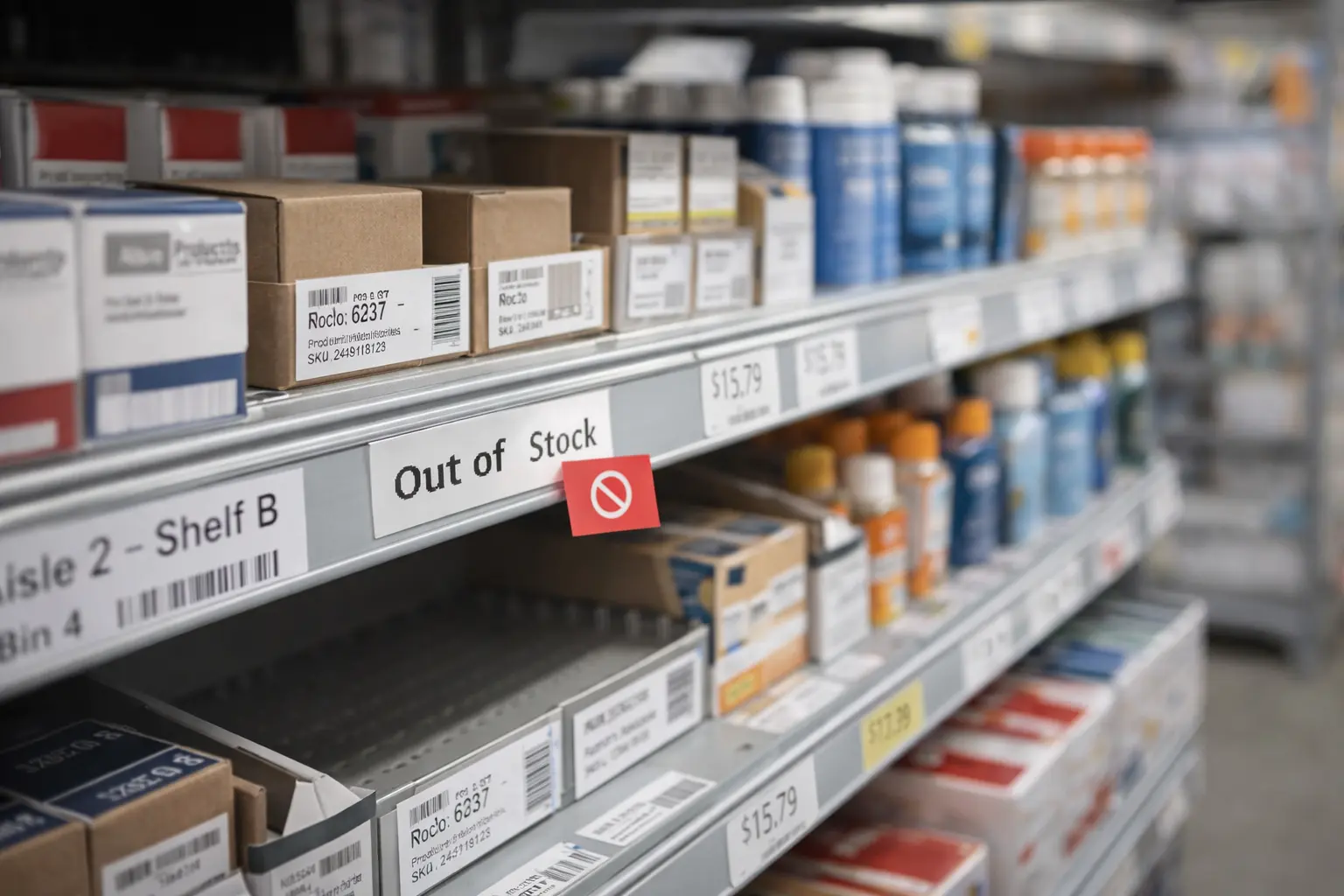
Every transaction updates stock levels automatically, allowing owners and staff to see exactly what is available at any moment. This reduces the risk of overselling products while helping boutiques respond more quickly to customer demand.
Real-time inventory tracking becomes especially valuable for fast-selling seasonal products.
If a particular handbag, dress collection, or accessory line begins selling rapidly, managers can identify the trend immediately and reorder inventory before products disappear completely from the sales floor.
That responsiveness helps boutiques capture more revenue while reducing customer frustration caused by unavailable products.
Inventory forecasting tools further improve operational planning.
By analyzing historical sales trends, boutique POS systems can help retailers predict future demand more accurately. Instead of relying entirely on instinct, store owners gain data-driven insights about which products perform best during specific seasons or promotional periods.
For example, if floral dresses consistently perform well during spring collections, the system can help managers prepare inventory earlier before demand increases.
This type of forecasting reduces unnecessary inventory risk while helping boutiques maintain healthier cash flow.
Barcode scanning also improves efficiency considerably.
Instead of manually entering product details during checkout, employees can process transactions quickly and accurately through barcode systems. Faster checkout experiences improve customer satisfaction while reducing pricing mistakes and operational delays.
Automated stock alerts add another layer of protection.
When inventory levels drop below preset thresholds, the system notifies management automatically. This helps boutiques restock products proactively instead of reacting after products are already unavailable.

Building Customer Loyalty Through Boutique POS Systems
Customer relationships are one of the biggest advantages independent boutiques have over large retail chains.
Many shoppers choose boutiques specifically because they value personalized service, curated product recommendations, and stronger relationships with store staff.
A boutique POS system helps strengthen those relationships through customer management and loyalty tools.
Modern systems can store purchase history, shopping preferences, sizing information, birthdays, and customer communication records. This allows boutiques to deliver more personalized shopping experiences that feel thoughtful instead of generic.
If a customer regularly purchases handbags, for example, the boutique can notify them when similar collections arrive or when related products go on sale.
That type of personalization improves repeat business significantly.
Loyalty programs also become easier to manage through integrated POS systems.
Instead of manually tracking rewards or punch cards, boutiques can automate points systems, promotional discounts, referral rewards, and customer incentives directly through the platform.
Customers appreciate smooth loyalty experiences because rewards are applied automatically during checkout without requiring extra effort from staff.
From a business perspective, customer retention is often far more cost-effective than constantly acquiring new shoppers.
Strong customer management tools help boutiques maintain long-term relationships while increasing repeat purchase frequency.
CRM integration creates additional marketing opportunities as well.
Boutiques can use customer purchase data to send targeted email campaigns, personalized promotions, birthday discounts, or product recommendations based on shopping history.
Instead of relying on broad marketing campaigns, boutiques gain the ability to communicate more strategically with customers who are most likely to engage with specific products or collections.
This level of personalization helps smaller retailers compete more effectively against larger e-commerce platforms and chain stores.
Sales Reporting and Real-Time Retail Analytics
Data-driven decision-making has become increasingly important in modern retail.
Without accurate reporting, boutique owners often rely too heavily on assumptions when planning inventory, pricing, staffing, or promotions.
A boutique POS system provides real-time analytics that help retailers understand business performance more clearly.
Managers can monitor:
- Best-selling products
- Peak shopping hours
- Revenue trends
- Employee performance
- Inventory movement
- Seasonal purchasing patterns
These insights help boutiques make smarter operational decisions while identifying opportunities for growth.
For example, if certain product categories consistently outperform others, retailers can adjust purchasing strategies and merchandising displays accordingly.
Weak-selling products can also be identified faster, allowing boutiques to create targeted promotions or markdown strategies before excess inventory becomes a larger financial problem.
Real-time visibility improves operational agility significantly.
Instead of waiting for end-of-month reports, boutique owners can monitor trends immediately and respond faster to changing customer behavior.
Sales forecasting tools create additional advantages.
By analyzing historical data, POS systems help retailers prepare for seasonal demand shifts more effectively. This helps boutiques avoid both overbuying and understocking, improving inventory balance throughout the year.
Integrated reporting also simplifies accounting and financial management.
Digital transaction records, automated sales summaries, and centralized reporting reduce administrative workload while improving accuracy for bookkeeping and tax preparation.
E-Commerce Integration and Modern Payment Processing
Modern boutique retail increasingly depends on both in-store and online sales channels.
Customers now expect seamless shopping experiences regardless of whether they purchase products through a physical store, social media platform, or e-commerce website.
A POS system for boutique retail should support this omnichannel environment without creating disconnected workflows.
E-commerce integration allows boutiques to synchronize inventory, sales data, customer information, and promotions across all channels automatically.
When a product sells online, inventory updates immediately within the retail store system as well. This prevents overselling while keeping inventory records accurate across the business.
Unified operations simplify fulfillment significantly.
Online orders can be processed directly through the same platform managing in-store transactions, reducing operational complexity while improving efficiency for staff.
Customers also benefit from more consistent shopping experiences.
Loyalty rewards, pricing, product availability, and promotions remain synchronized regardless of where purchases occur. That consistency strengthens customer trust and improves brand perception.
Payment flexibility has also become essential in modern retail environments.
Today’s shoppers expect support for:
- Credit cards
- Debit cards
- Mobile wallets
- Contactless payments
- Digital payment apps
Fast and secure payment processing improves checkout experiences while reducing abandoned purchases.
Mobile POS technology creates additional flexibility.
Staff members can complete transactions anywhere inside the boutique instead of requiring customers to stand in centralized checkout lines. This creates a more personalized shopping experience while helping reduce congestion during busy periods.
Mobile systems are also valuable for pop-up shops, fashion events, and temporary retail activations because transactions remain synchronized with the main POS platform automatically.
Improving Staff Efficiency With Boutique POS Tools
Efficient staff workflows directly affect customer experience inside boutique retail environments.
When employees struggle with complicated systems or inefficient processes, service quality declines quickly. Customers notice delays, confusion, and inconsistent interactions almost immediately.
An intuitive boutique POS system helps staff work more confidently and efficiently.
Customizable interfaces allow boutiques to organize menus, product categories, and workflows according to their specific operations. Employees spend less time navigating complicated screens and more time focusing on customer service.
Shorter training time becomes another major advantage.
Retail businesses often experience employee turnover, particularly during seasonal hiring periods. User-friendly POS systems reduce onboarding complexity, allowing new employees to become productive more quickly.
Performance tracking tools also help management identify operational strengths and weaknesses.
Managers can evaluate employee sales performance, upselling effectiveness, transaction speed, and customer engagement patterns more accurately.
This creates opportunities for targeted coaching and staff development while improving accountability across the business.
Scheduling features further improve operational organization.
Managers can align staffing levels more effectively with busy shopping periods, helping boutiques maintain strong customer service without overspending on unnecessary labor during slower hours.
Mobile POS devices provide additional flexibility during crowded sales periods or promotional events.
Instead of forcing customers to wait in long checkout lines, employees can process transactions directly on the sales floor, creating a smoother and more engaging retail experience.
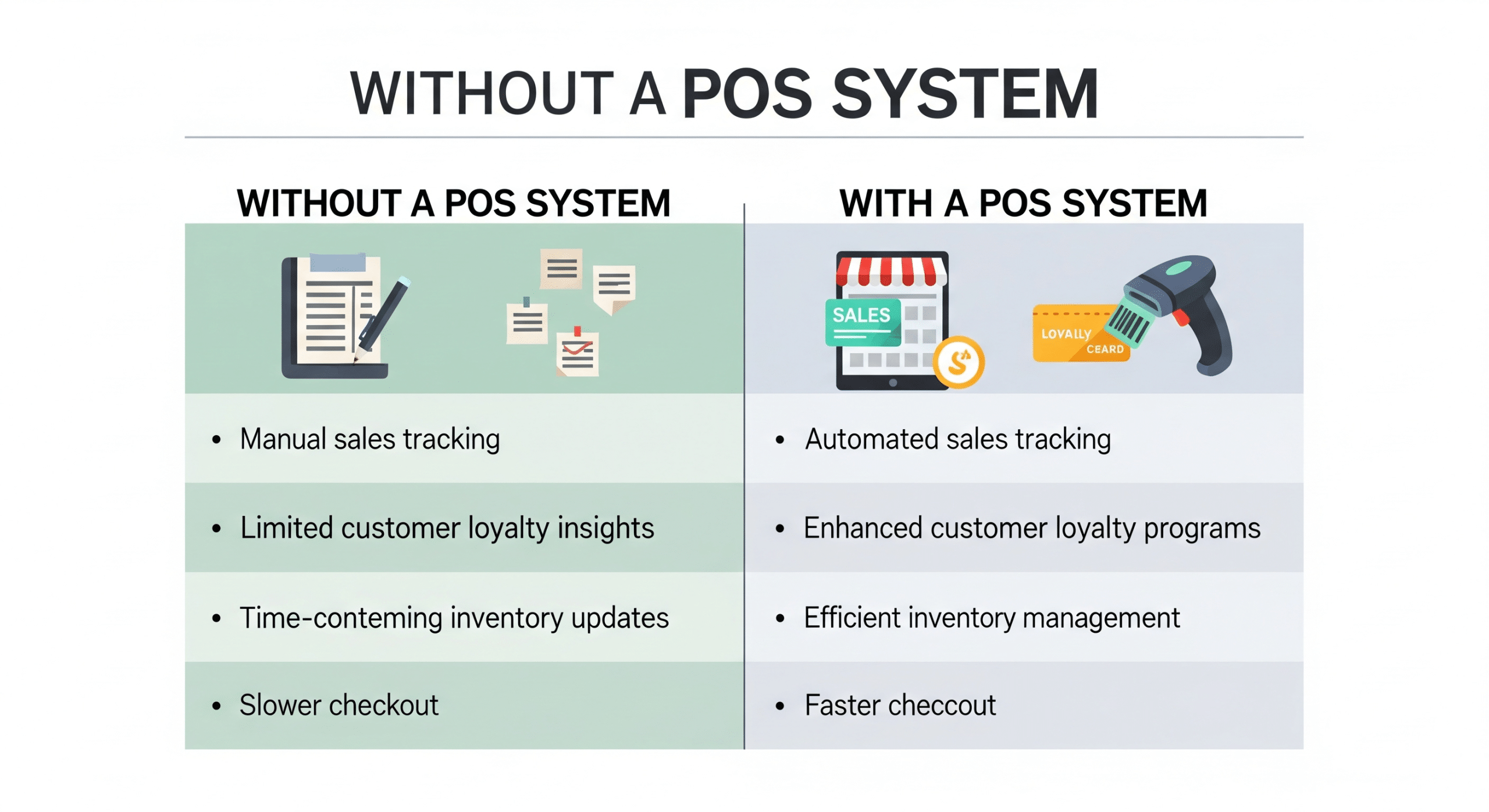
Why Boutiques Choose Biyo POS
Biyo POS helps boutiques simplify retail management through integrated cloud-based tools designed for modern retail operations.
The platform combines inventory tracking, payment processing, customer loyalty management, reporting analytics, employee management, mobile POS functionality, and e-commerce integration within one centralized system.
Boutique owners gain real-time visibility into sales performance, stock levels, customer behavior, and operational trends while reducing manual administrative work.
Biyo POS also supports flexible retail environments, including physical storefronts, pop-up events, online shops, and multi-location operations.
Whether operating a small independent fashion boutique or managing multiple retail locations, boutiques can use Biyo POS to improve workflow efficiency while creating stronger customer experiences.
If you want to modernize your boutique operations, you can schedule a demo or create an account to explore how Biyo POS supports boutique retail businesses.
Frequently Asked Questions
What is a POS system for boutique retail?
A boutique retail POS system is software designed to help boutiques manage sales, inventory, customer relationships, payments, and retail operations through one centralized platform.
How does a boutique POS system improve inventory management?
Boutique POS systems track inventory in real time, automate stock updates, provide low-stock alerts, and support forecasting tools that improve purchasing accuracy.
Can boutique POS systems integrate with online stores?
Yes. Many modern boutique POS systems integrate with e-commerce platforms, allowing retailers to synchronize inventory, sales, and customer information across online and in-store channels.
Why are loyalty programs important for boutiques?
Loyalty programs encourage repeat purchases, strengthen customer relationships, and help boutiques deliver personalized shopping experiences that improve retention.
How do mobile POS systems help boutiques?
Mobile POS devices allow employees to process transactions anywhere in the store, reducing checkout lines and creating more flexible customer service experiences.
How does Biyo POS help boutique retailers?
Biyo POS helps boutiques manage inventory, payments, analytics, loyalty programs, employee workflows, and omnichannel retail operations through integrated cloud-based technology.