The way customers interact with restaurants has changed dramatically in recent years. Convenience, speed, and flexibility now influence dining decisions just as much as food quality and customer service. Many customers want restaurant meals without waiting in crowded dining rooms, standing in long pickup lines, or dealing with unnecessary delays. Because of these changing expectations, restaurant curbside pickup has become one of the most valuable service models in the modern restaurant industry.
Curbside pickup allows customers to place orders online, through mobile apps, or by phone before arriving at the restaurant. Once customers reach the location, restaurant staff deliver the order directly to their vehicles without requiring customers to enter the building. This process creates a faster, smoother, and more convenient ordering experience that appeals to busy professionals, families, commuters, and customers looking for efficient takeout options.
Although curbside pickup became extremely popular during the COVID-19 pandemic, the service continued growing long after dining rooms reopened. Customers discovered that curbside ordering saved time, reduced frustration, and simplified restaurant visits. Recent industry studies show that more than 60% of consumers prefer ordering from restaurants that offer convenient pickup services such as curbside delivery.
For restaurant operators, curbside pickup has evolved into far more than a temporary convenience feature. Restaurants that implement curbside systems successfully often experience higher takeout sales, stronger customer loyalty, improved operational efficiency, and faster service workflows. Modern POS systems and online ordering platforms now make it easier than ever for restaurants to coordinate pickup scheduling, kitchen preparation, and customer communication from one centralized system.
This guide explains how restaurant curbside pickup works, why it became so popular, the operational benefits it offers, and how restaurants can optimize curbside service to improve both customer satisfaction and business performance.
Table of Contents
- What Is Restaurant Curbside Pickup?
- Why Curbside Pickup Became So Popular
- Benefits of Restaurant Curbside Pickup
- How Restaurants Implement Curbside Pickup
- Ways to Optimize Curbside Service
- Common Curbside Pickup Challenges
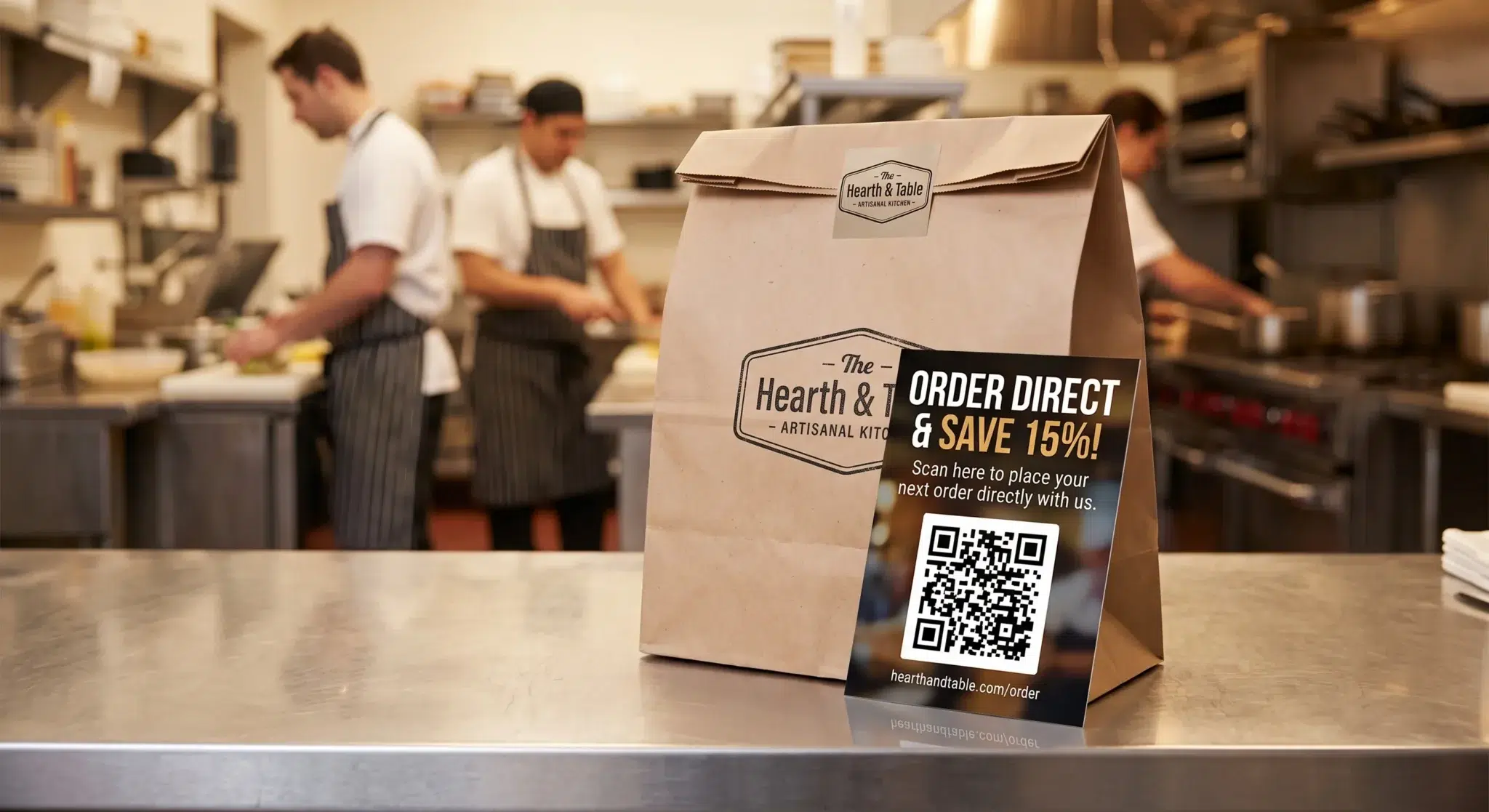
- How Restaurants Promote Curbside Pickup
- The Future of Restaurant Curbside Pickup
- How Biyo Helps Restaurants Manage Curbside Pickup
- Frequently Asked Questions
What Is Restaurant Curbside Pickup?
Restaurant curbside pickup is a service model that allows customers to order meals in advance and receive their food directly at their vehicles after arriving at the restaurant location. Unlike traditional takeout, curbside pickup removes the need for customers to park, walk inside the restaurant, wait in line, or interact with crowded pickup areas.
The process is designed around convenience and speed. Customers usually place their orders online or through mobile ordering systems, select curbside pickup during checkout, and choose either an immediate or scheduled pickup time. Once the customer arrives, the restaurant receives a notification and delivers the prepared order directly to the designated vehicle.
Most restaurants use dedicated curbside parking spaces located near the entrance. Clear signage and digital notifications help coordinate pickups efficiently while minimizing confusion during busy periods.
Modern curbside systems often integrate with:
- Online ordering platforms
- Restaurant POS systems
- Mobile ordering apps
- Customer text notifications
- Kitchen display systems
- GPS arrival tracking
These connected systems help restaurants coordinate orders more accurately while improving the overall customer experience.

Why Curbside Pickup Became So Popular
The rapid growth of curbside pickup reflects broader changes in consumer behavior and restaurant technology. Customers increasingly prioritize convenience and time savings when choosing where to order food. Curbside pickup satisfies both needs by simplifying the entire takeout process.
During the pandemic, curbside service became essential because it allowed restaurants to continue serving customers safely even when indoor dining faced restrictions. However, many customers continued using curbside service afterward because they preferred its convenience compared to traditional pickup methods.
Curbside pickup reduces many common frustrations associated with restaurant takeout, including:
- Long pickup lines
- Parking difficulties
- Crowded waiting areas
- Extended wait times
- Order confusion during busy hours
The rise of mobile ordering also contributed heavily to curbside adoption. Customers can now browse menus, customize meals, schedule pickups, and pay digitally before arriving at the restaurant. This creates a faster and more predictable experience for both customers and restaurant staff.
Restaurants also realized that curbside pickup expanded their operational flexibility. Even during periods of limited seating capacity or high dine-in demand, restaurants could continue serving large numbers of takeout customers efficiently.
Benefits of Restaurant Curbside Pickup
Restaurant curbside pickup creates important advantages for both customers and businesses. Customers gain convenience and speed, while restaurants benefit from increased operational efficiency and expanded revenue opportunities.
One of the biggest customer benefits is convenience. Customers can receive restaurant meals quickly without leaving their vehicles, which is especially valuable for parents, busy professionals, commuters, and customers with mobility limitations.
Curbside pickup also improves customer satisfaction because it reduces waiting and uncertainty. Customers appreciate knowing that their orders will be prepared before arrival and delivered directly to them without unnecessary delays.
Restaurants benefit financially as well. Many operators report increased takeout sales after implementing curbside pickup systems. Industry data suggests that restaurants offering curbside service may increase takeout volume by 20% to 30%, particularly during lunch and dinner rush periods.
Digital curbside ordering also encourages larger order sizes. Customers placing online orders often add additional items such as desserts, appetizers, beverages, or family meal bundles before completing checkout.
Operationally, curbside service helps restaurants organize workflows more effectively. Scheduled pickup windows allow kitchens to distribute preparation workloads more evenly while reducing congestion at traditional pickup counters.
How Restaurants Implement Curbside Pickup
Implementing curbside pickup successfully requires more than simply designating parking spots. Restaurants need organized workflows, reliable technology, and clear communication systems to ensure smooth operations.
The first step is creating an efficient online ordering process. Customers should be able to browse menus easily, customize meals, select pickup times, and complete payments without confusion. Complicated ordering systems often frustrate customers and reduce conversion rates.
Restaurants also need clearly marked curbside pickup zones. Good signage helps customers identify exactly where to park and how to notify staff upon arrival. Some restaurants use text messaging systems, while others rely on mobile apps or phone calls for customer check-ins.
Staff training is another major component of successful curbside operations. Employees must understand:
- Order verification procedures
- Pickup coordination workflows
- Customer communication standards
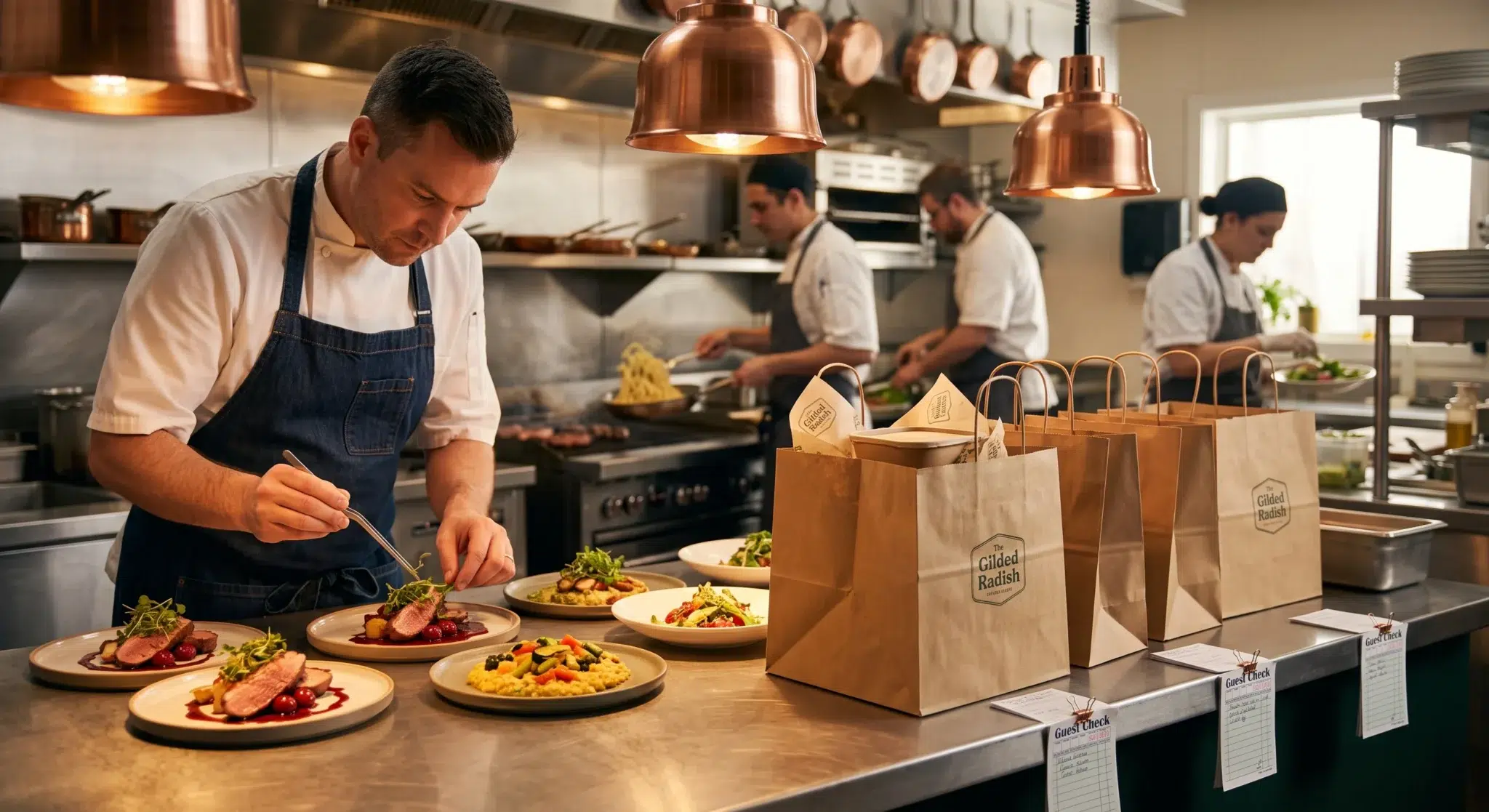
- Packaging requirements
- Delivery timing expectations
Dedicated curbside staff may also improve efficiency during peak periods by reducing operational confusion inside the restaurant.
Ways to Optimize Curbside Service
Restaurants that optimize curbside operations carefully often achieve faster service times and stronger customer satisfaction scores.
Technology plays a major role in curbside efficiency. Automated systems can notify customers when orders are ready while simultaneously informing staff when customers arrive at the pickup area.
Automated communication reduces delays and improves coordination between kitchens, front-of-house staff, and customers.
Flexible scheduling is another important optimization strategy. Allowing customers to select pickup windows helps restaurants distribute demand more evenly throughout the day. This reduces congestion during peak hours and improves kitchen workflow management.
Restaurants should also monitor operational performance metrics regularly, including:
- Average pickup wait times
- Order accuracy rates
- Customer satisfaction feedback
- Peak pickup periods
- Kitchen preparation speed
Tracking these metrics helps identify bottlenecks and operational improvement opportunities.
Common Curbside Pickup Challenges
Despite its advantages, curbside pickup can create operational challenges if workflows are poorly organized.
One common issue involves peak-hour congestion. During busy lunch and dinner periods, large numbers of pickup orders may arrive simultaneously. Without proper scheduling systems, parking areas can become crowded while kitchen preparation times increase.
Restaurants can reduce congestion through:
- Scheduled pickup windows
- Dedicated curbside staff
- Real-time customer notifications
- Traffic flow planning
Maintaining food quality is another challenge. Orders waiting too long for pickup may lose freshness or temperature consistency.
Restaurants often solve this problem through:
- Insulated packaging
- Separated hot and cold containers
- Final order quality checks
- Efficient delivery timing
Strong packaging and coordination systems directly influence customer satisfaction during curbside service.

How Restaurants Promote Curbside Pickup
Restaurants must actively market curbside pickup if they want customers to adopt the service consistently.
Social media remains one of the most effective promotional channels for curbside service. Restaurants can use social platforms to explain pickup procedures, highlight convenience benefits, share customer testimonials, and promote limited-time curbside offers.
Promotional incentives also encourage customers to try curbside ordering for the first time. Many restaurants offer:
- Discounted curbside meals
- Free beverages
- Loyalty rewards
- Family bundle specials
- Seasonal curbside promotions
Email marketing and app notifications can also help restaurants remind customers about curbside availability during busy dining periods.
The Future of Restaurant Curbside Pickup
Curbside pickup will likely remain an important part of restaurant operations for the foreseeable future. Customer expectations continue shifting toward convenience-focused dining experiences, and restaurants increasingly rely on digital ordering systems to support operational flexibility.
Future curbside systems may include:
- AI-powered order forecasting
- GPS-based arrival tracking
- Automated pickup staging
- Integrated loyalty rewards
- Advanced kitchen coordination tools
Restaurants that continue investing in curbside optimization will likely maintain strong competitive advantages as digital ordering continues growing.
How Biyo Helps Restaurants Manage Curbside Pickup
Biyo POS helps restaurants streamline curbside pickup operations through integrated cloud-based restaurant technology.
The platform supports online ordering, real-time order management, pickup scheduling, kitchen coordination, inventory synchronization, customer notifications, and integrated POS workflows from one centralized system.
Biyo helps restaurants organize curbside operations more efficiently while improving order accuracy, reducing wait times, and simplifying customer communication.
Restaurants looking to modernize curbside service and improve operational efficiency can explore how Biyo supports digital ordering and restaurant workflow management.
If you want to improve curbside pickup operations and customer convenience, you can create a Biyo account or learn more about how Biyo helps restaurants manage modern ordering systems.
Frequently Asked Questions
What is restaurant curbside pickup?
Restaurant curbside pickup is a service where customers place orders ahead of time and receive meals directly at their vehicles without entering the restaurant.
Why is curbside pickup popular?
Curbside pickup is popular because it saves time, improves convenience, reduces waiting, and simplifies restaurant takeout experiences.
How do restaurants manage curbside orders?
Restaurants typically manage curbside orders using integrated online ordering systems and POS platforms that coordinate kitchen preparation and customer notifications.
Can curbside pickup increase restaurant sales?
Yes. Many restaurants report increased takeout order volume and improved customer loyalty after implementing curbside pickup services.
How can restaurants improve curbside efficiency?
Restaurants can improve curbside efficiency through scheduling systems, dedicated pickup staff, digital ordering tools, and automated customer communication.
How does Biyo help restaurants manage curbside pickup?
Biyo helps restaurants manage curbside service through integrated POS systems, online ordering coordination, kitchen workflows, scheduling tools, and real-time order tracking.